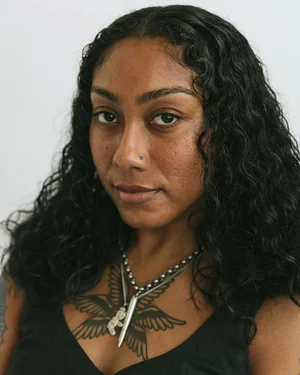
Othiana Roffiel on ‘The Sky I Keep’
The exhibition is on view at the SCAD Museum of Art until October 4, 2026.
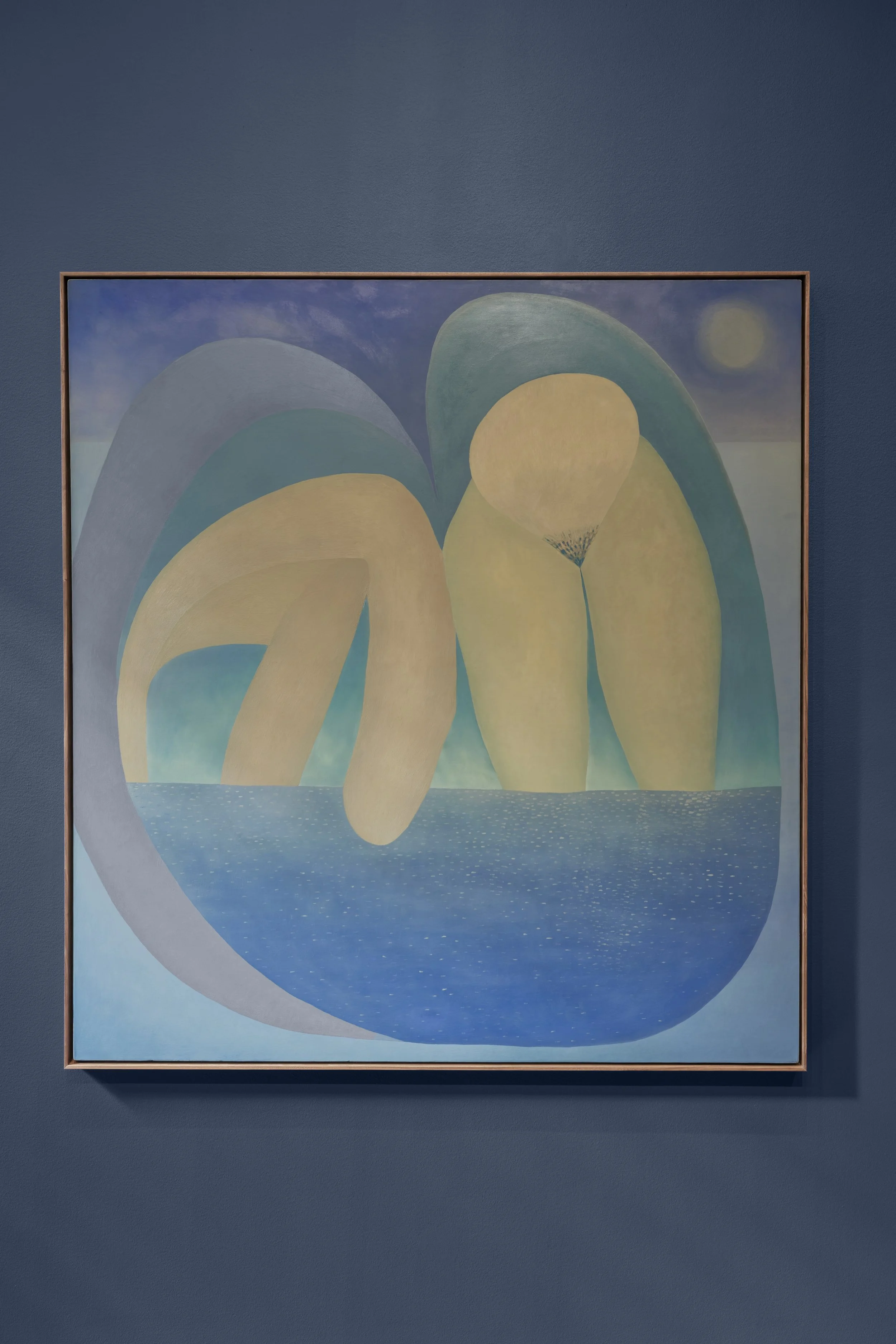
Photo Courtesy of SCAD
While many artists are crafting their work, they tend to forget how they’re evolving and transitioning in their lives as they complete different pieces. For Othiana Roffiel, The Sky I Keep, which is on view at the SCAD Museum of Art until October 4, is a body of work that has helped shape her visual language and identity today.
Many of the pieces have been exhibited together, but never all of them in the space, as they are artworks created between 2021 and 2025. Seeing them in one space made Roffiel realize that, regardless of where she was in her life, the pieces in The Sky I Keep show the connections between before—recurring forms, gestures, and ideas that always remained constant.
“The exhibition didn’t begin with a fixed concept; it gradually emerged through the process of selecting and arranging the works, and through ongoing conversations with curator Brittany Richmond,” Roffiel says. “Those conversations helped me articulate what I had been exploring intuitively through painting for years and gave me new ways of talking about it. Rather than illustrating a single idea, The Sky I Keep became a way of recognizing what had been at the heart of my work all along.”
The pandemic was a life-changing time for everyone, including Roffiel. During this time, she was living in the countryside, reevaluating her relationship with her body and what was occurring around her, both internally and externally. Within this journey, she realized how vast our existence is, which is particularly translated into her piece, Dejándome conocer por ella (2021).
“That experience shaped everything that came afterward,” she says. “Looking back, I can see that what gradually emerged wasn’t an interest in depicting specific subjects, but in exploring the invisible connections between them. Many of the forms in my paintings can feel simultaneously bodily, botanical, geological, or celestial because I don’t experience those worlds as completely separate.”
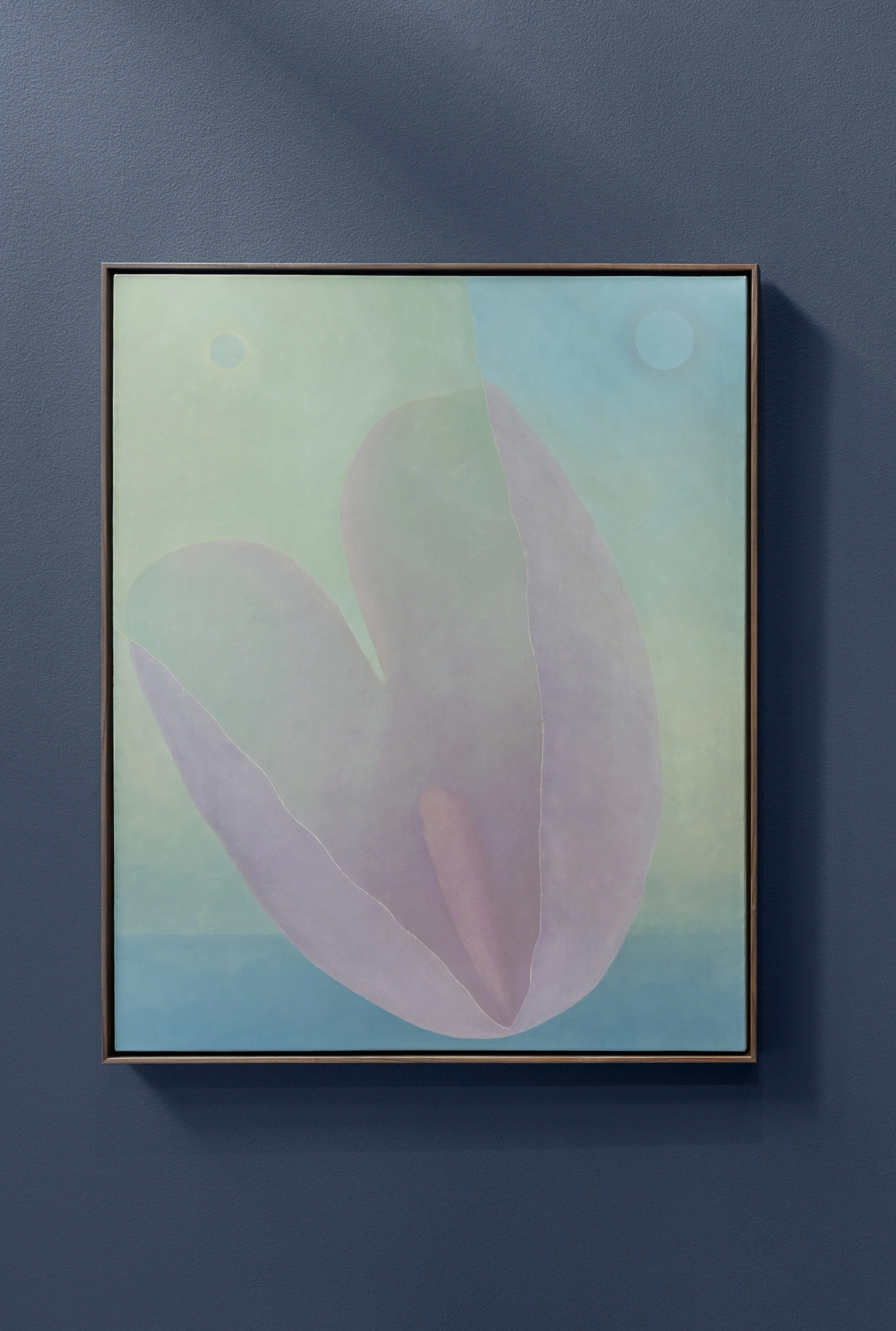
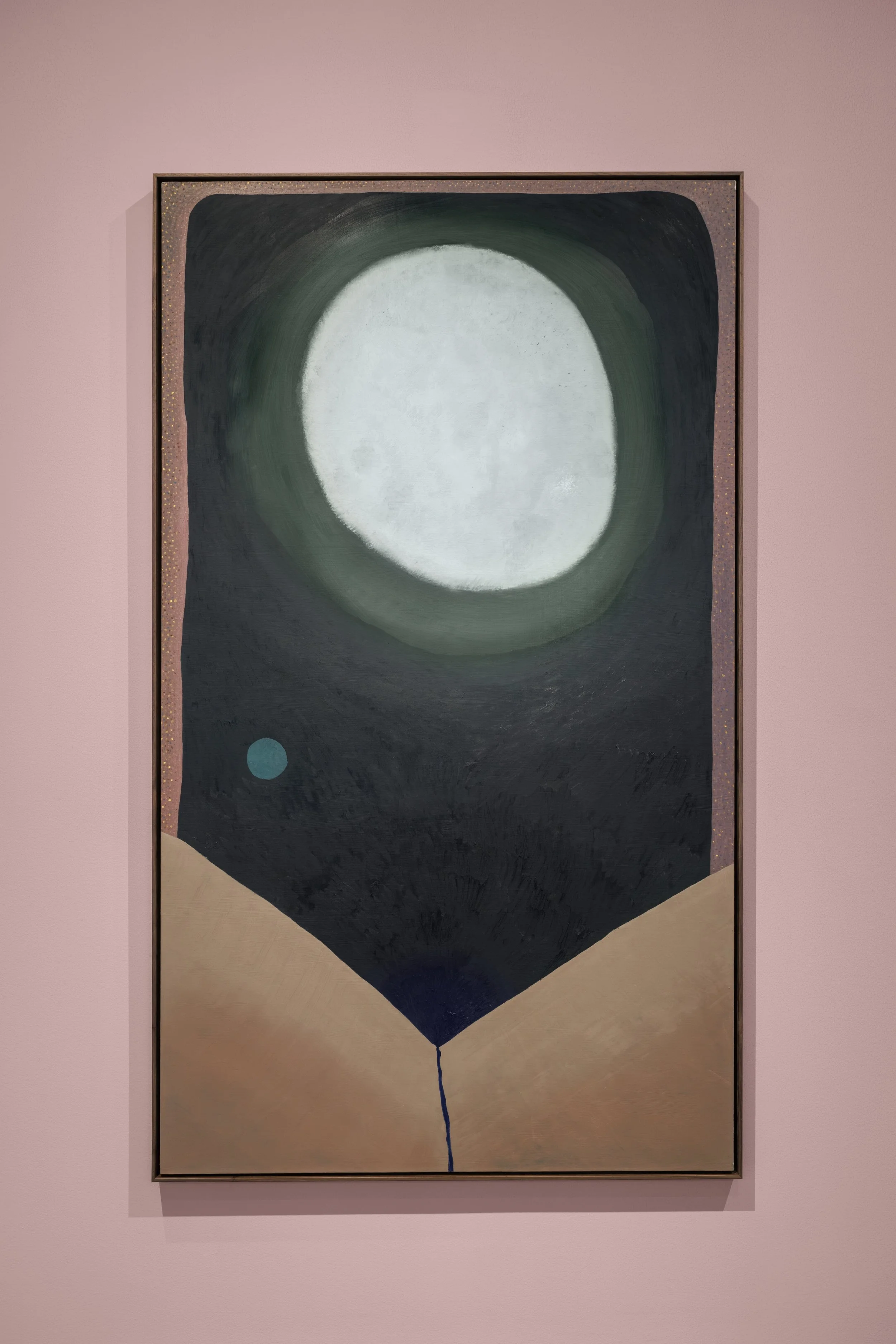
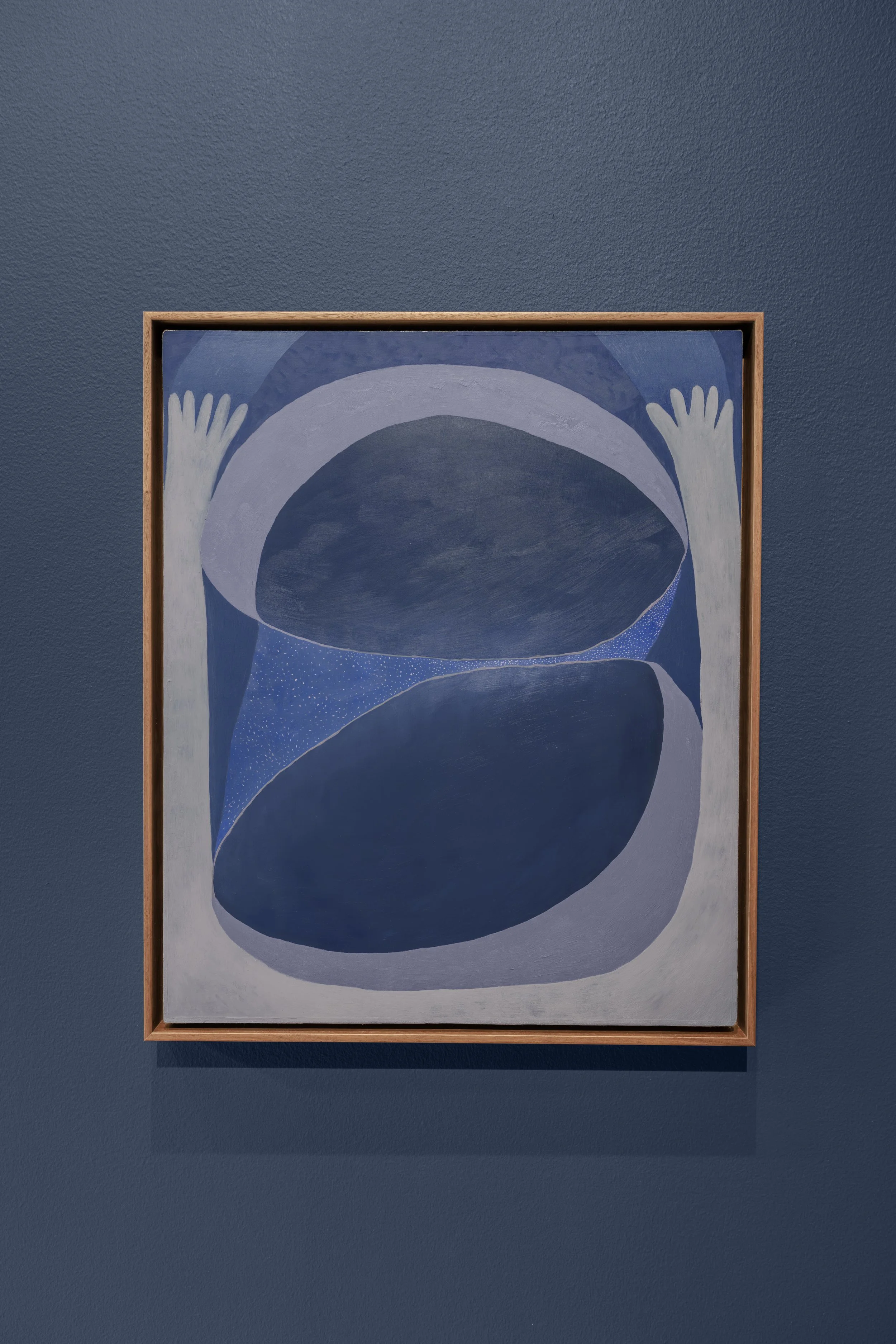
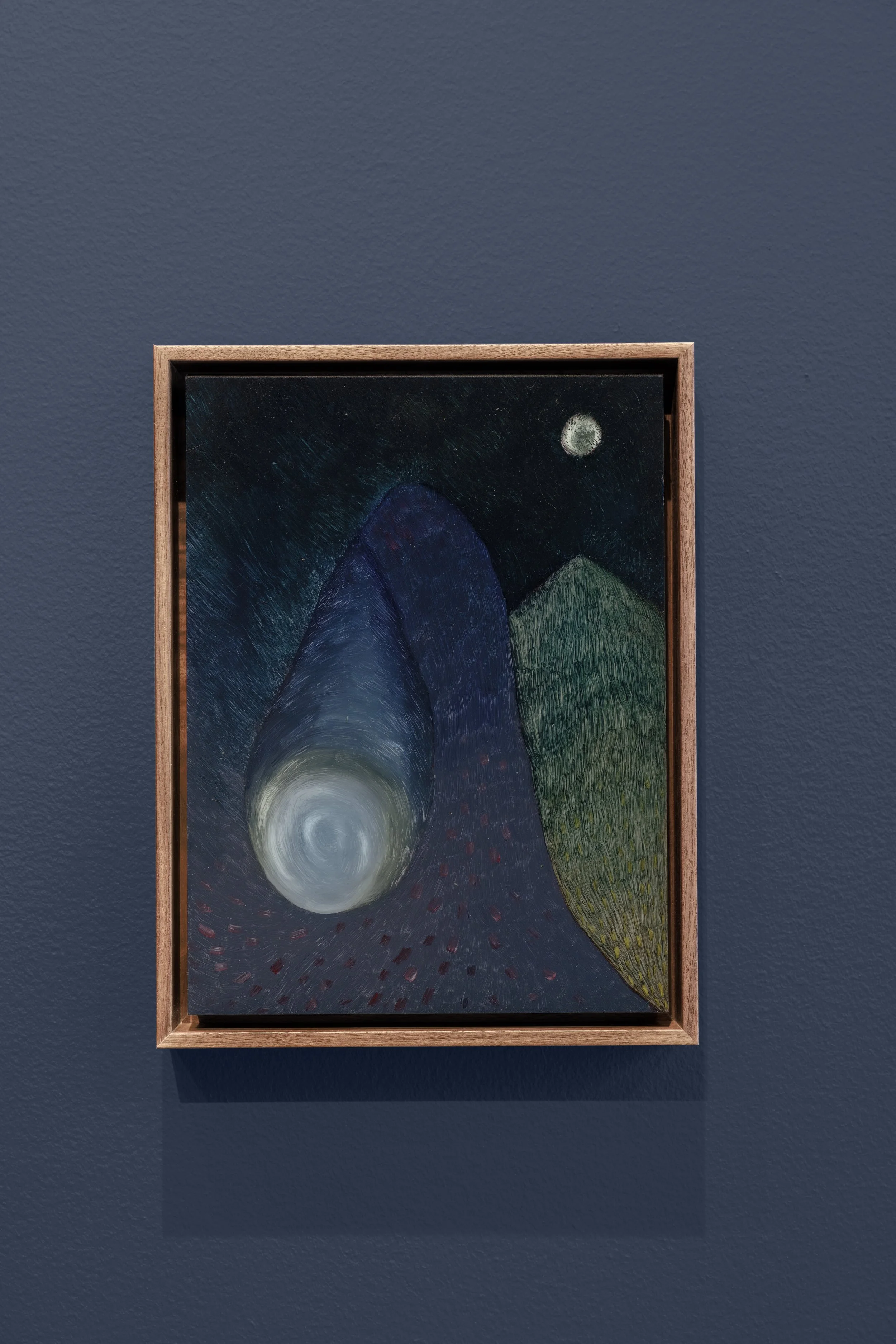
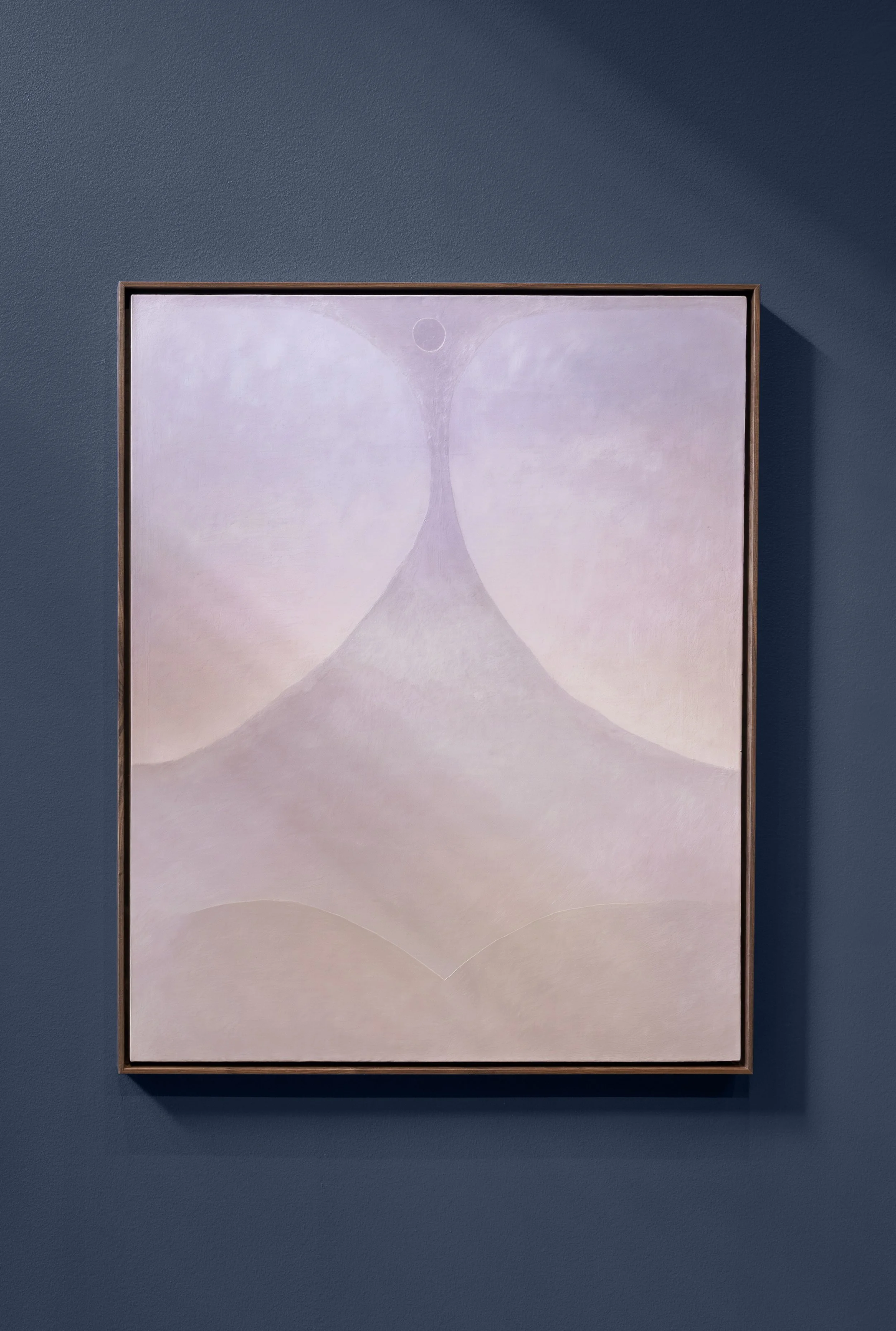
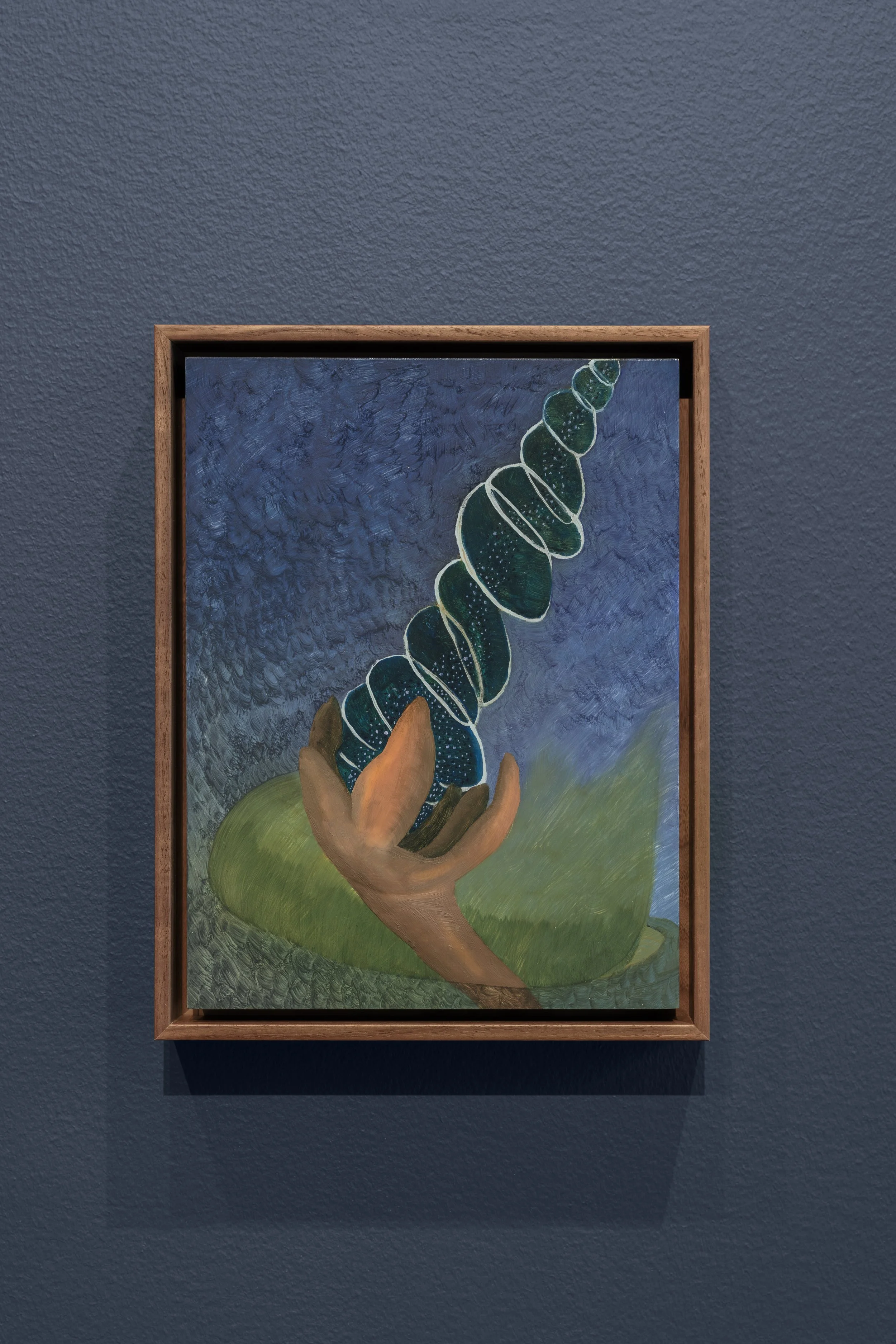
Photo Courtesy of SCAD
Not only did her time in the countryside change her perspective on how she treats her body, but also how she treats painting. Rather than referencing photographs, Roffiel began creating work based on her intuition, memory, and imagination. This led her to expand her ingenuity beyond what’s already in front of her in comparison to what can be realized from visualizations. This spontaneity also helped her trust her own process more, being more present and attentive, and responding to what she puts on the canvas.
“I think of painting as a conversation more than an act of execution,” Roffiel says. “The canvas constantly surprises me, resists me, and pushes me in unexpected directions. My role isn’t to impose an image, but to pay close attention—to notice when something unexpected begins to emerge and to make space for it.”
One challenge—that eventually turned into a lesson—that Roffiel faces is putting her work out to the world. There is a strong sense of vulnerability and trust that goes into letting people view and perceive the work. The Sky I Keep is an example of that; she knew she didn’t want to create a new body of work, but she had to determine how these artworks would coexist with one another in the same space.
For months, Roffiel went back and forth to decide the selected pieces, the exhibition title, and how the artworks relate to one another. The lesson she learned is that despite her completing this exhibition herself, it’s never created alone, as people perceive and create dialogue around it.
“By the time the exhibition opened, I wasn’t able to experience it in person,” she says. “In a strange way, that became the final lesson in trust. The paintings had already begun a life of their own, meeting viewers and inhabiting the museum before I had the chance to encounter them myself. There’s something both unsettling and beautiful about realizing that, at a certain point, the work no longer belongs only to you.”
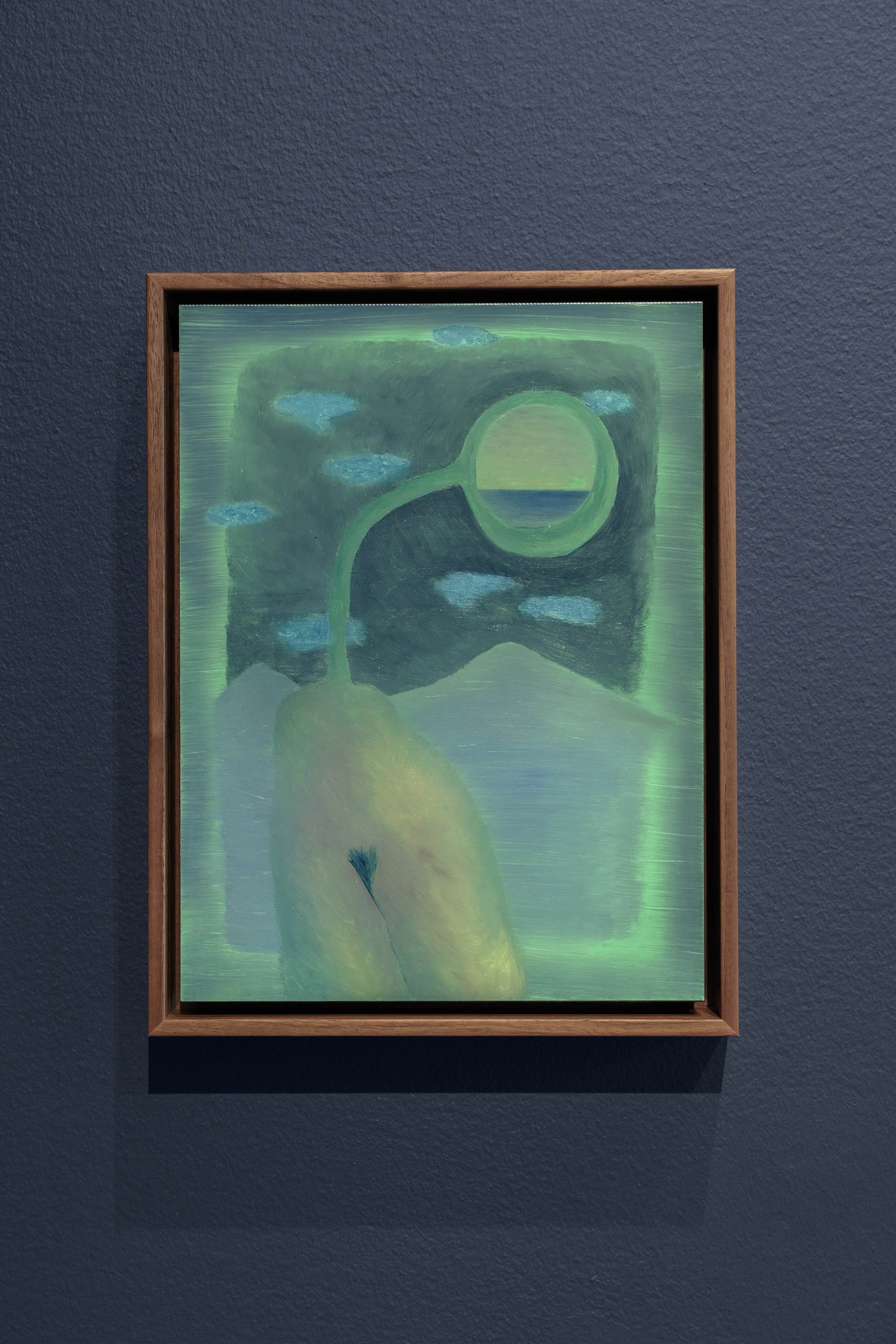
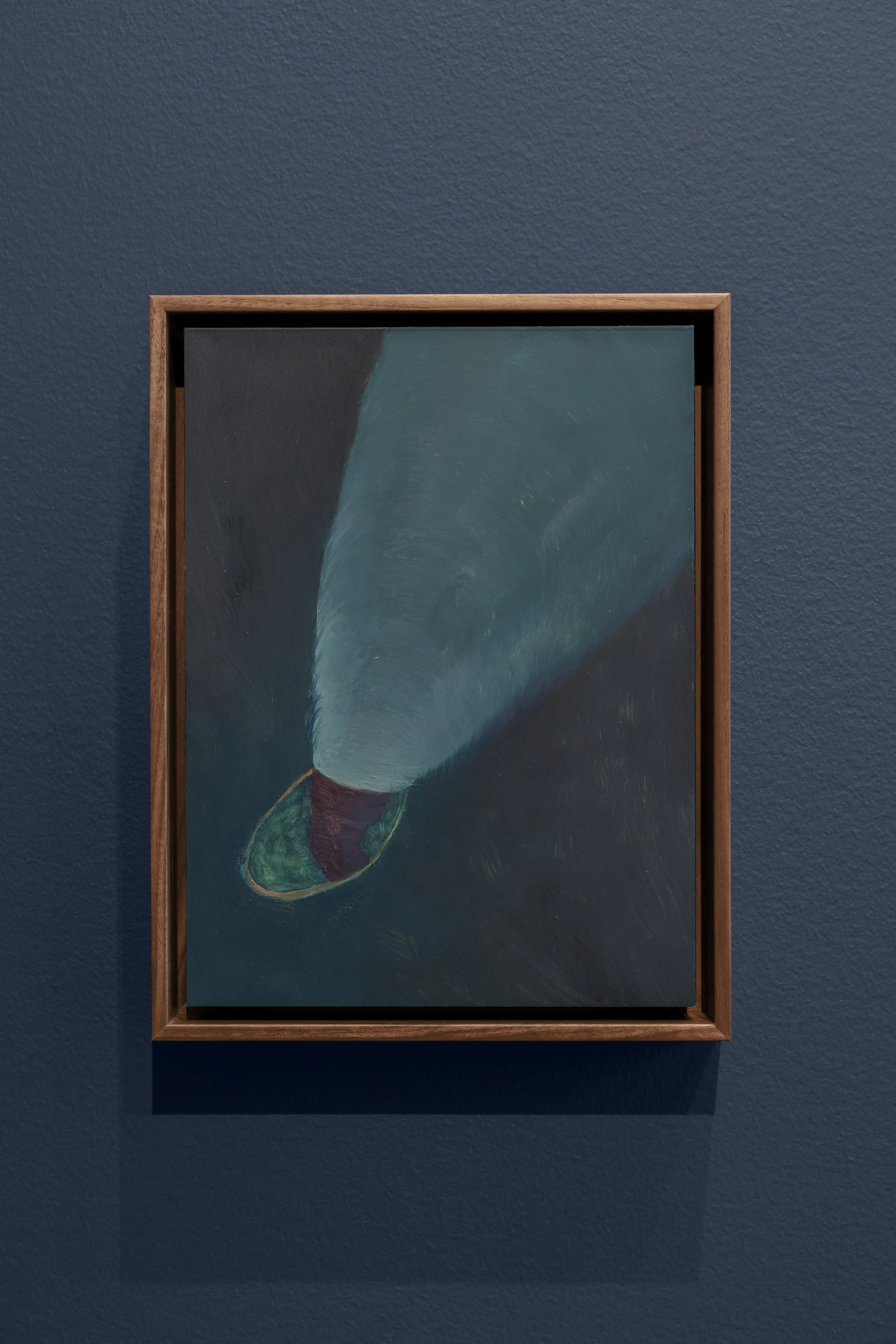
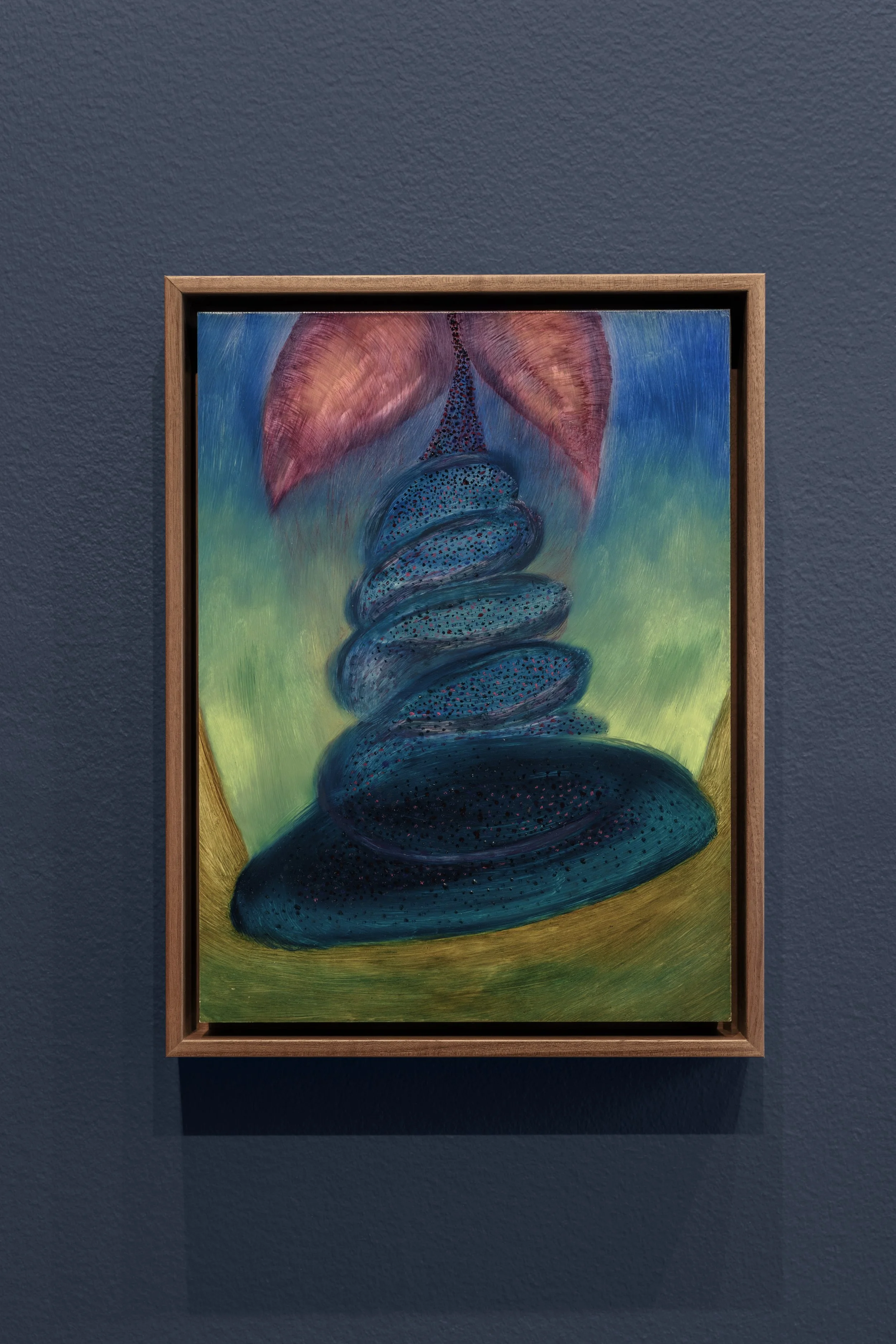
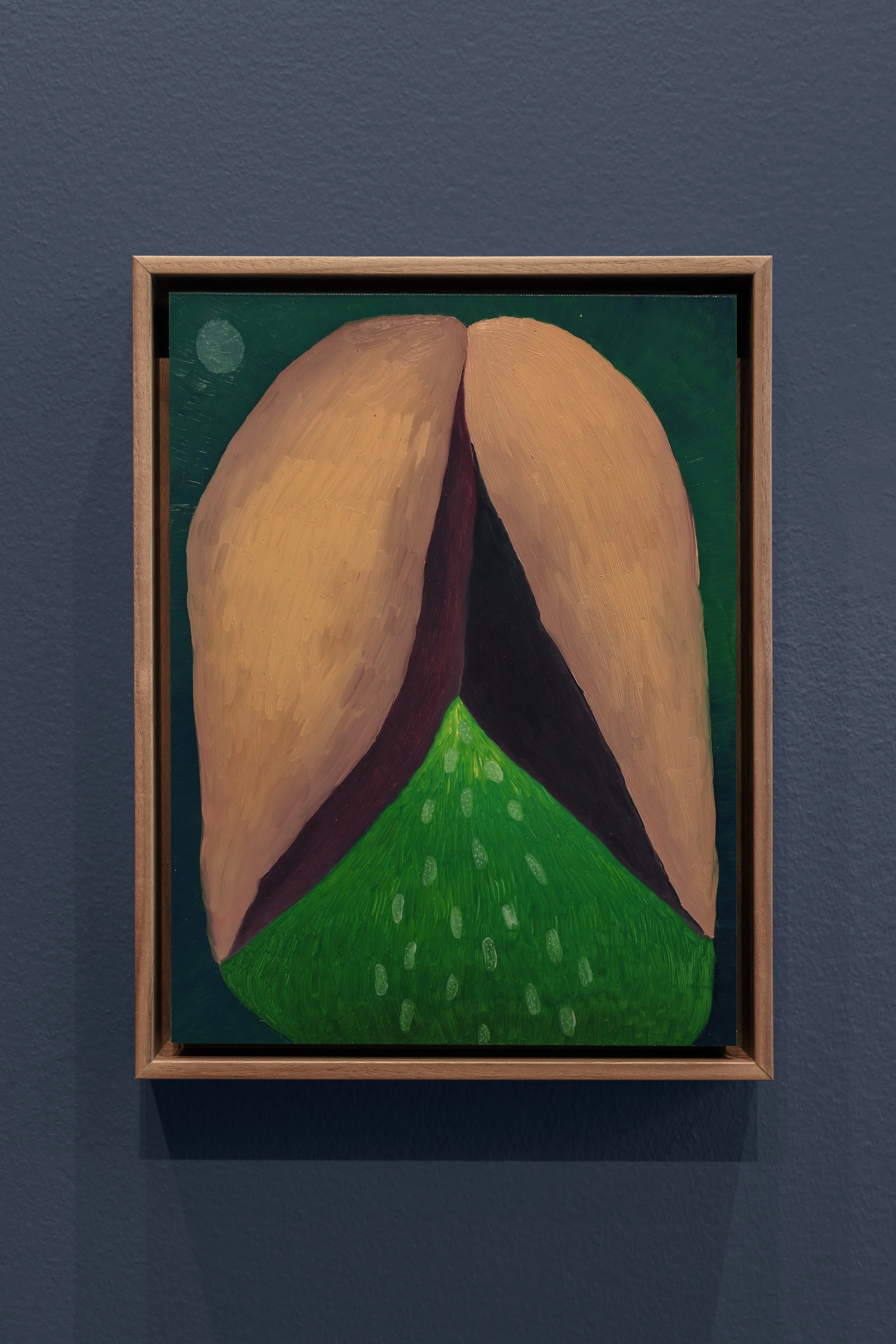
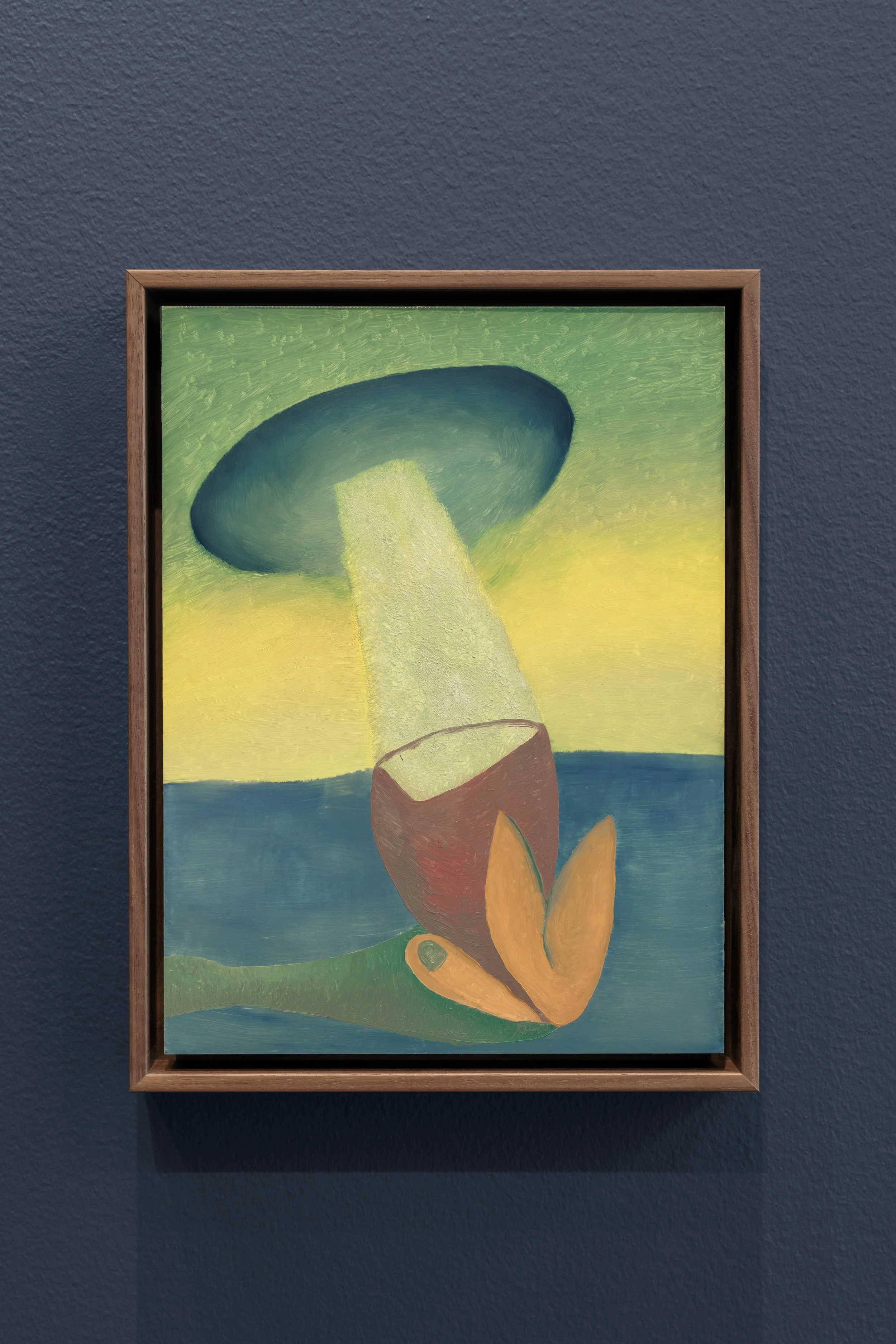
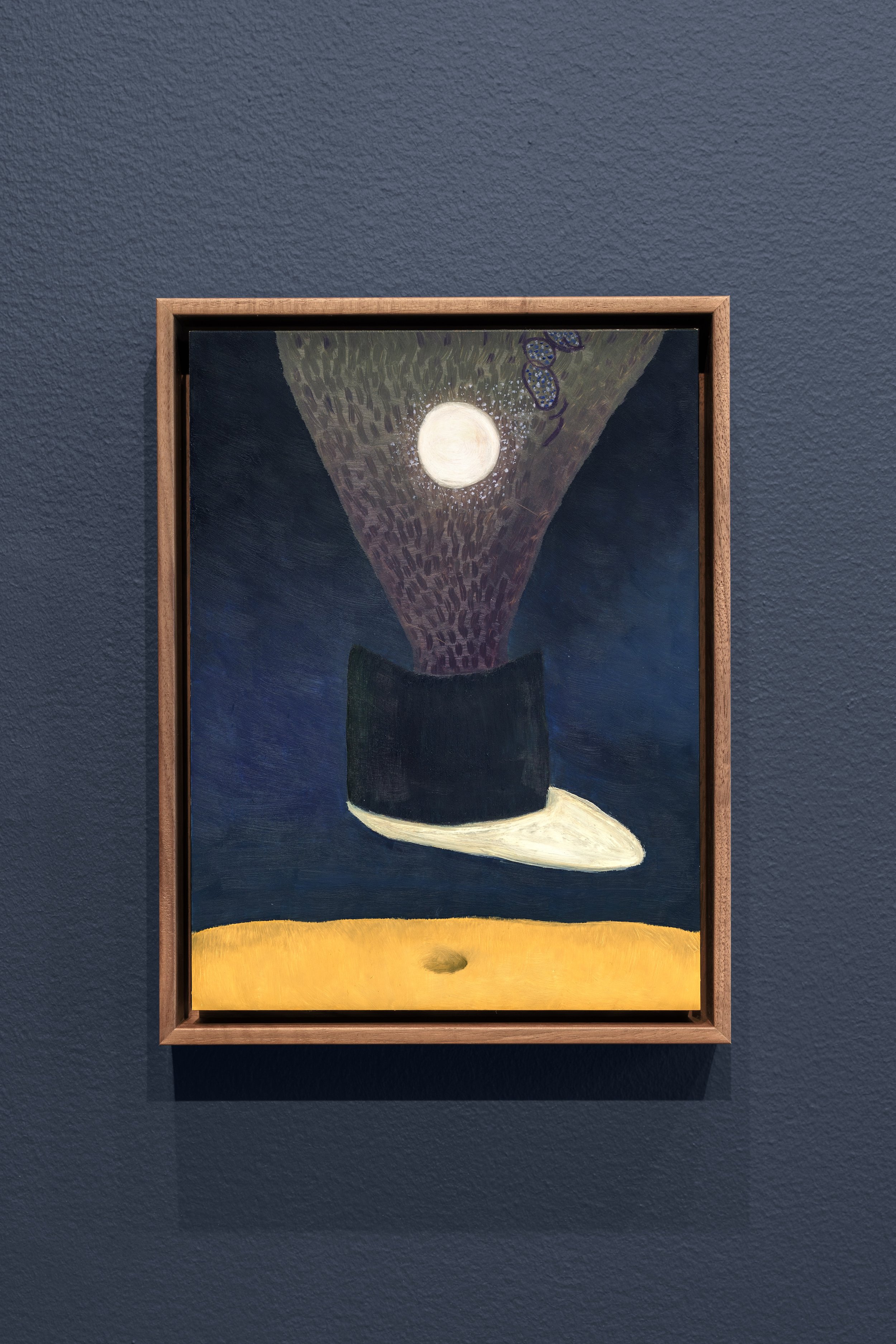
Photo Courtesy of SCAD
Roffiel describes her work as a visual language that conveys abstraction and figuration. However, she cares more about evoking familiarity with an unidentifiable form rather than boxing herself into a category. Her coexisting yet non-fixed paintings often shift as she goes. This makes room for various forms of interpretation within the cosmos, landscapes, and body. This concept in itself has helped form her visual language.
While living and working in Mexico City, Roffiel has become more aware of how noise, speed, and stimulation define the human experience. Her environment itself has not shaped what she paints, but how she paints. It helps make painting an act of cultivation or production. She used to feel the need to fully understand her work on an intellectual level before trusting it.
“I had learned to privilege analysis over intuition, explanation over direct experience,” she says. “Painting has gradually taught me that sensitivity isn’t the opposite of understanding—it’s another way of arriving at it. The more I’ve learned to trust that way of knowing, the more my visual language has become my own. Living in a fast-paced city has made me value slowness, silence, and sustained attention even more. It has become a place where I can return to those qualities—not as an escape from the world, but as another way of being in it.”
As viewers experience The Sky I Keep, Roffiel wants them to understand the interconnectedness between our inner lives and the world around us, as the boundaries between the two are more permeable than we think. Because every person has a different history, sensitivity, and perspective, each painting will be translated differently.
“Perhaps someone recognizes something within themselves they hadn’t yet found words for, notices a connection they hadn’t considered before, or simply experiences a different quality of attention for a little while,” Roffiel says. “Those moments can't be planned or explained in advance. They belong to the viewer as much as they belong to the paintings.”
The Sky I Keep is on view until October 4, 2026, at the SCAD Museum of Art in Savannah, Georgia.