Did You Catch These Cultural Easter Eggs During Bad Bunny’s Halftime Performance?
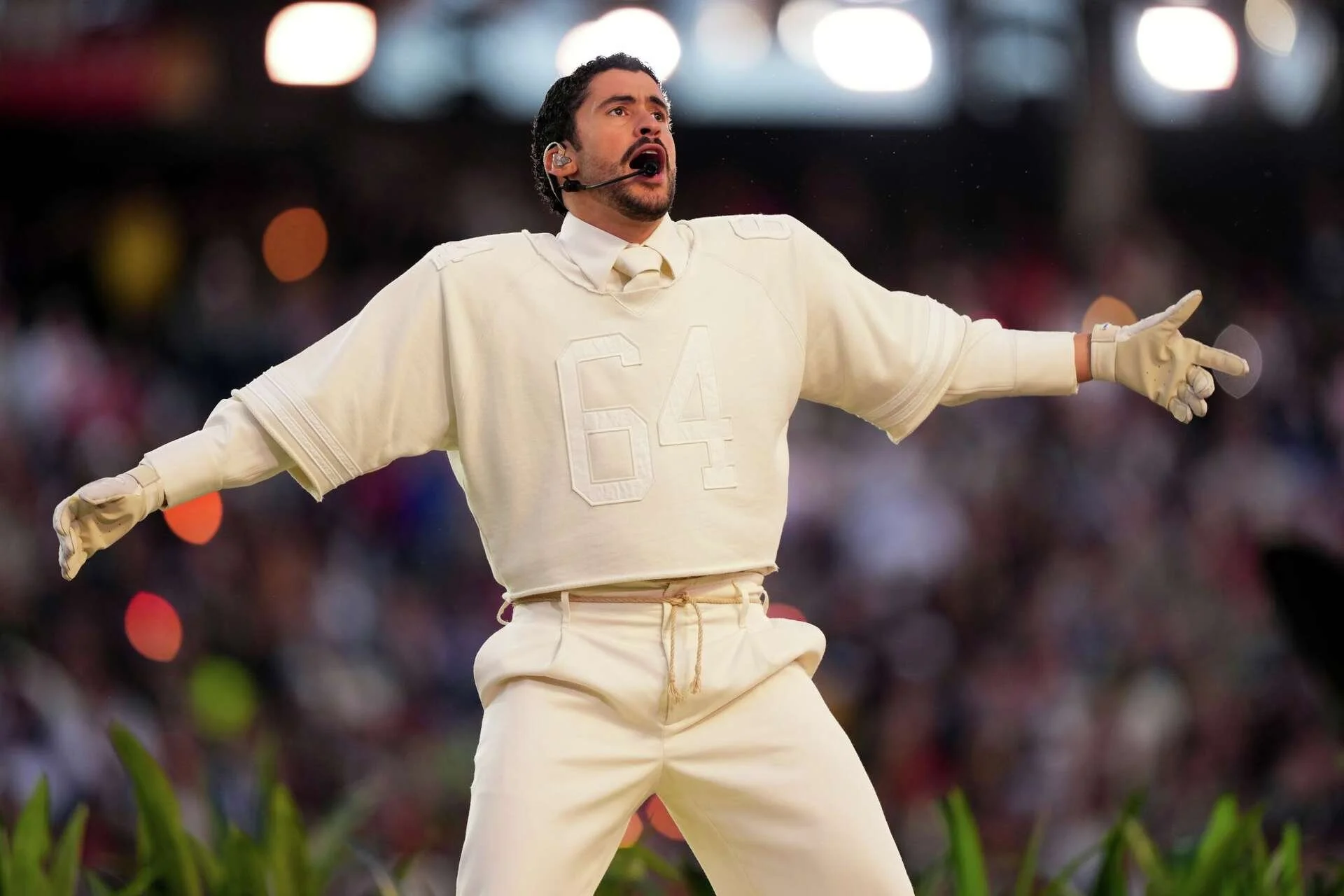
It was no surprise that Bad Bunny’s Super Bowl halftime show broke the record as the most-watched halftime show in history. The 13-minute performance conveyed a range of cultural messages that confronted Puerto Rico's history, politics, and traditions—both the good and the bad.
Bad Bunny is a revolutionary, and those who disagree are blind to how he depicts what it means to be one; either they don’t share the same lived experiences, or they’re living in blissful ignorance.
While many were able to decipher Bad Bunny’s messages, others who may not be Latino or Caribbean may have missed crucial moments that represent the island. He confronted topics such as the U.S. abandoning Puerto Rico and their electrical systems during hurricanes, the history of sugar cane plantations, the use of the correct-color Puerto Rican flag, and many more. Check them out below!
Sugar Cane Plantations
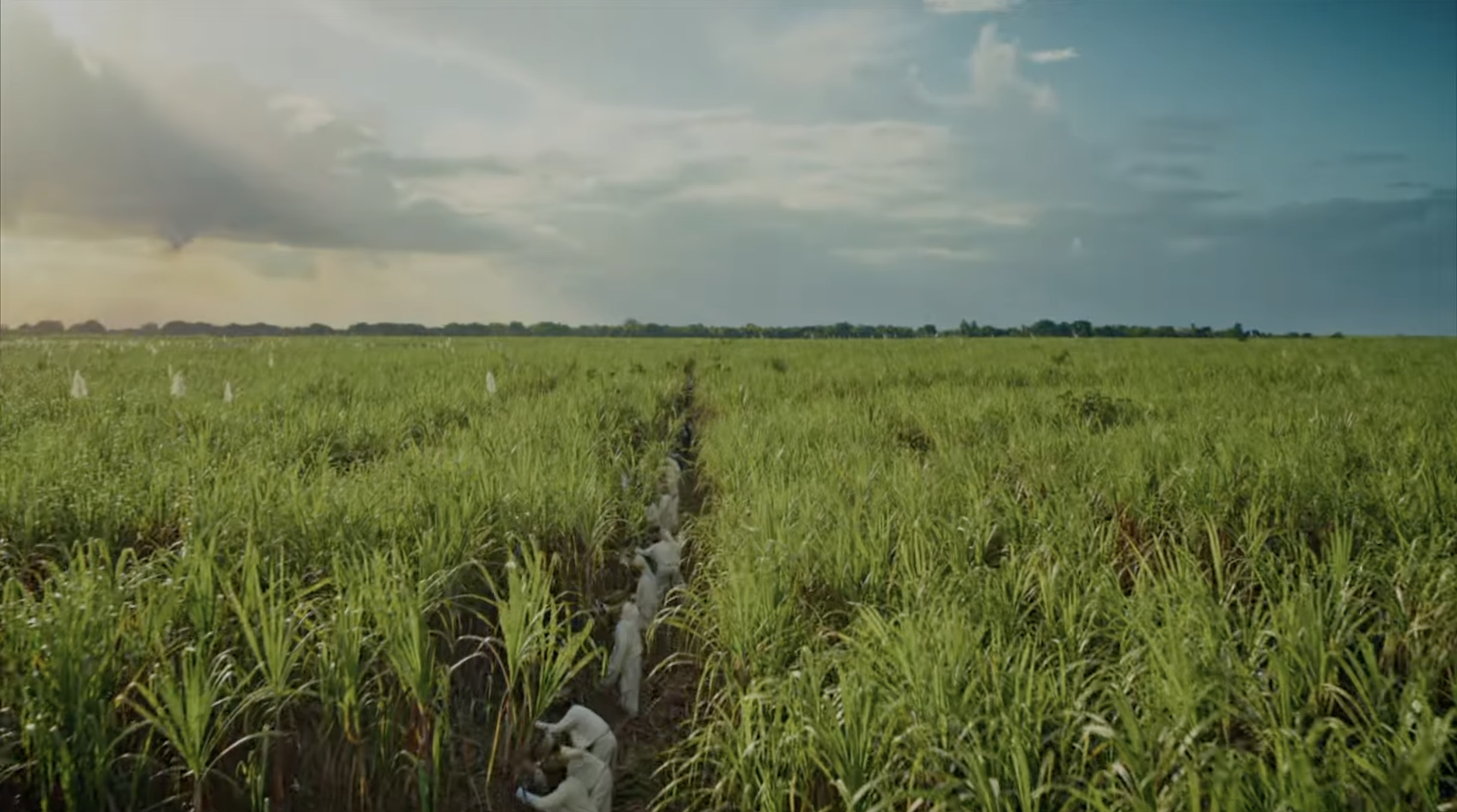
In the 1500s, the sugar cane economy in Puerto Rico was more valuable than gold. It boomed largely after the Spanish colonization, driven by enslaved labor.
Playing Dominoes
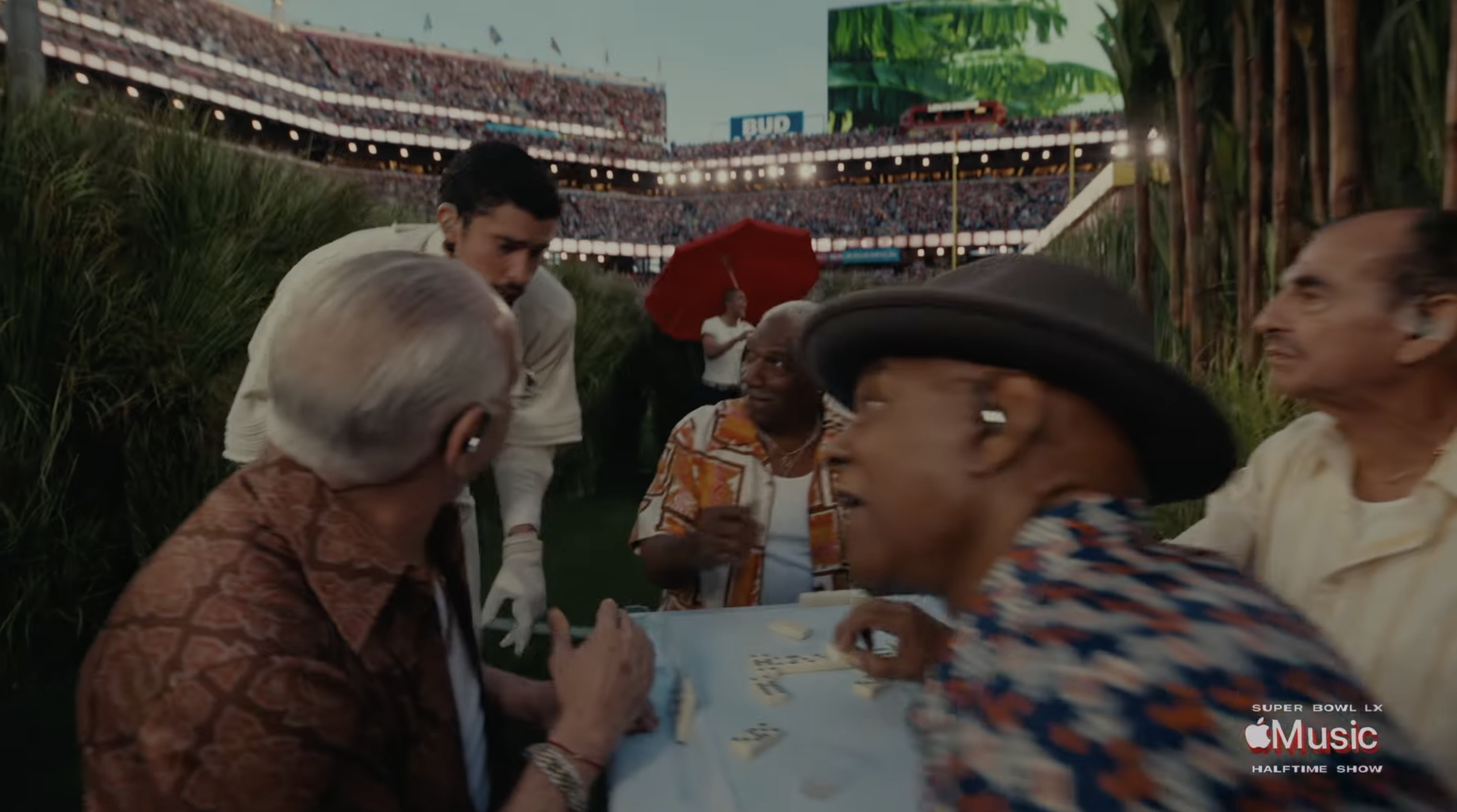
Dominoes are one of the Caribbean’s most prominent games. Although the game can be played differently in each country, they all share a competitive spirit: gathering day and night to see who can win the most games and getting extremely loud around the table.
Cement Blocks
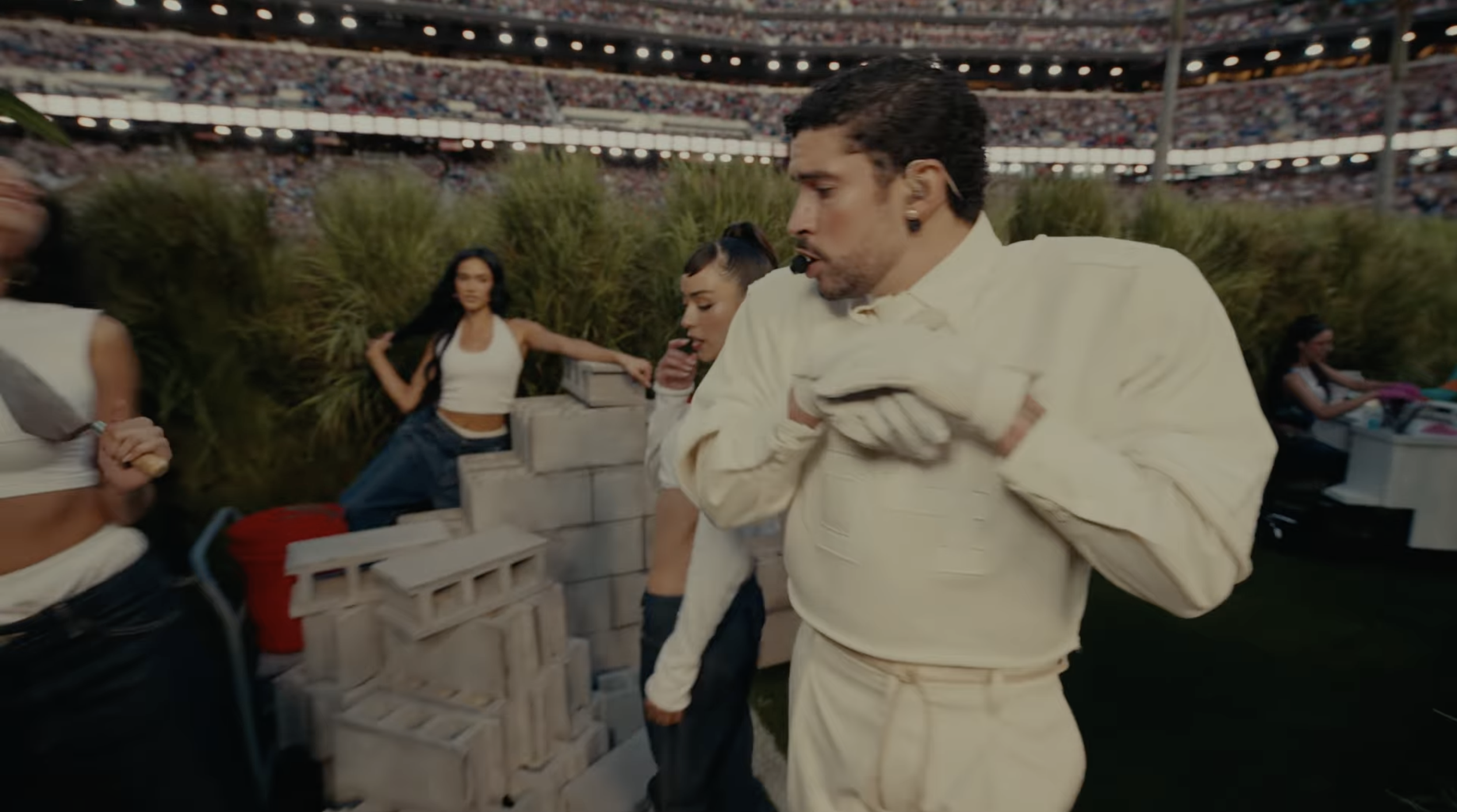
Cement blocks were introduced to Puerto Rico in the early 1900s as a safer, more durable building material for schools, hospitals, churches, and other institutions, particularly for use in hurricane-prone areas.
Piraguas
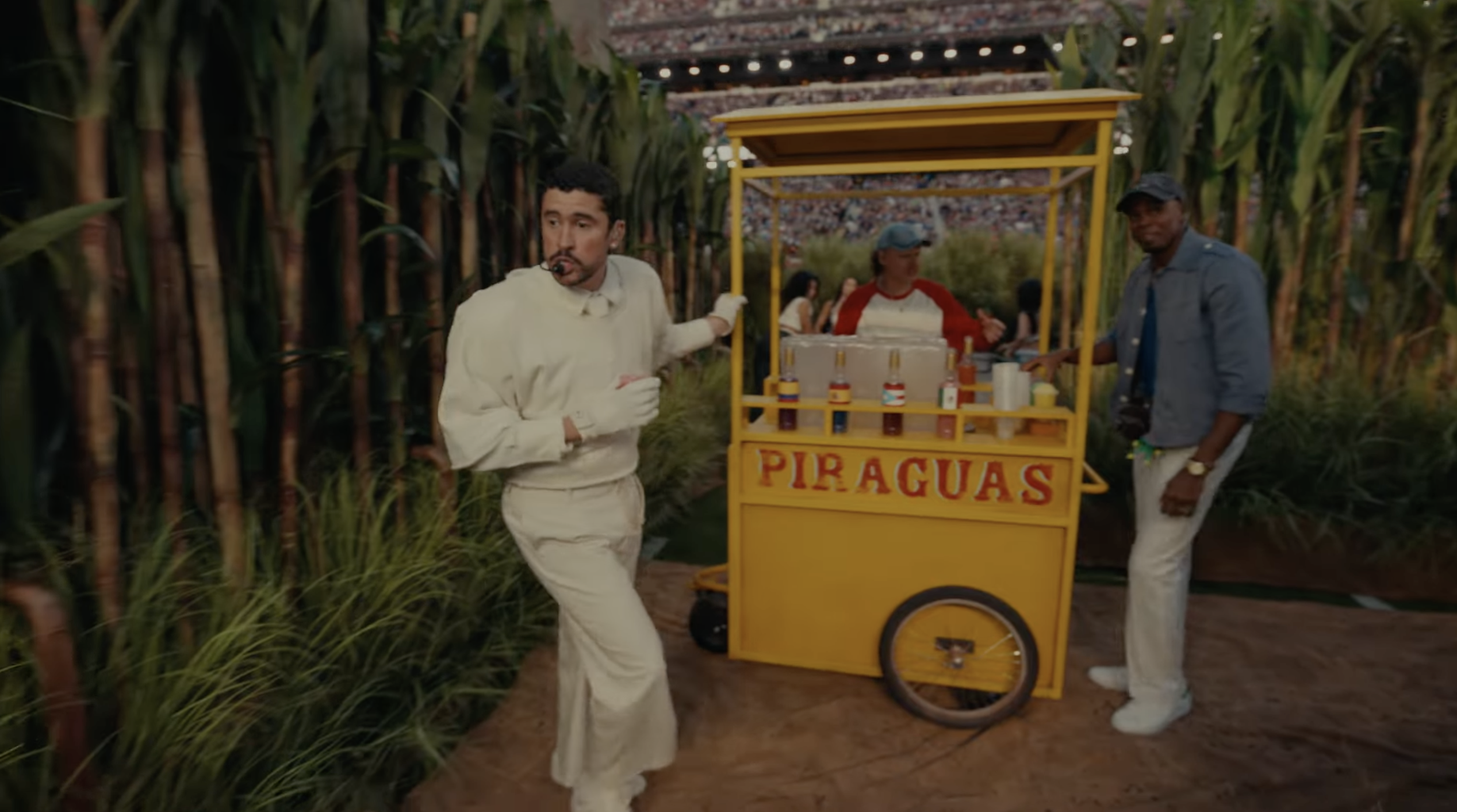
Piraguas are flavored shaved ice served in a tall cup. Often served by piragüeros in food carts, the staple treat dates back as early as the 1920s.
Xander Zayas
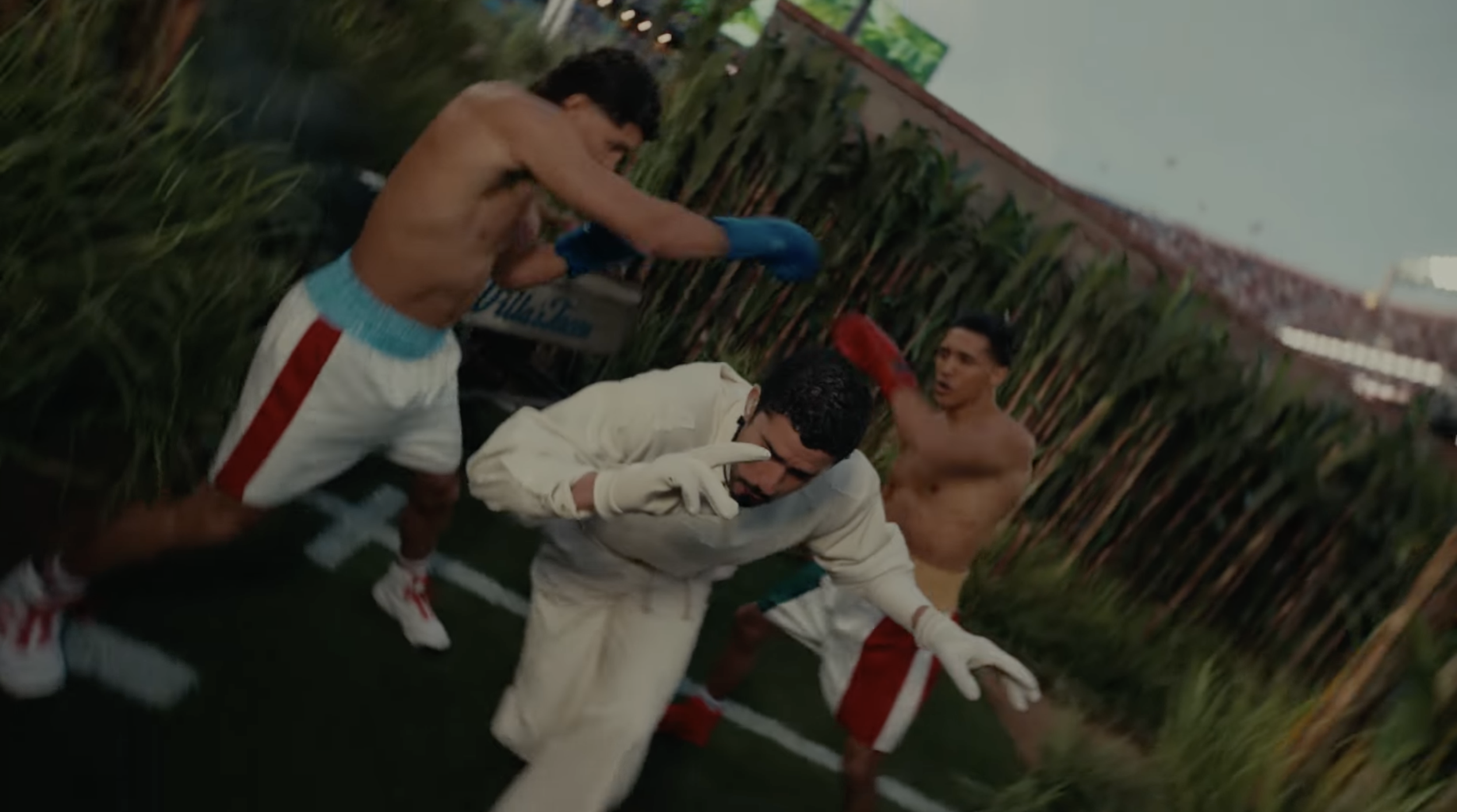
Xander Zayas is a Puerto Rican boxer who recently became the champion in the light middleweight division.
La Casita
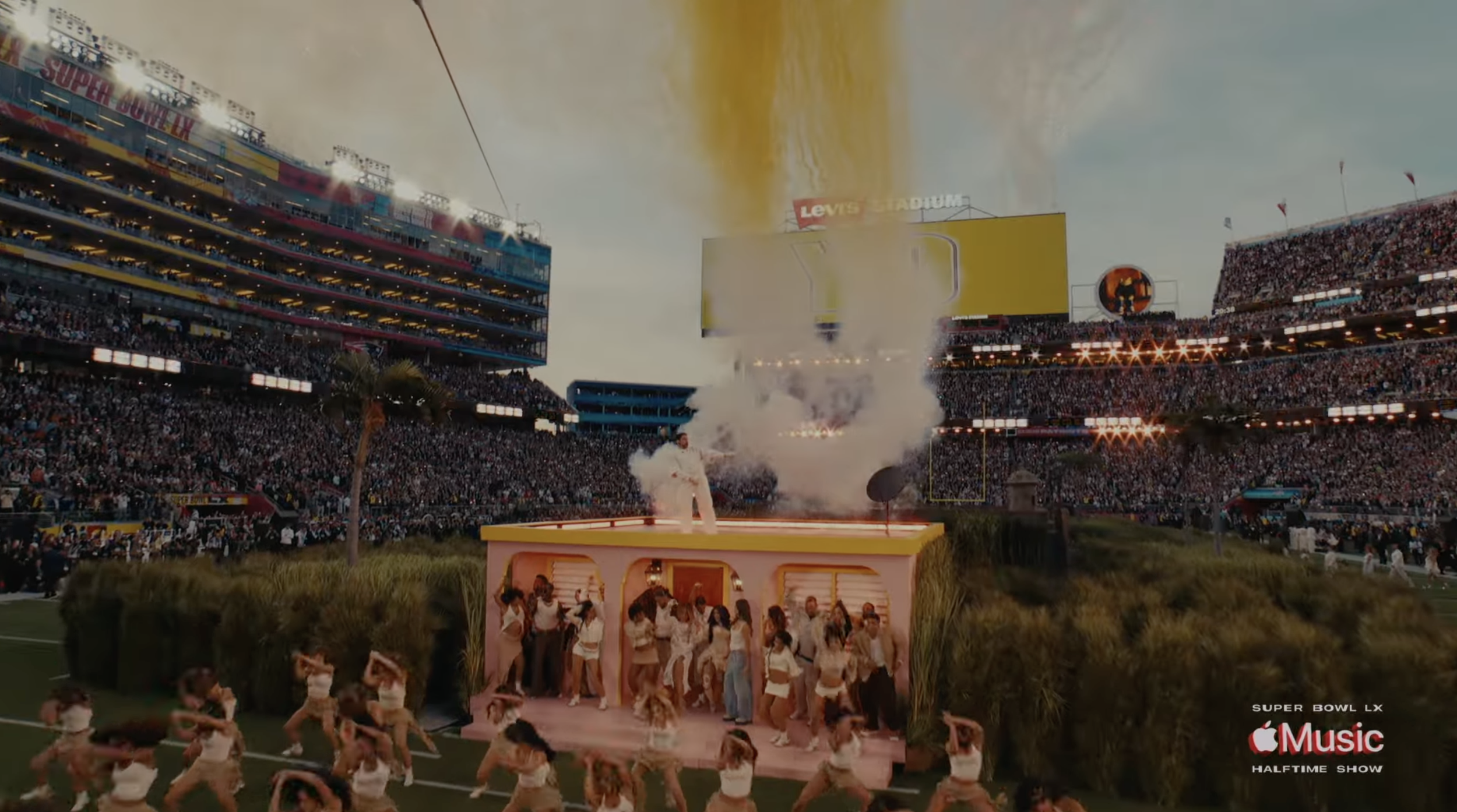
Las Casitas, also known as little wooden homes, often serve as gathering spaces for communities. Las Casitas first became prominent among the Taíno and Jíbaro people in the mountains, and soon spread to more densely populated towns and cities.
The Wedding
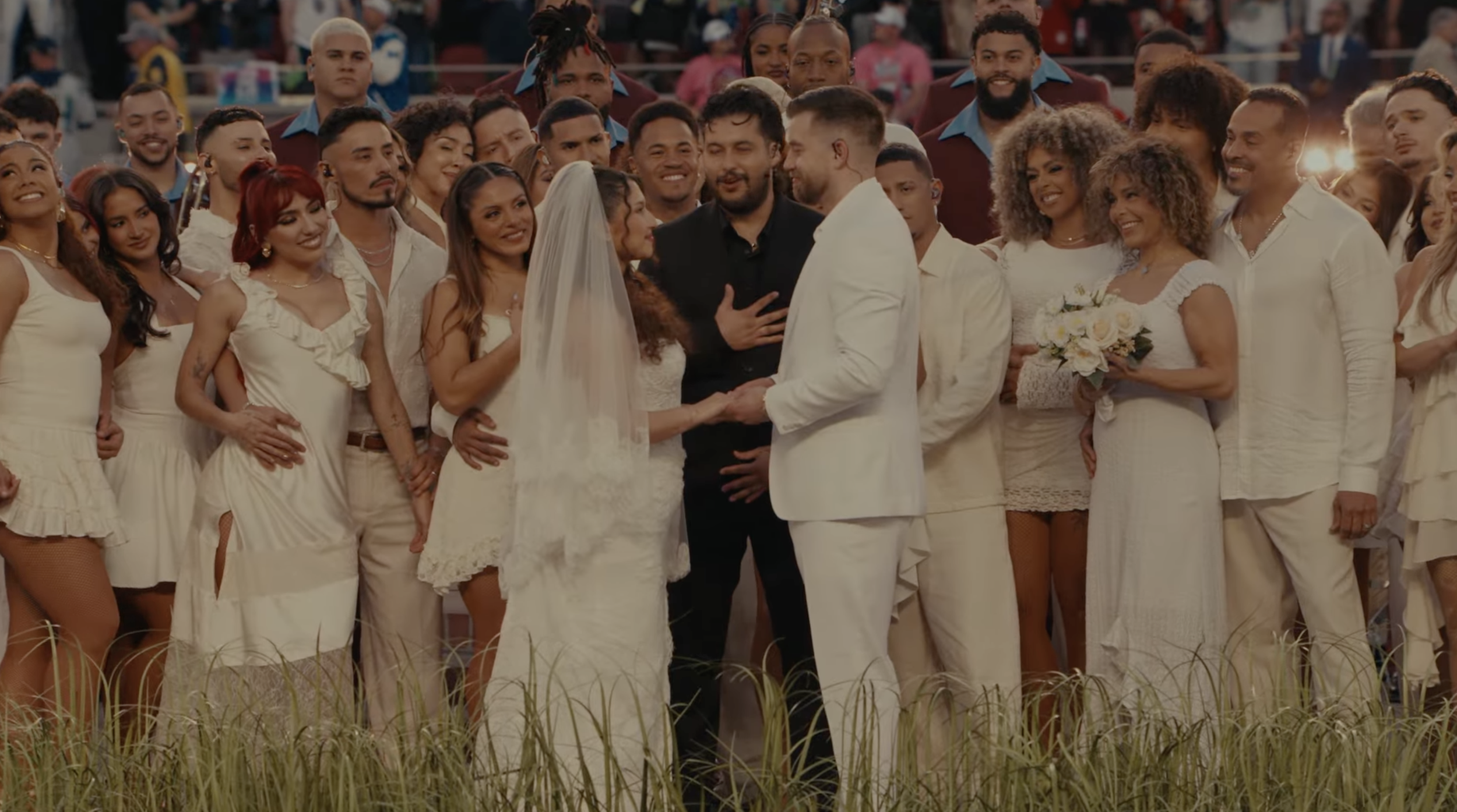
Yes, the wedding during the halftime show was real. In every culture, weddings serve as a celebration of love and community. In Latino and Caribbean cultures specifically, weddings are all-day and night (sometimes multi-day) celebrations that require hours of dancing and good food.
Lady Gaga’s Dress
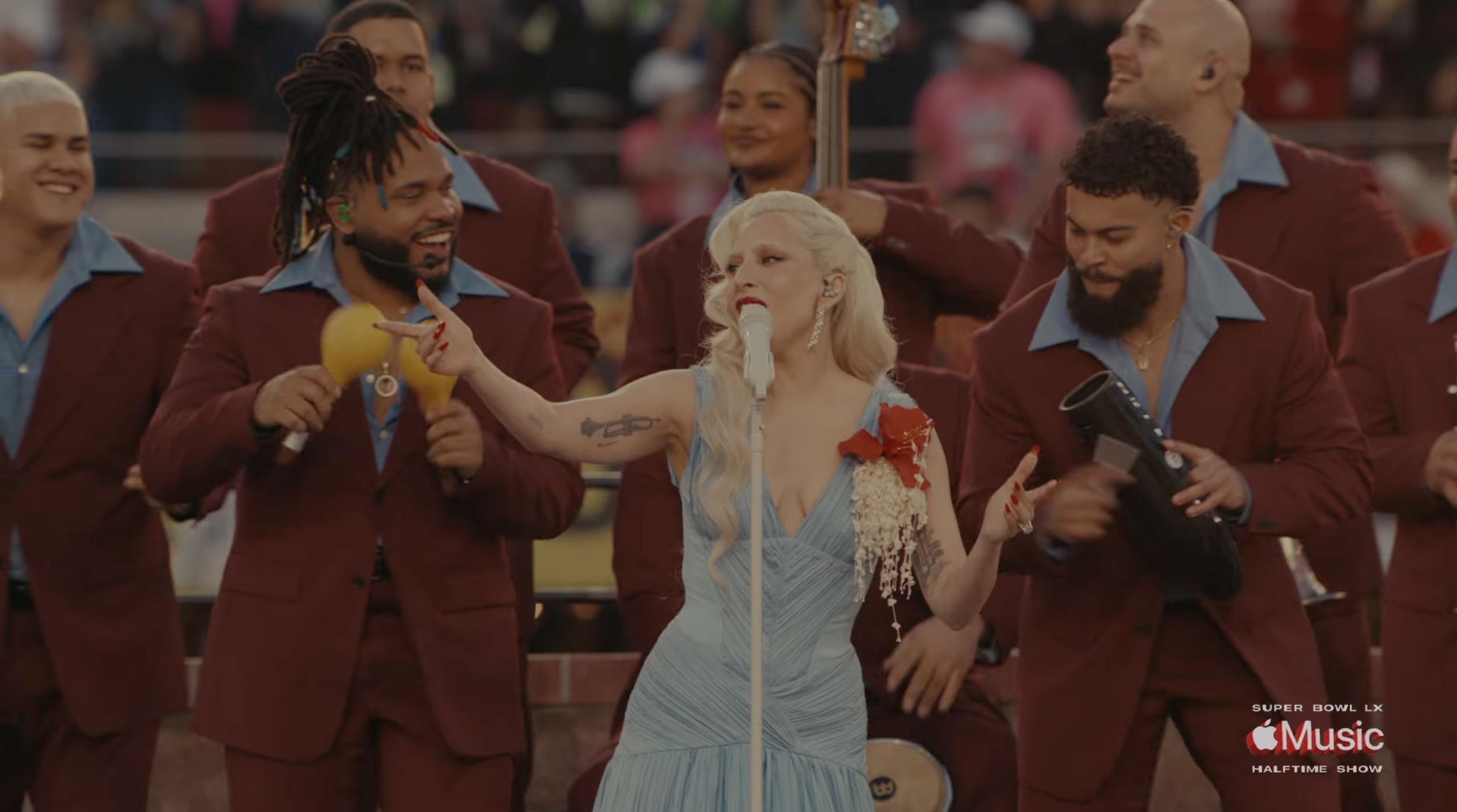
Lady Gaga’s dress, along with the instrumentalists’ suits, represented the colors of the original Puerto Rican flag: red, white, and a light celestial blue in the triangle. In 1952, the light blue triangle was changed to navy blue to align with the U.S. flag, ultimately representing independence to statehood, and colonization.
La Marqueta
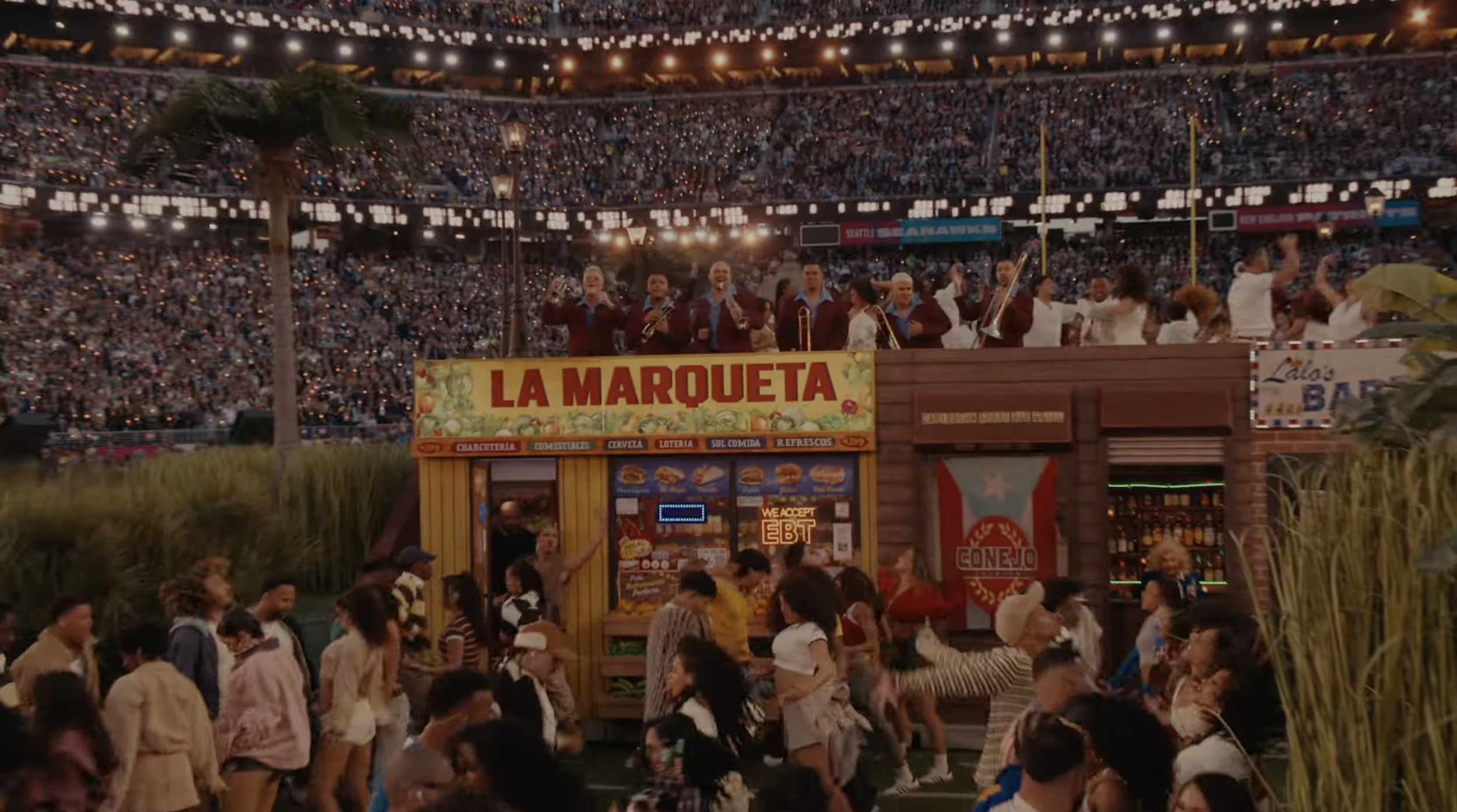
La Marqueta ties the Puerto Rican diaspora on both the island and New York City. It serves as a local business and owners serving the community through food and convenience.
Toñita’s
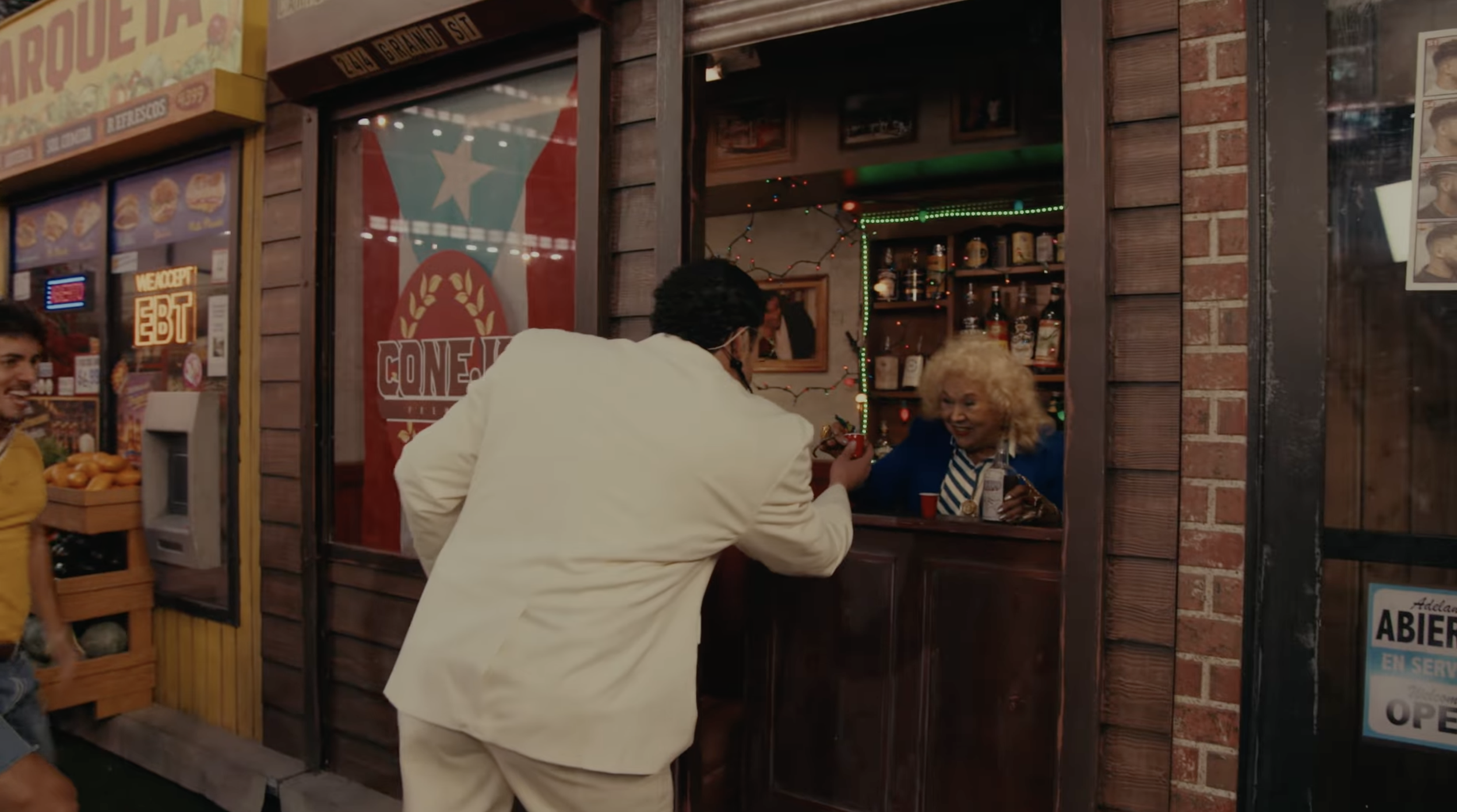
Toñita’s, also known as the Caribbean Social Club, is one of the most iconic bars and gathering spaces in New York City. Located in Williamsburg, Brooklyn, Toñita’s has been packed every day since its opening over 50 years ago (with a Bad Bunny appearance). Toñita herself is such a legacy that she has a block party dedicated to her every June.
The Barbershop
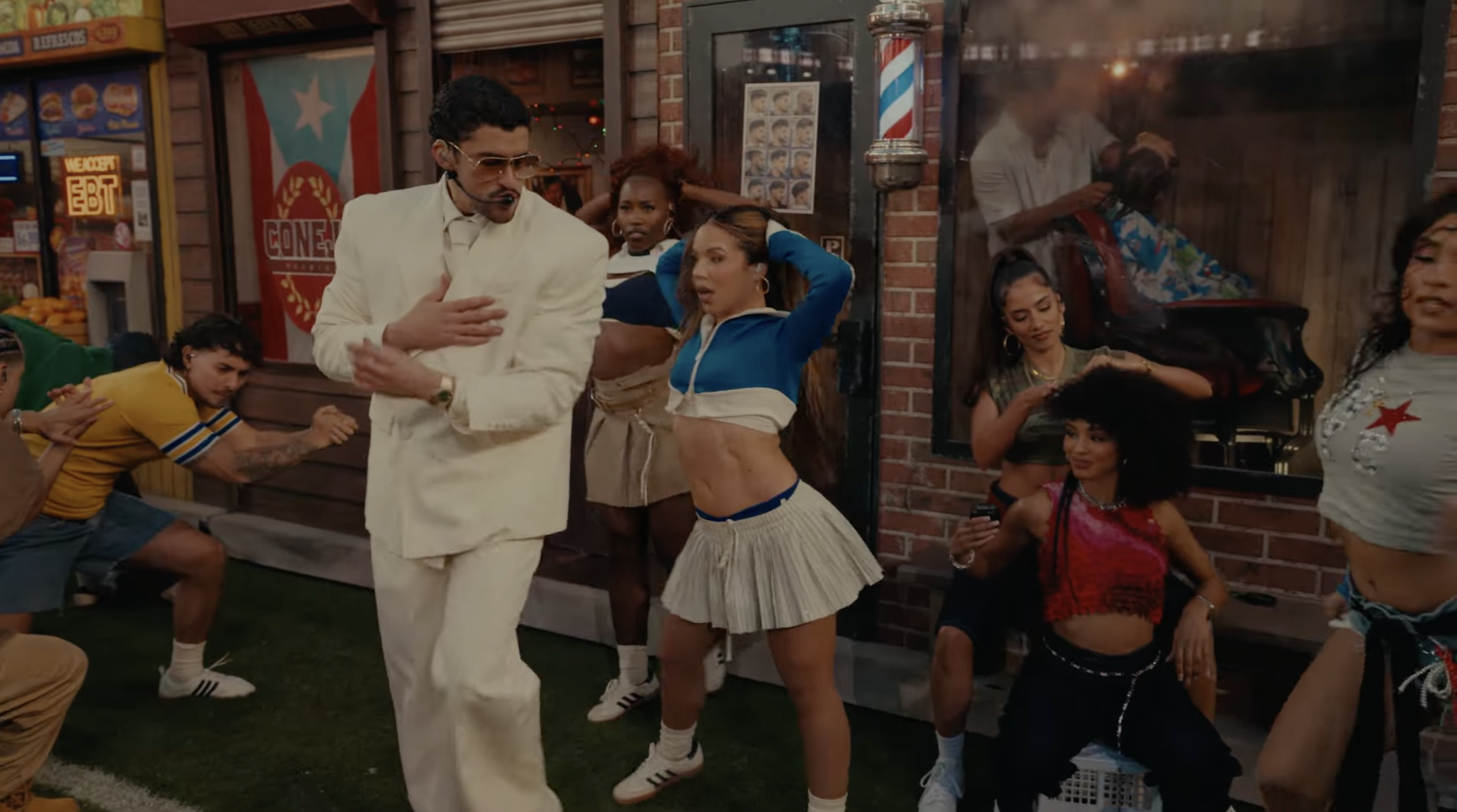
In the Caribbean, barbershops are not just spaces to get your hair done; they are spaces to play games, gather with friends and family, and spend the weekends catching up with those who need a good line-up.
The Grammy Moment in La Sala
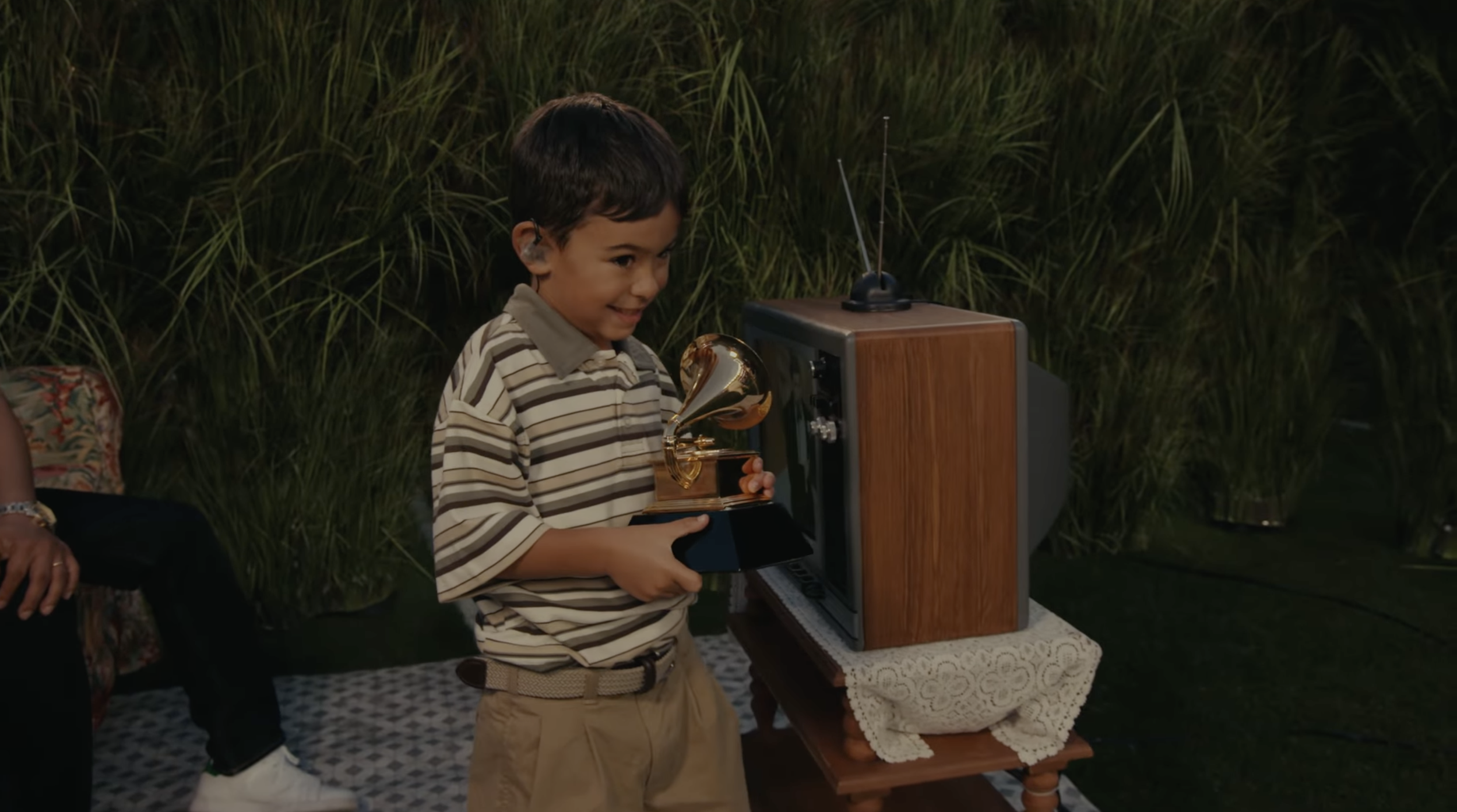
During the holidays and special occasions, families dress up and gather in la sala (the living room). Bad Bunny handed his recent Grammy to his childhood self while sitting in la sala with his family.
El Apagón
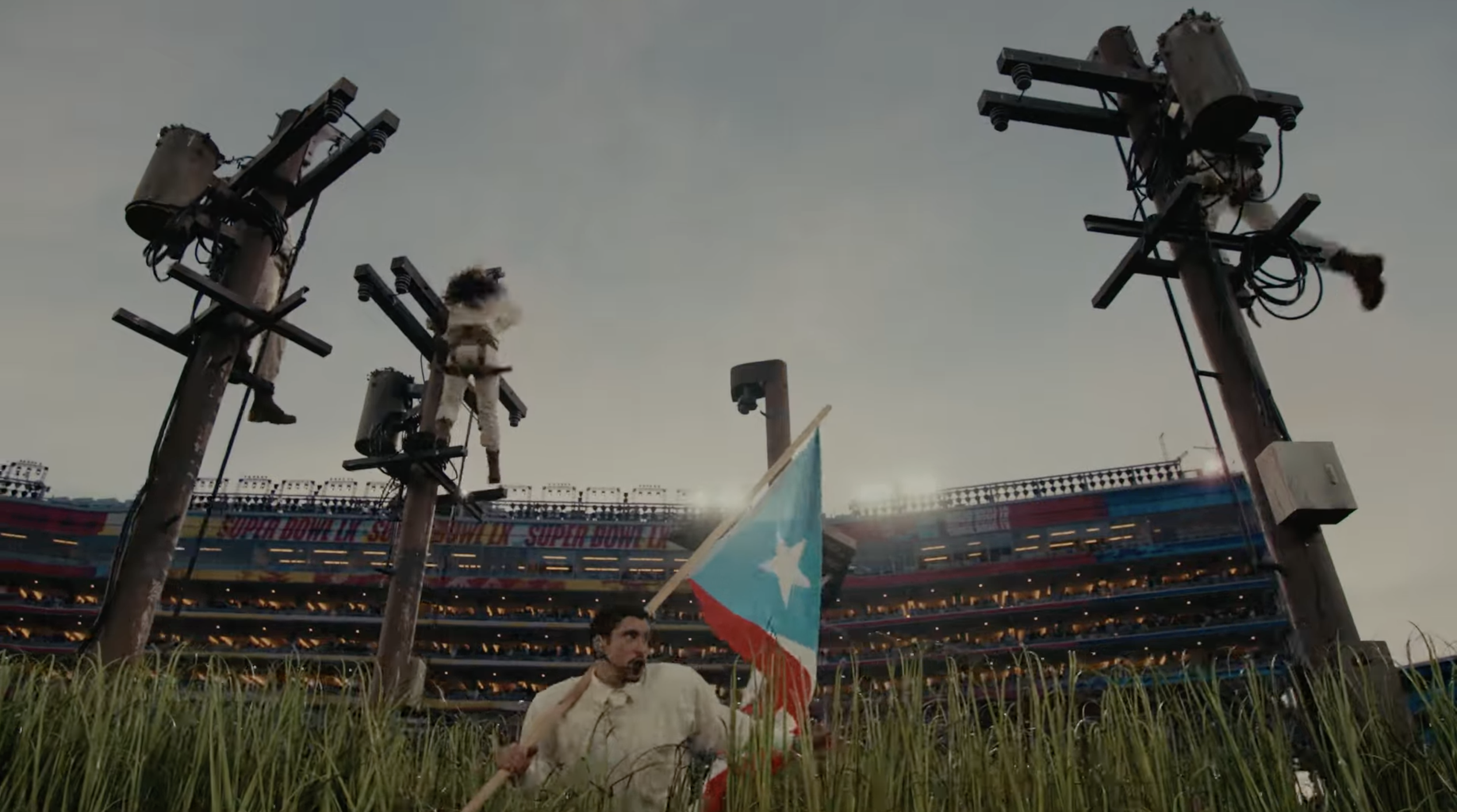
For decades, the U.S. has failed to provide Puerto Rico with a reliable electrical grid that is not durable enough to withstand storms and hurricanes. After Hurricane Maria, Puerto Rico faced a prolonged blackout (el apagón) and a lack of essential resources and housing because of the U.S. government’s low efforts to reconstruct damaged areas.
La Pava
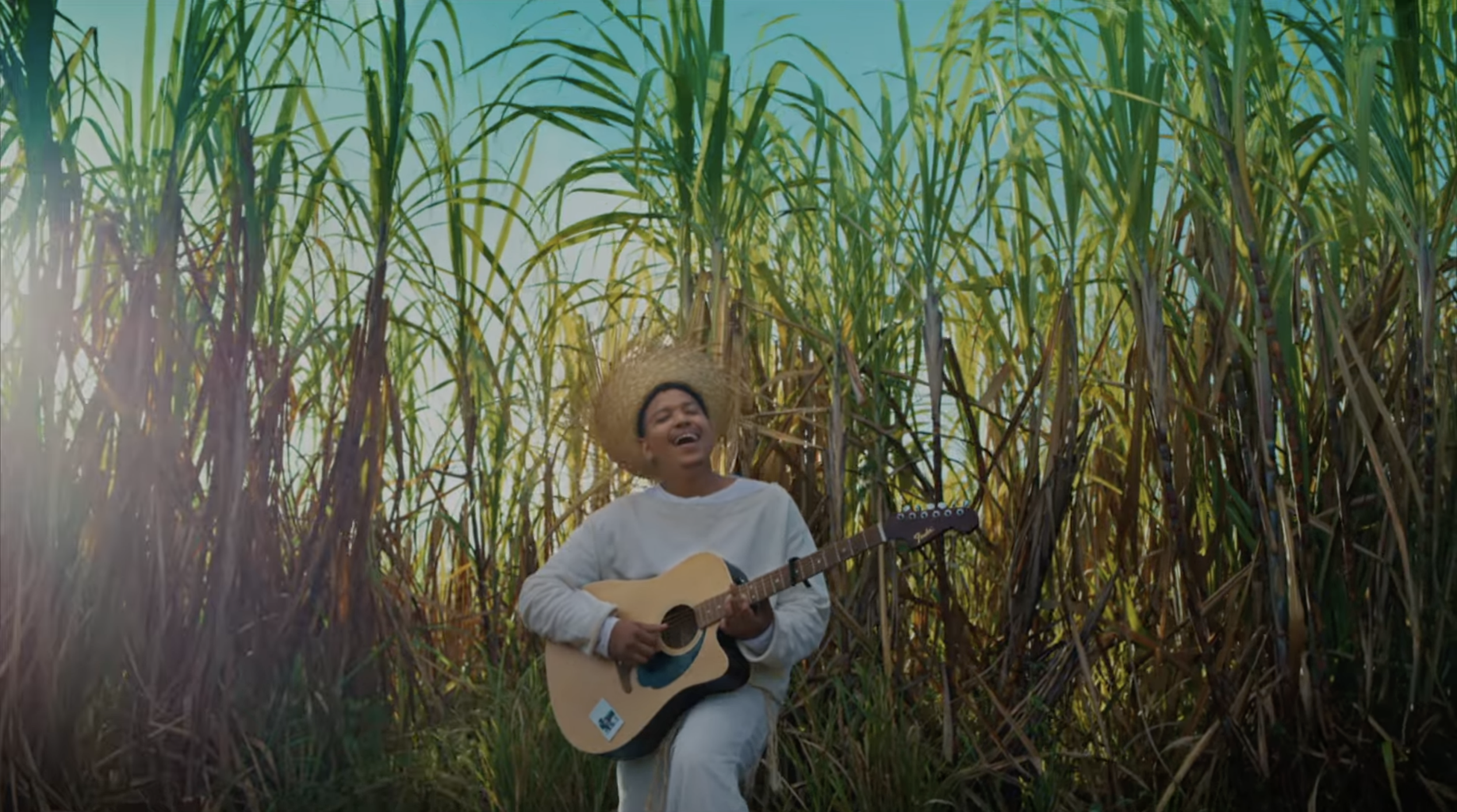
La pava is a wide-brimmed straw hat that was often worn by Jíbaro rural workers. The hat represents the pride and appreciation of the working class.
Plastic Chairs
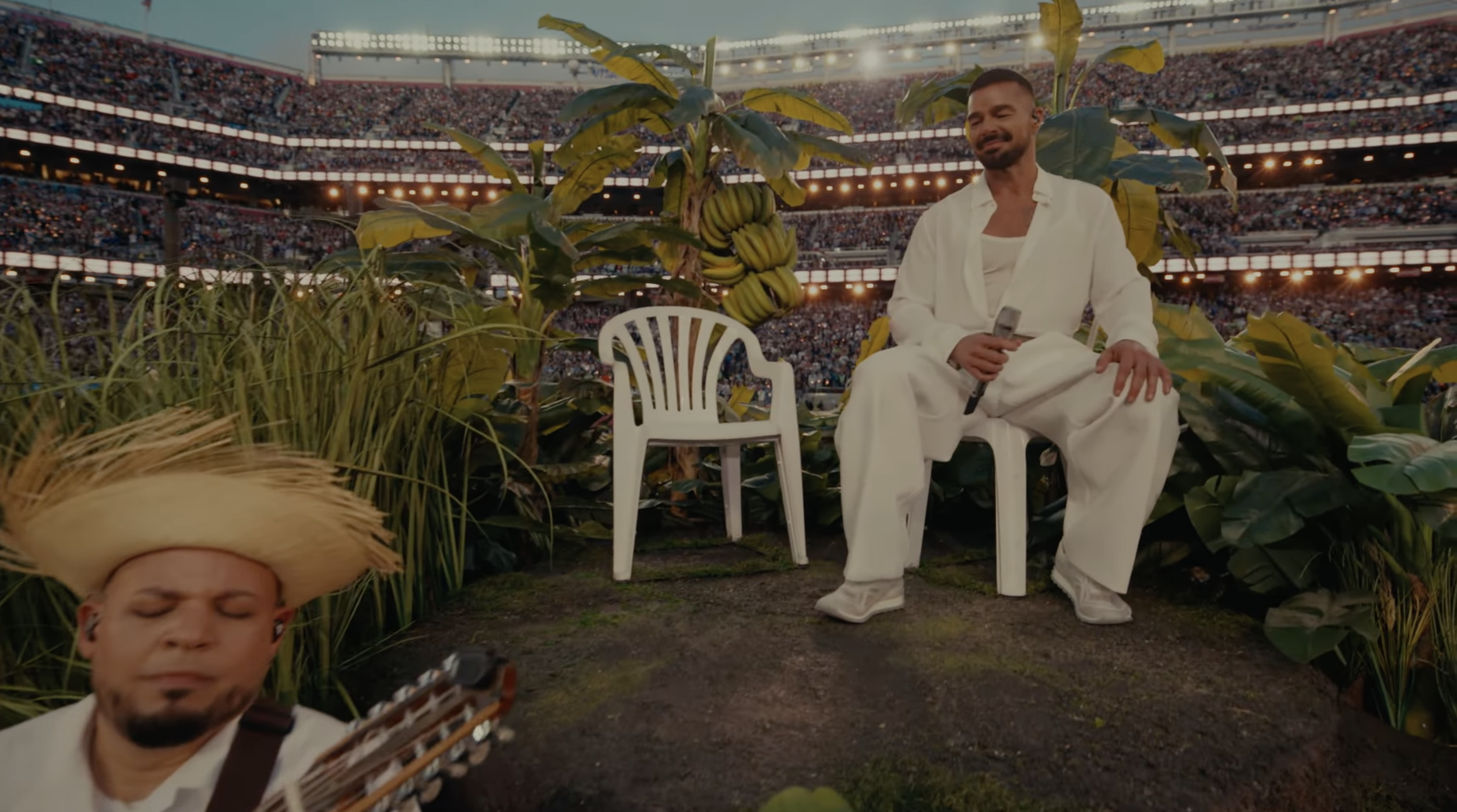
Plastic chairs are a symbol of outdoor gatherings in Latino and Caribbean cultures. These chairs hold much cultural significance, including playing games, sitting outside day and night with friends and family, and even sleeping on them as a kid while you waited for your family to finish partying.