1202 MAGAZINE’s NYFW Fall/Winter ‘26 Wrap-Up
We featured recaps of Christian Cowan, Jasper, L’Enchanteur, Private Policy, Tabbe Designs, and Veejay Floresca.
Another chilly New Fashion Week season down! Check out all of 1202 MAGAZINE’s Fall/Winter ‘26 coverage of notable shows and trailblazing designers. We featured recaps of Christian Cowan, Jasper, L’Enchanteur, Private Policy, Tabbe Designs, and Veejay Floresca. Let’s take a look back at the shows below!
Written by Annmarie Gajdos and Joana Meurkens.
Christian Cowan
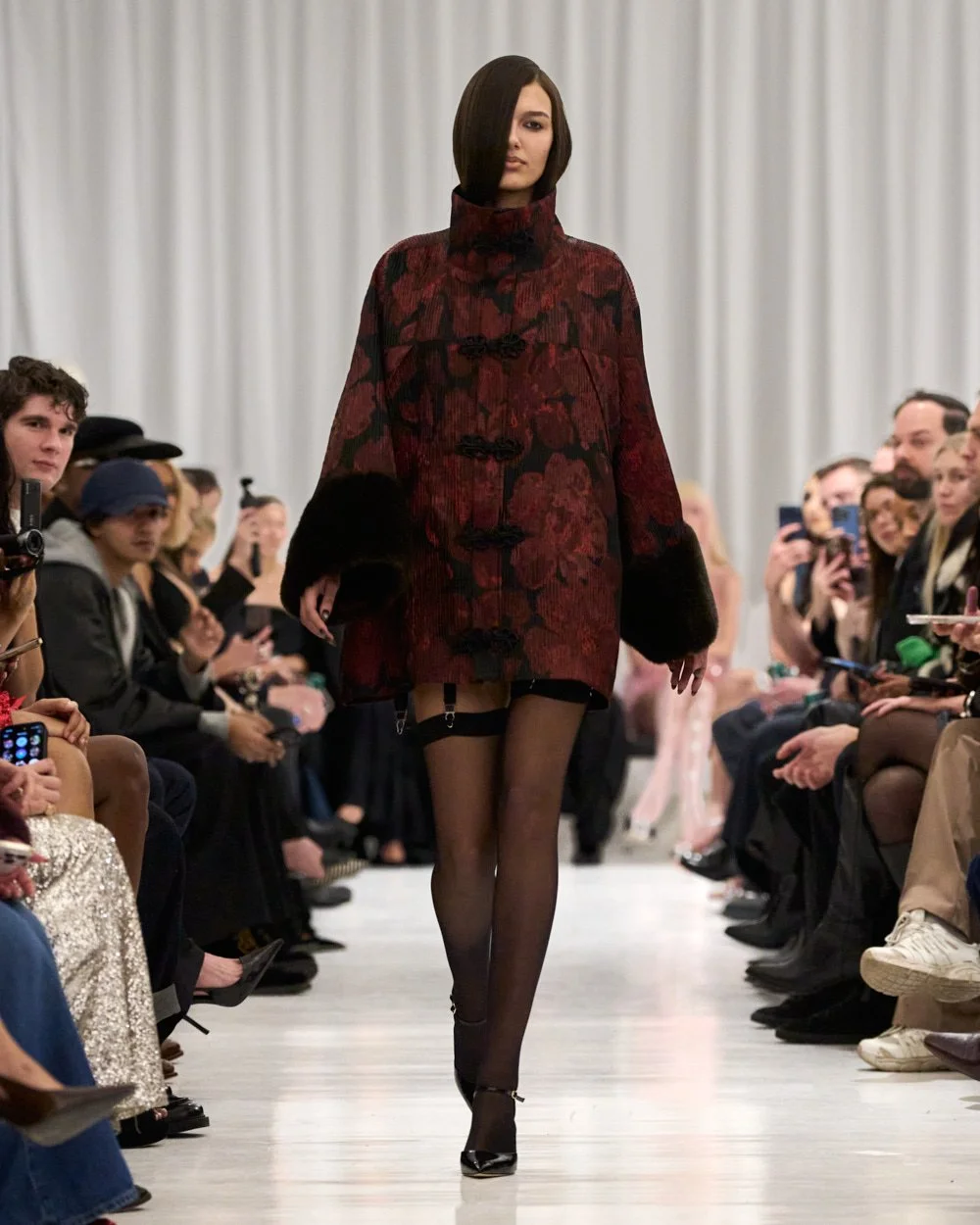
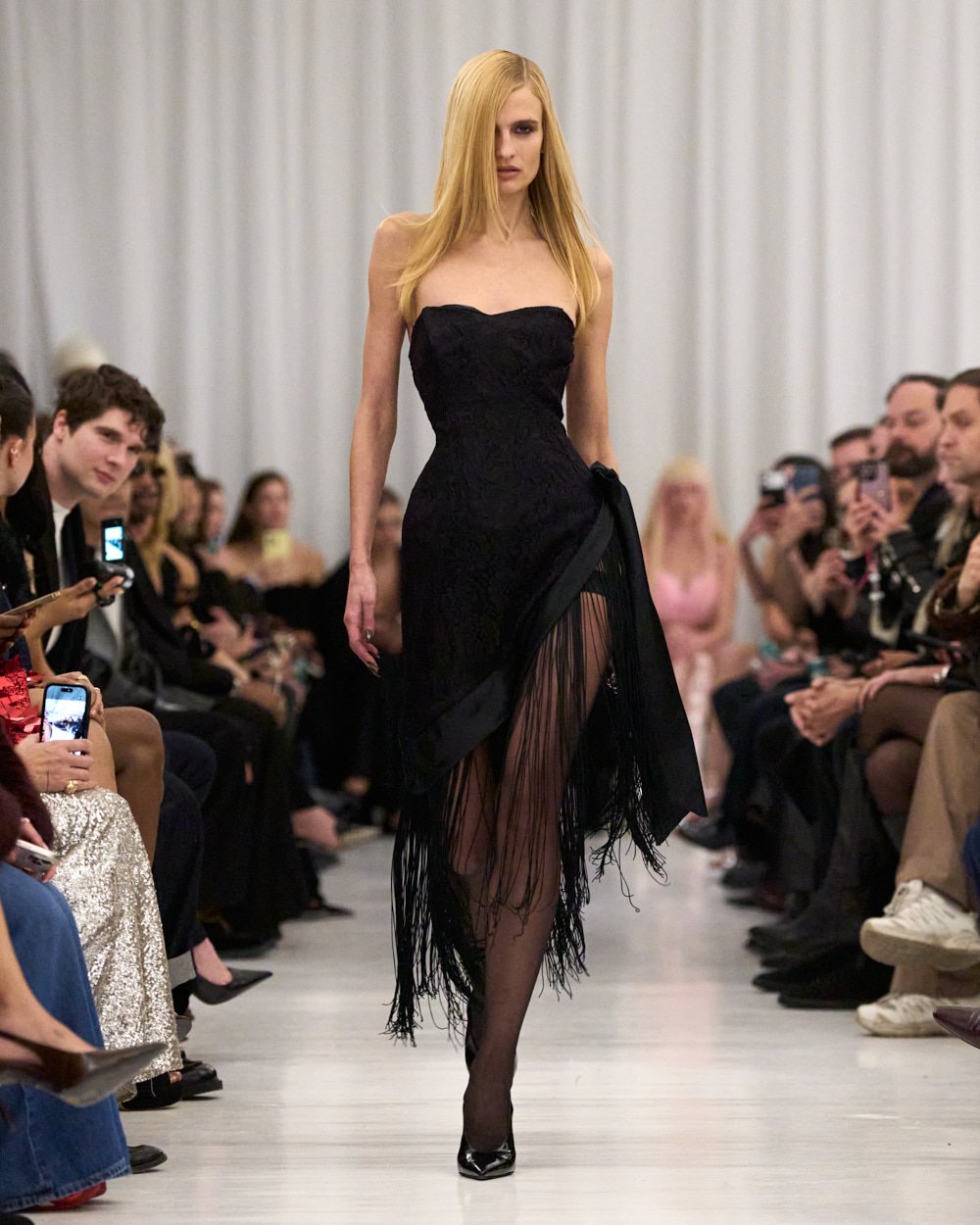
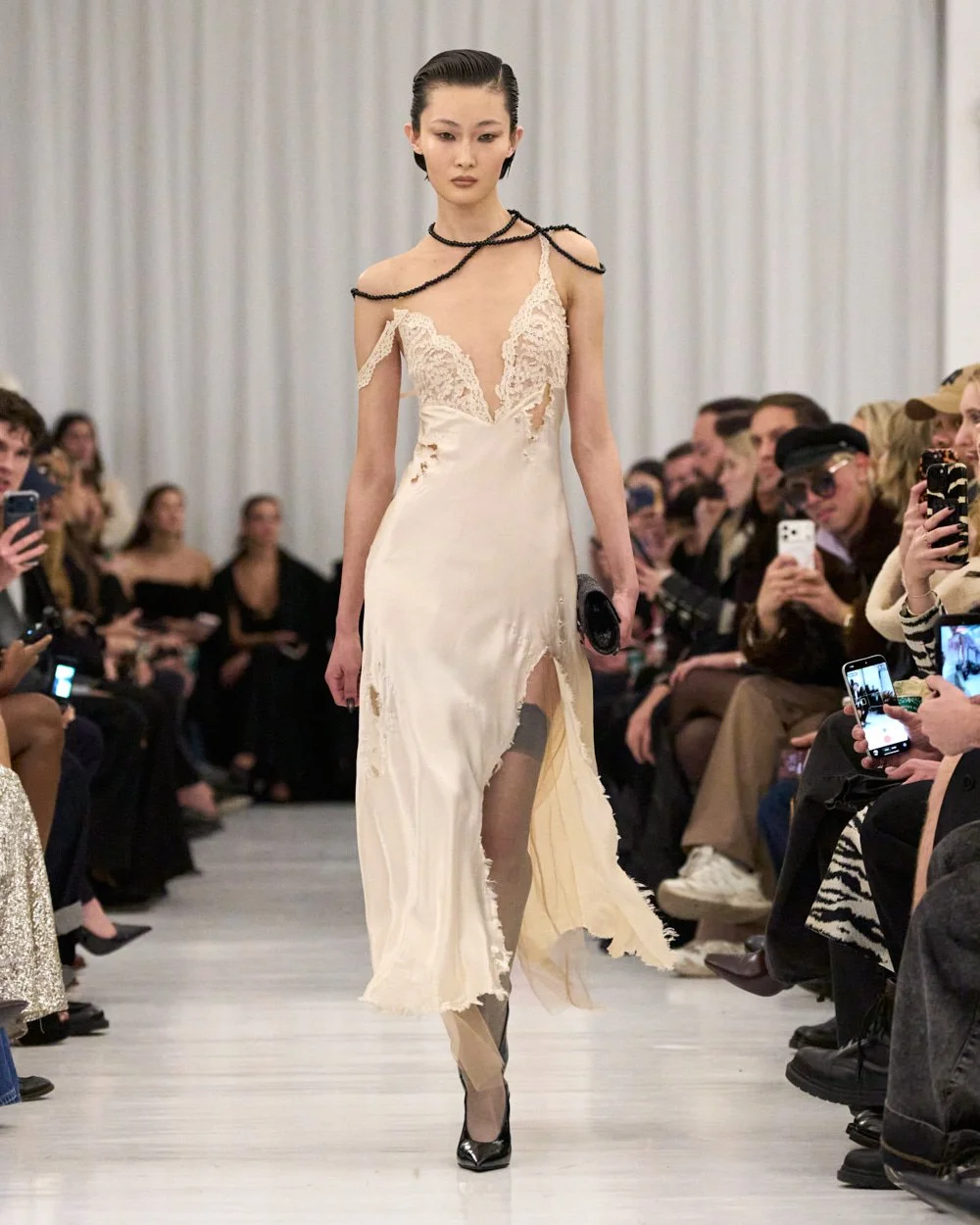
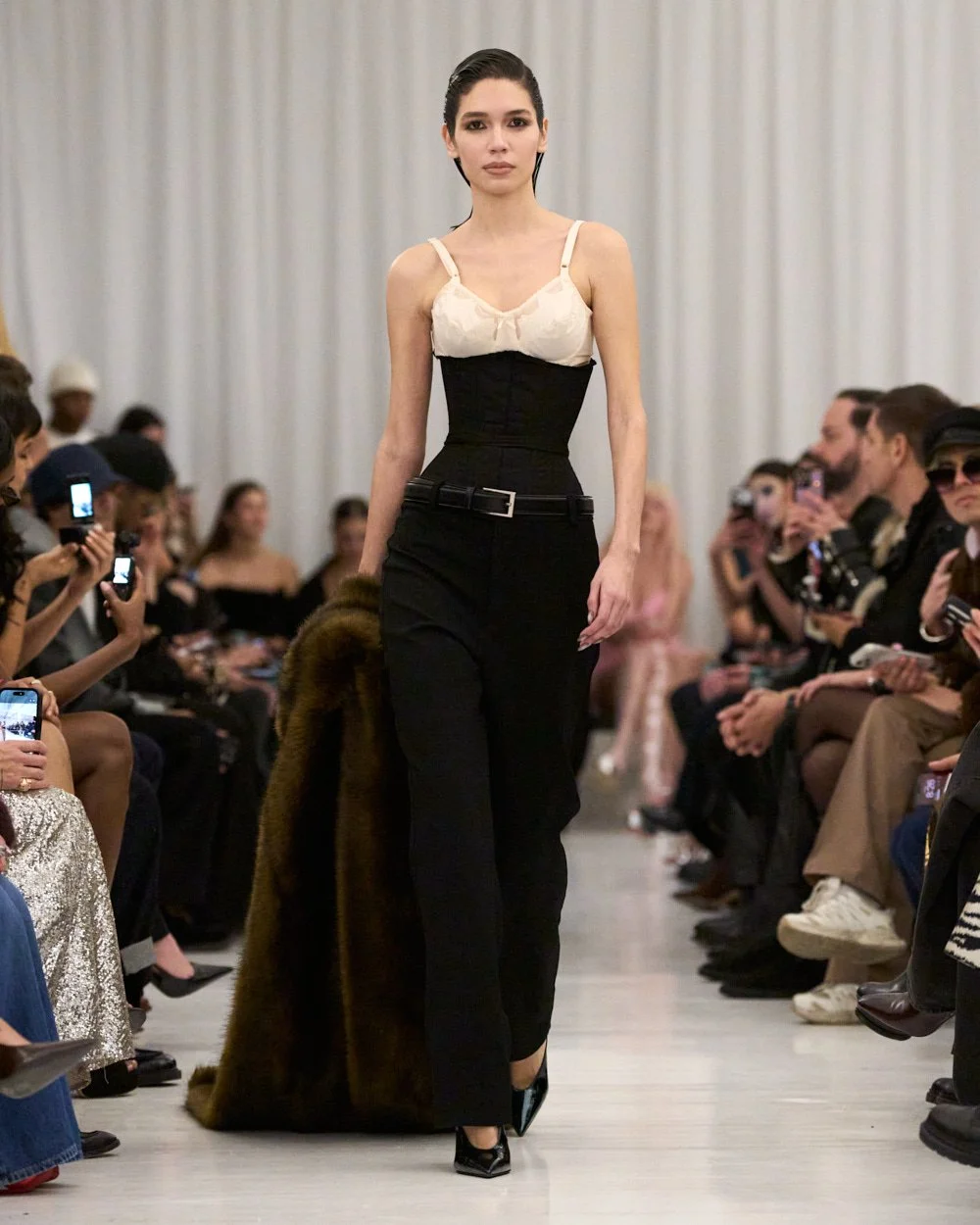
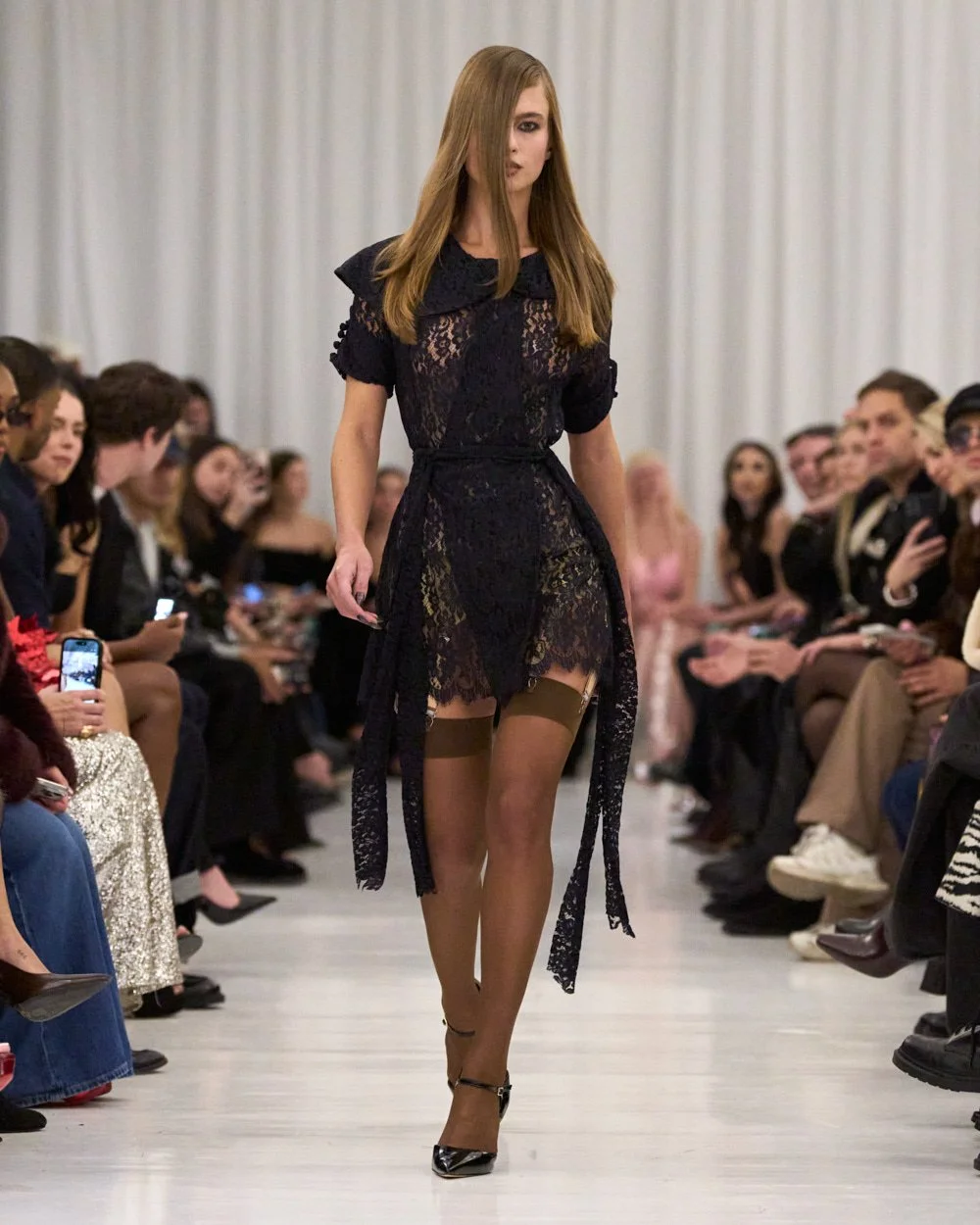
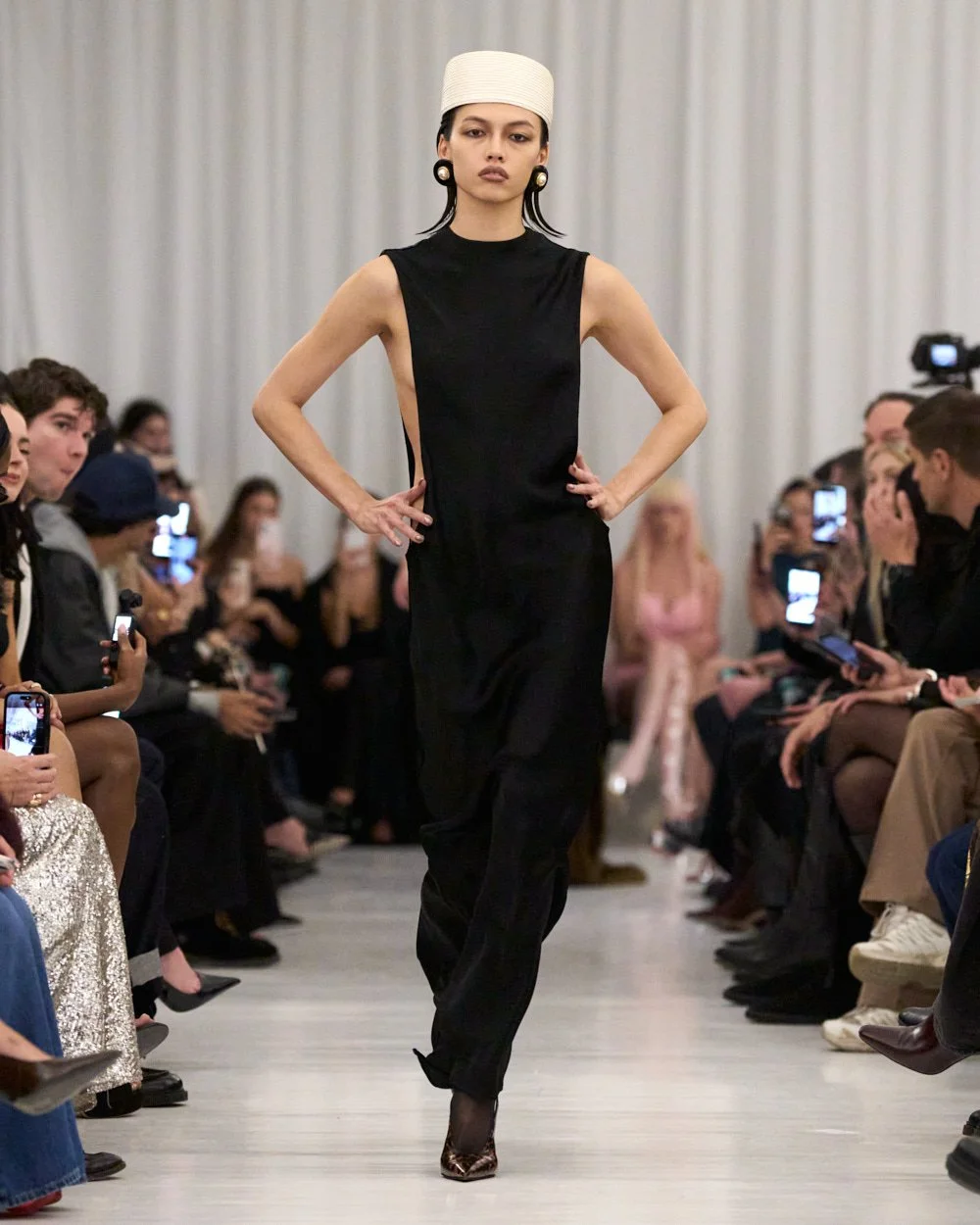
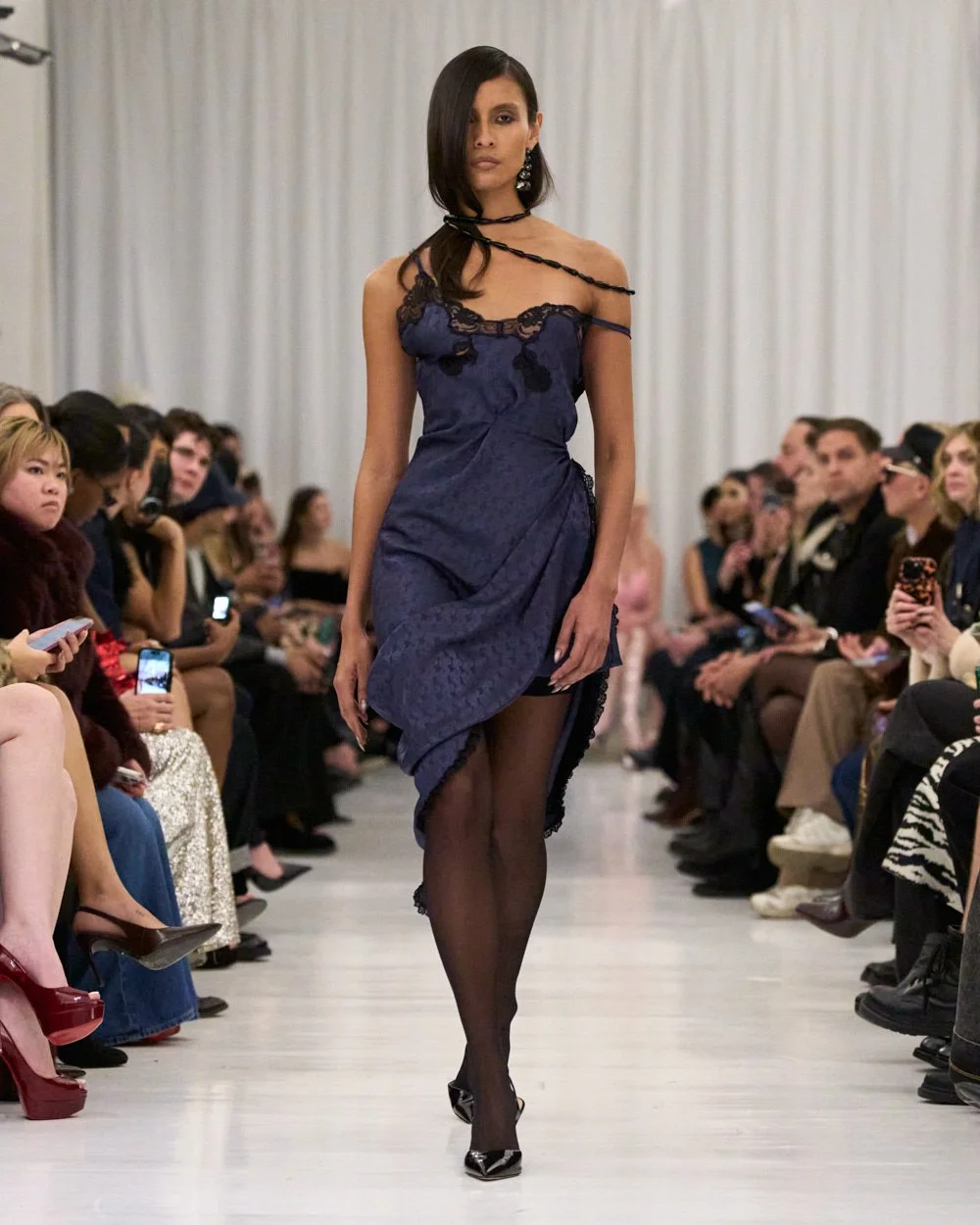
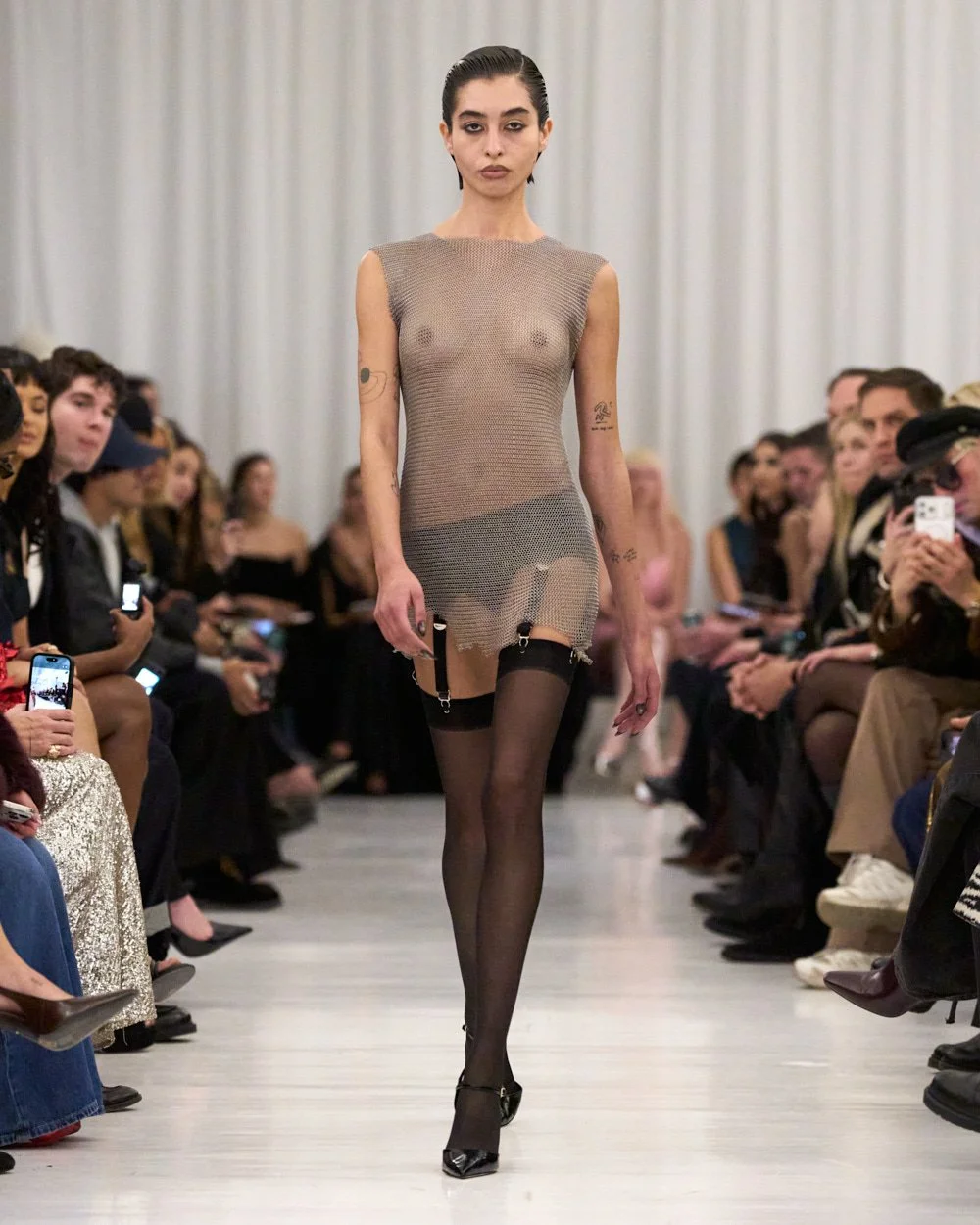
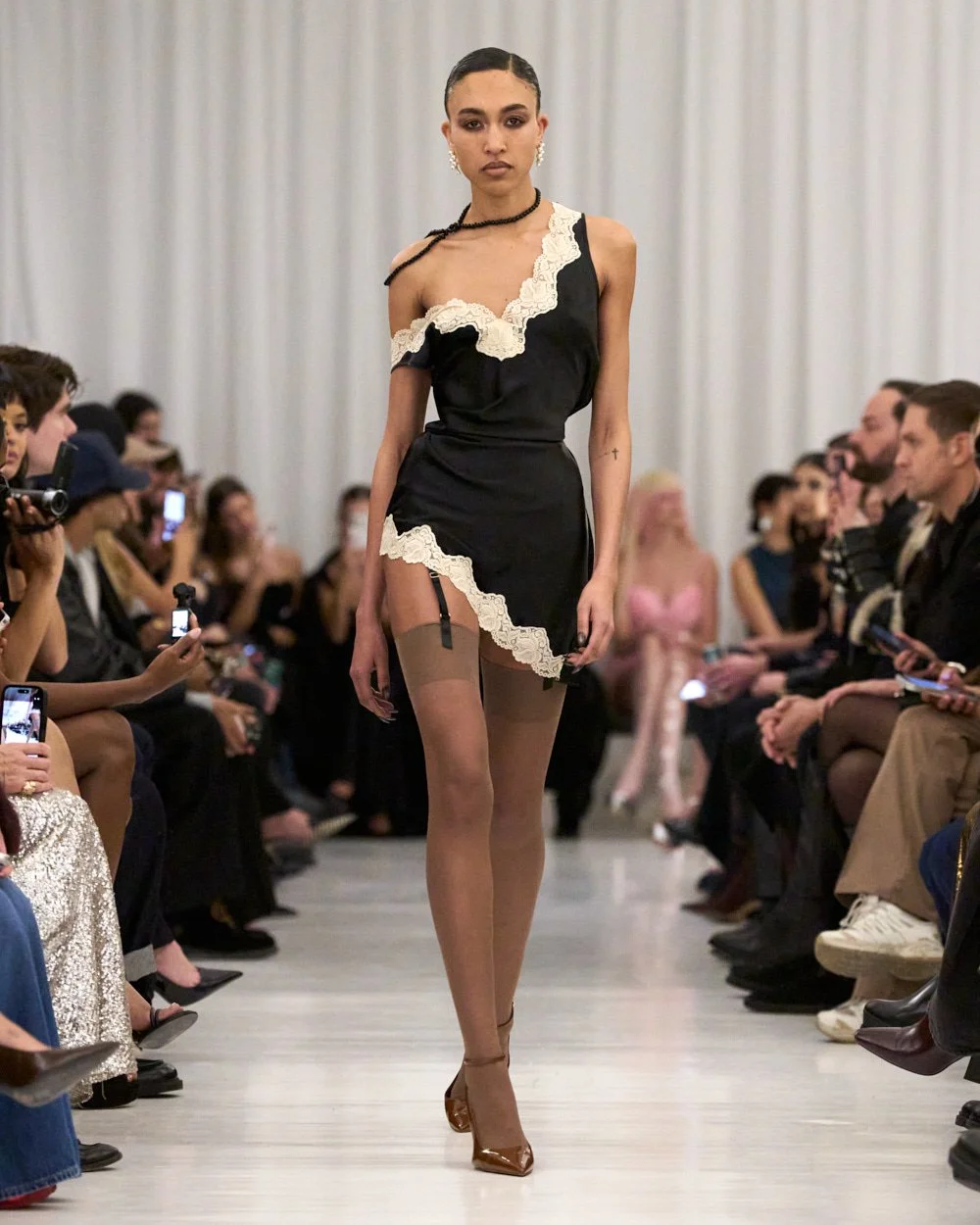
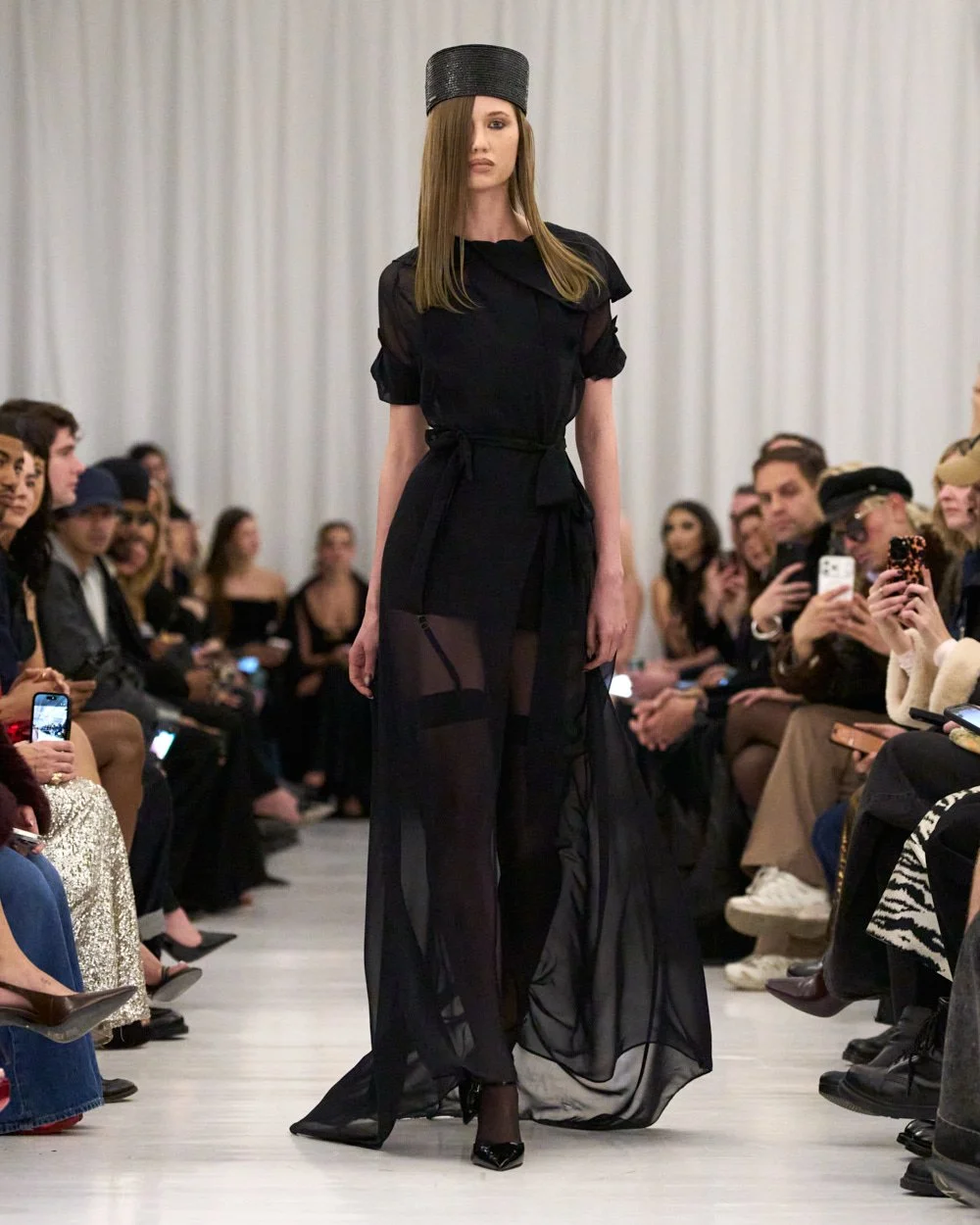
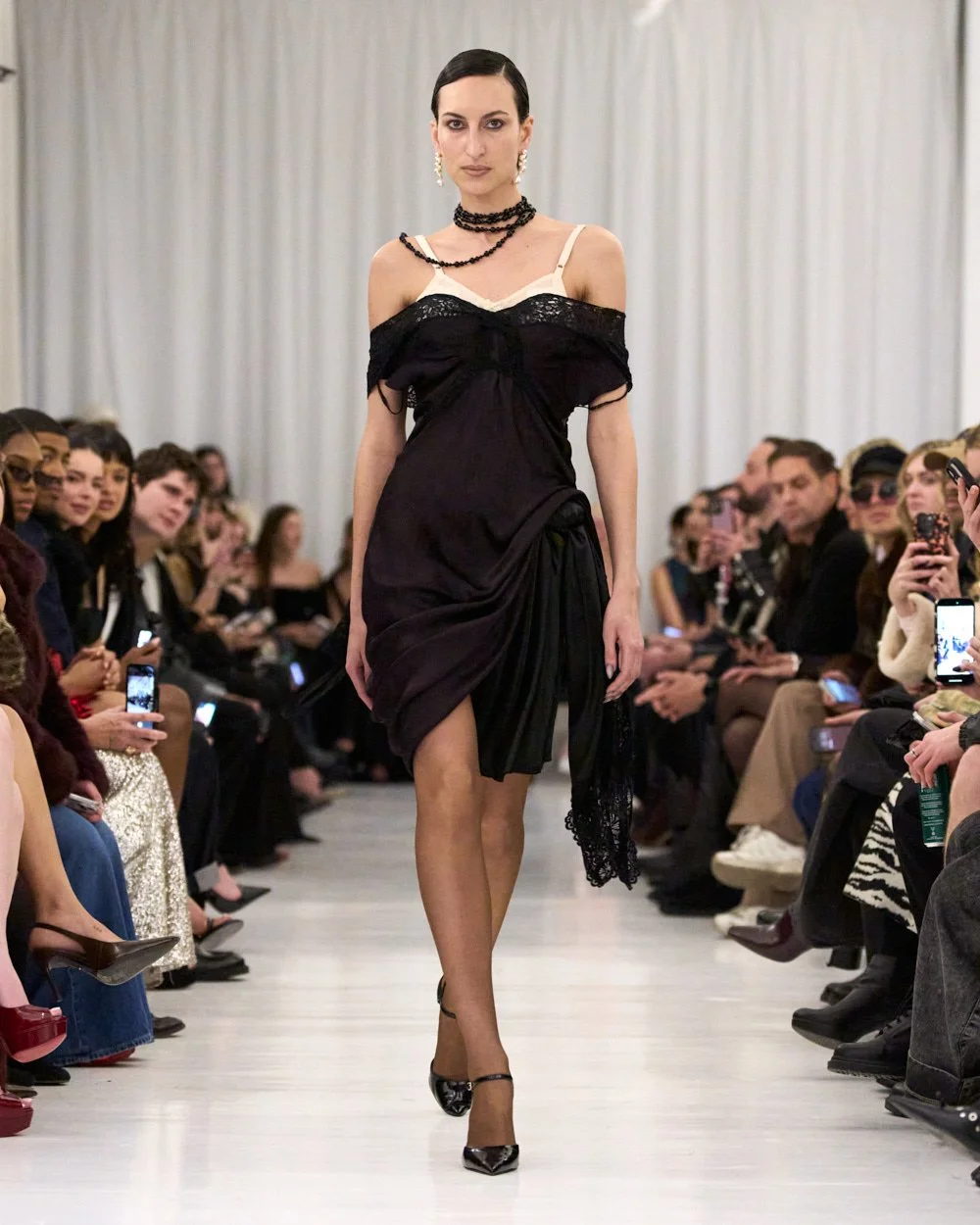
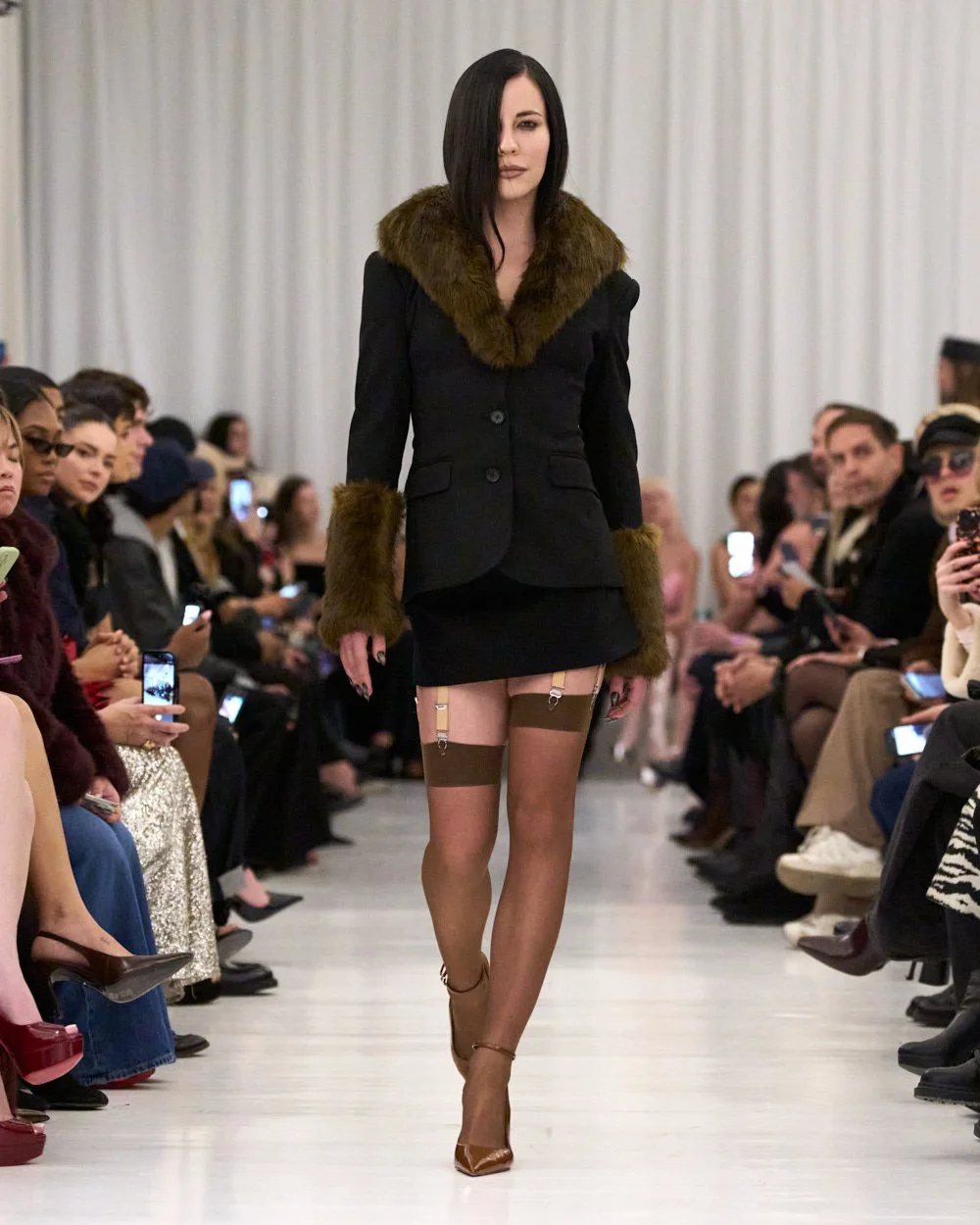
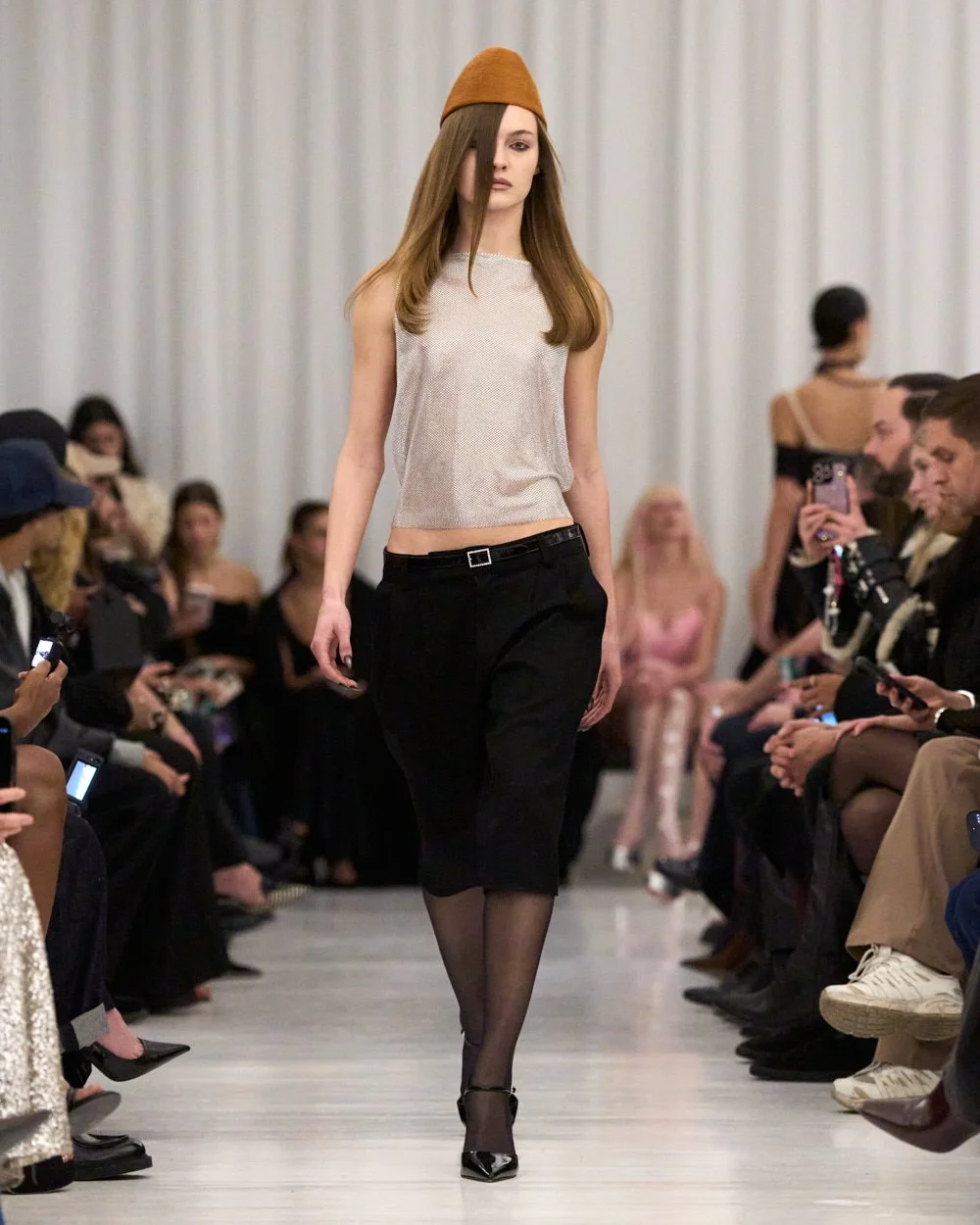
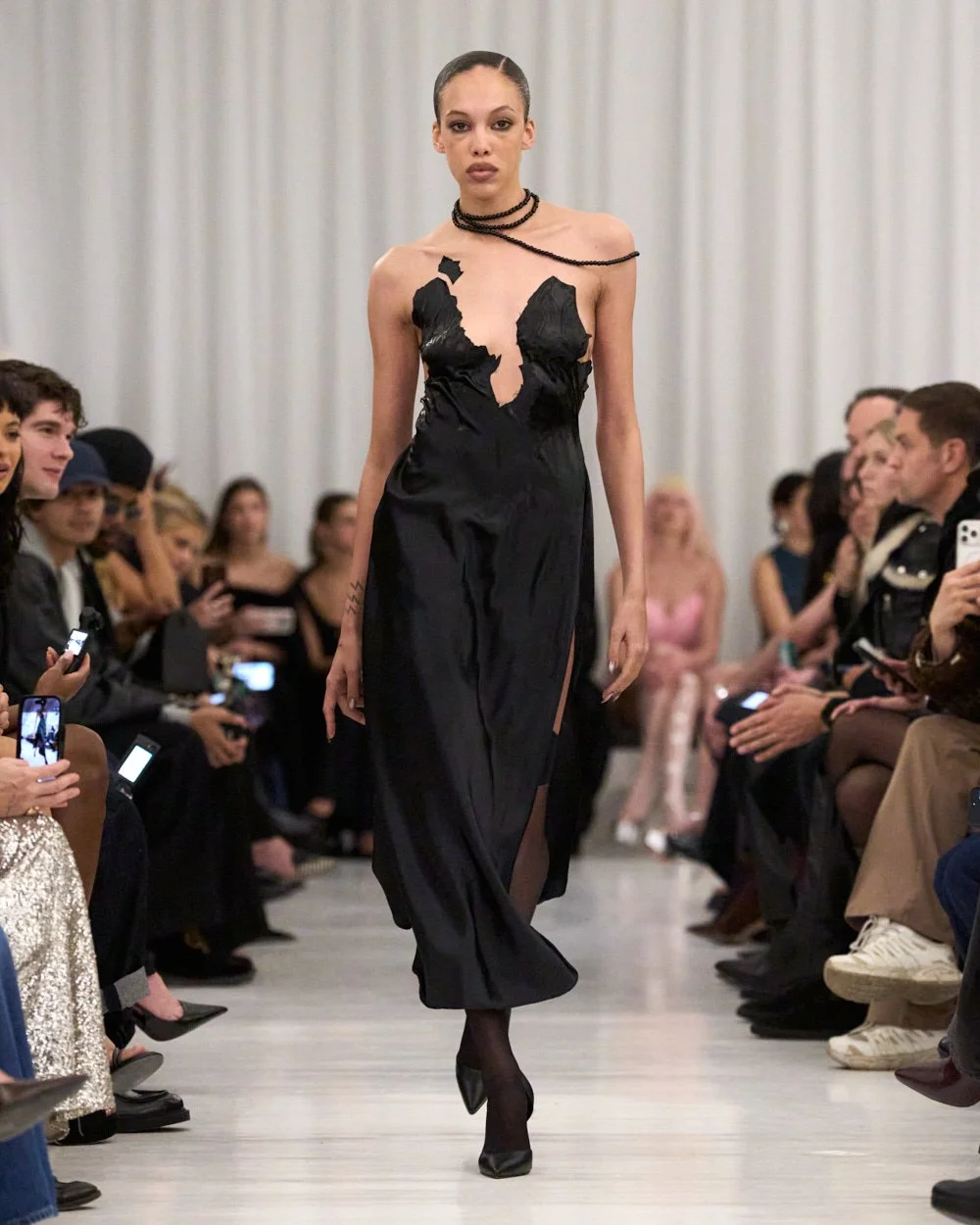
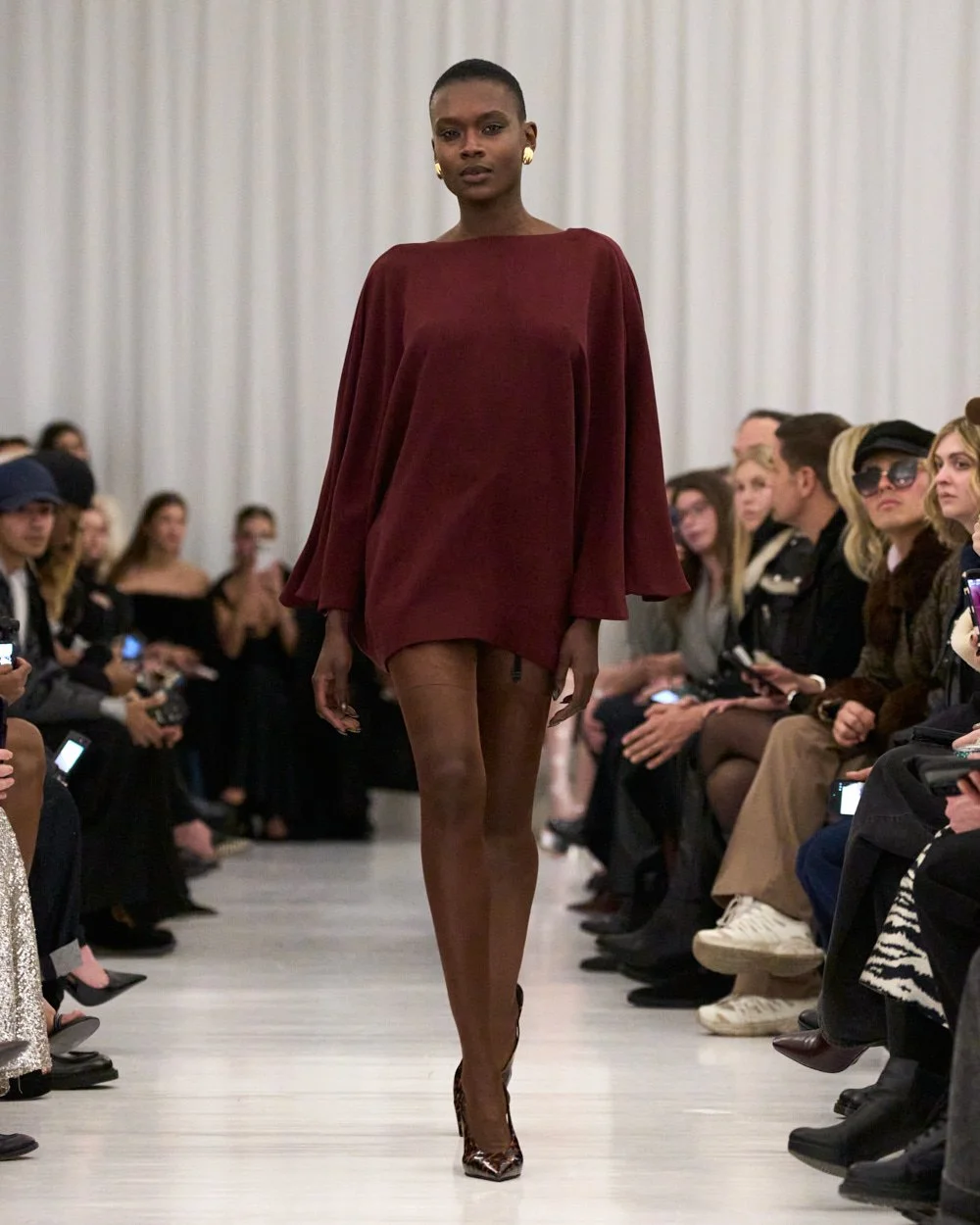
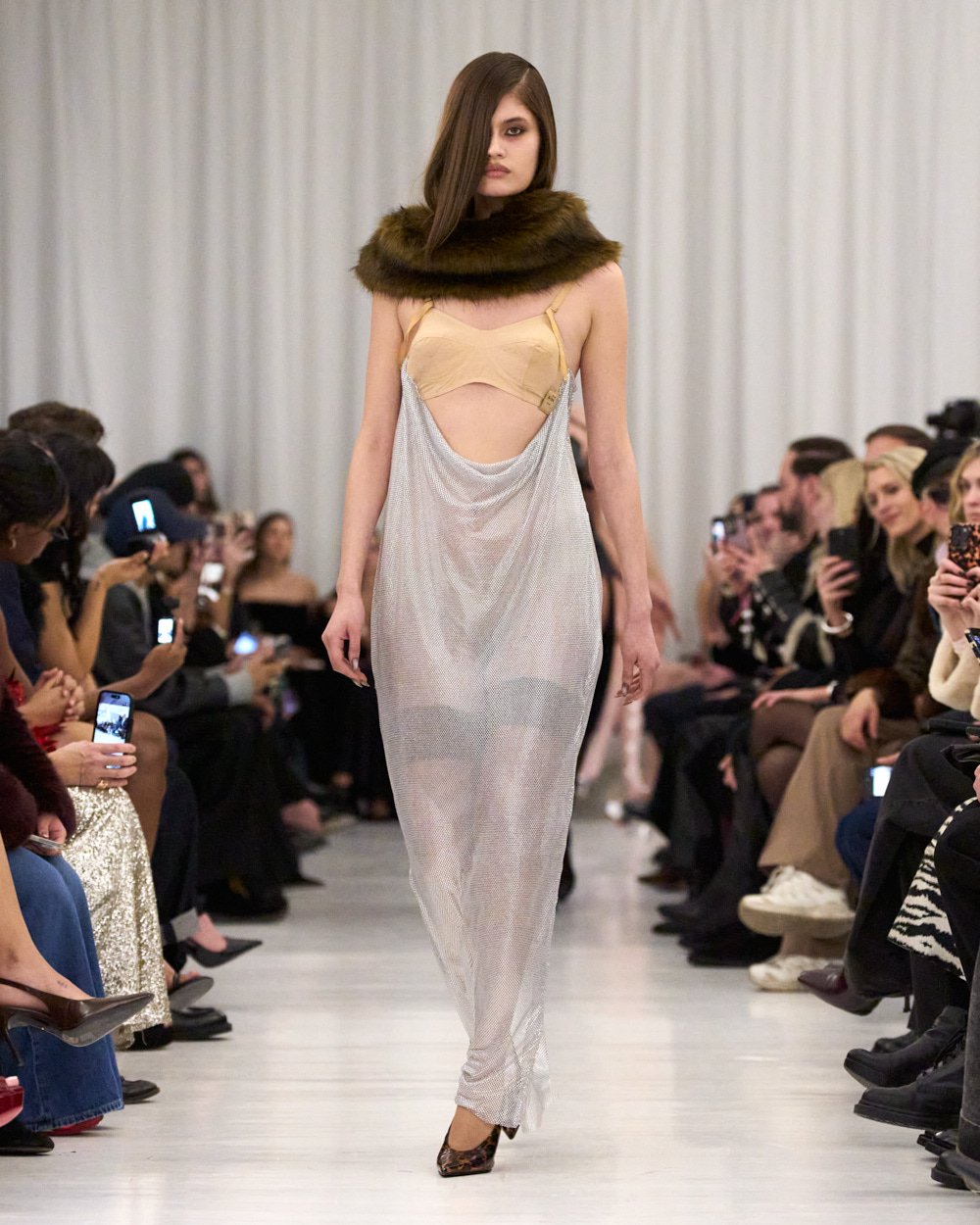
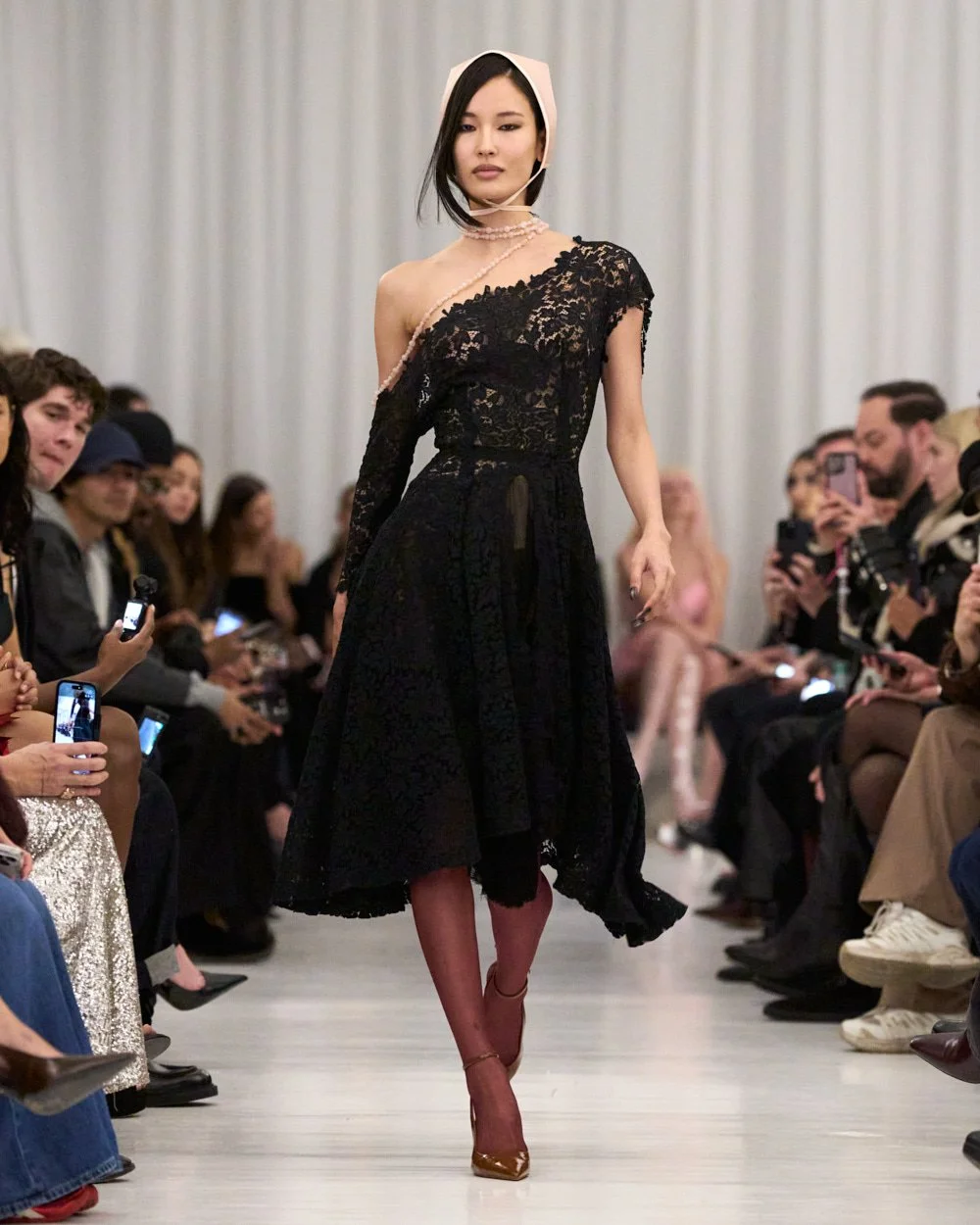
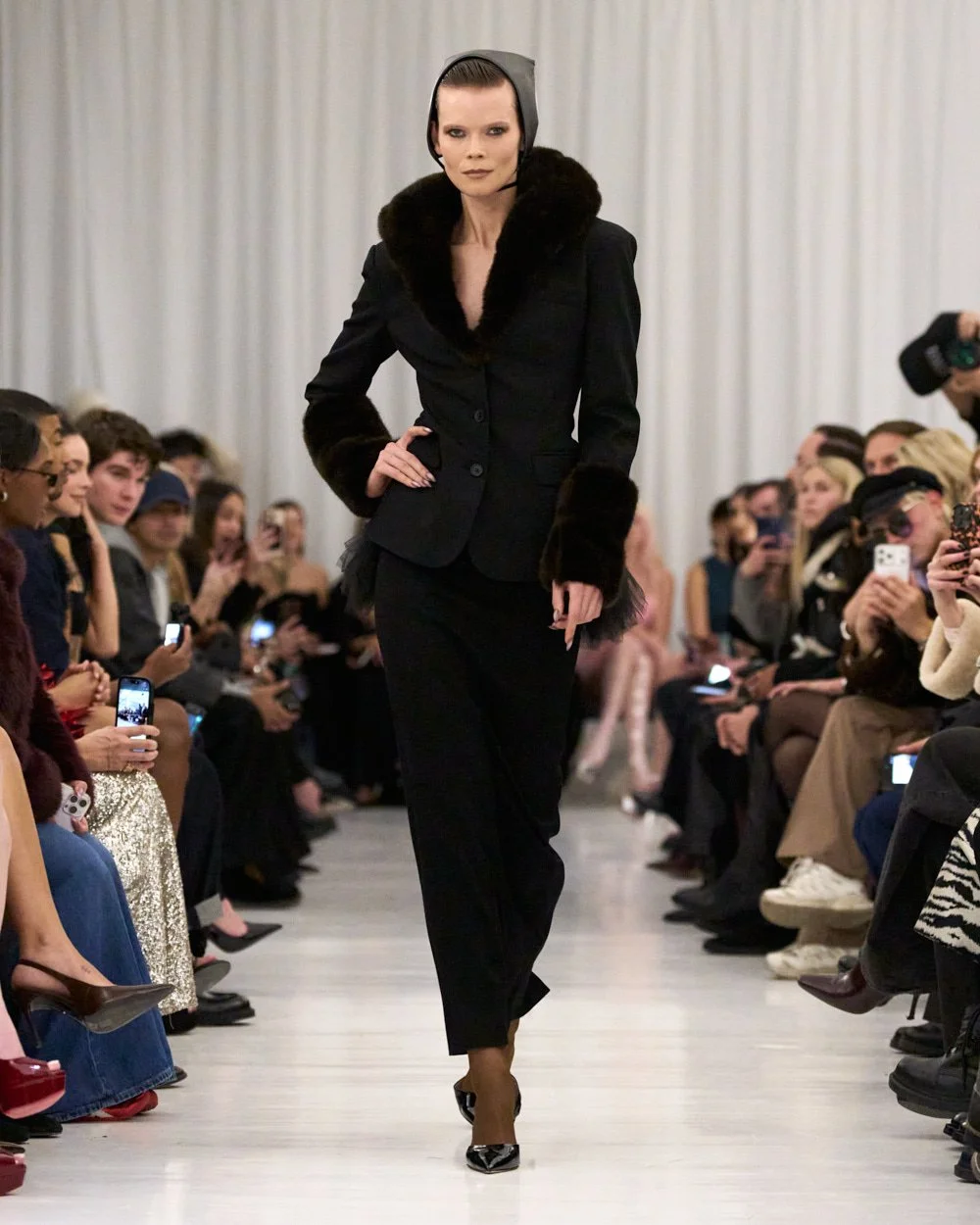
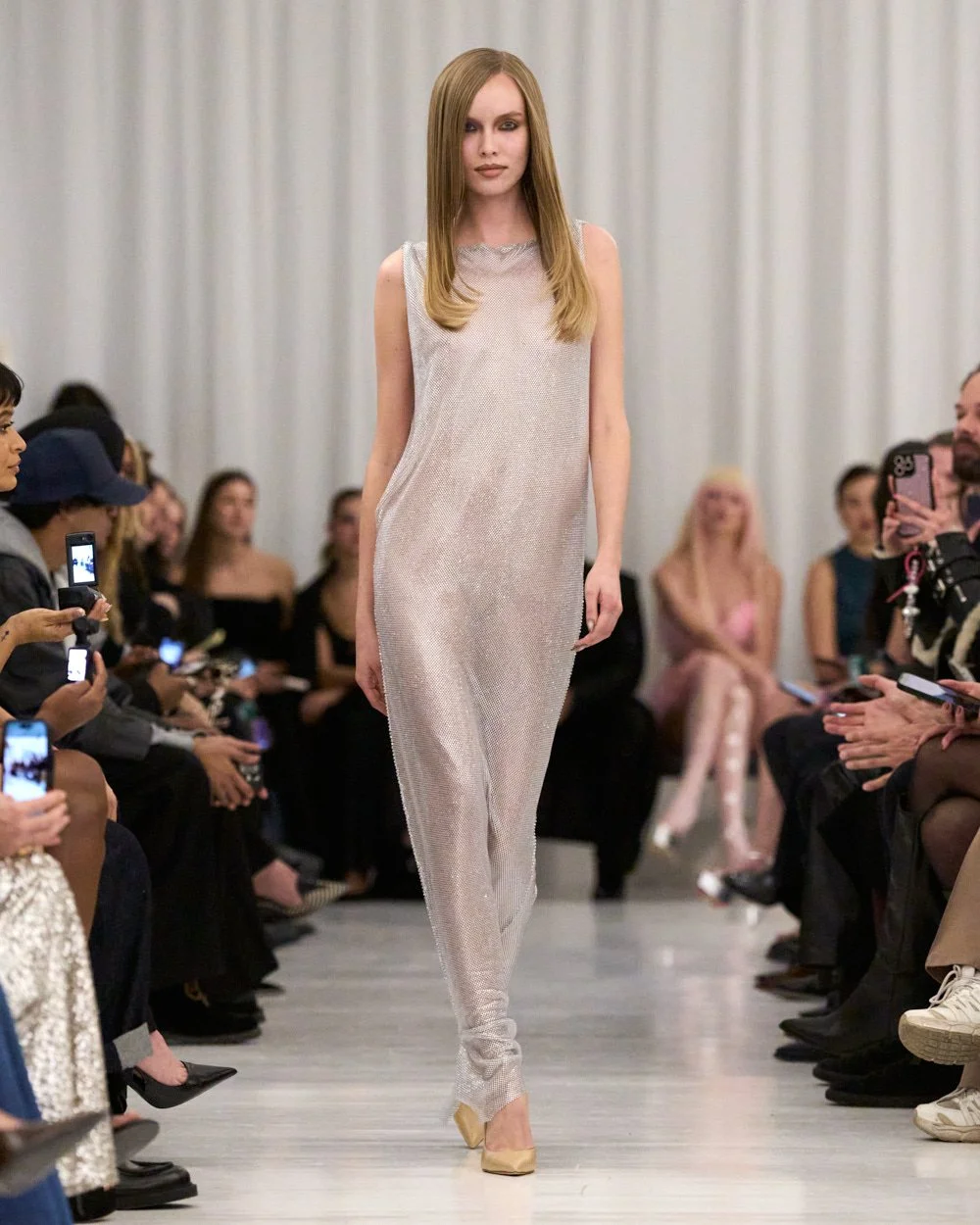
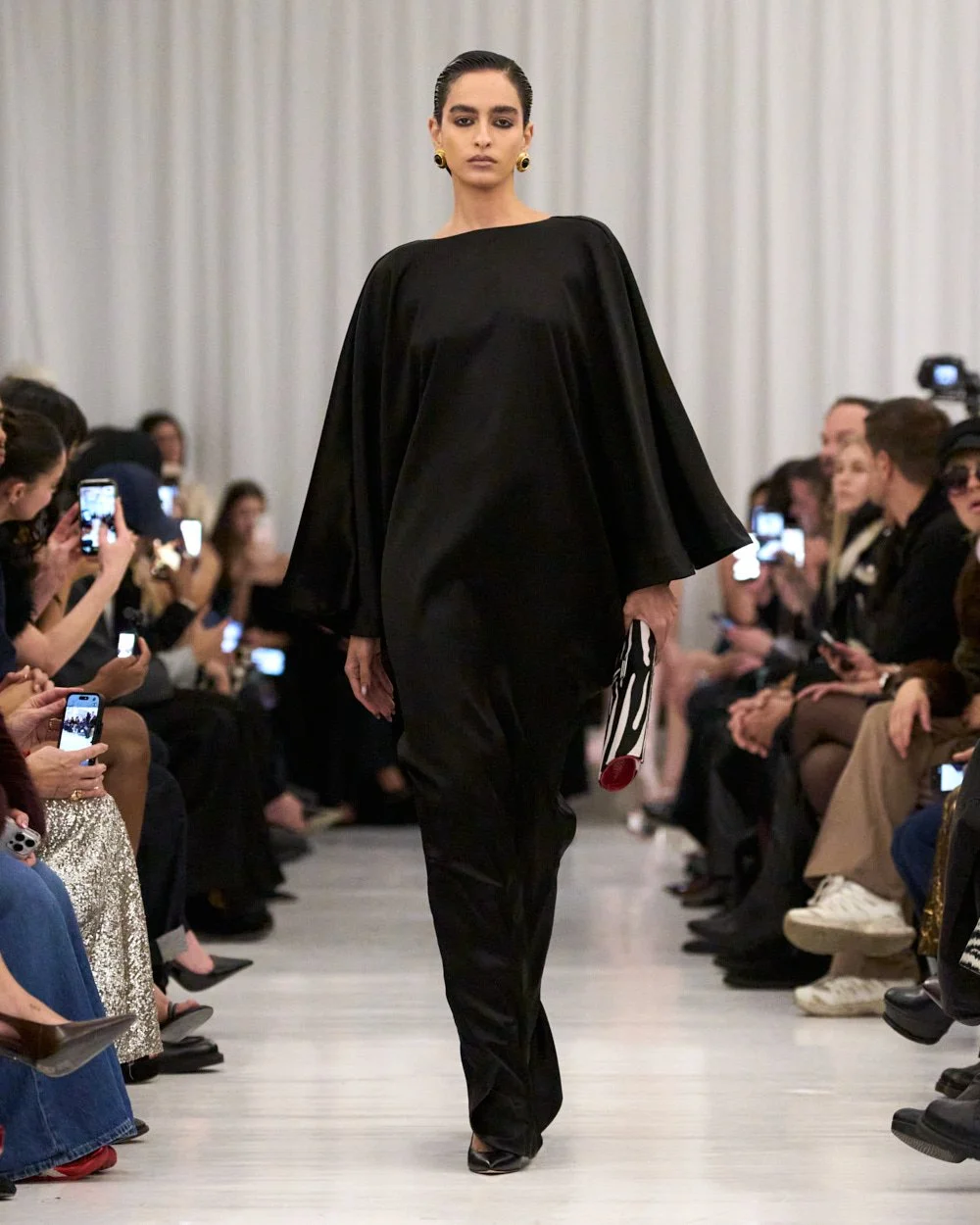
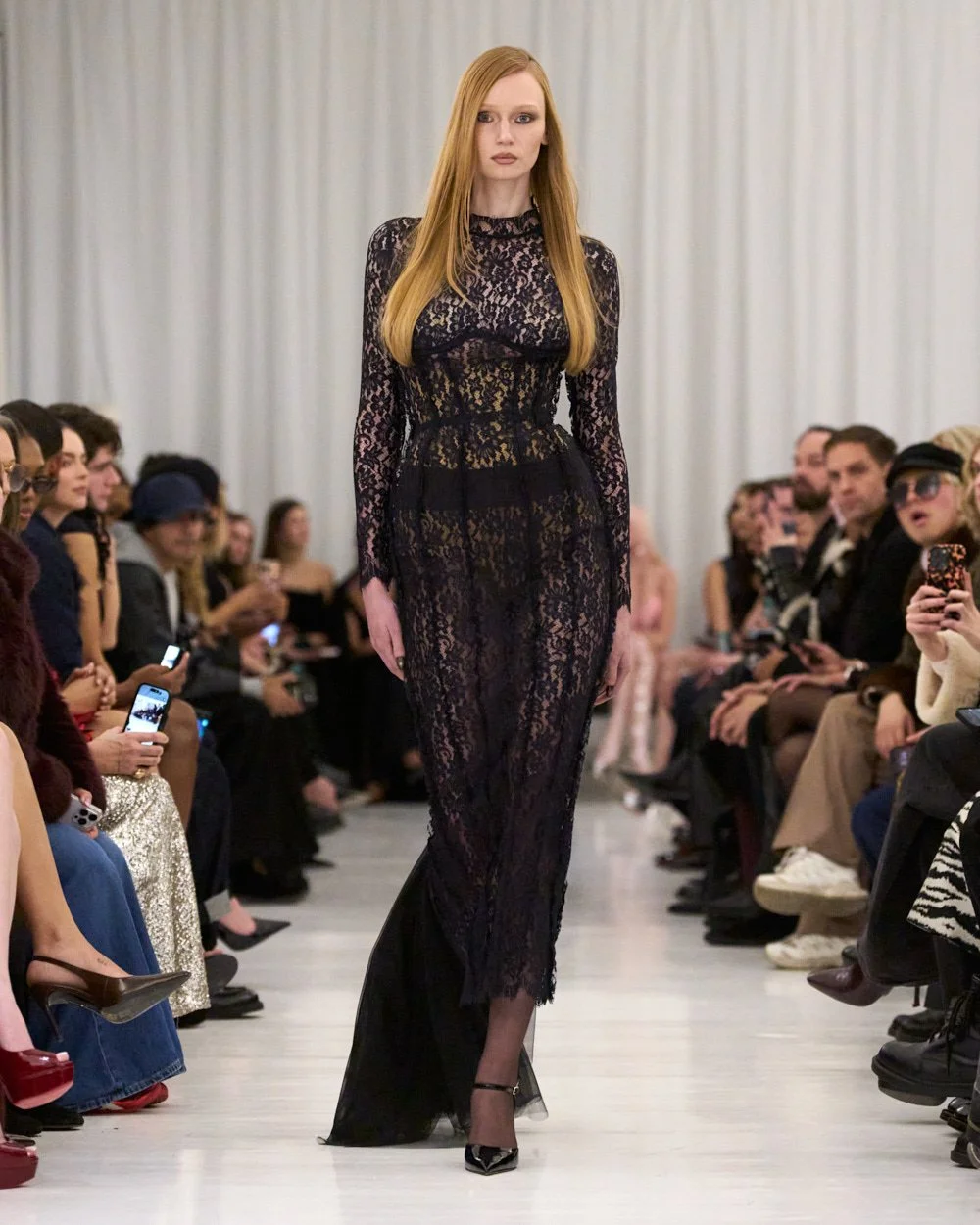
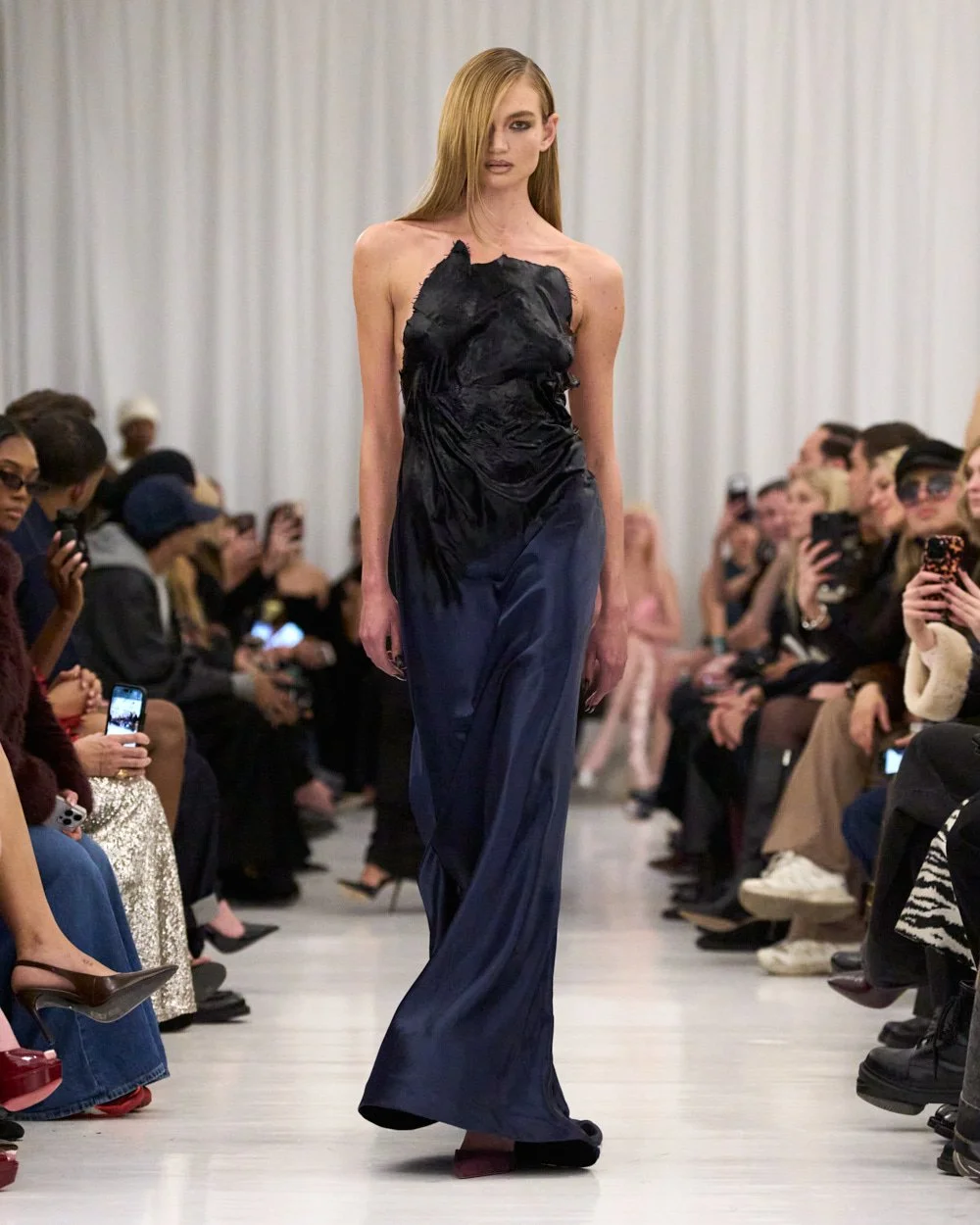
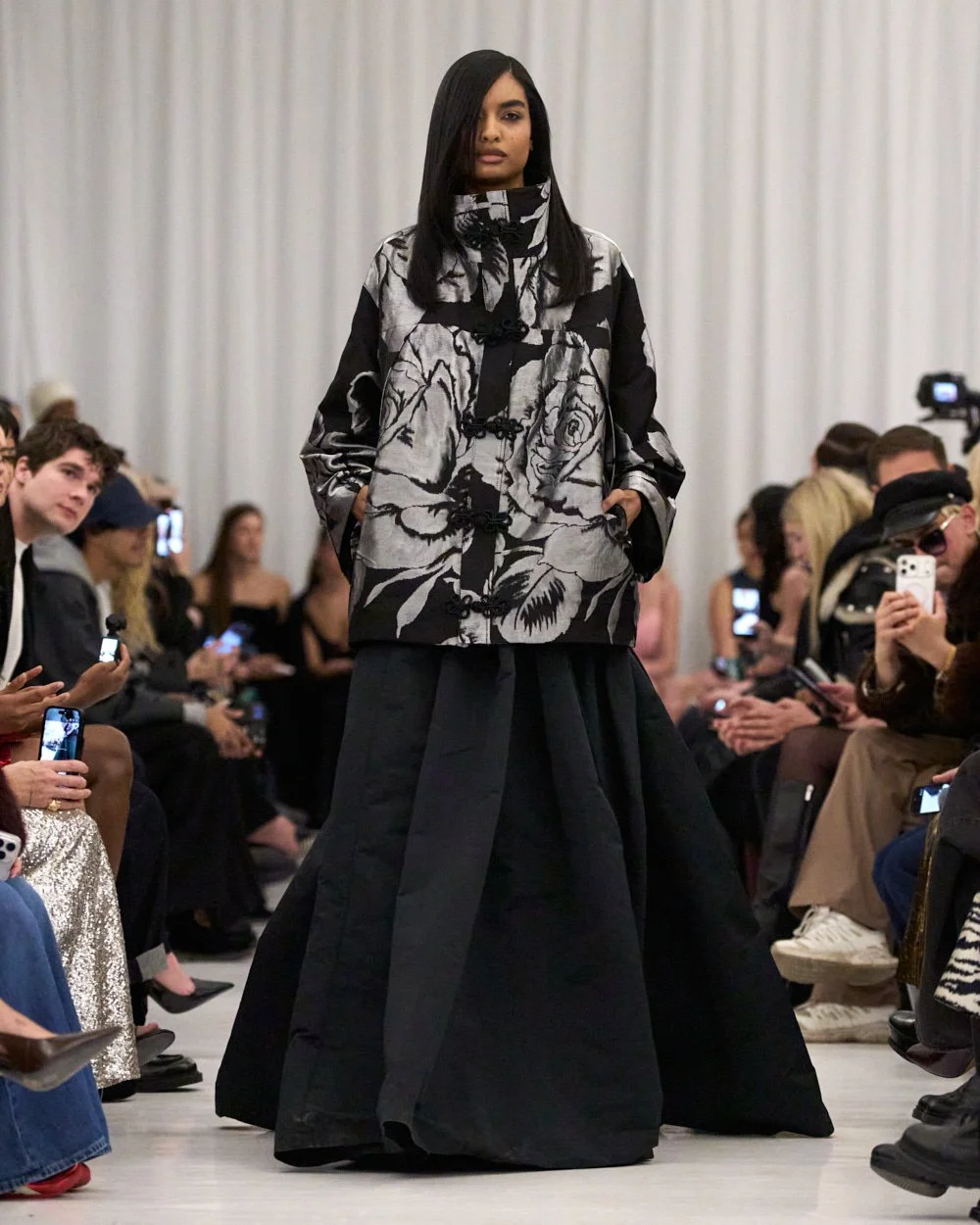
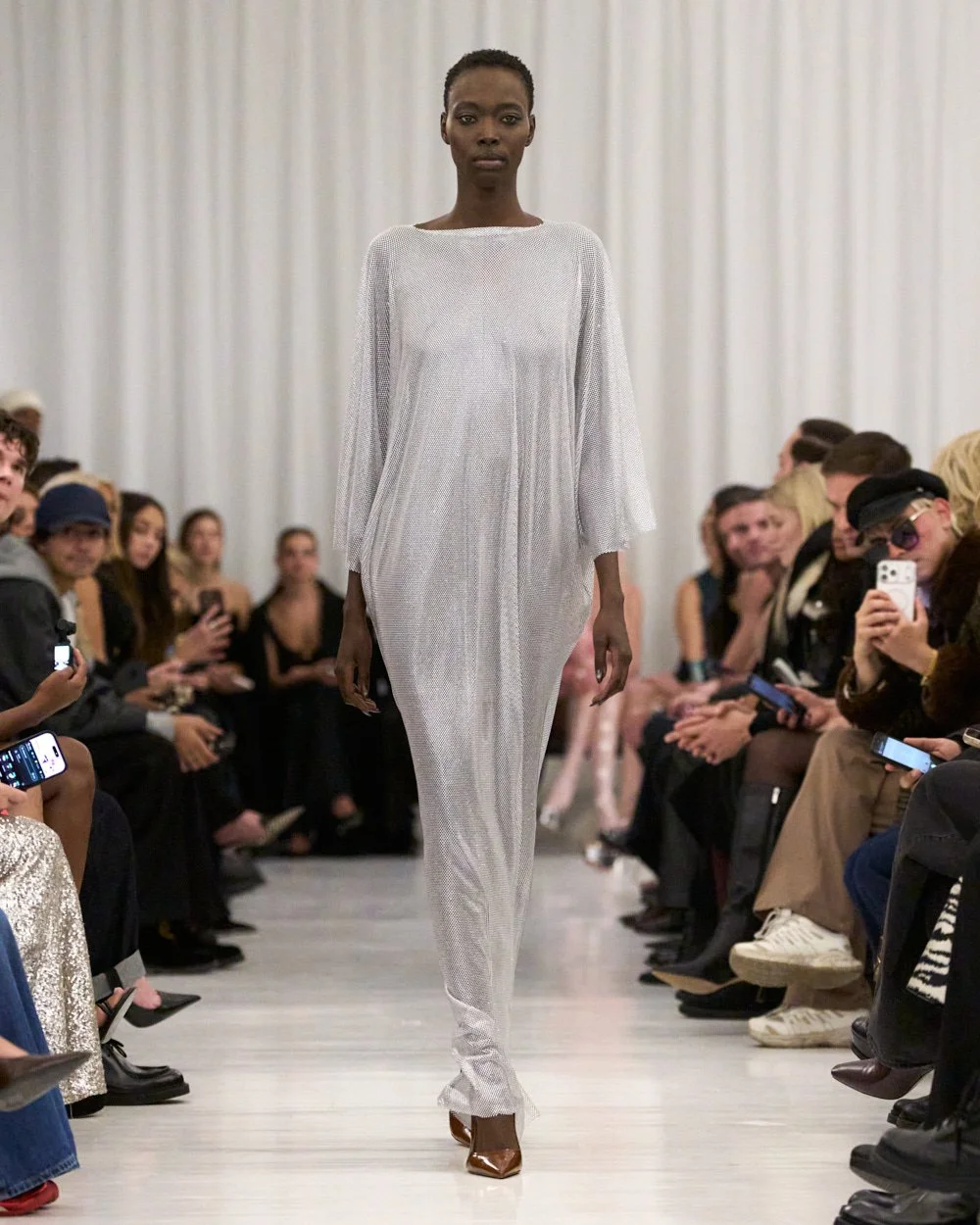
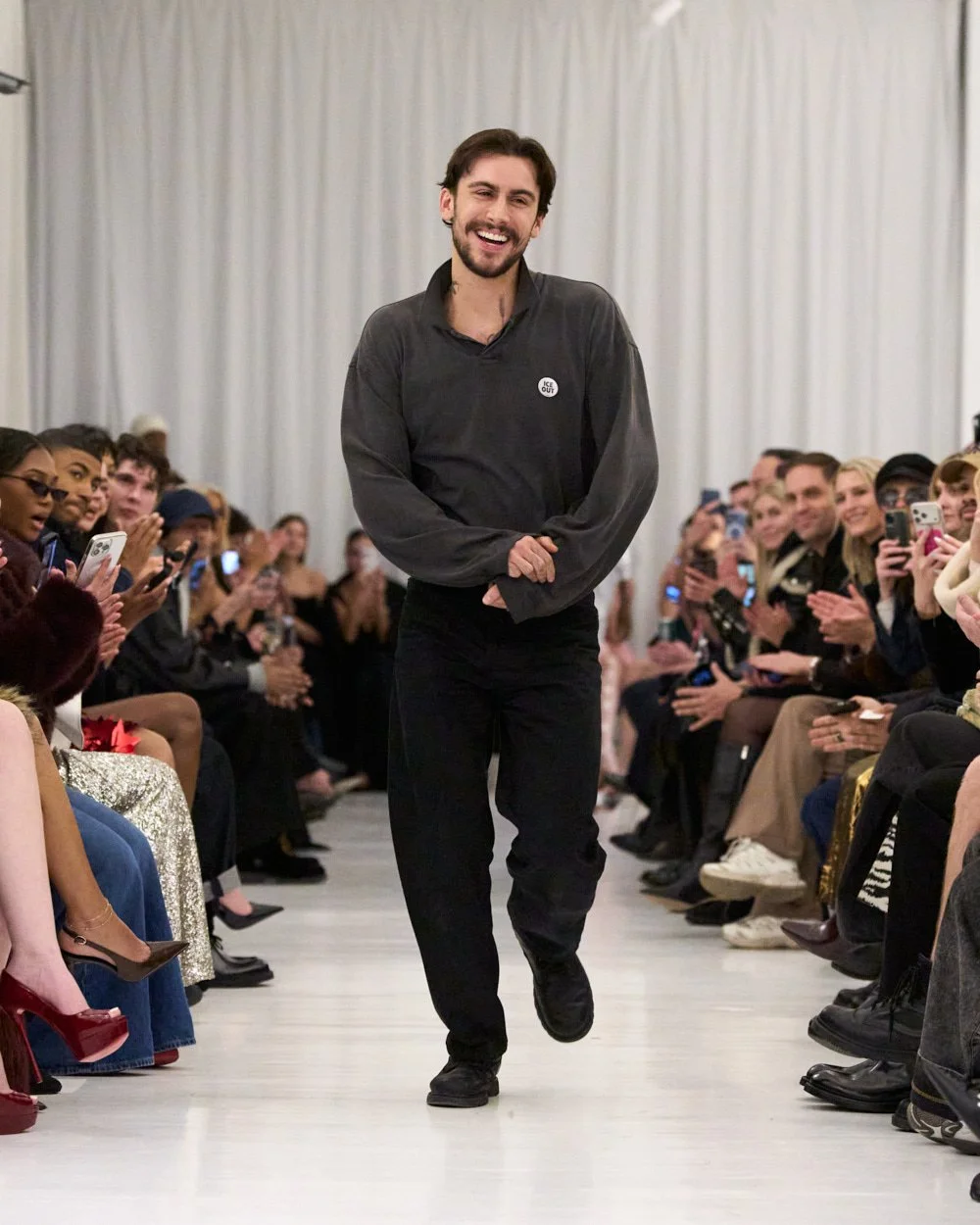
Image Courtesy of Christian Cowan, Words by Annmarie Gajdos
Before the door opens, there is a pause. A fastening. A tightening. A decision about who you are about to become. In that private stretch of time, the outside world has not yet told you who to be. Christian Cowan’s Fall/Winter 2026 collection, Before the Door Opens, transforms that intimate ritual into spectacle. Presented in a stark white space at Hudson Yards, stripped of color and decoration, the runway felt almost clinical at first glance. But what unfolded was anything but restrained. Cowan elevated the mechanics of dressing, bringing foundational garments from background structure to center stage.
Bullet bras, waist cinchers, and sculpted corsetry stepped unapologetically into view. Sheer gowns skimmed the body without surrendering control. Crystal embellishments traced the outline of underpinnings rather than concealing them. Leather intensified the mood, while backless silhouettes pushed vulnerability to its edge. Fabric receded almost entirely, exposing the body in ways typically reserved for private space. The effect was not scandalous, but intentional; a confrontation with how much of ourselves we choose to reveal.
Rather than conceal the act of dressing, Cowan made it visible. The tightening of a corset became choreography. The structure of a bodice became narrative. Dressing was no longer preparation for spectacle, it was the spectacle itself. In an era where personal lives are broadcast in real time, the collection isolates one ritual that remains largely unseen: the moment alone with the mirror. Cowan reframes undergarments not as vulnerability, but as construction. Exposure here is not surrender. It is control.
Front row guests like Julia Fox and Bebe Rexha mirrored the collection’s tension between provocation and control. “I have always been fascinated by the moment before you step out the door,” Cowan said. “There is something powerful about that private ritual, when you are alone with the mirror and deciding who you are about to be.”
Silhouettes nodded to mid-century glamour without collapsing into nostalgia. Structured shapes carried the confidence of 1980s bravado, while crystal embellishment and exaggerated fur heightened the theatricality. Yet beneath the surface drama was discipline. Crisp tailoring balanced provocation with precision. The collection hovered between intimacy and performance, restraint and release. The staging reinforced the thesis. Guests were guided from the visual language of innerwear toward increasingly expressive evening silhouettes. Dressing became narrative. Becoming became theater.
In Before the Door Opens, Christian Cowan does not romanticize vulnerability. He choreographs it. The private act of self-construction becomes the main event, reclaiming the mirror as a site of authorship rather than anxiety. What happens before stepping into the world, he suggests, may be the most powerful performance of all.
Jasper
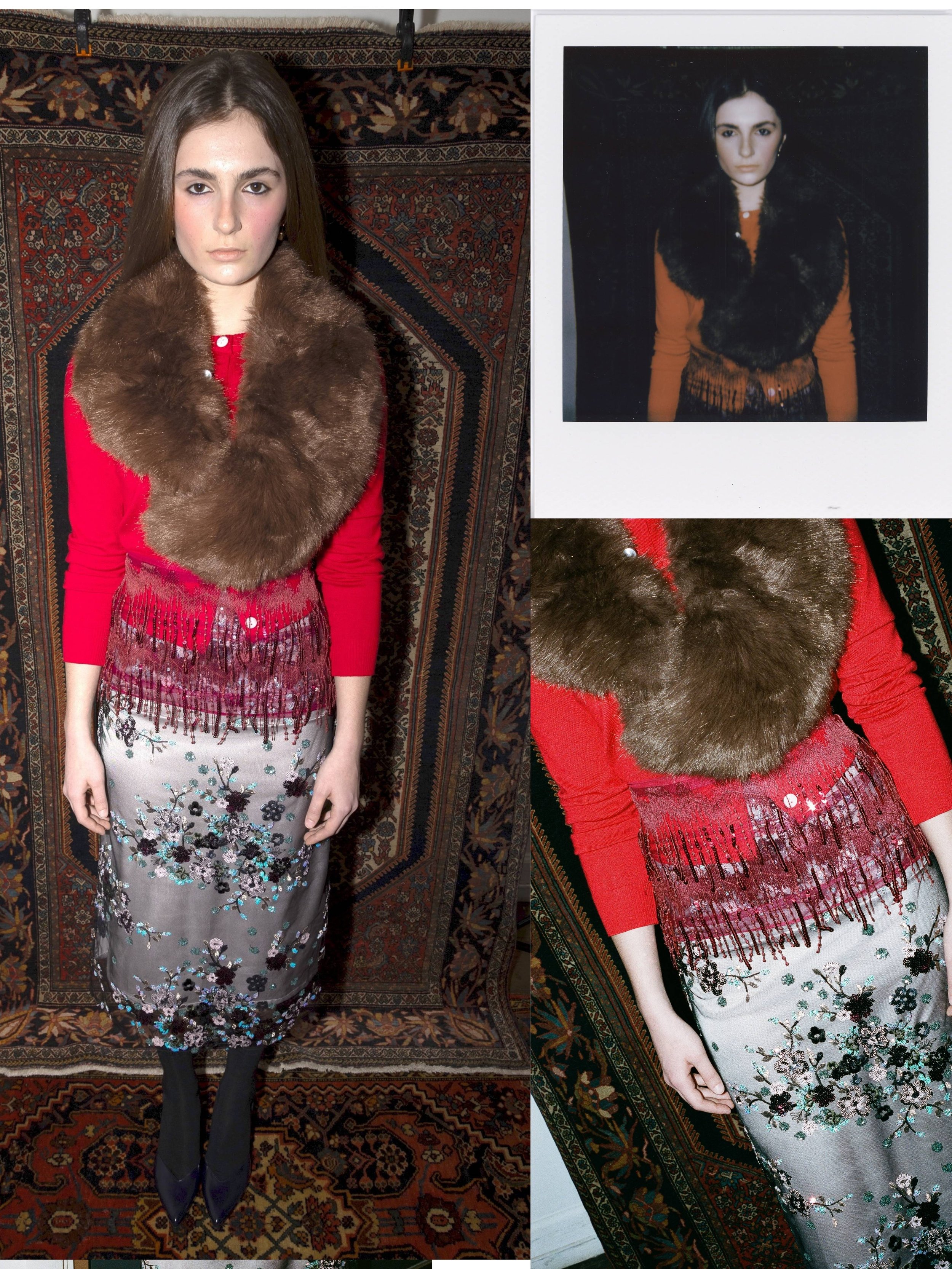
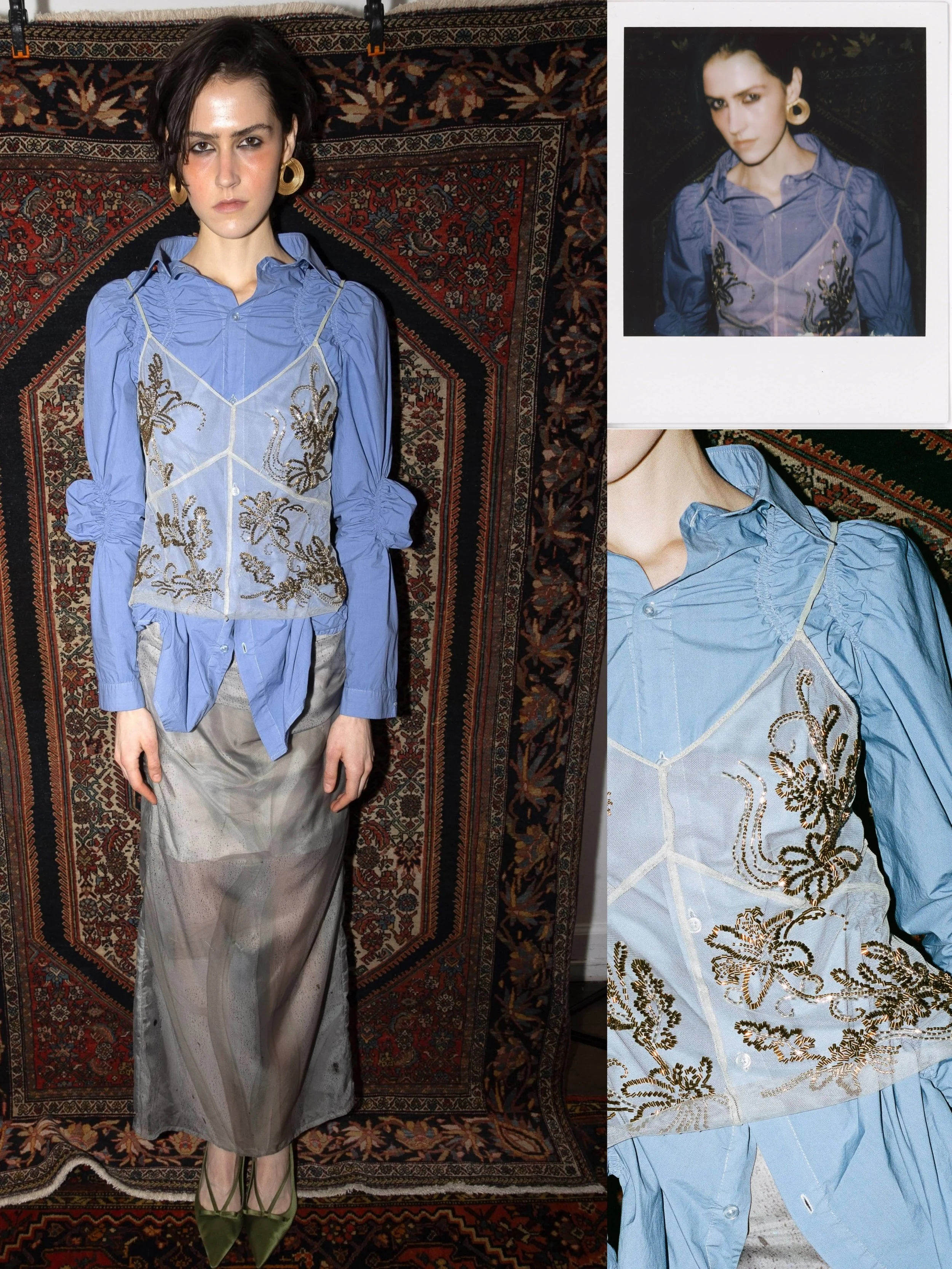
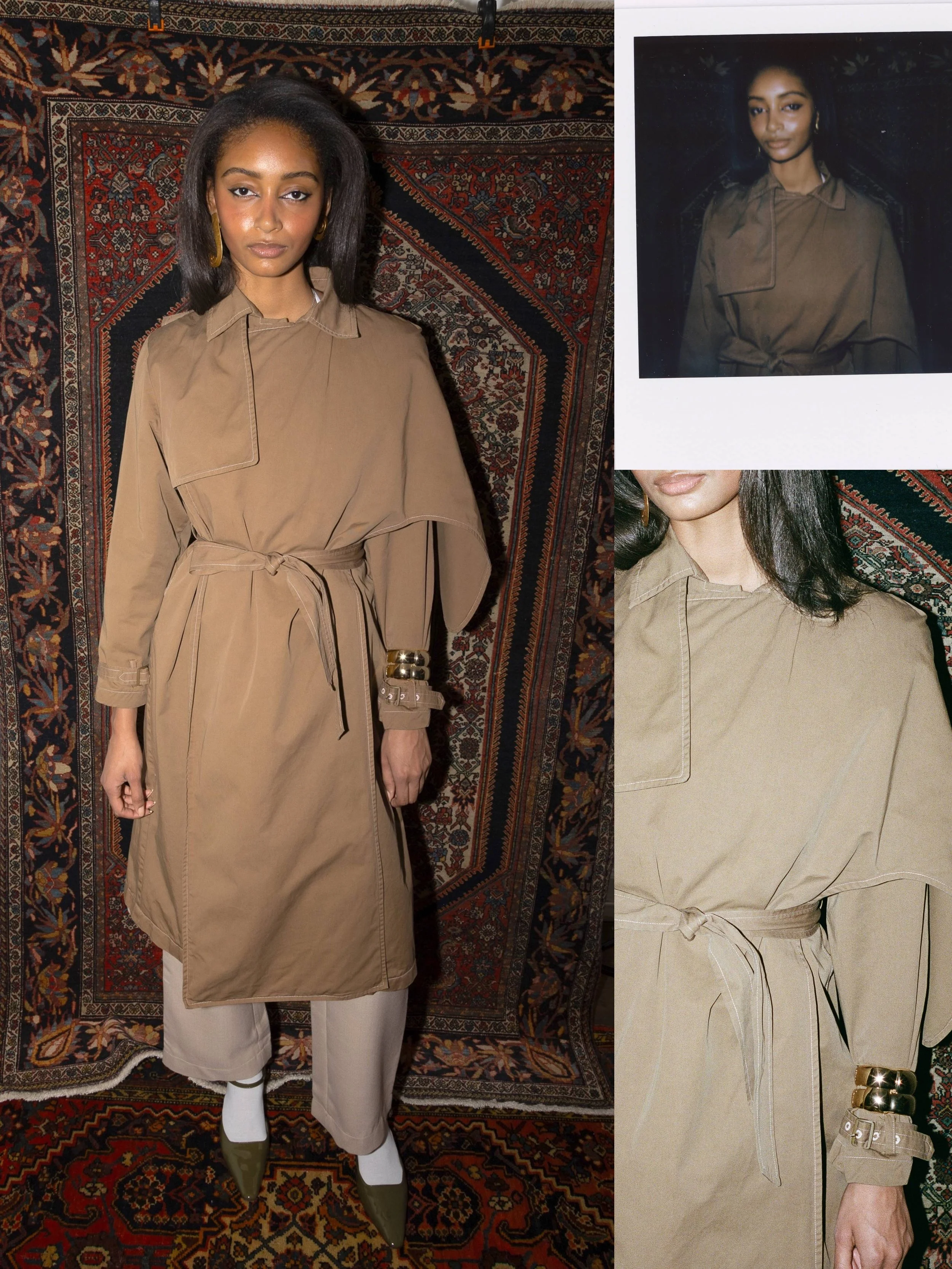
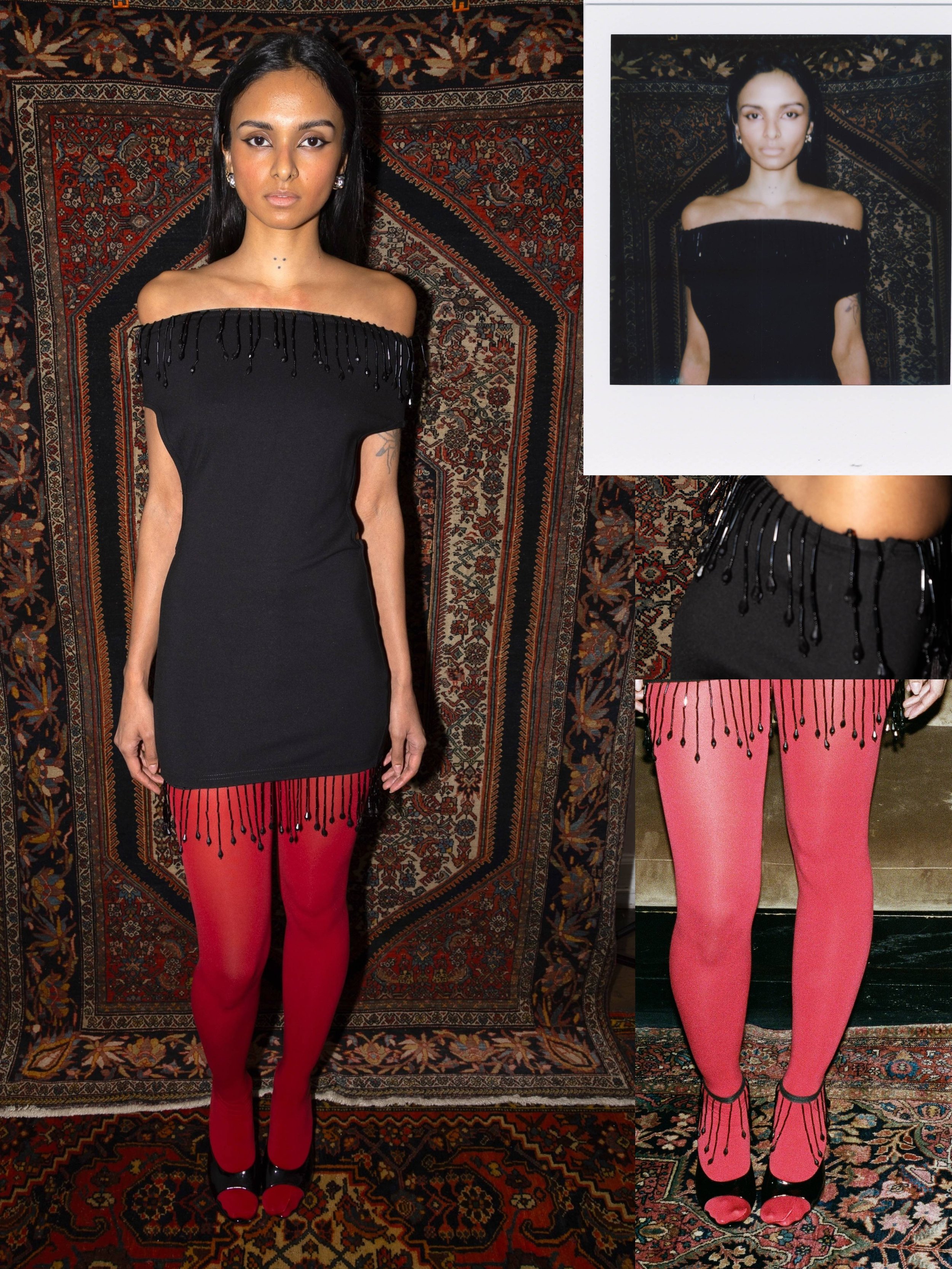
Photography by Jancarlo Cortez, Words by Annmarie Gajdos
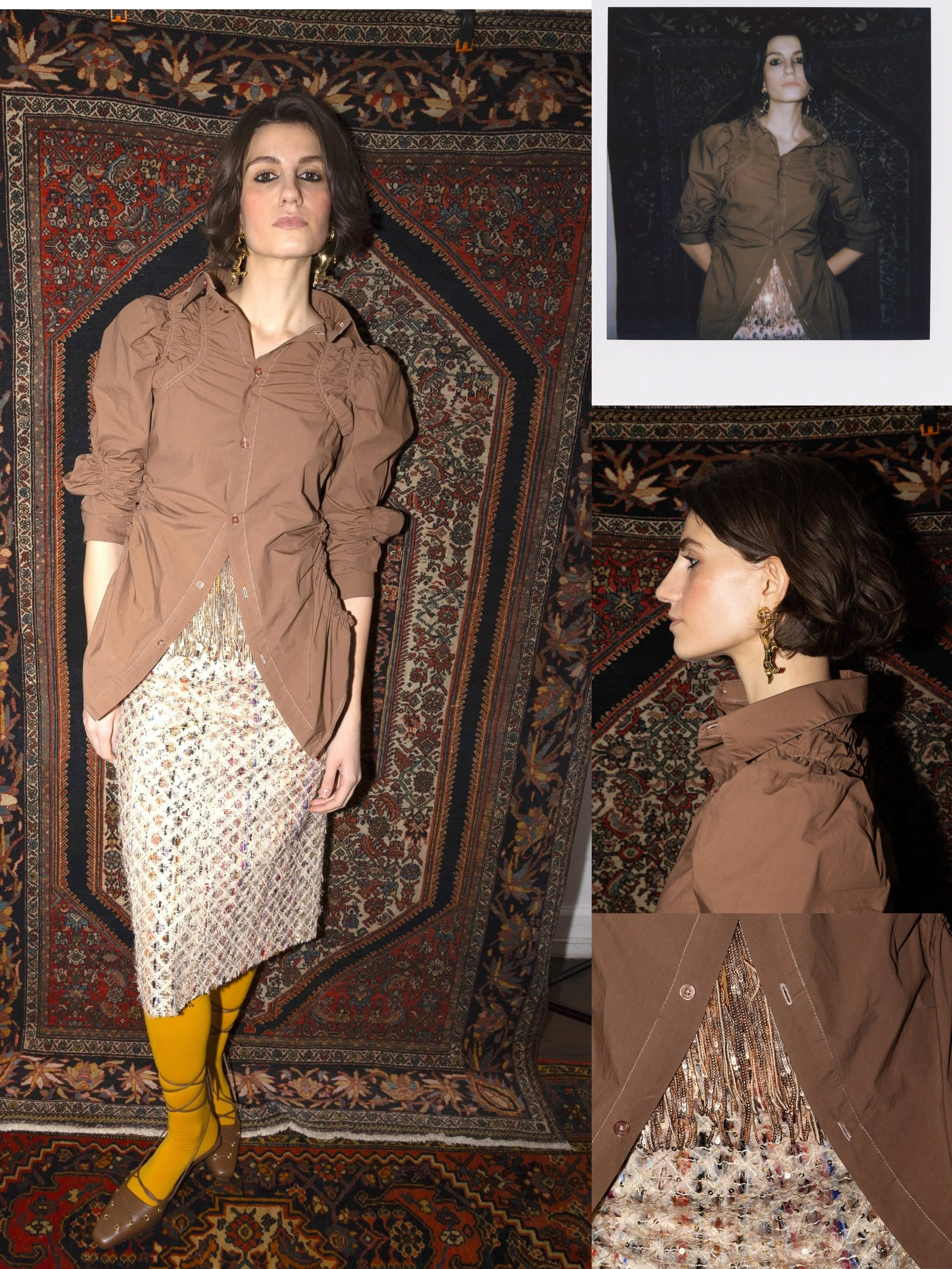
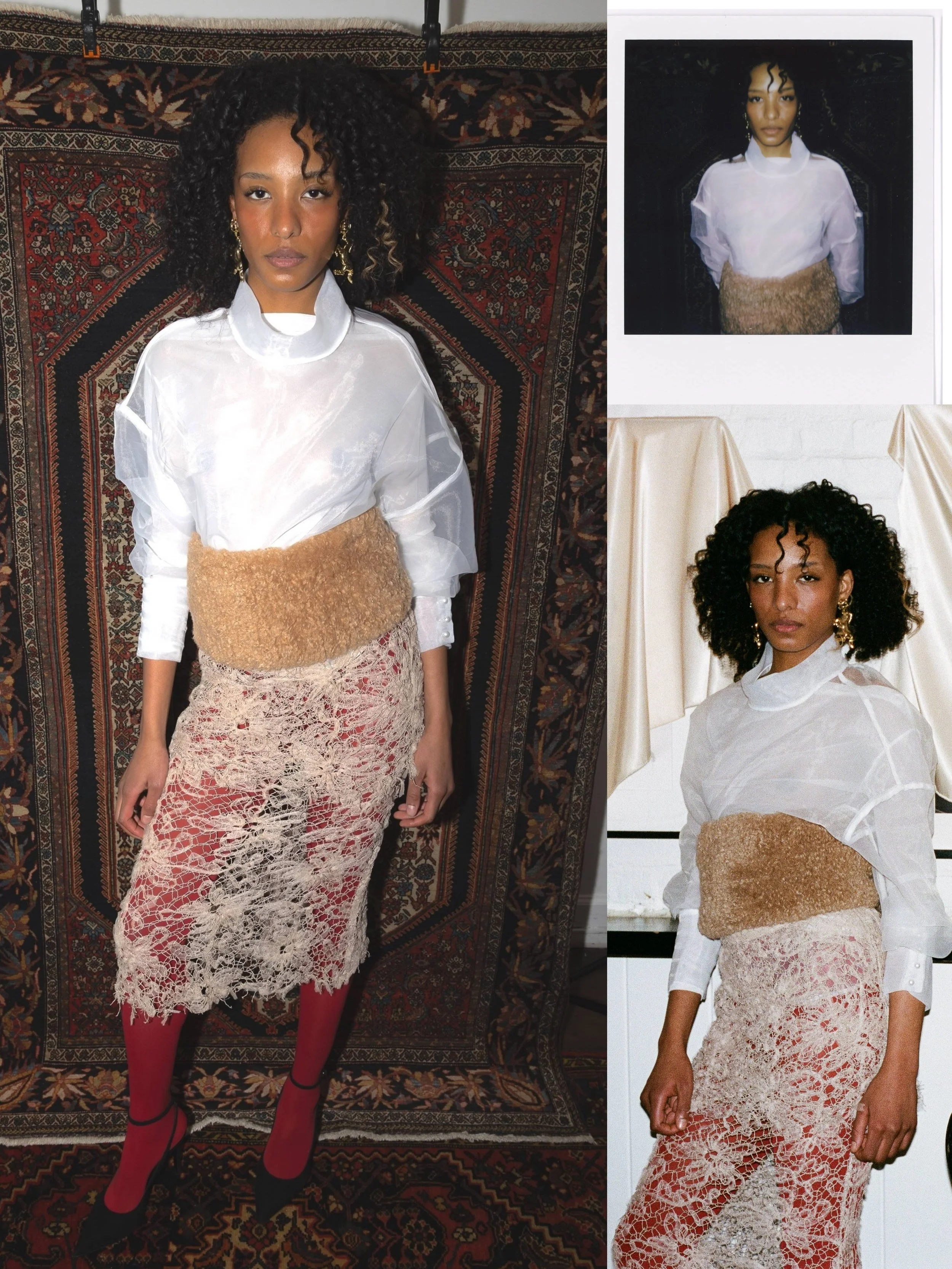
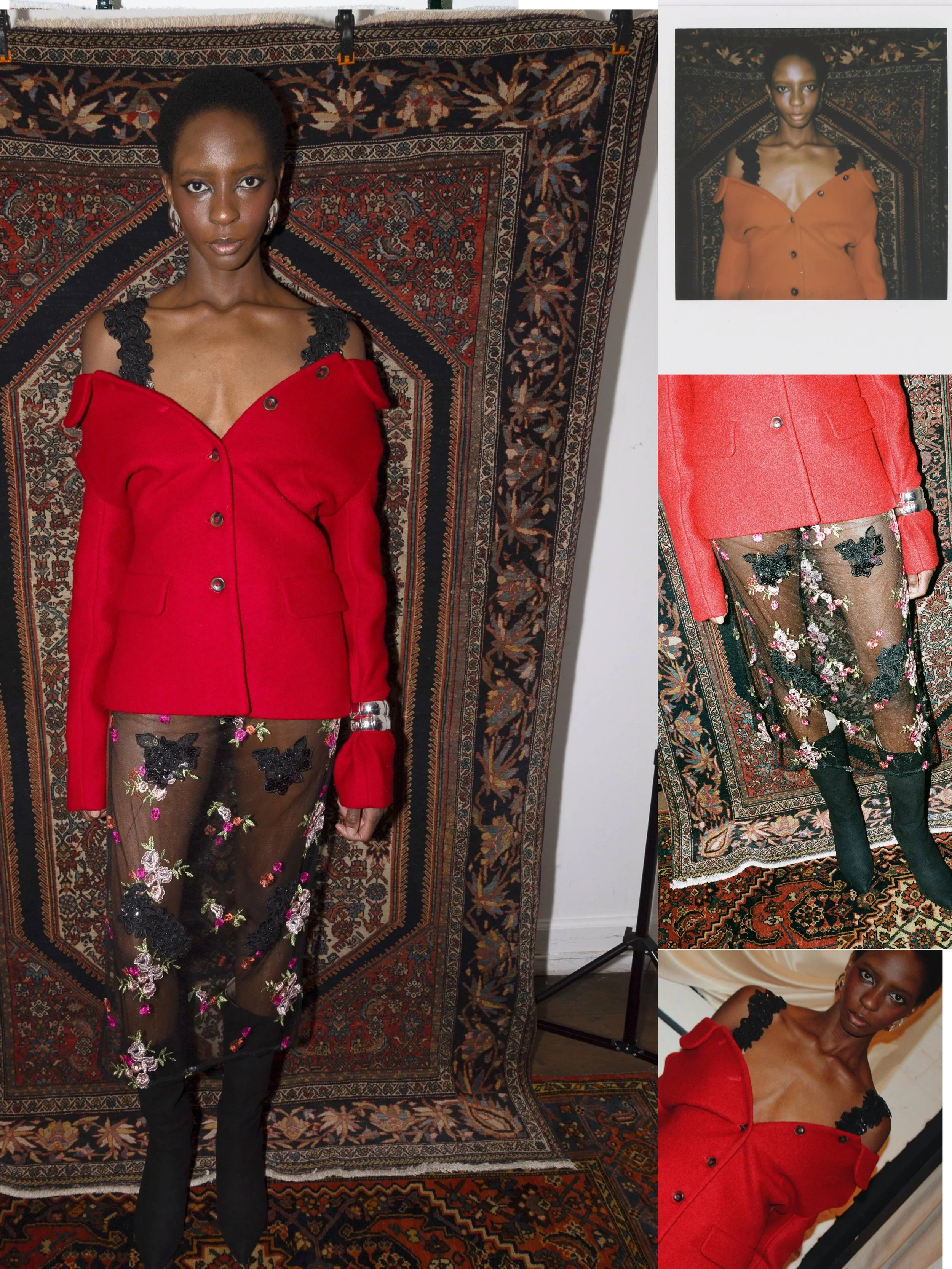
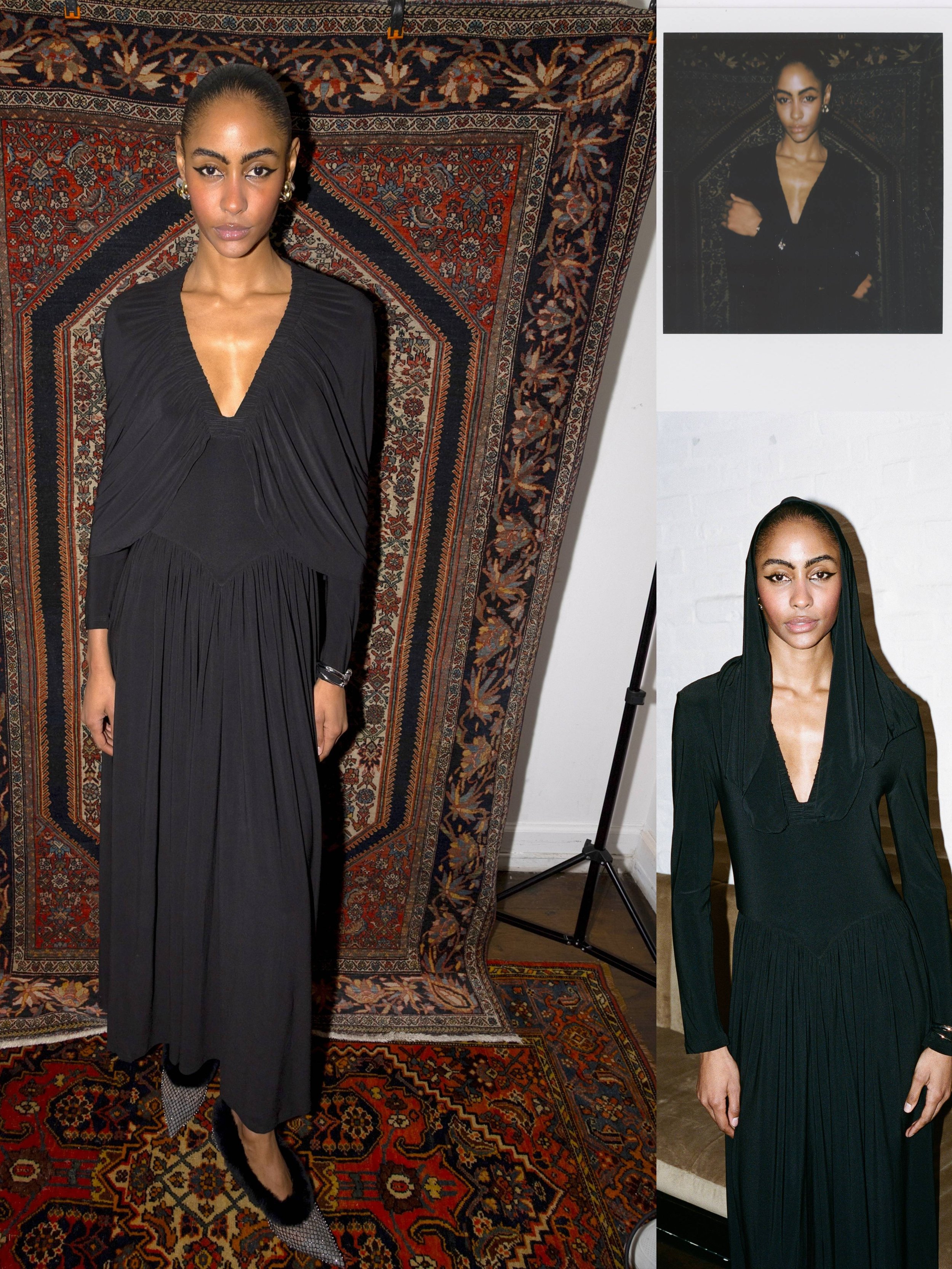
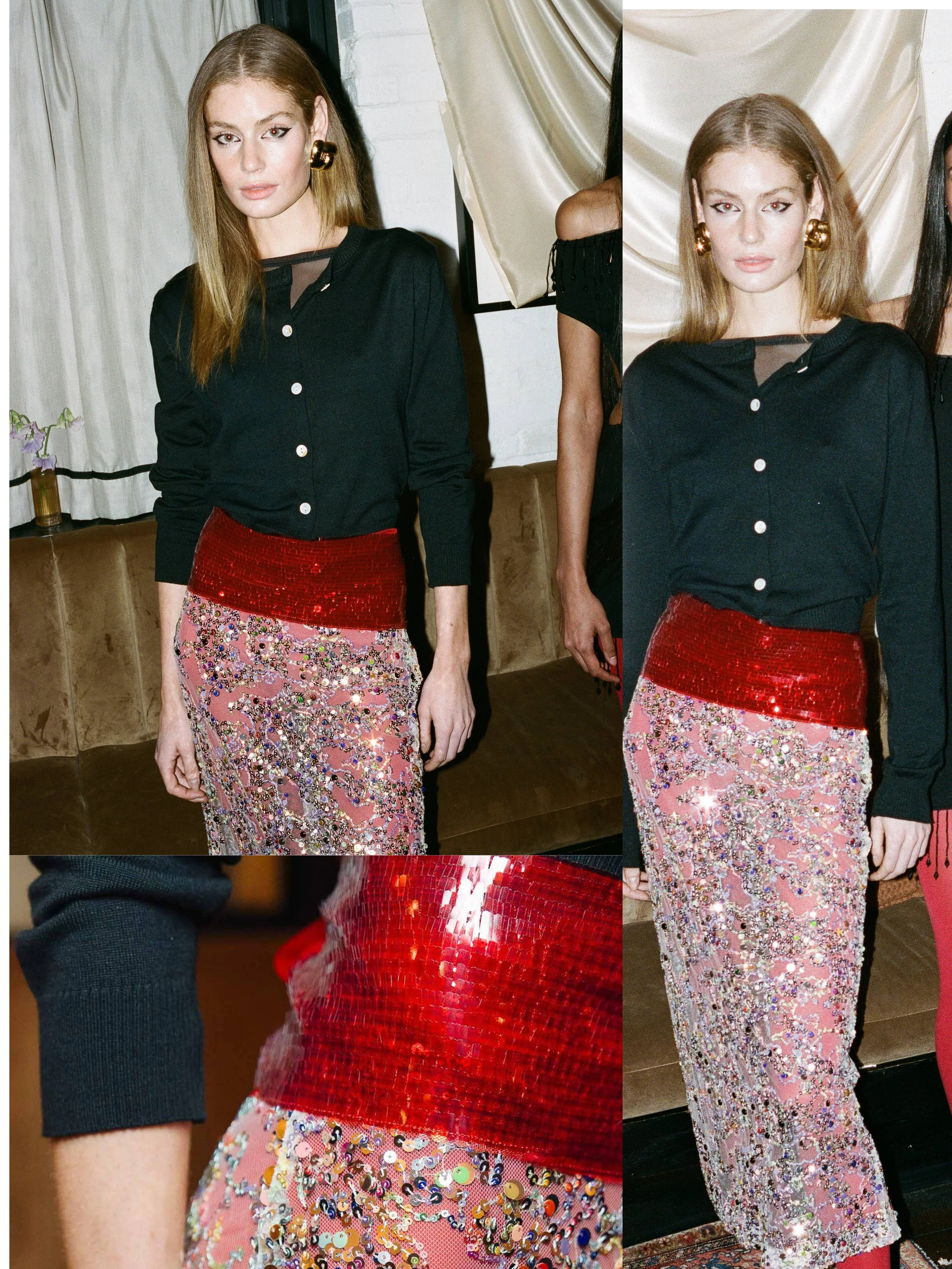
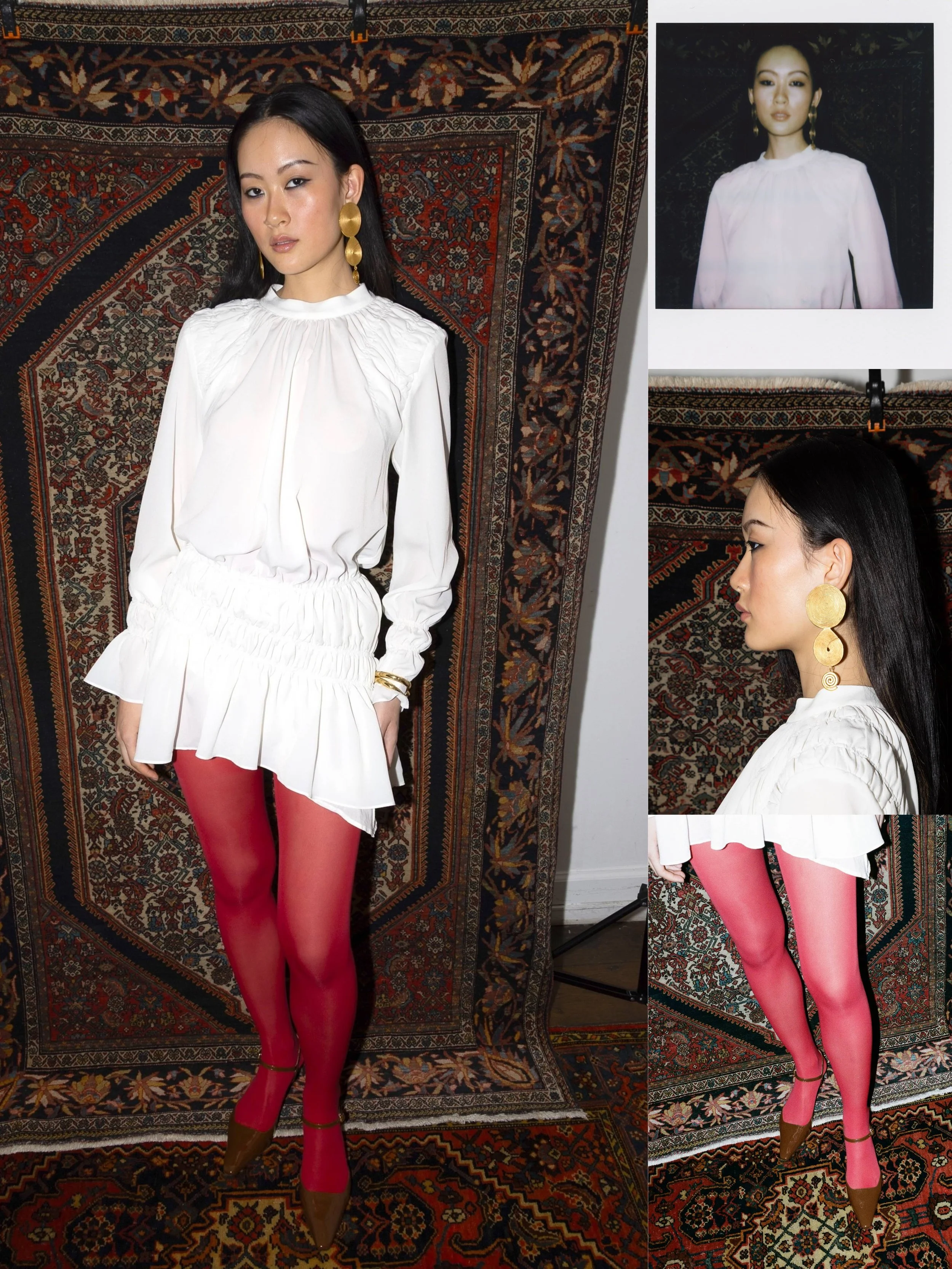
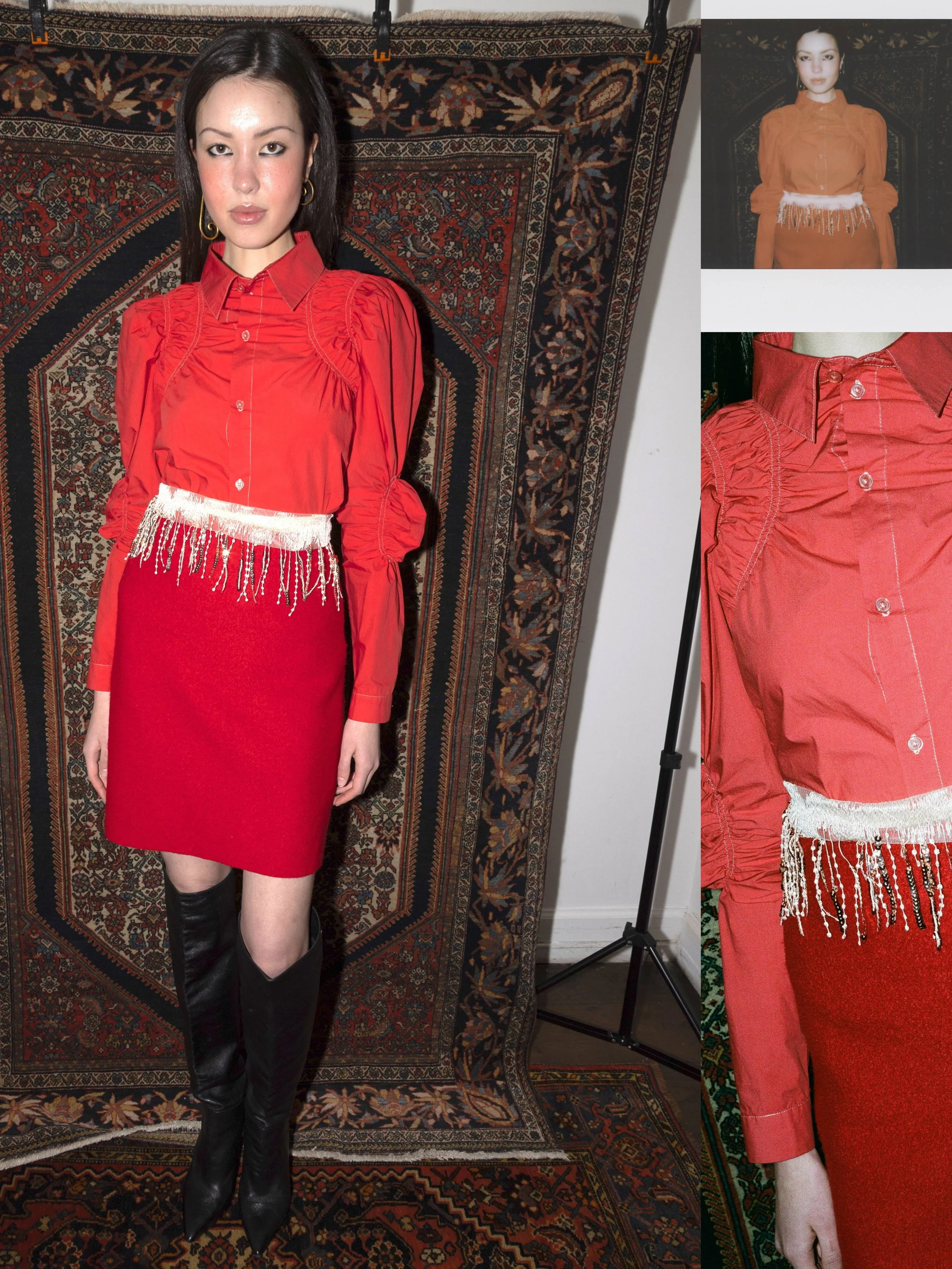
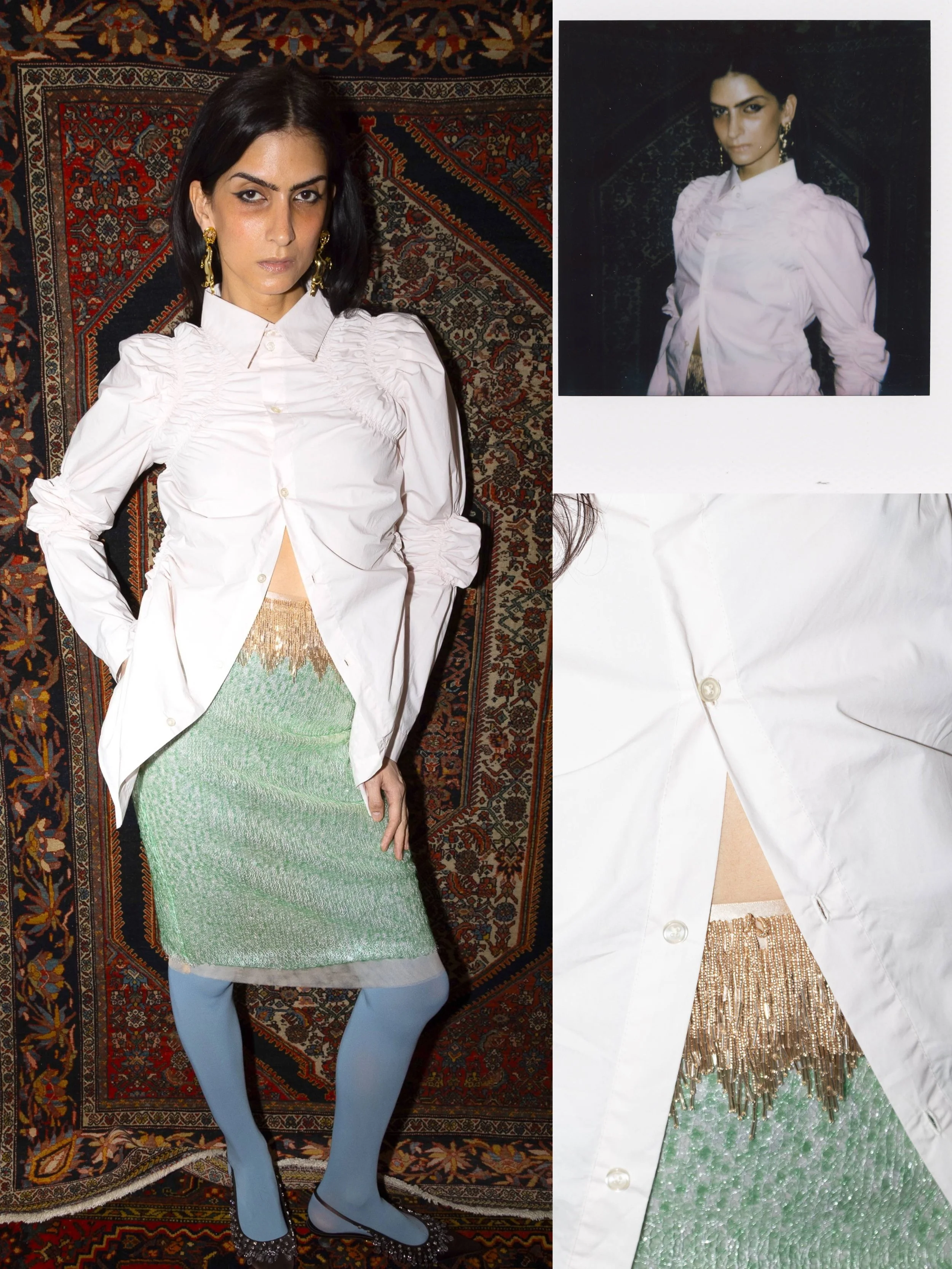
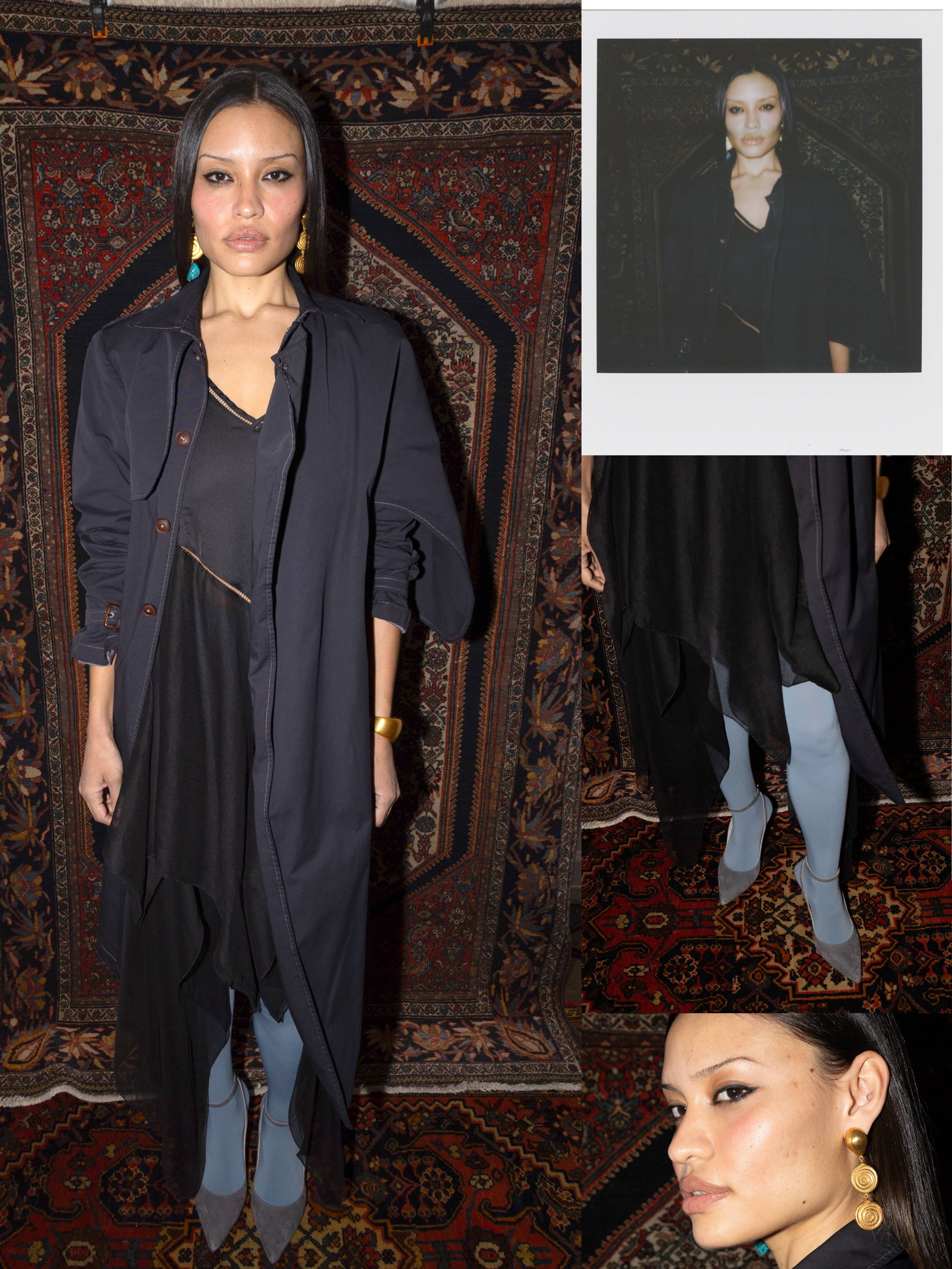
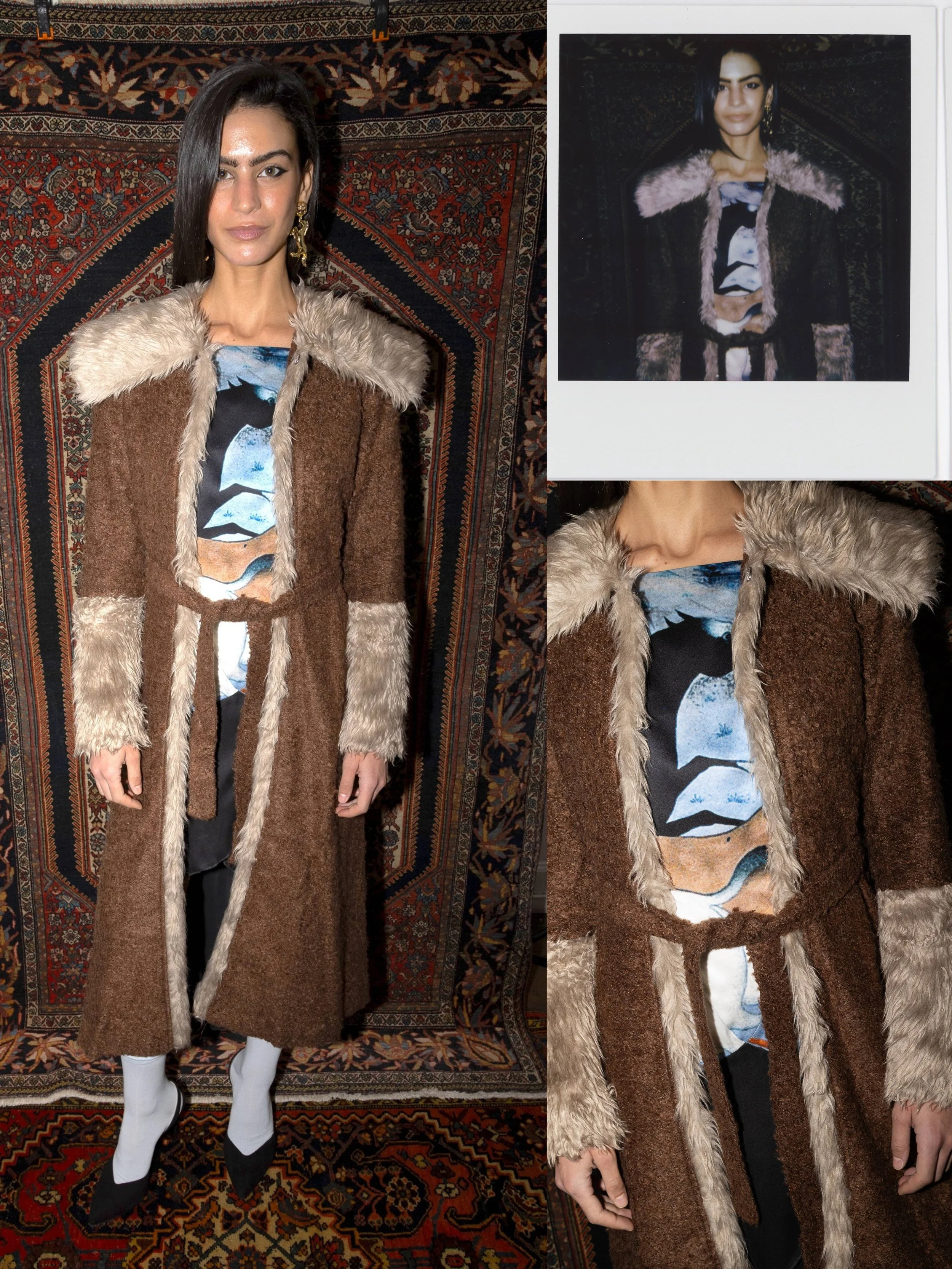
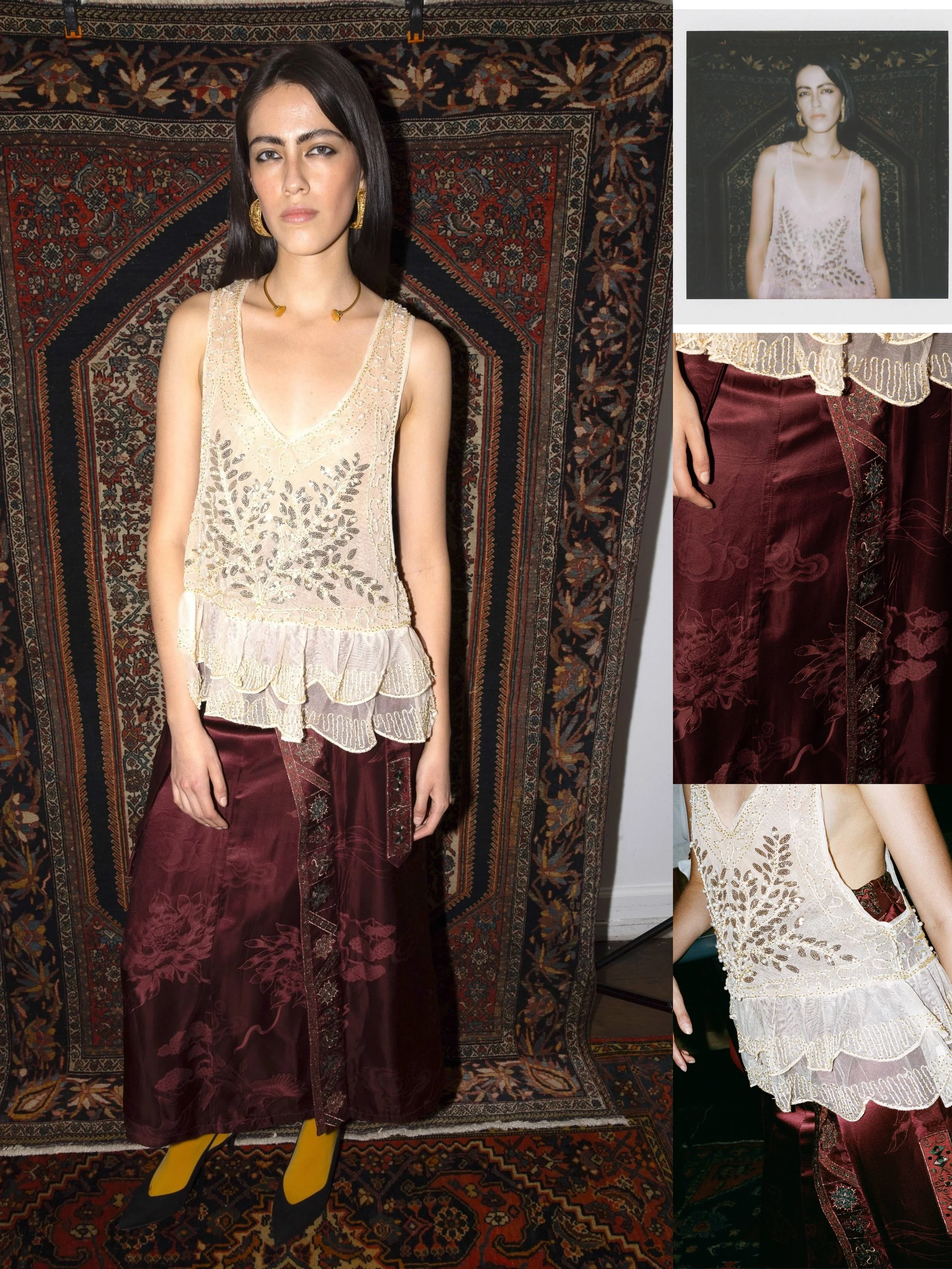
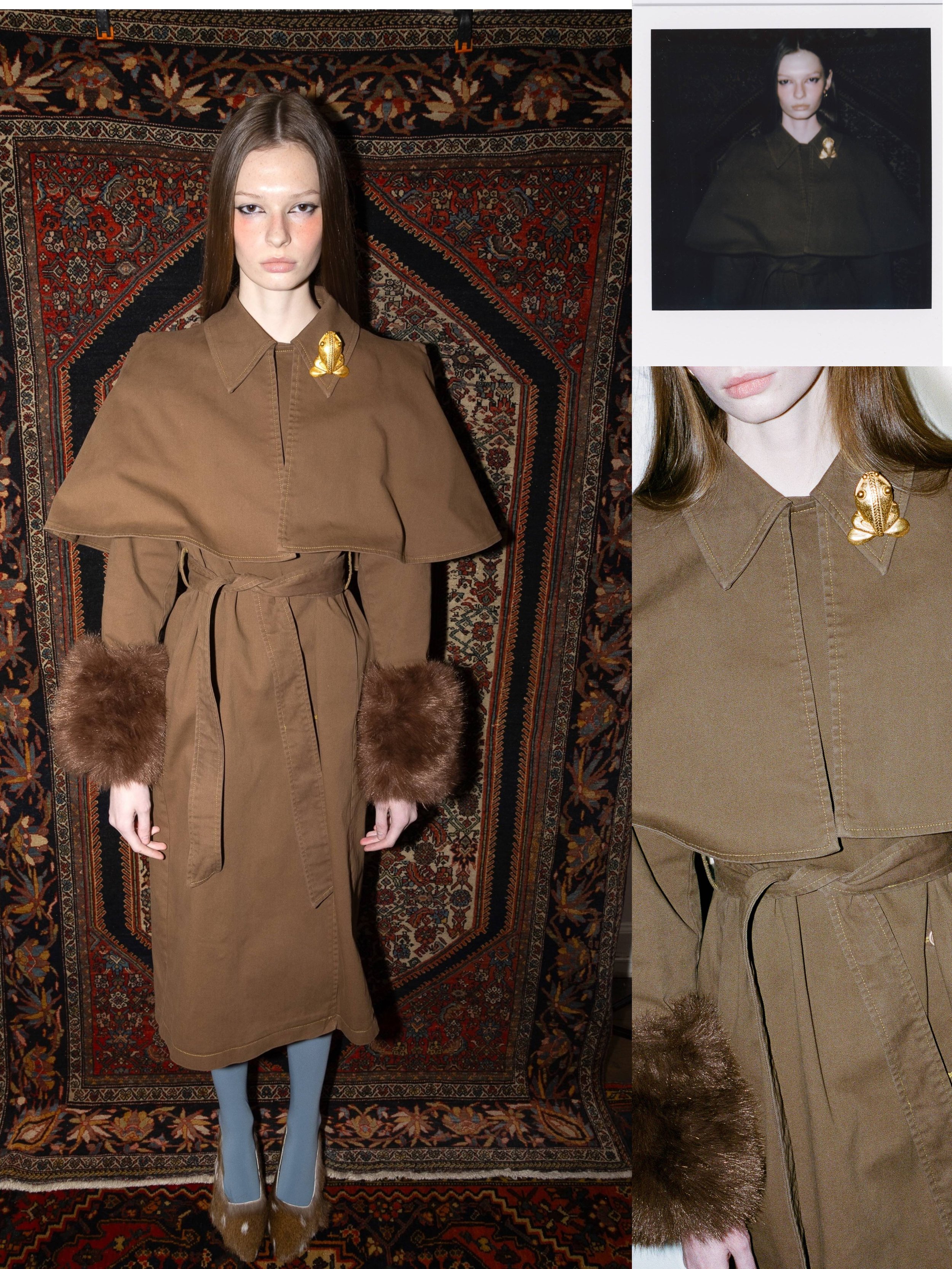
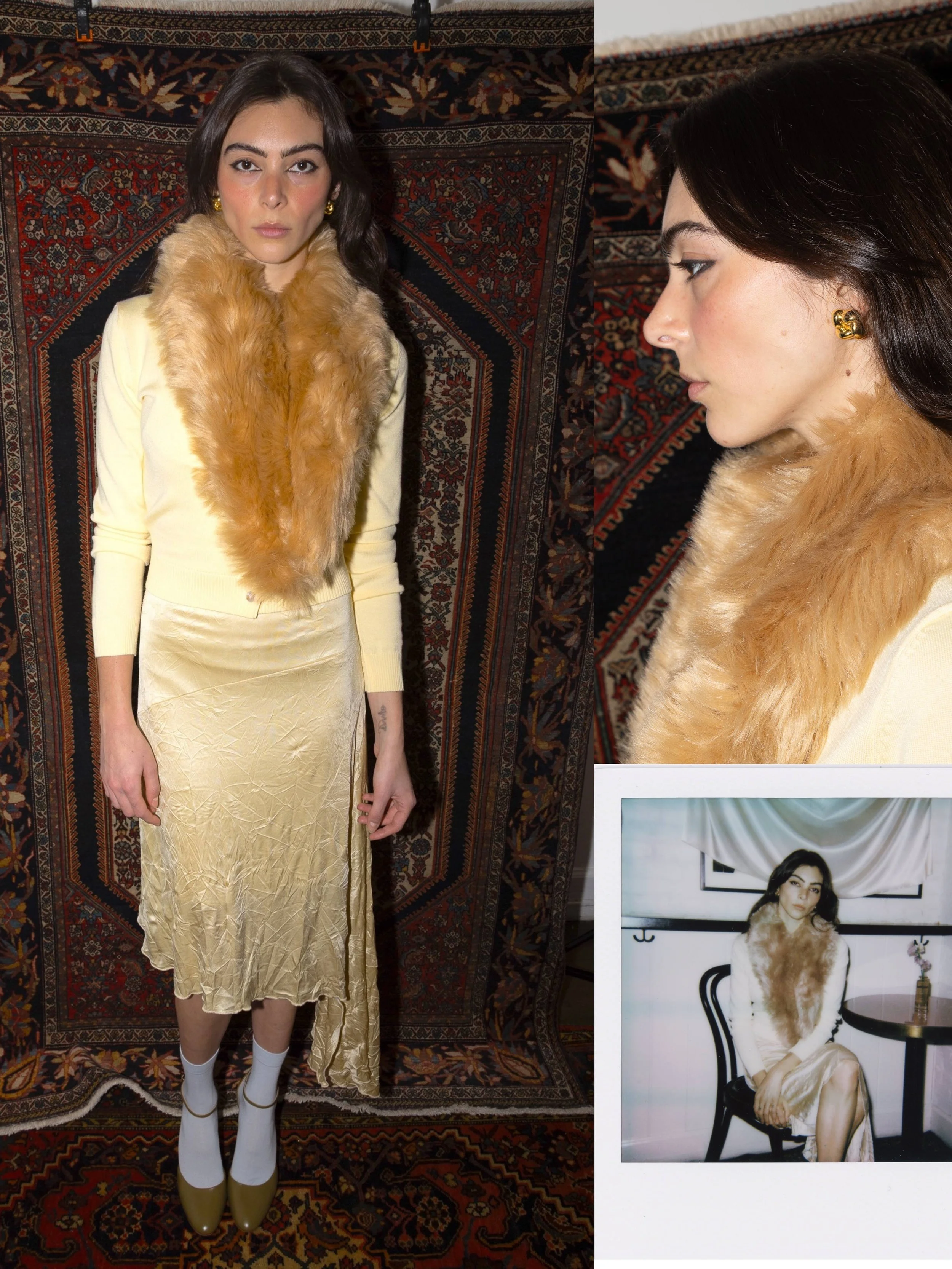
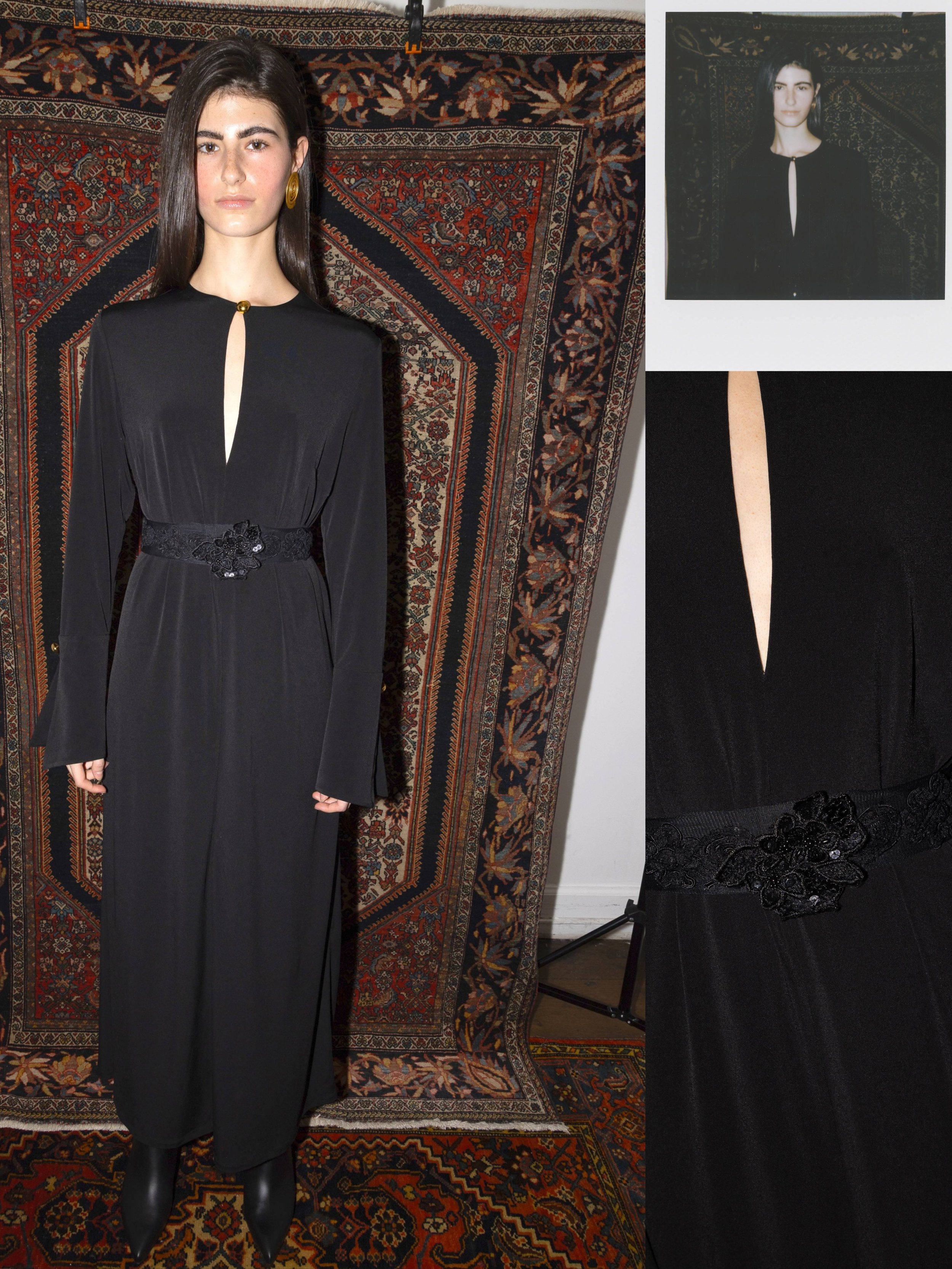
Gold leaf catches the edge of a galloping horse. Ultramarine blue frames a ceremonial rider. In Persian miniature paintings, power is rendered in pigment and precision, layered in ornament but controlled in composition. That visual language anchors Jasper Collection 03. The NYFW presentation unfolds with a backdrop of Persian rugs. Deep reds and warm browns soften the light, casting the presentation in a glow that feels intimate rather than dark. Models stand poised and restrained as if suspended inside a Persian miniature painting, their silhouettes structured yet fluid. Beaded lace catches the light. Fur trims soften tailored edges. The atmosphere is immersive, less runway and more tableau.
Equestrian codes appear throughout. Structured jackets echo riding coats. Collared shirts hold their shape with discipline. Long silhouettes suggest authority traditionally associated with horseback dress. Yet each model wears vibrant tights in saturated hues, interrupting the severity with color. What reads as masculine at first glance shifts into something distinctly feminine. The authority remains, but its center moves. For stylist and creative director Kooshan Dunn, that shift is personal. “Glamorous photos of my mother and her family in 1970's Masshad, with winged eyeliner and heavy eyebrows, are a bedrock fashion inspiration for me,” he says.
The 1960s and 1970s in Iran projected outward cultural confidence. Before political upheaval reshaped the country’s global narrative, cities like Mashhad embodied glamour and optimism. Women dressed with precision and intention, navigating modernity and tradition simultaneously. Dunn does not reference this era as nostalgia, but as foundation. “These clothes are an ode to my mother, and instead of the men riding horses and being in charge like in the miniature paintings, these clothes are about the bold strength and power of women,” he explains.
The collection reflects that reversal. Beaded lace, fringe, and fur adorn the garments without overwhelming them. A chocolate brown coat trimmed with fur at the sleeves moves with quiet authority. Paired with turquoise tights and a gold brooch, the look feels grounded yet luminous, ornamented but restrained. Throughout the presentation, clothing that structurally appears masculine, defined collars, elongated jackets, tailored lines, is softened through color, texture, and silhouette. Women are allowed to exist in contrast: ornamented but controlled, soft but precise, heritage-driven but modern.
Persian miniature paintings combine narrative scenes with decorative repetition, raw paper with intricate calligraphy. Similarly, Jasper’s pieces carry historical reference while remaining wearable. “The Jasper girl loves heritage, travel and culture but also living in the moment,” Dunn says. “These are ornamented but wearable clothes for celebrating modern life.” That balance is the collection’s strength. It does not attempt to freeze Persian culture in time, nor does it reduce it to costume. Instead, it treats history as movement. The rugs beneath the models’ feet, the equestrian silhouettes, the saturated hues, all suggest continuity rather than imitation.
In JASPER Collection 03, heritage is not something to be observed from a distance. It is something to inhabit. Like the miniature paintings that inspired it, multiple directions coexist at once: past and present, masculinity and femininity, ornament and restraint. What emerges is not reenactment, but evolution. A modern wardrobe shaped by history and carried forward with intention.
L’Enchanteur
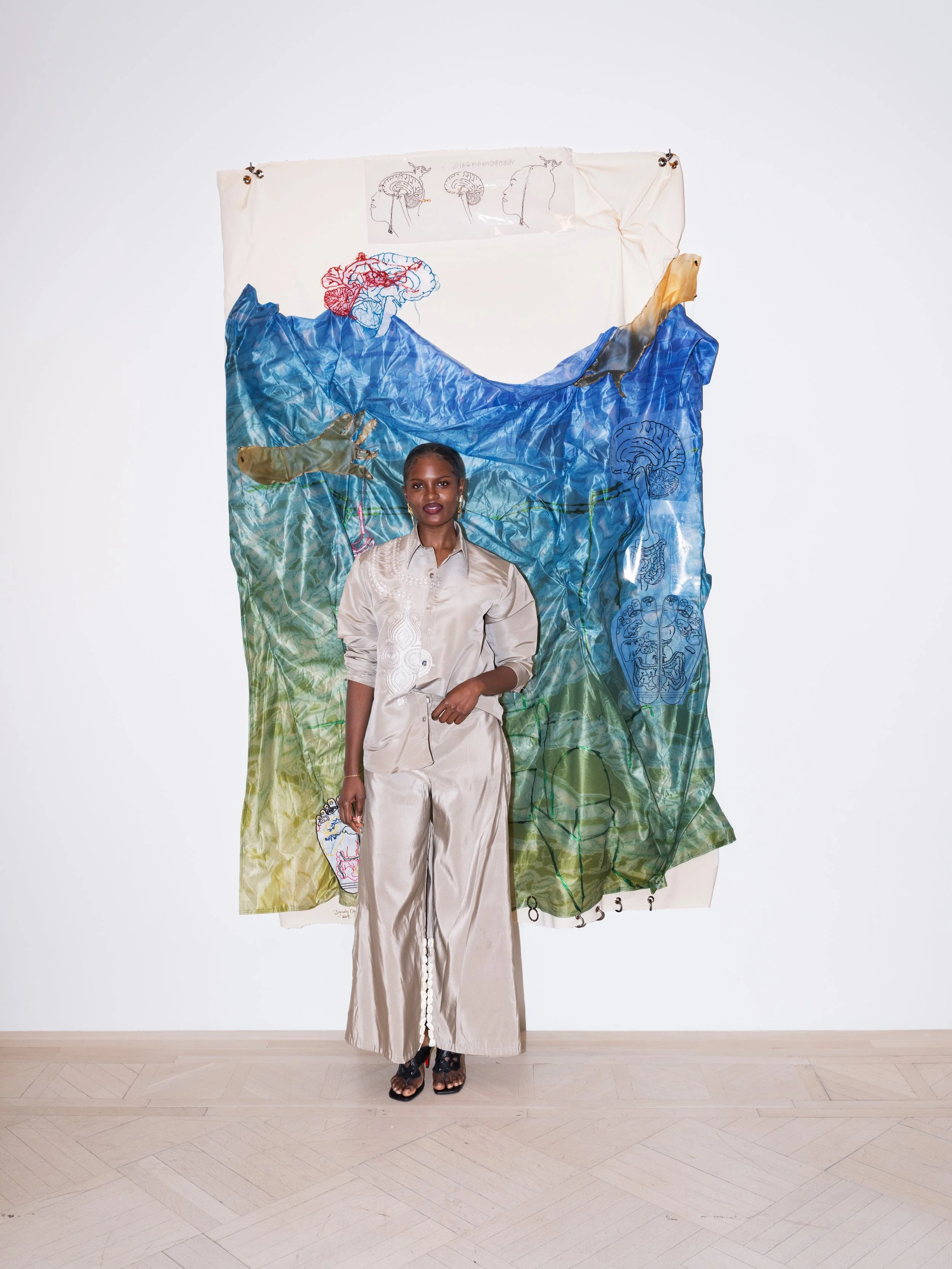
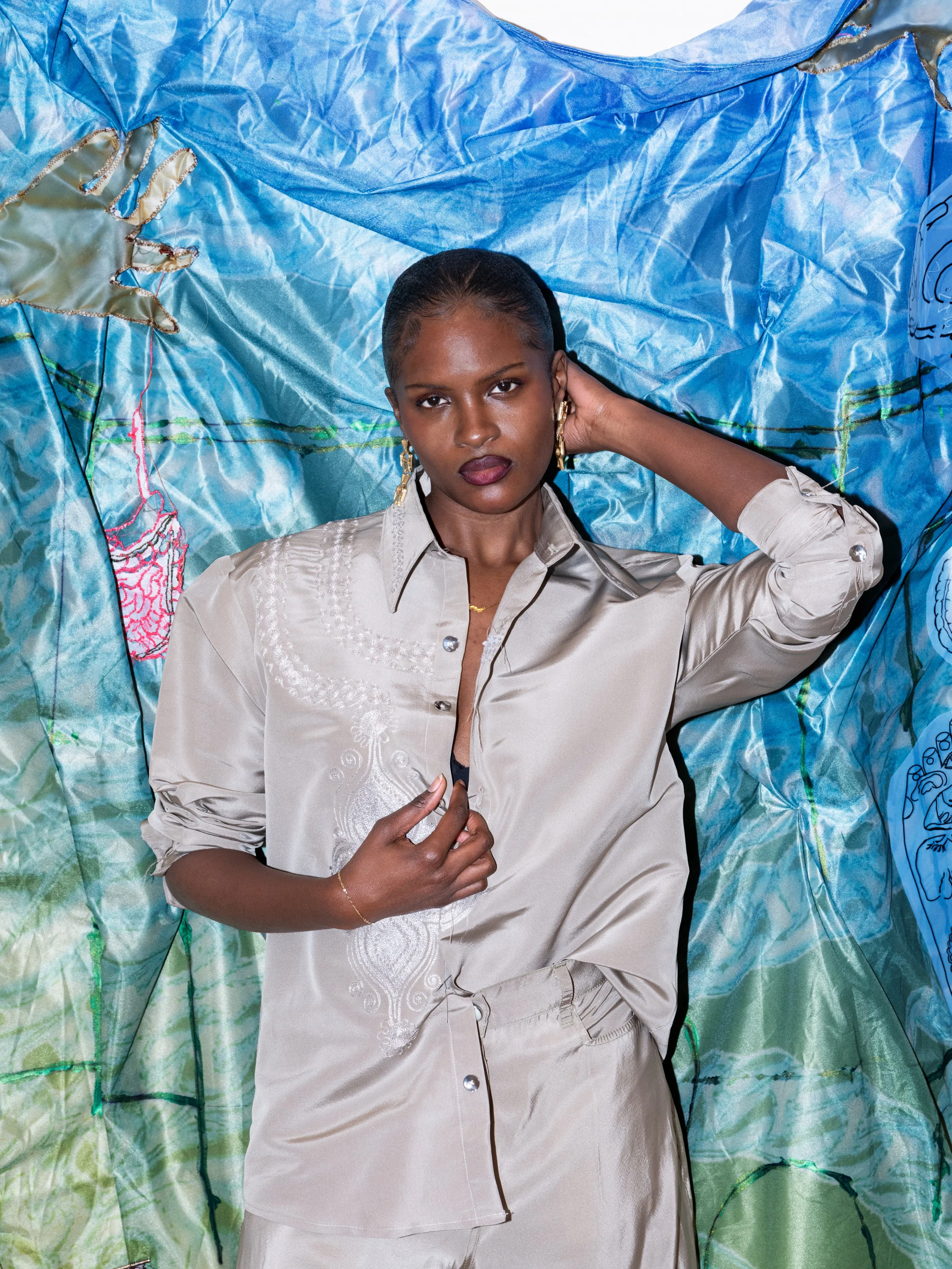
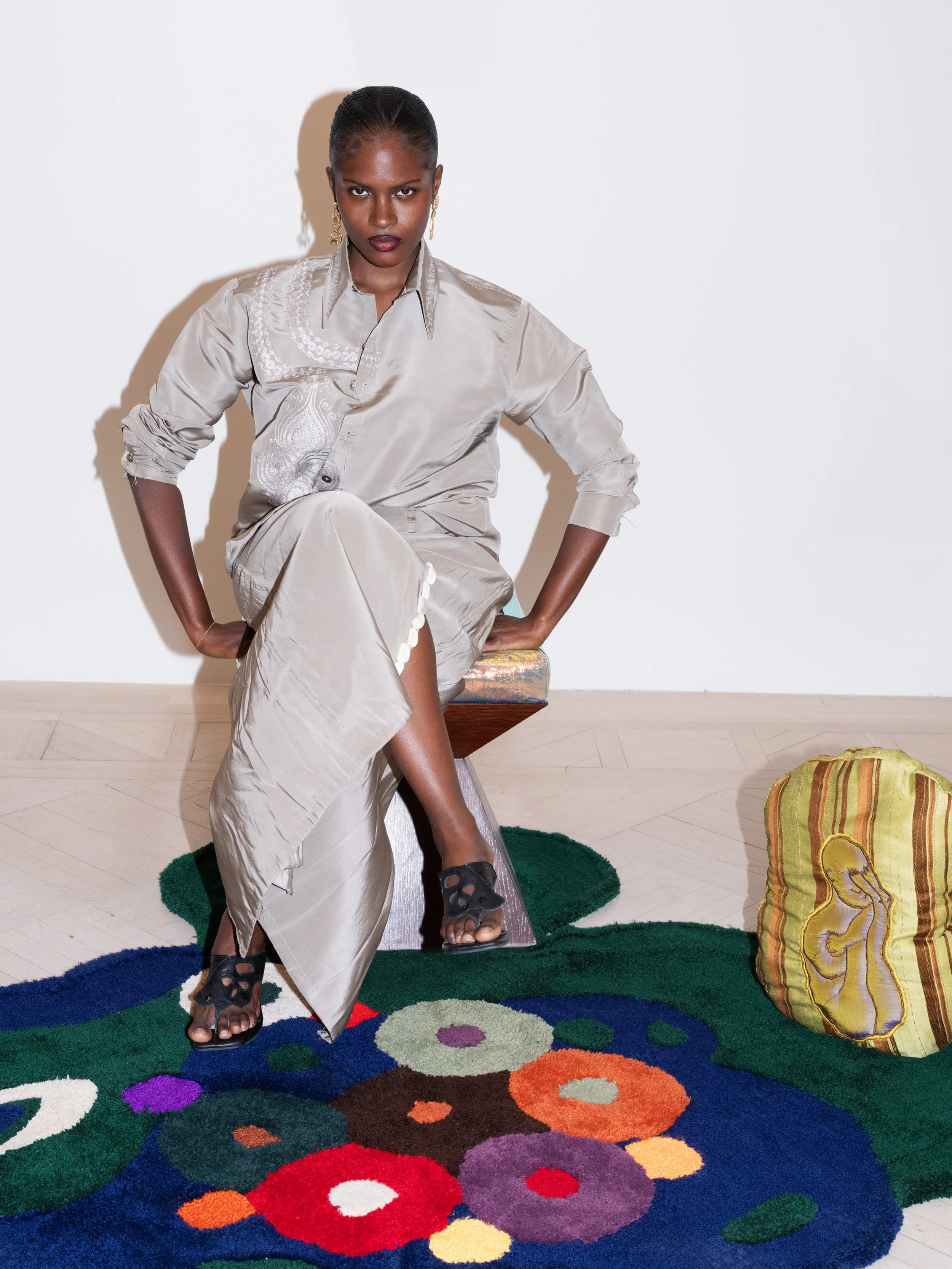
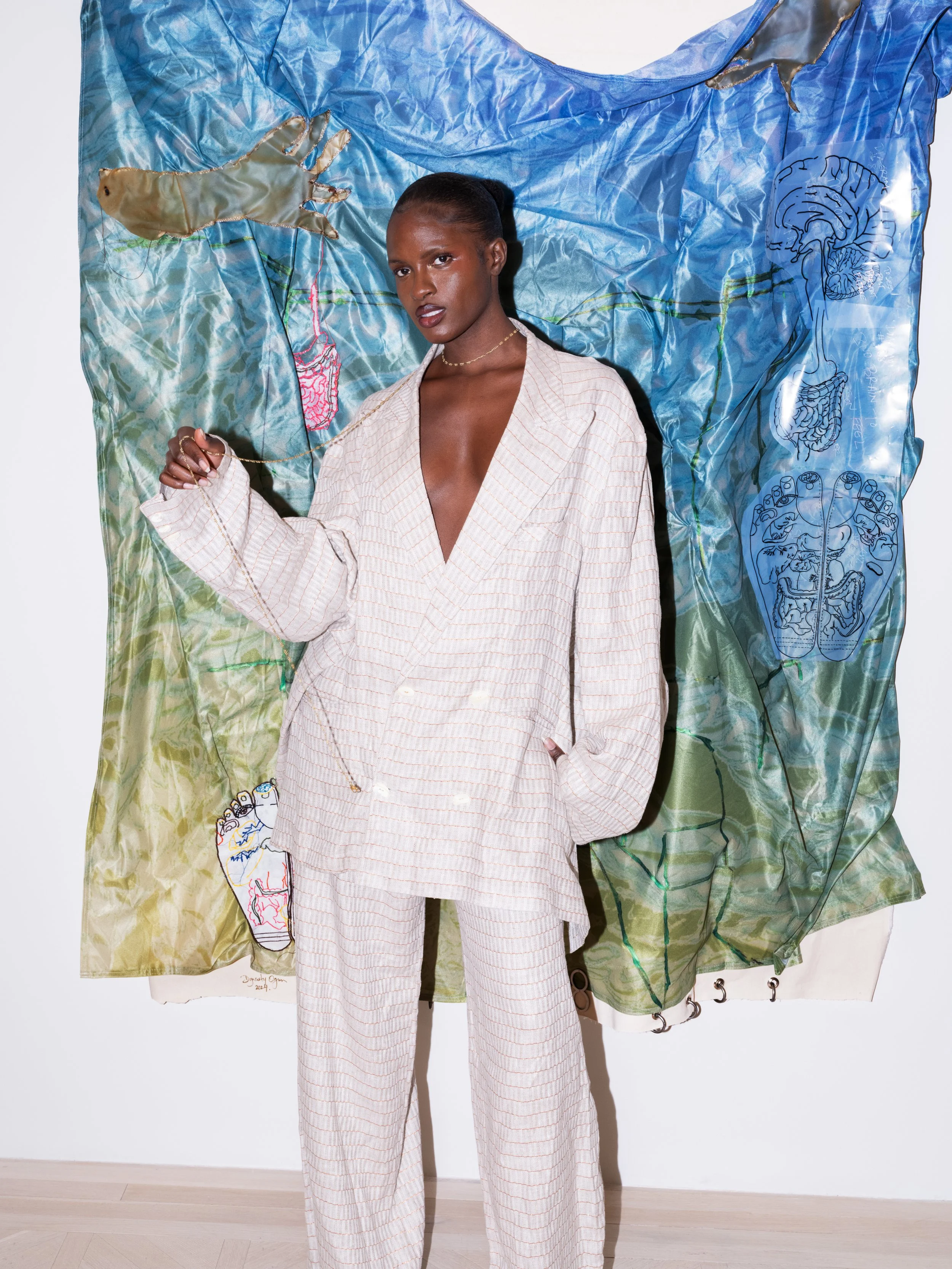
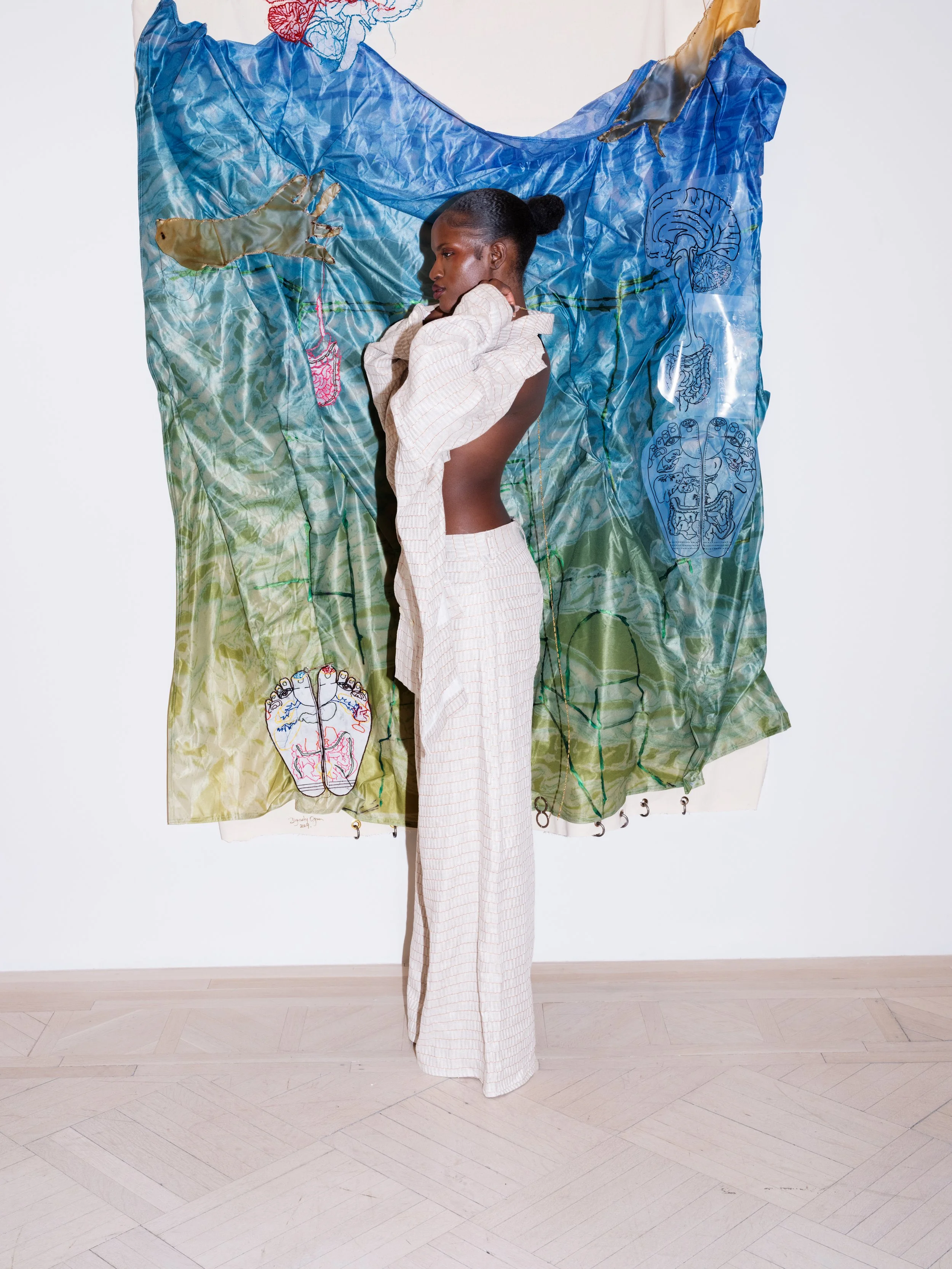
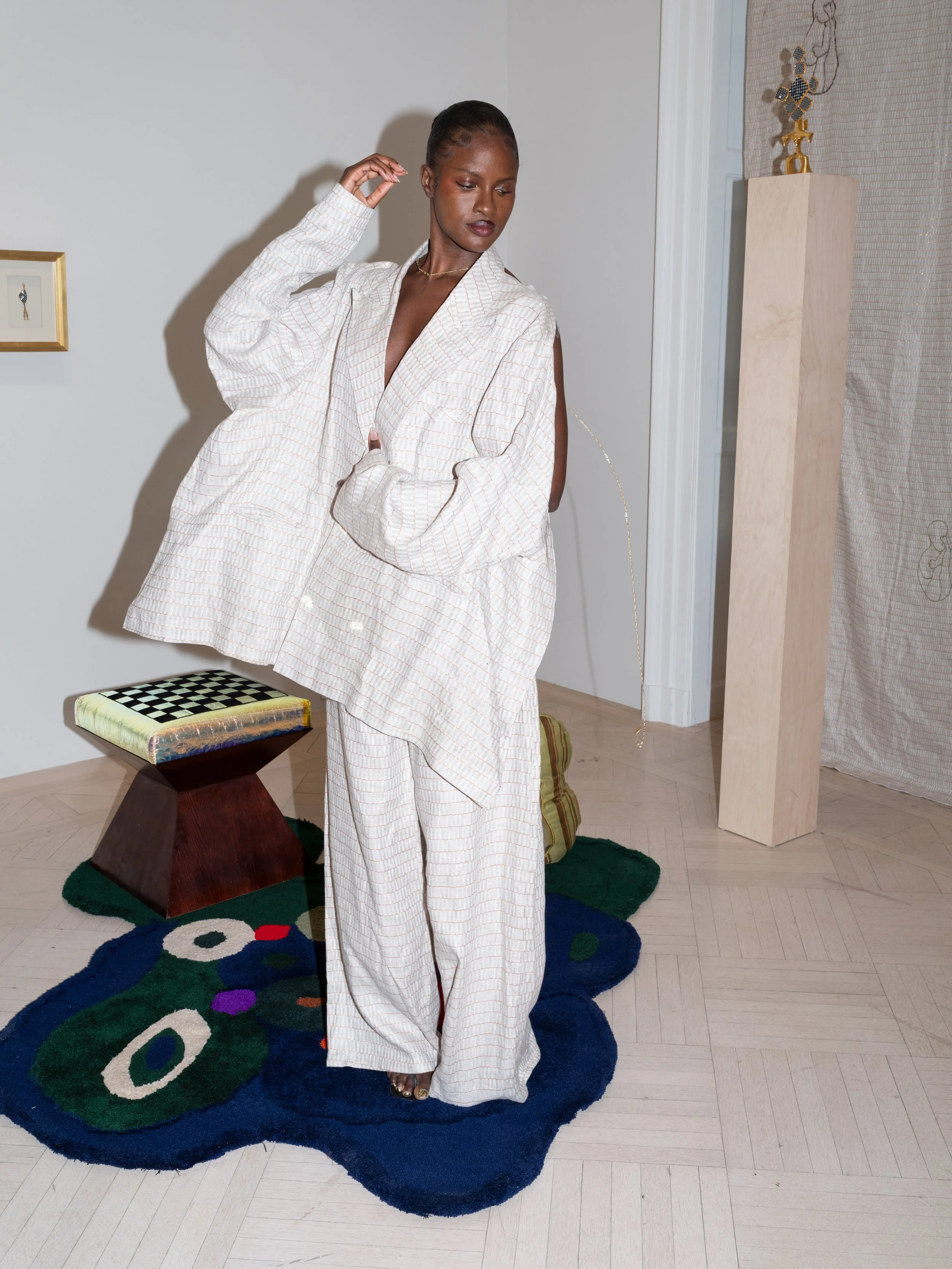
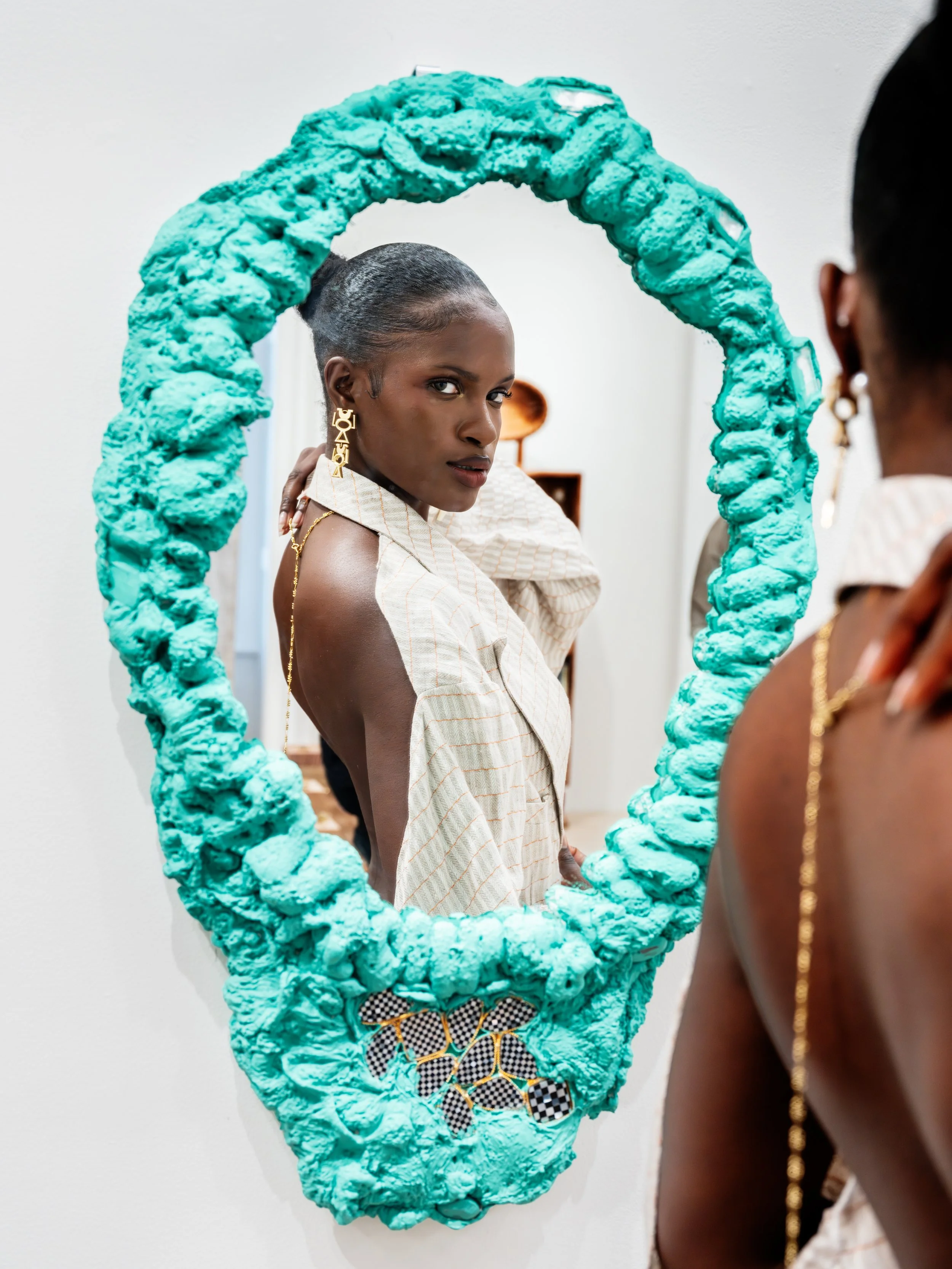
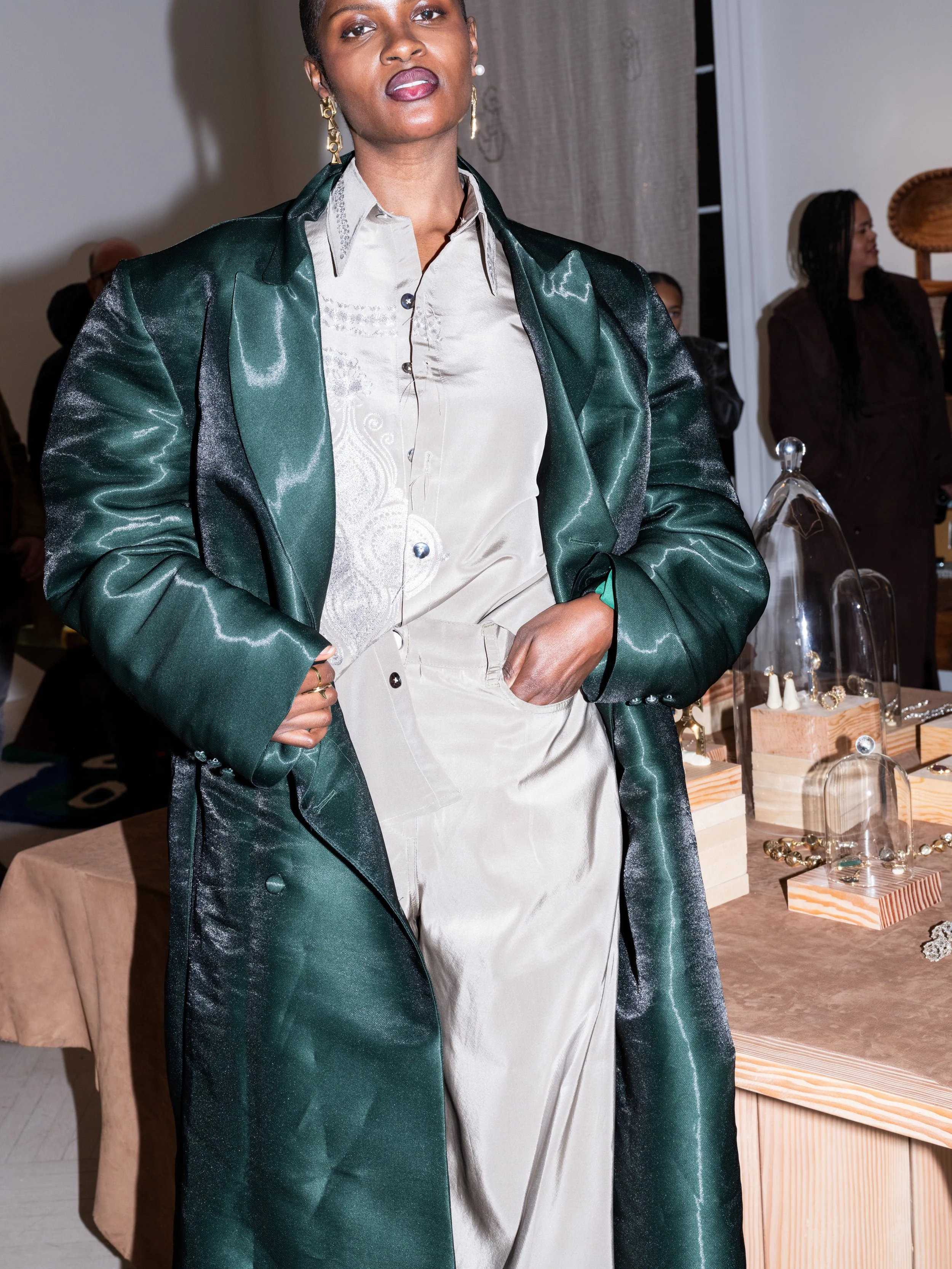
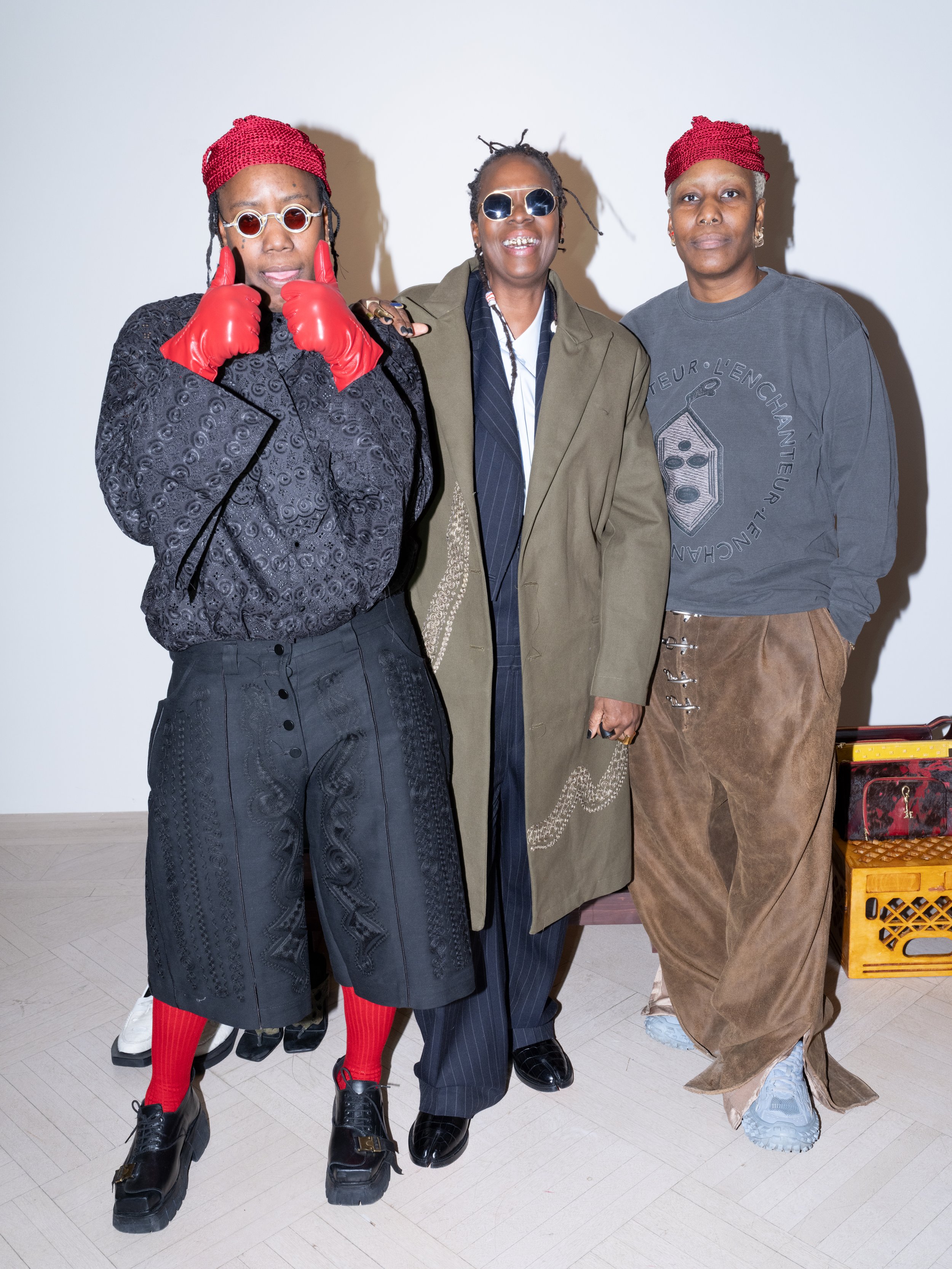
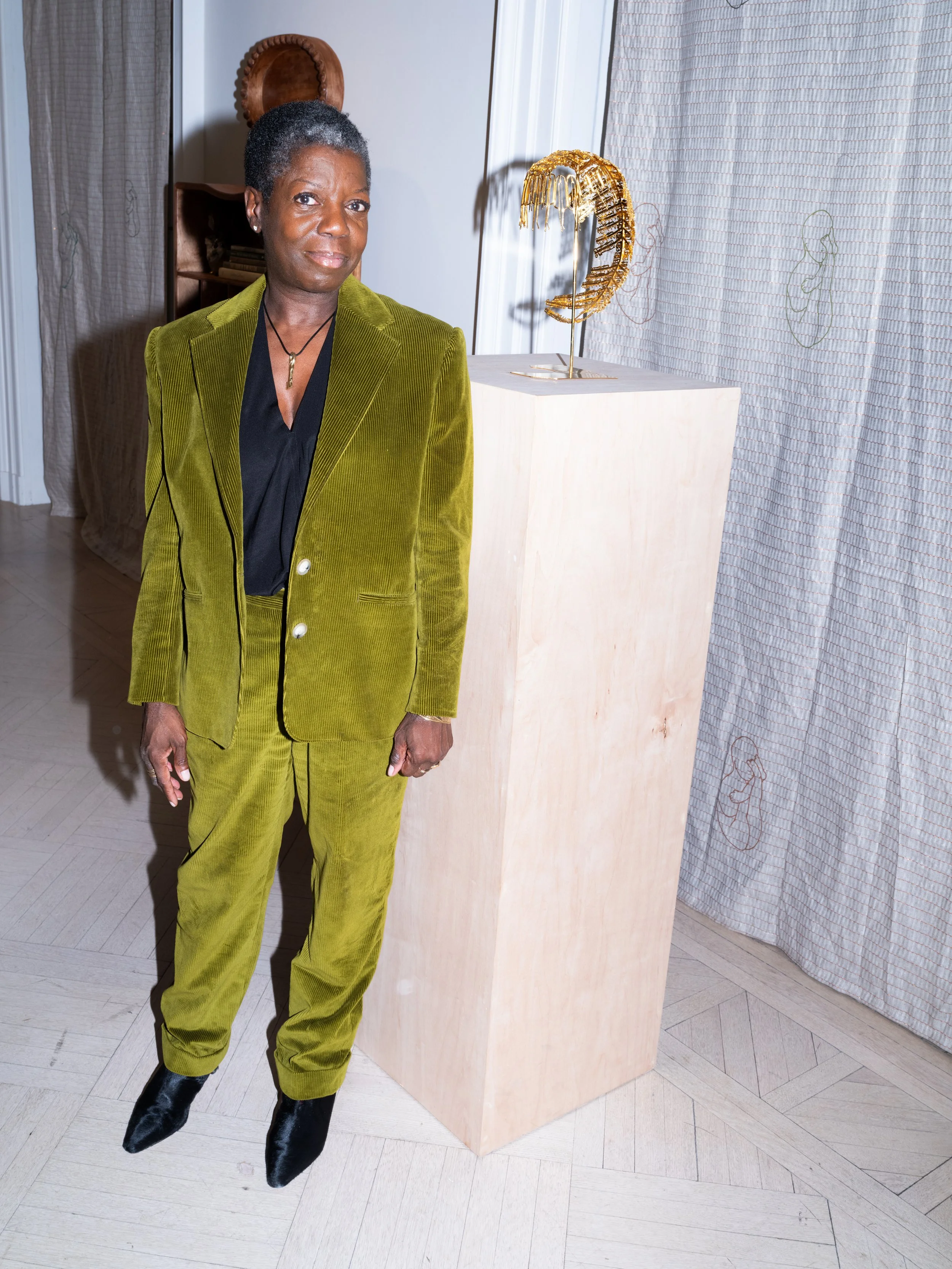
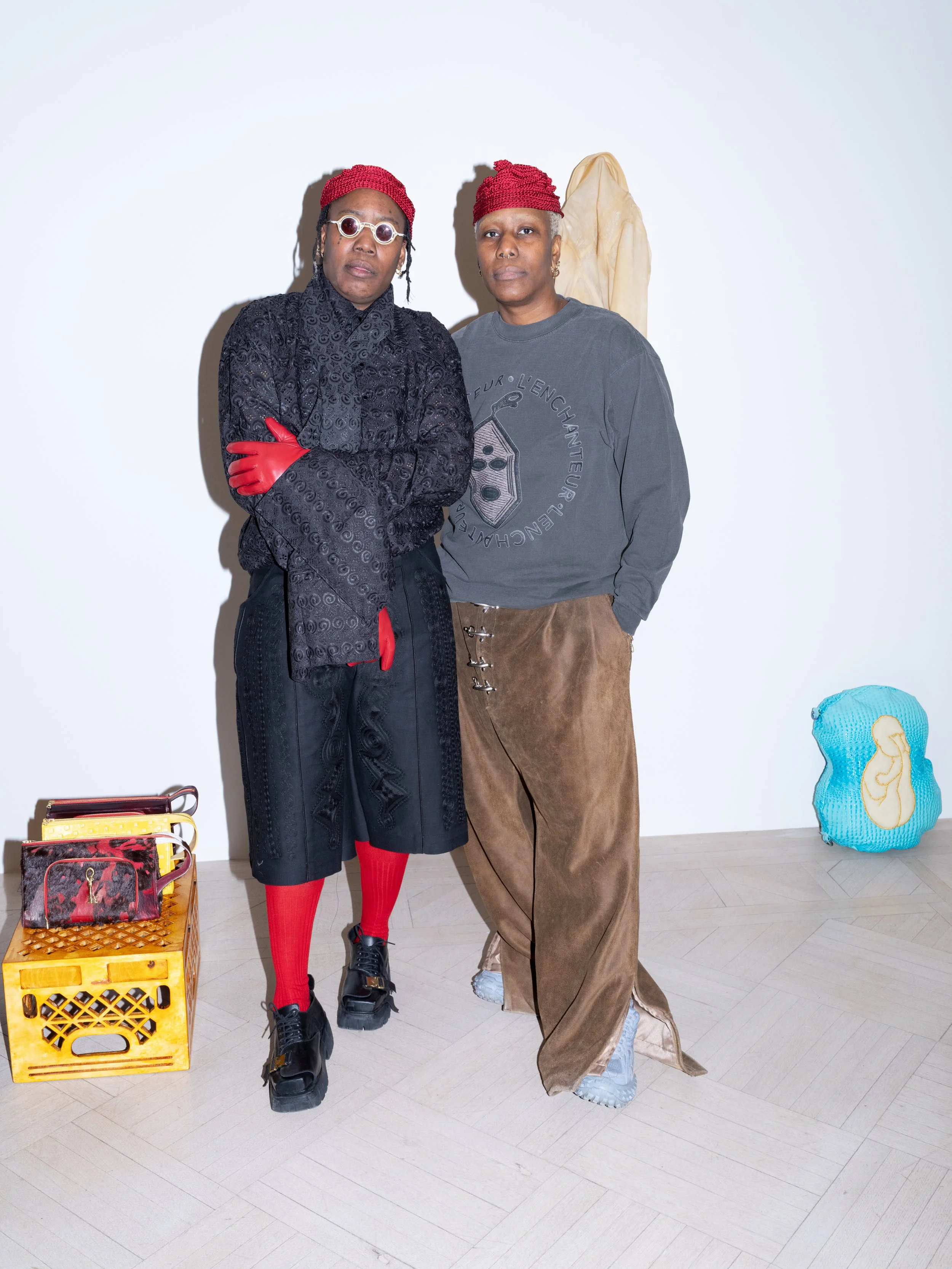
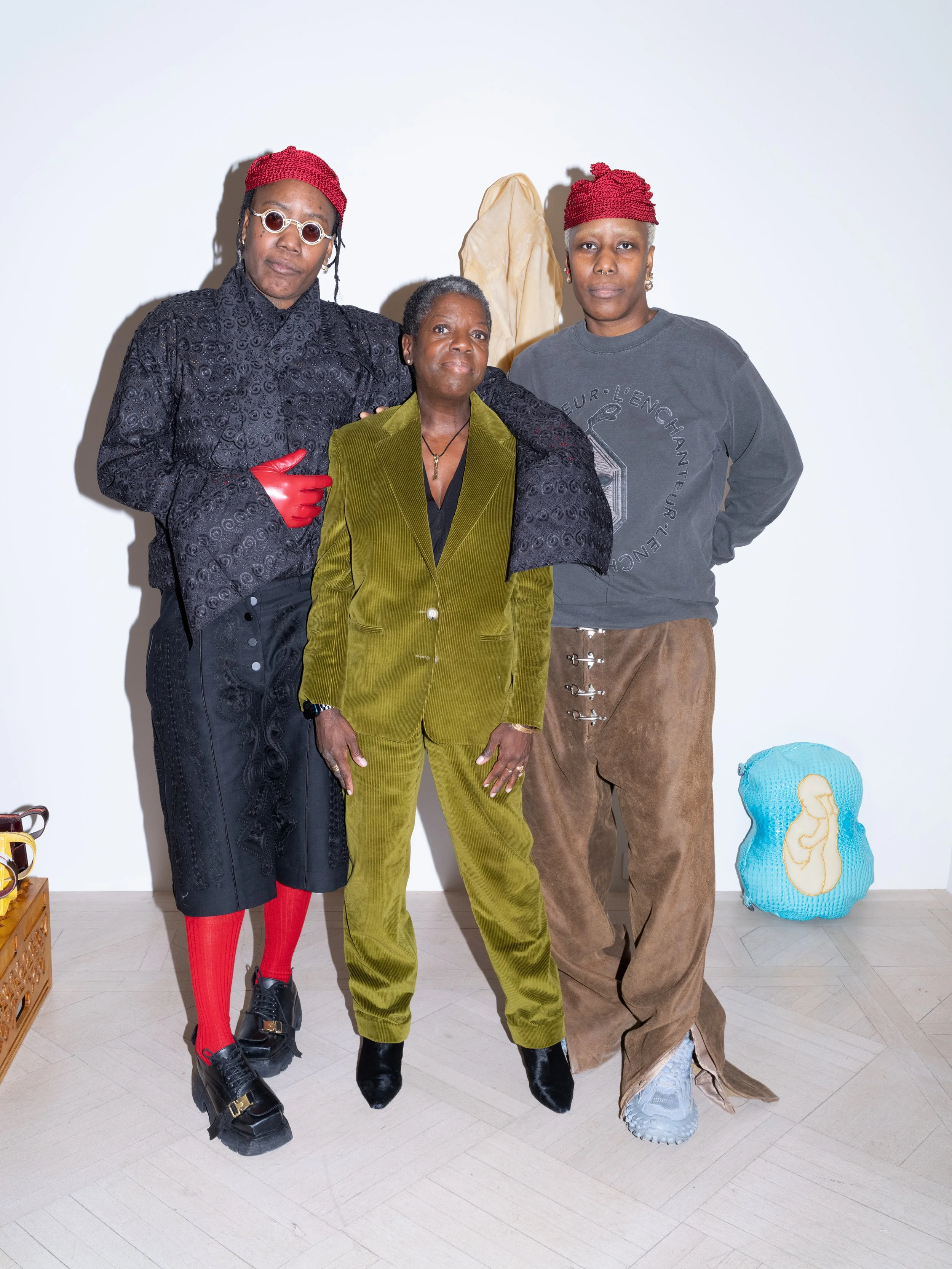
Photography by Pierce Sapper, Words by Joana Meurkens
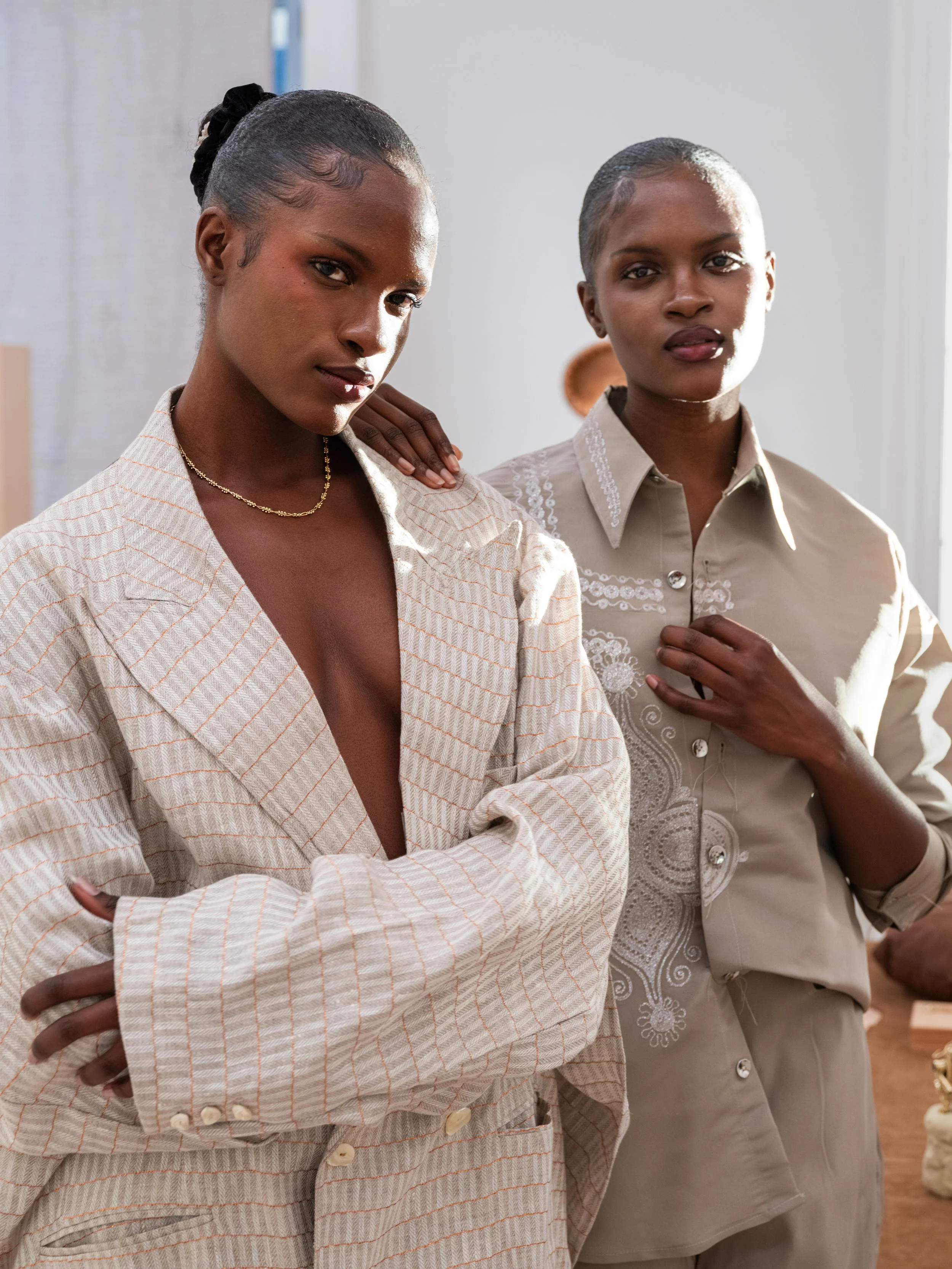
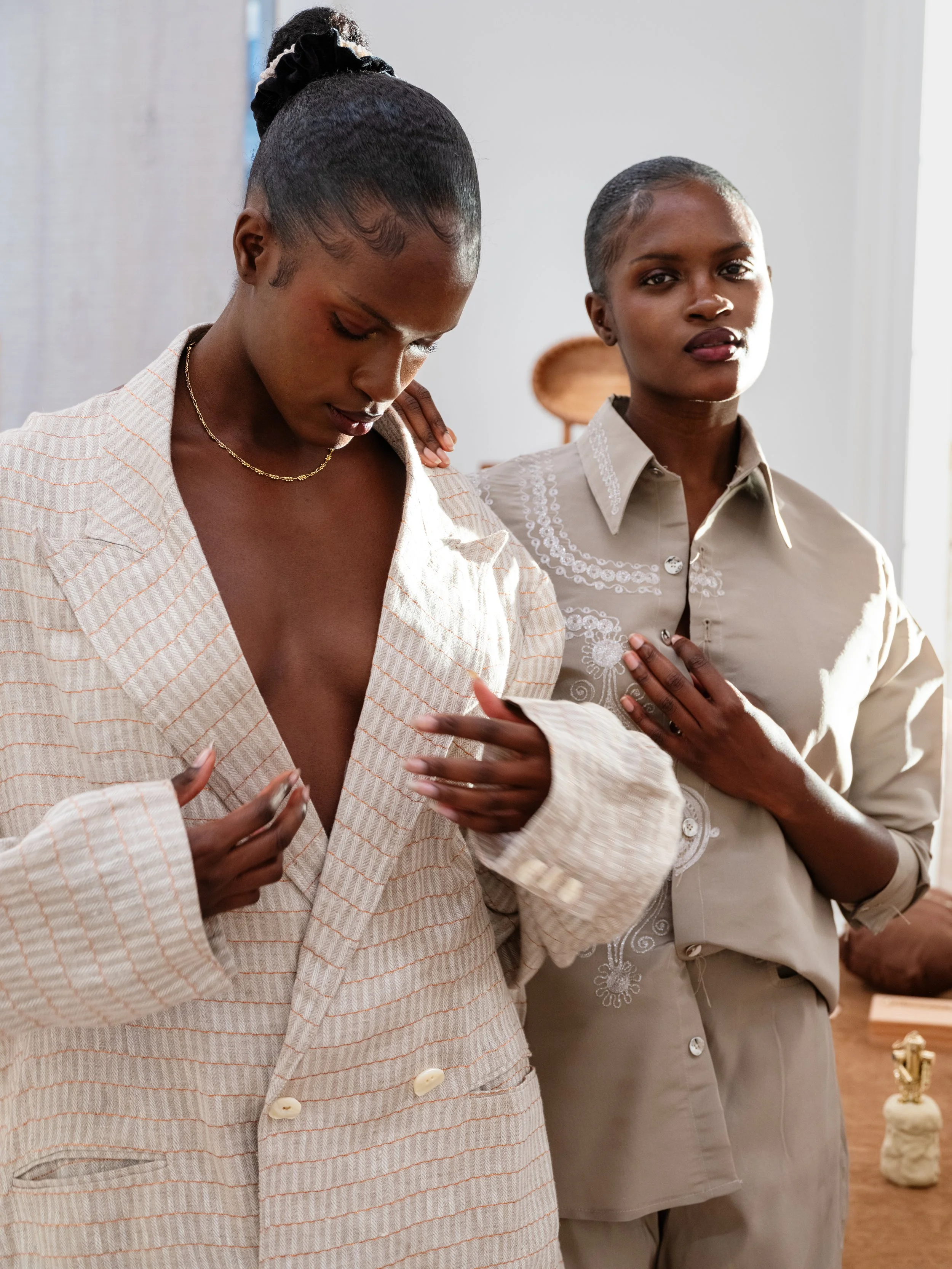
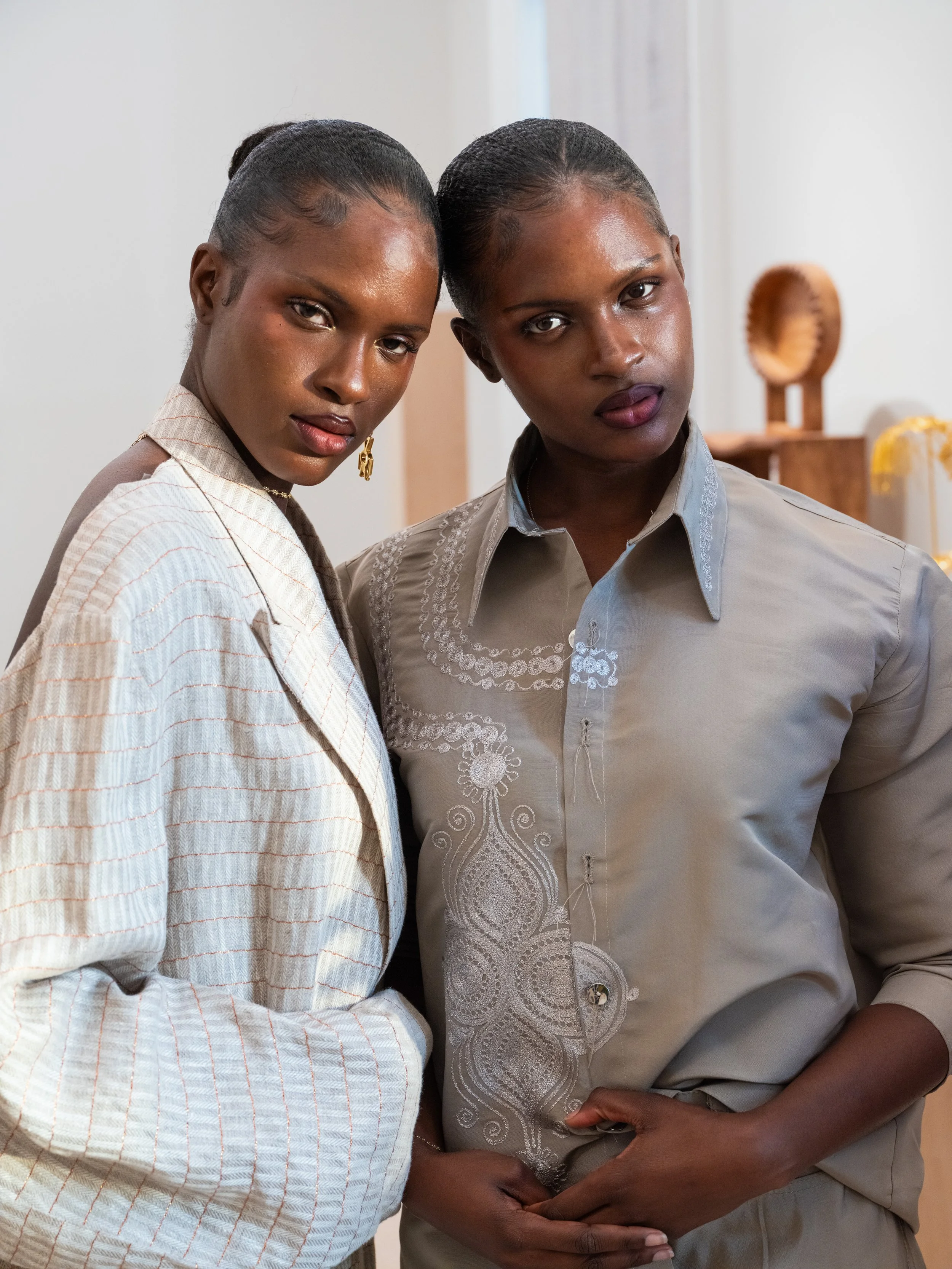
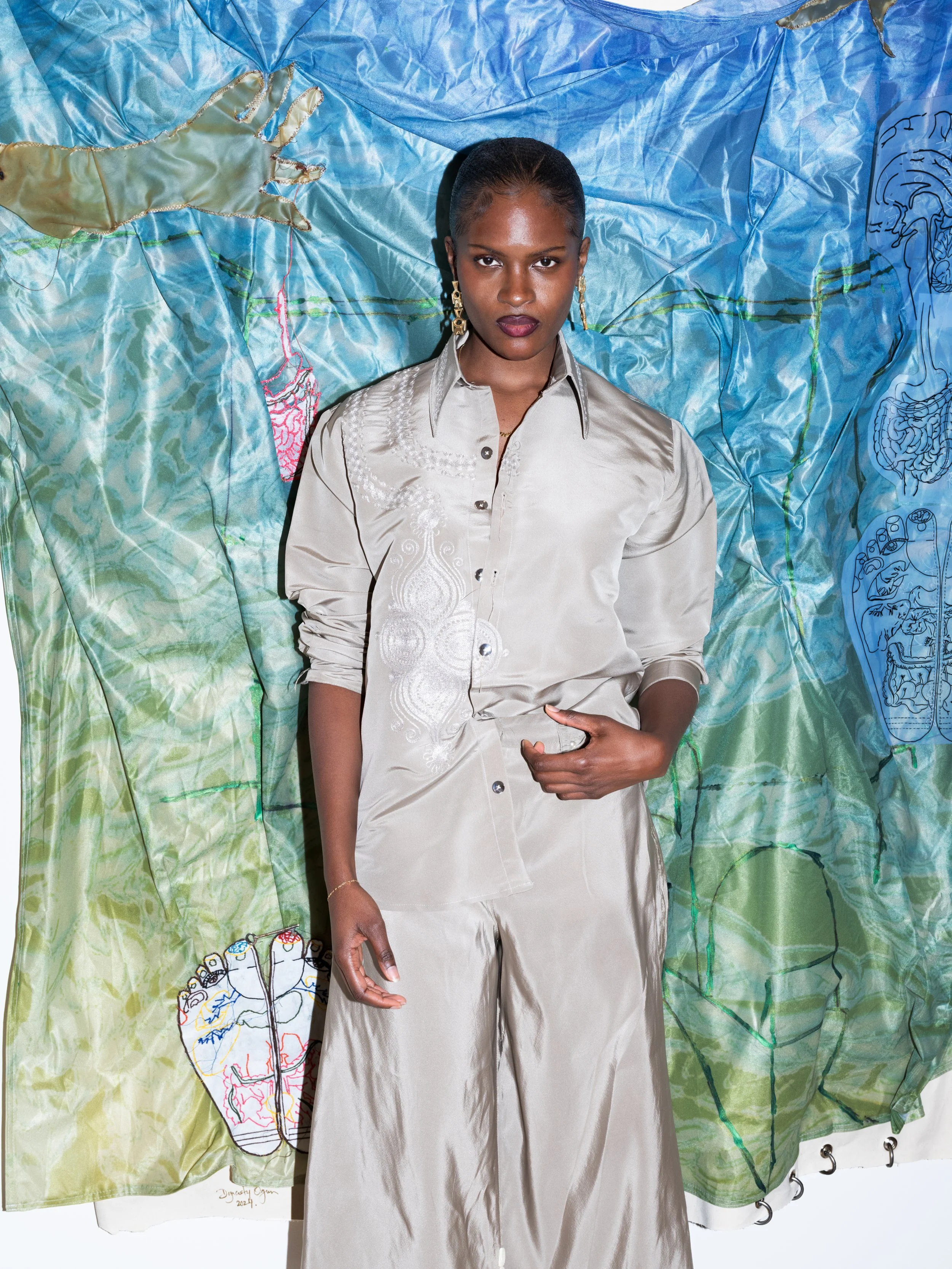
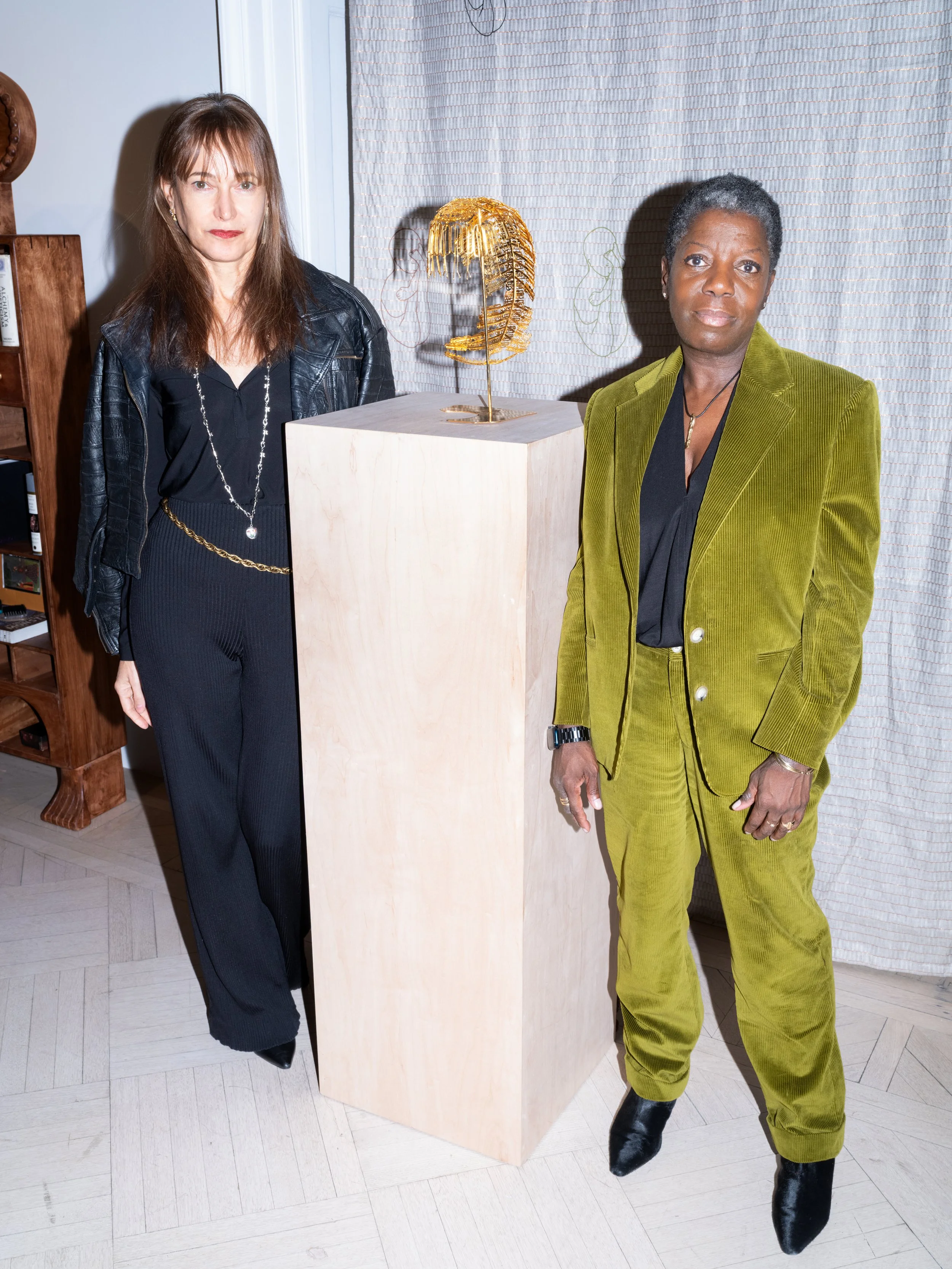
On Friday February 13th, L’Enchanteur brought an exclusive viewing of their FW26 collection and performance, K.O.D.E. Yes, I Do, to the prestigious art gallery Salon94 nestled in Manhattan’s Upper East Side.
The collection was centered around a performance effervescent Fall Twins, simply getting ready for a night out. It was unclear what their final destination was, but the calm, cool, and intimate manner of their speaking was something many of us go through in our daily lives. Each piece they picked out was like a piece of glamorous armor, and the two shined brightly in the rich earth tones of the garments and stood like effortless royalty in the jewelry they selected for each other.
This private moment shared with the audience evoked the feeling of how important it is to feel good in what you wear. The performance felt like an ode to the founders themselves, Dynasty and Soull Ogun, who have used their shared connection as twins to create such a powerful brand rooted in familial love and divine elegance.
The clothing was a play on staple pieces, spicing them up through unsuspecting rich emerald oversized coats to compliment the play on their classic suits. The jewelry felt right at home in the renowned gallery because it is a work of art that should be admired, whether that is on a pedestal or a pendant. L’Enchanteur continues to elevate their brand while sticking true to the signature pieces that have garnered the attention of mega stars and awards.
Private Policy
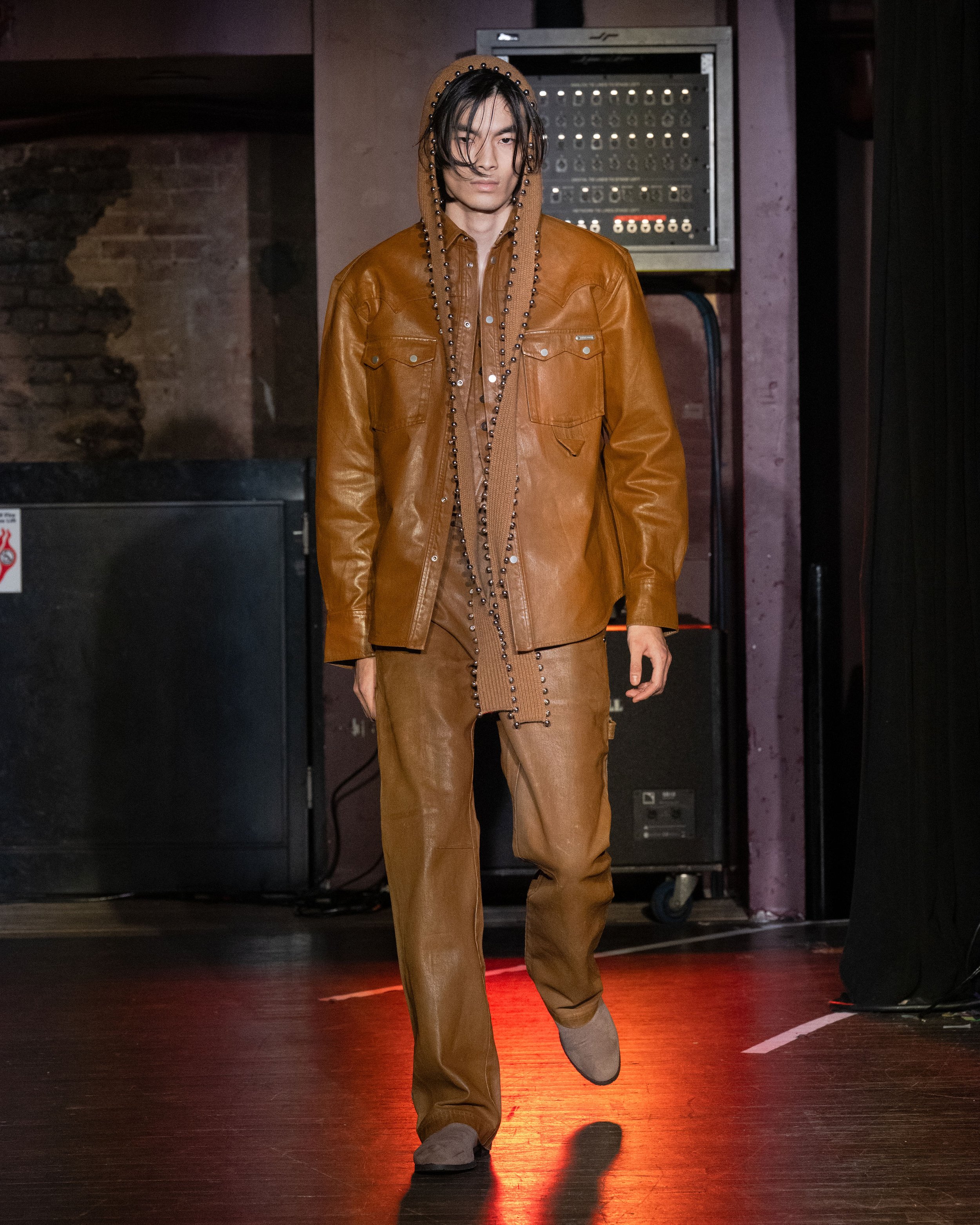
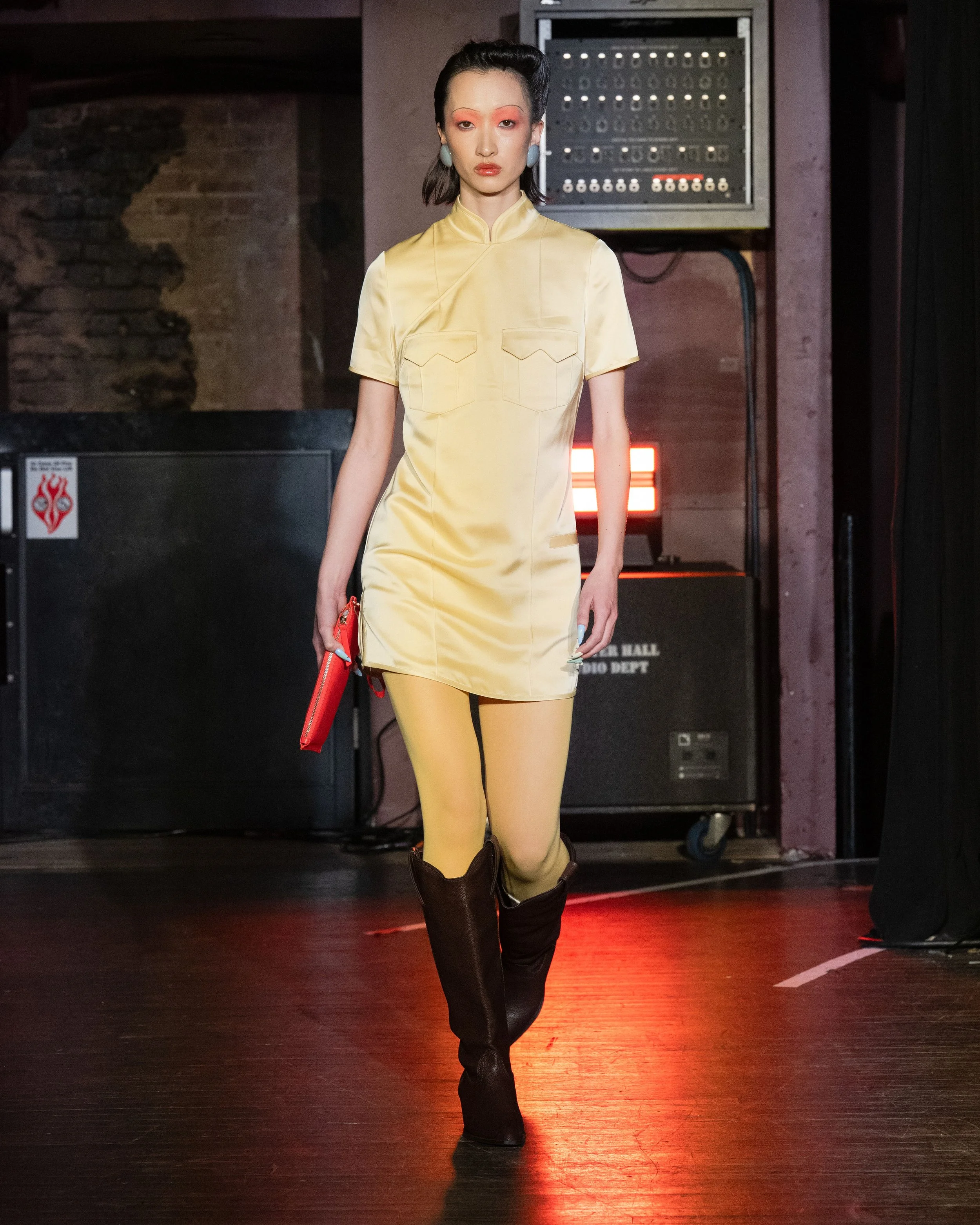
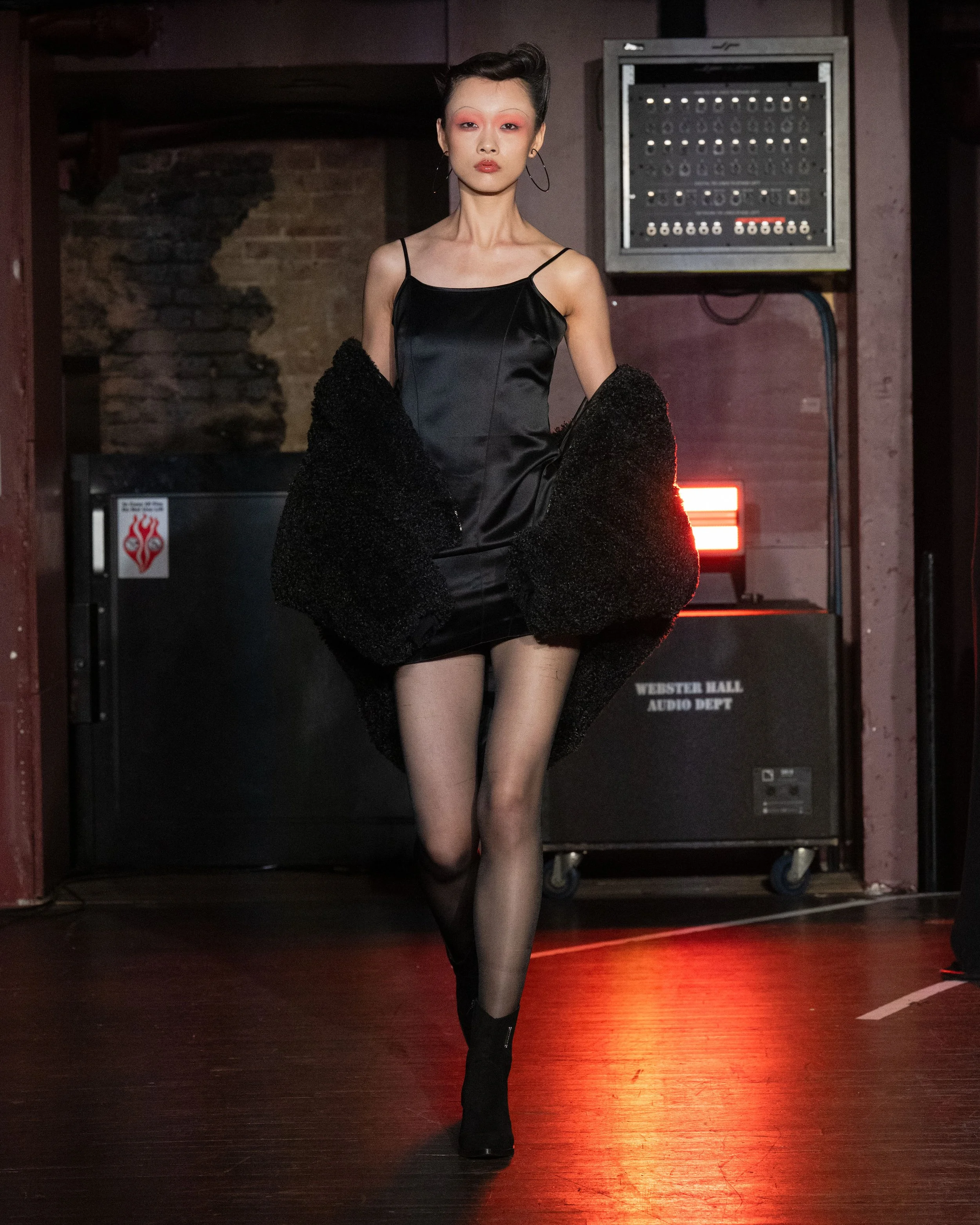
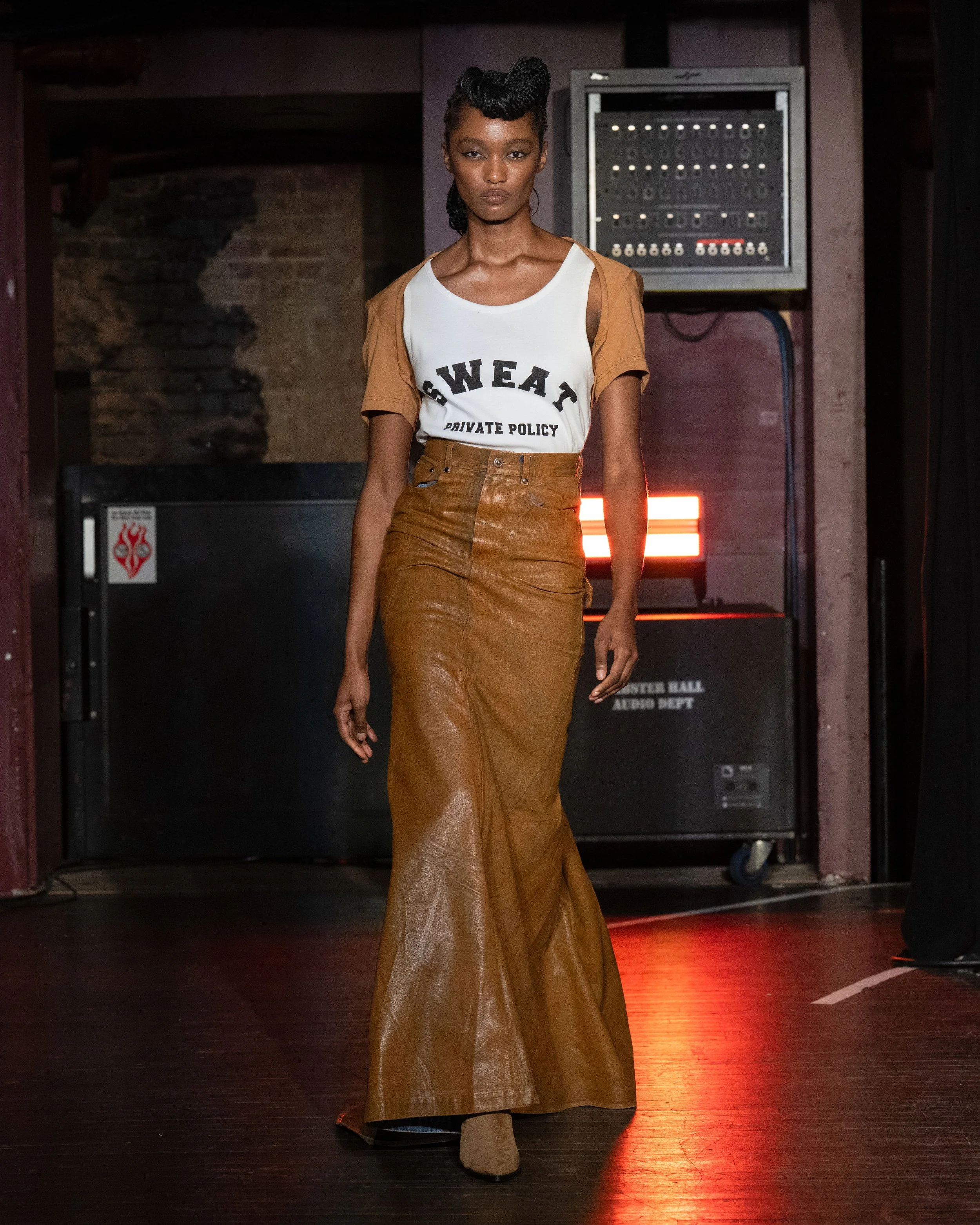
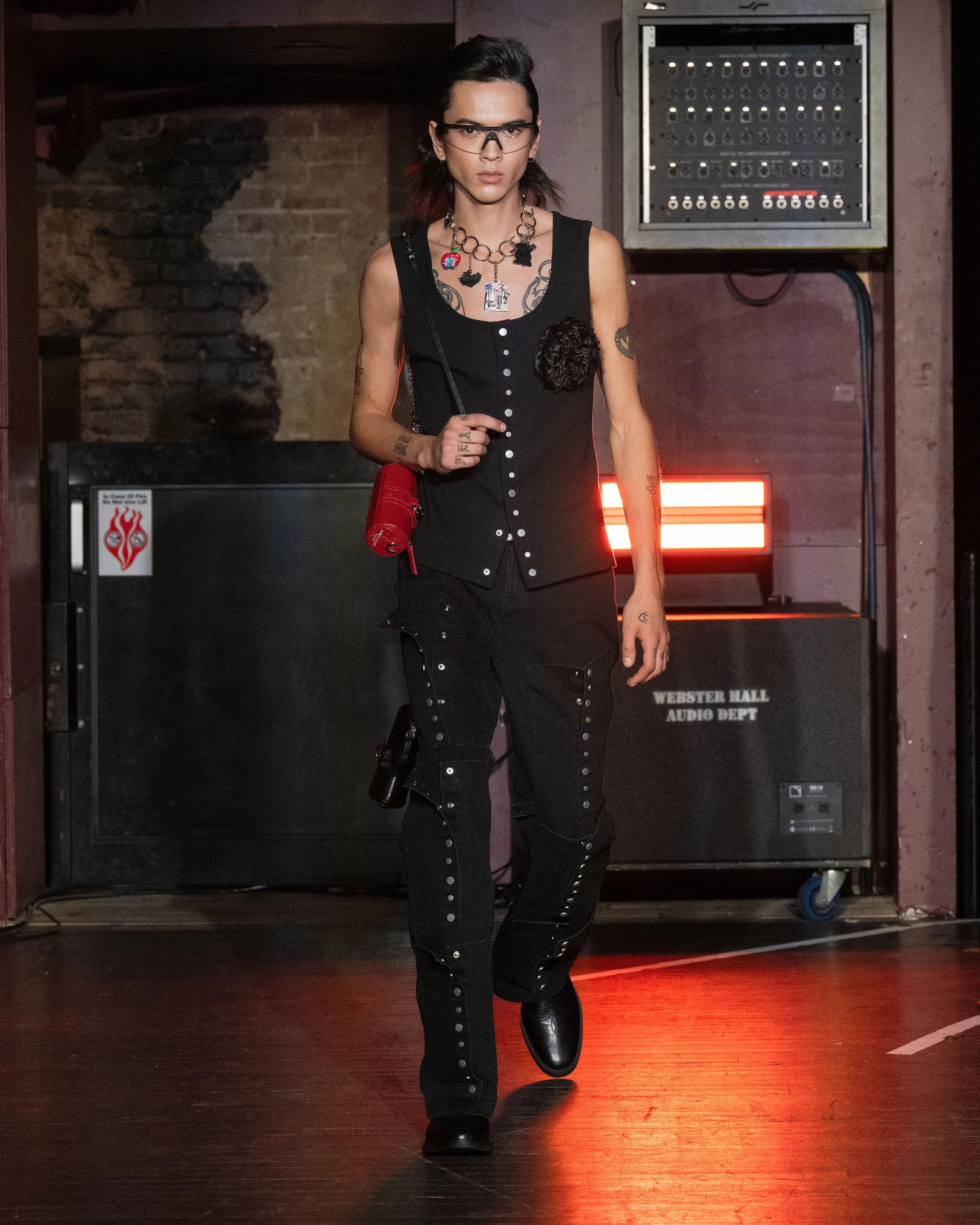
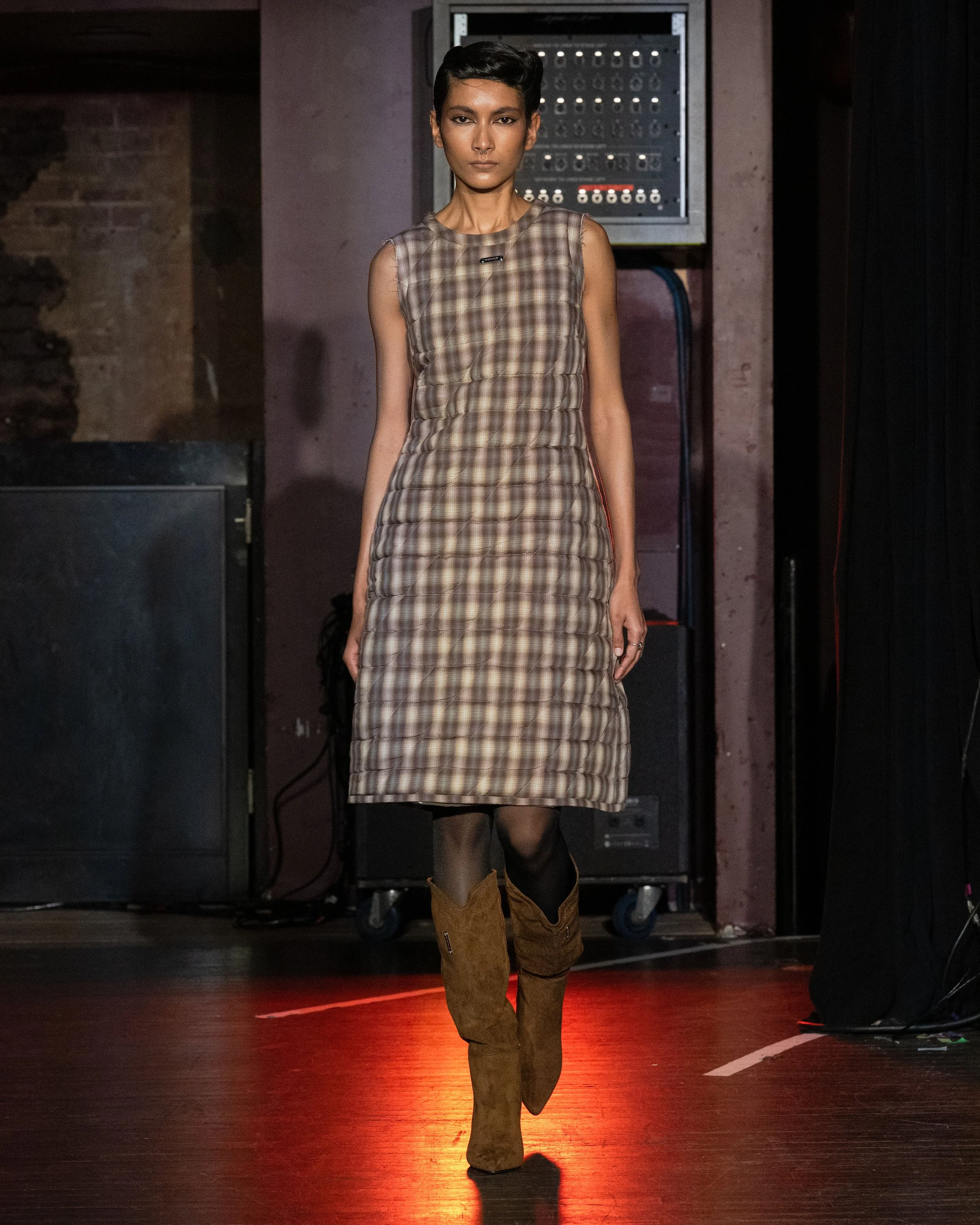
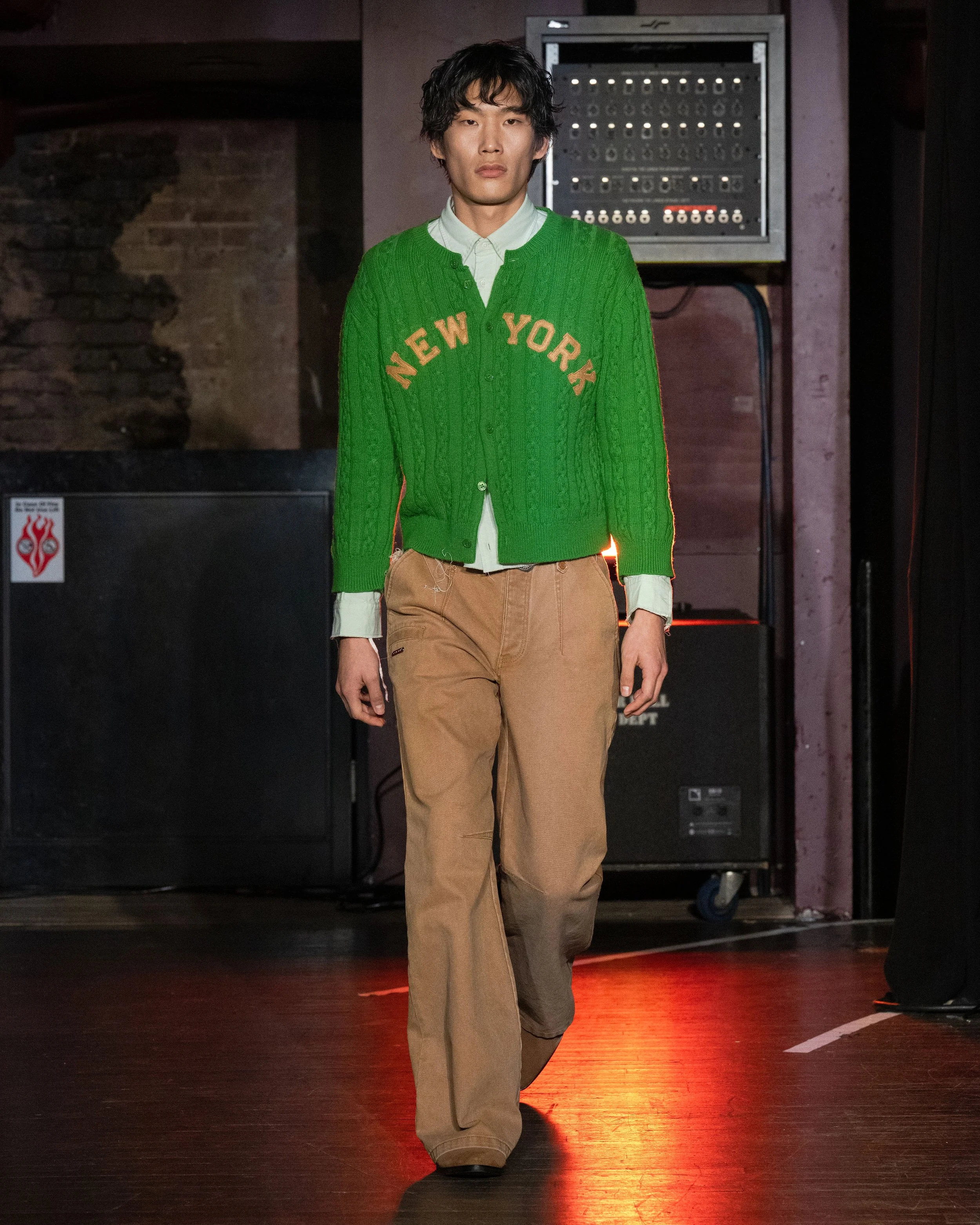
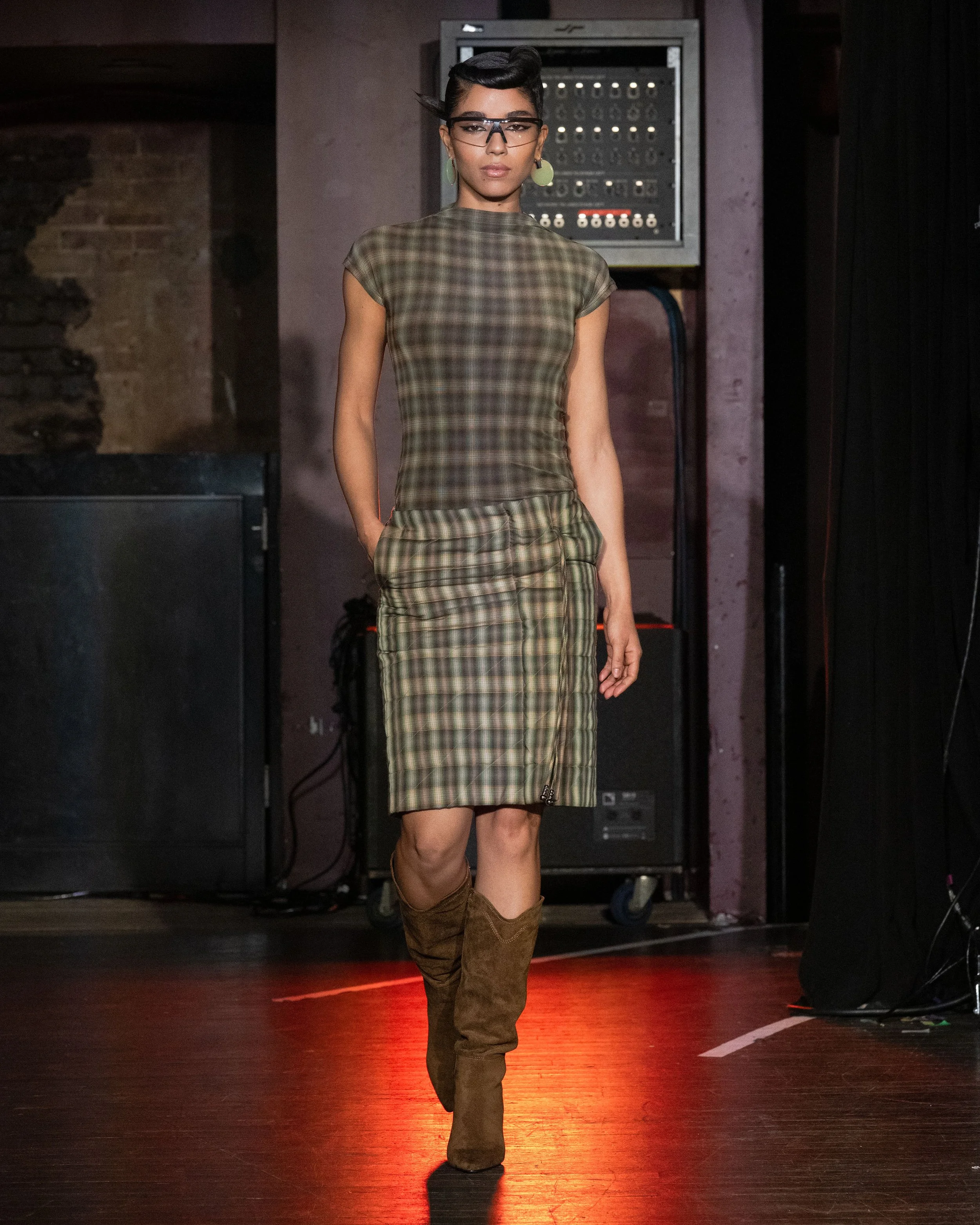
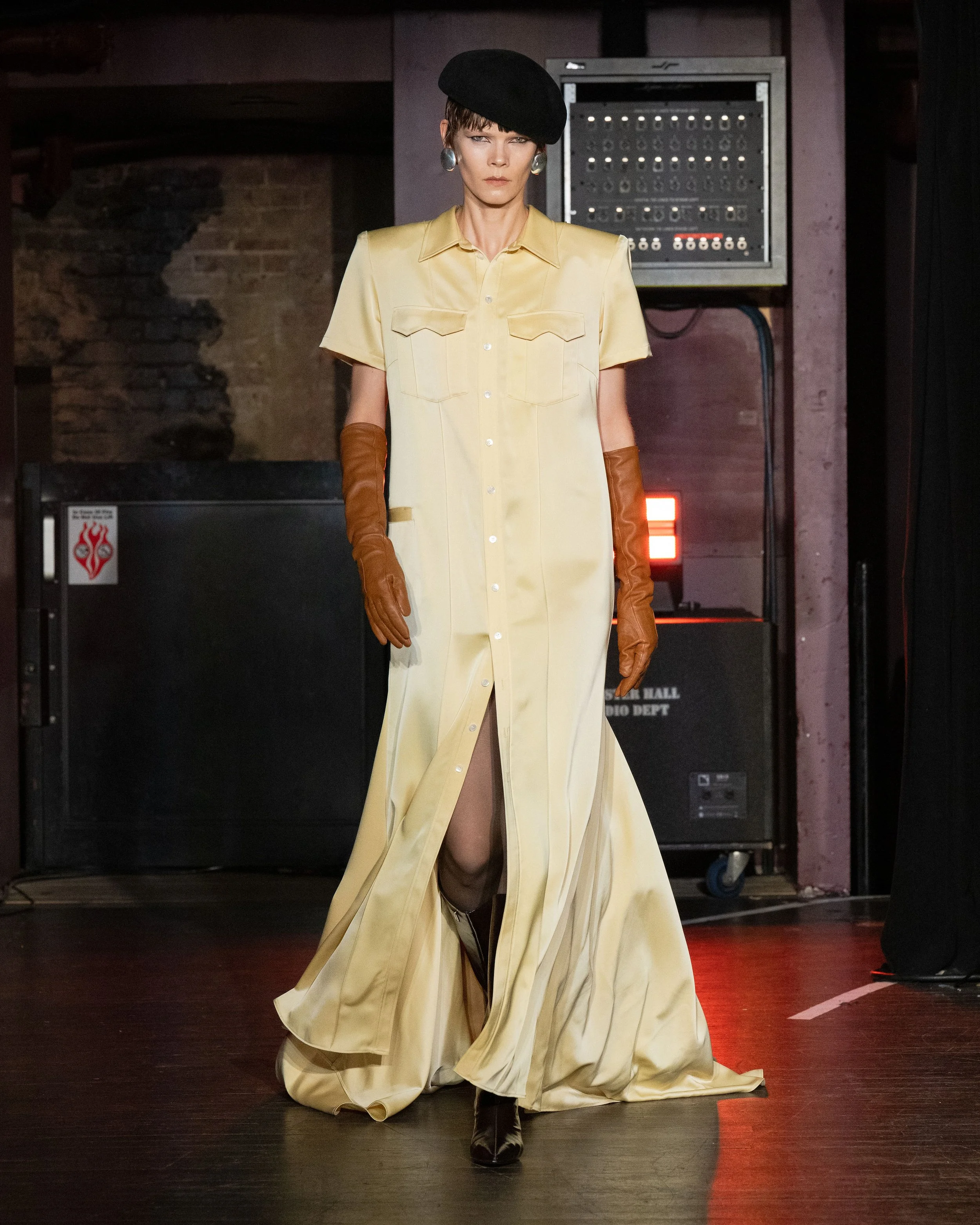
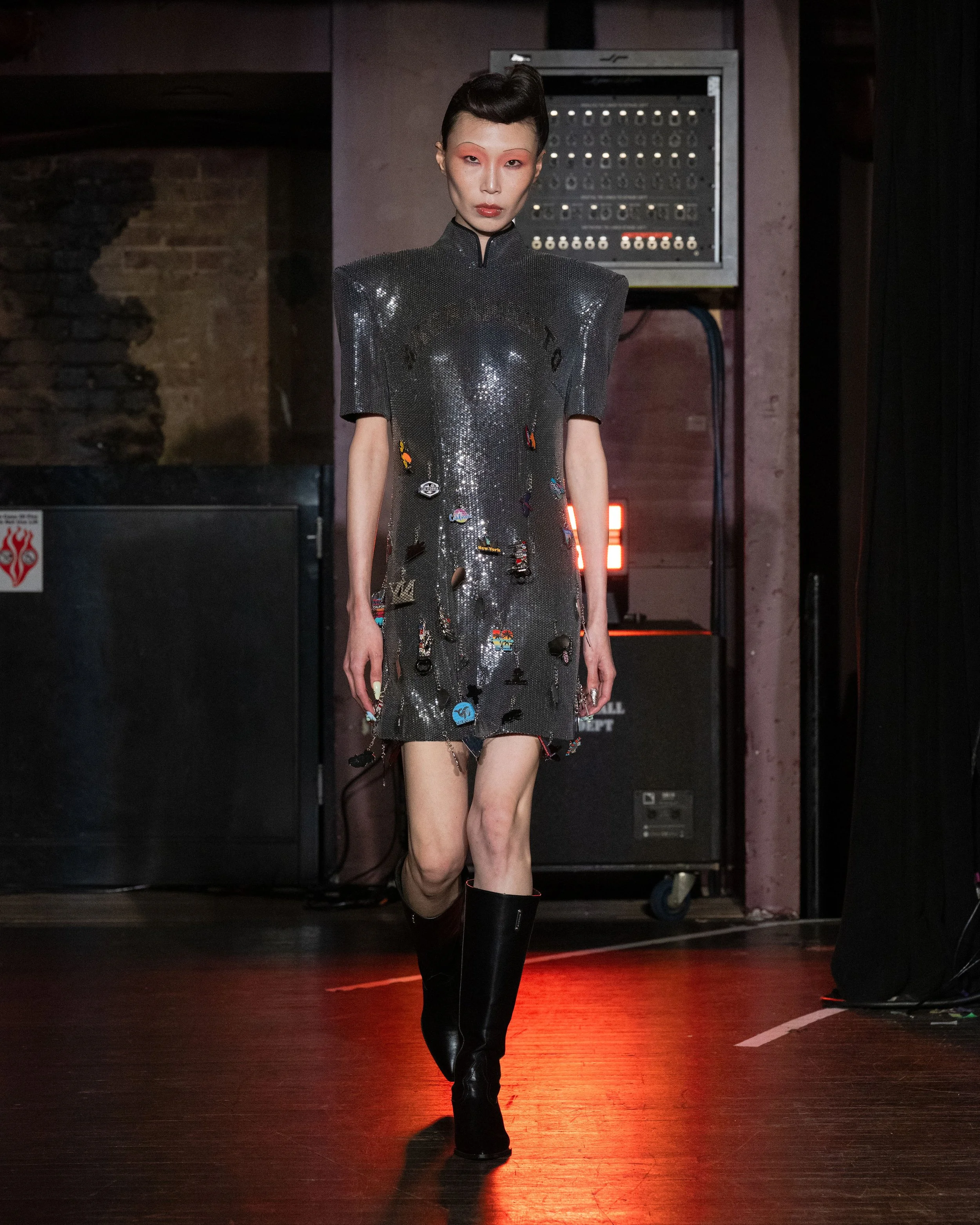
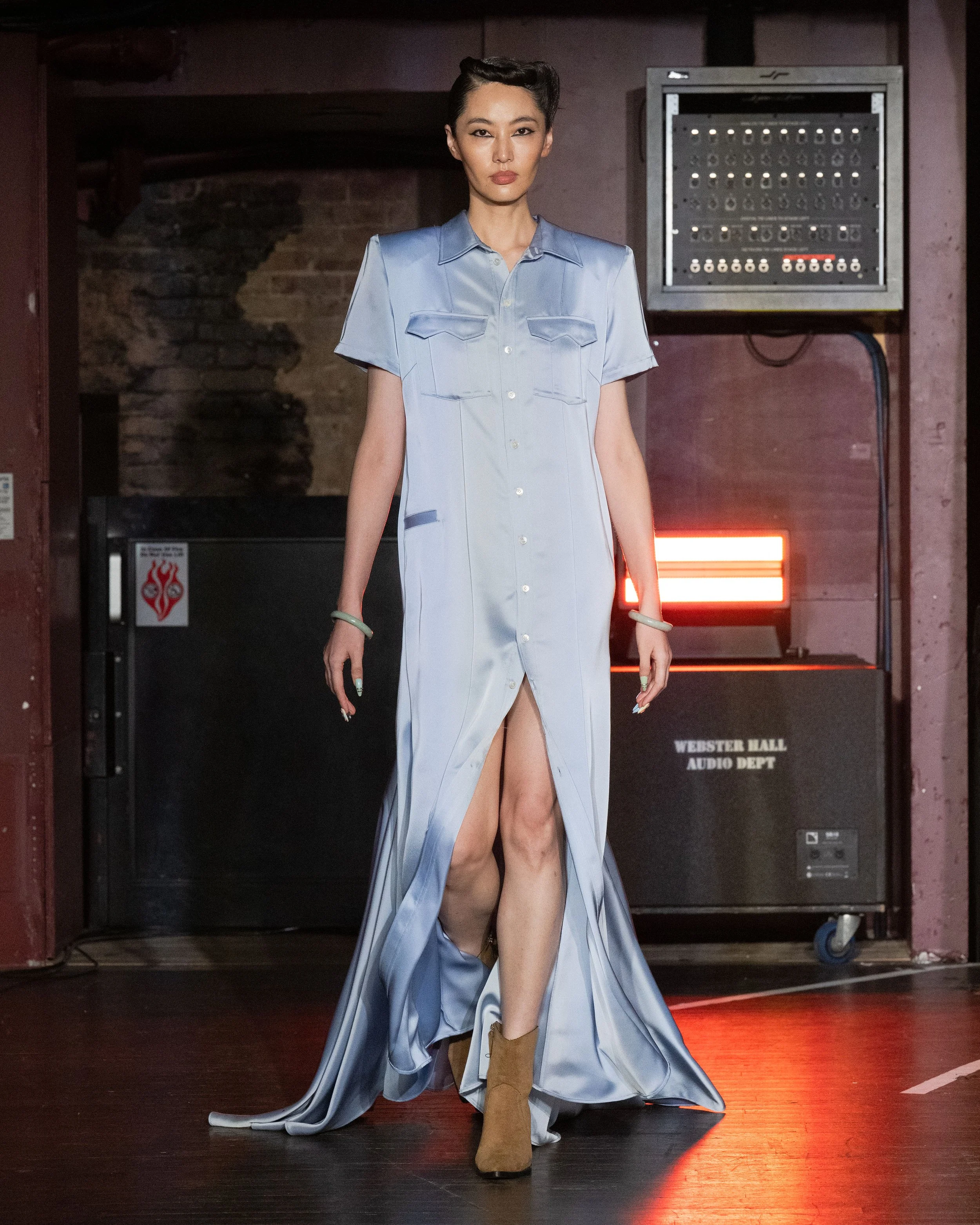
Photography by Kohl Murdock, Words by Annmarie Gajdos
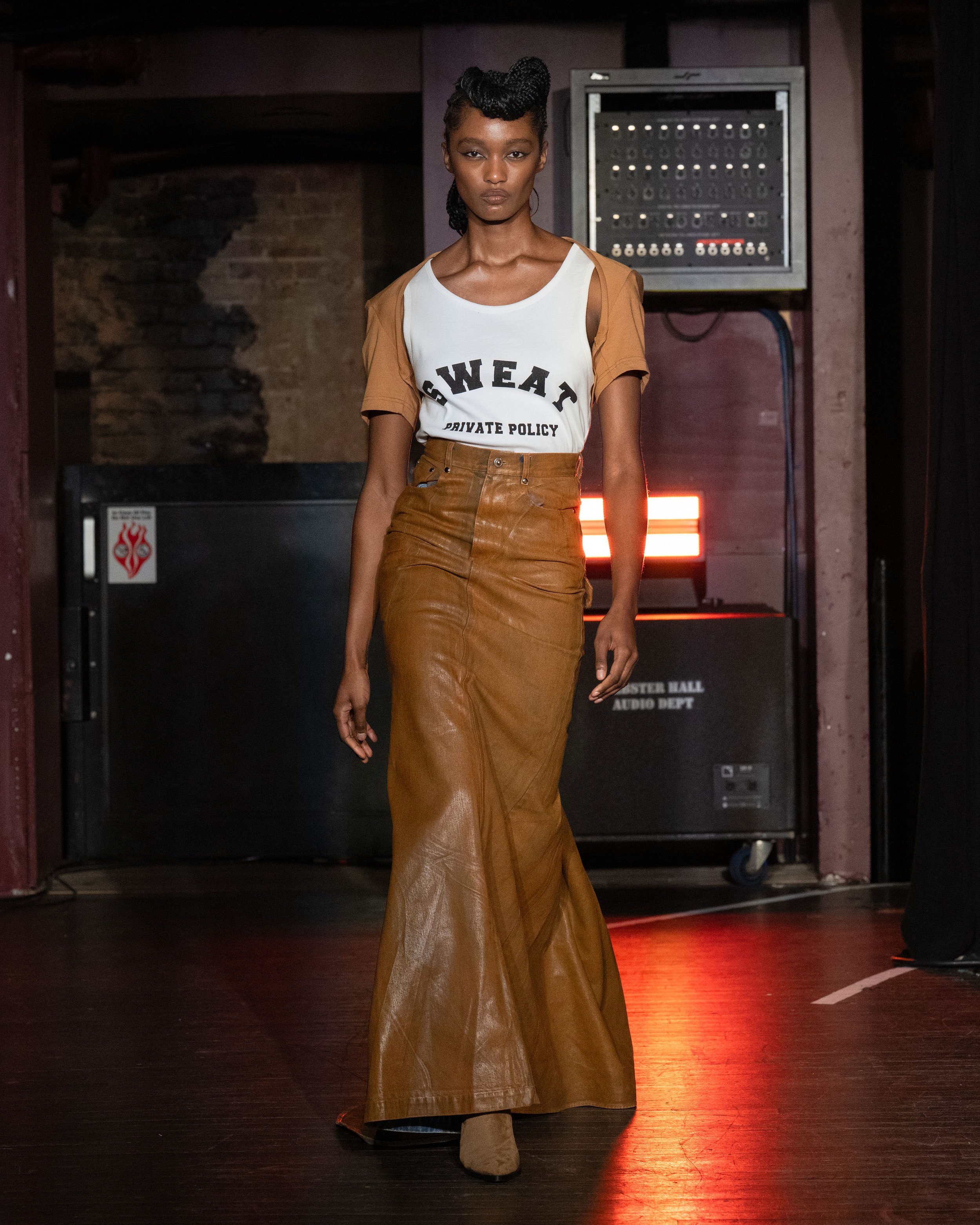
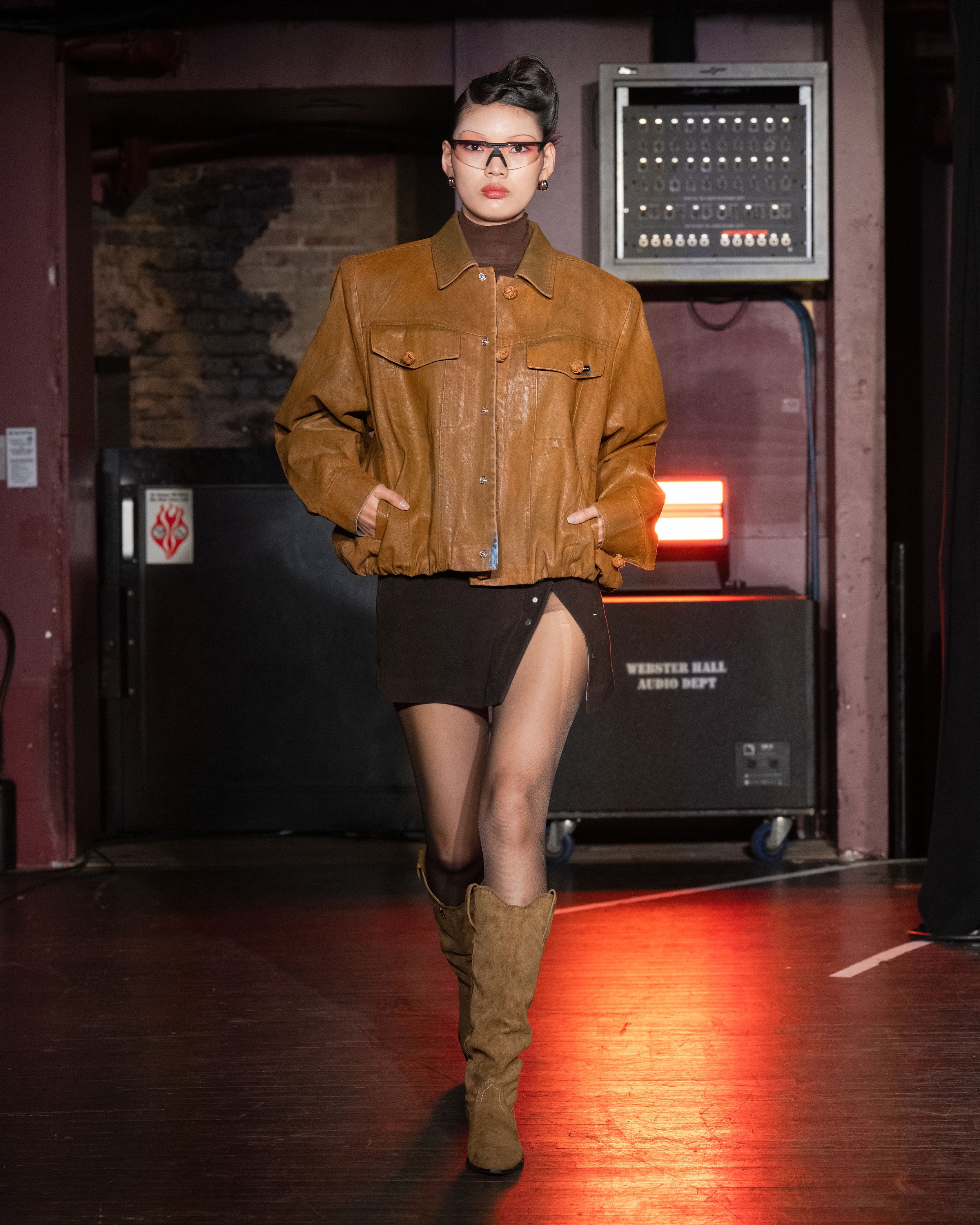
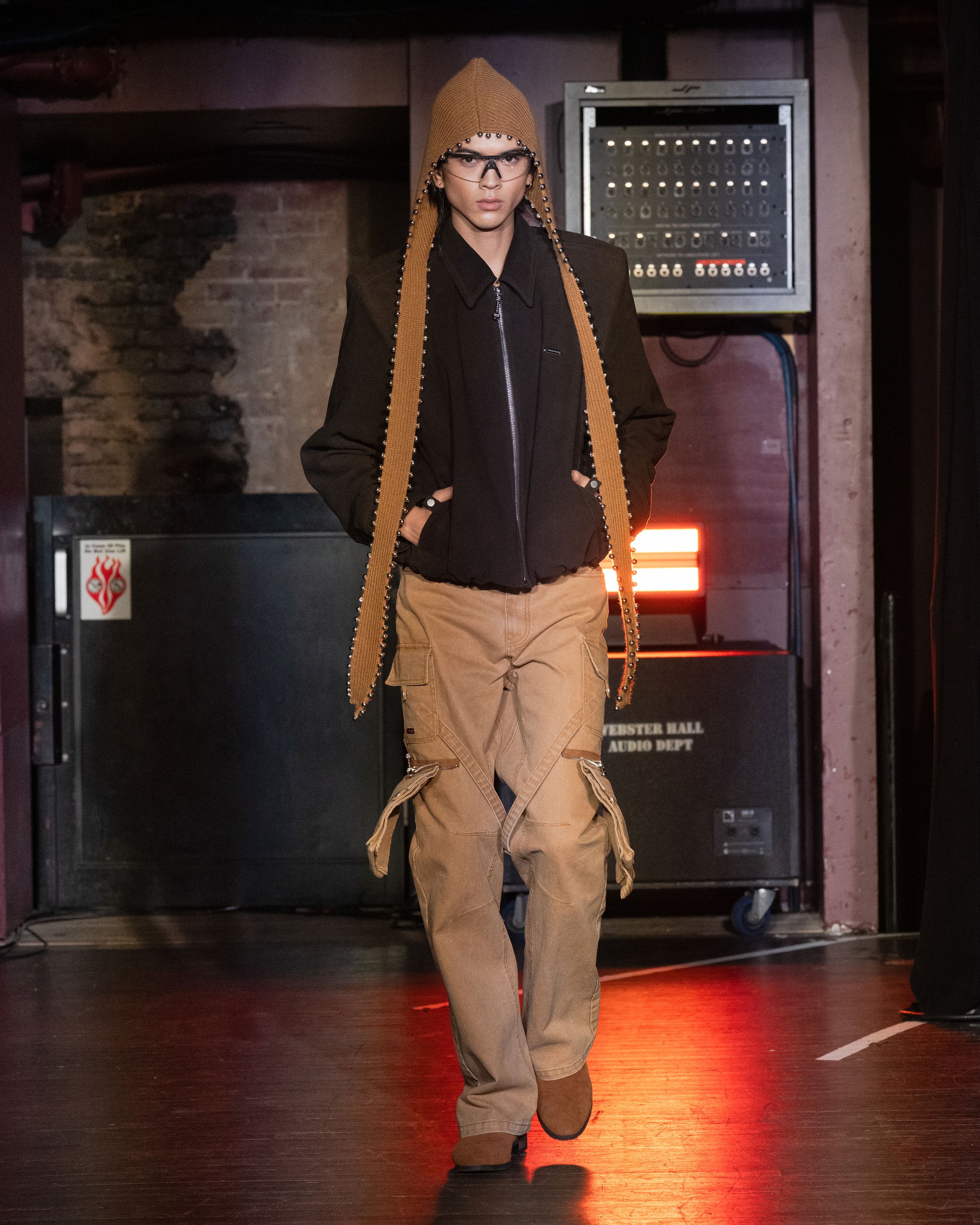
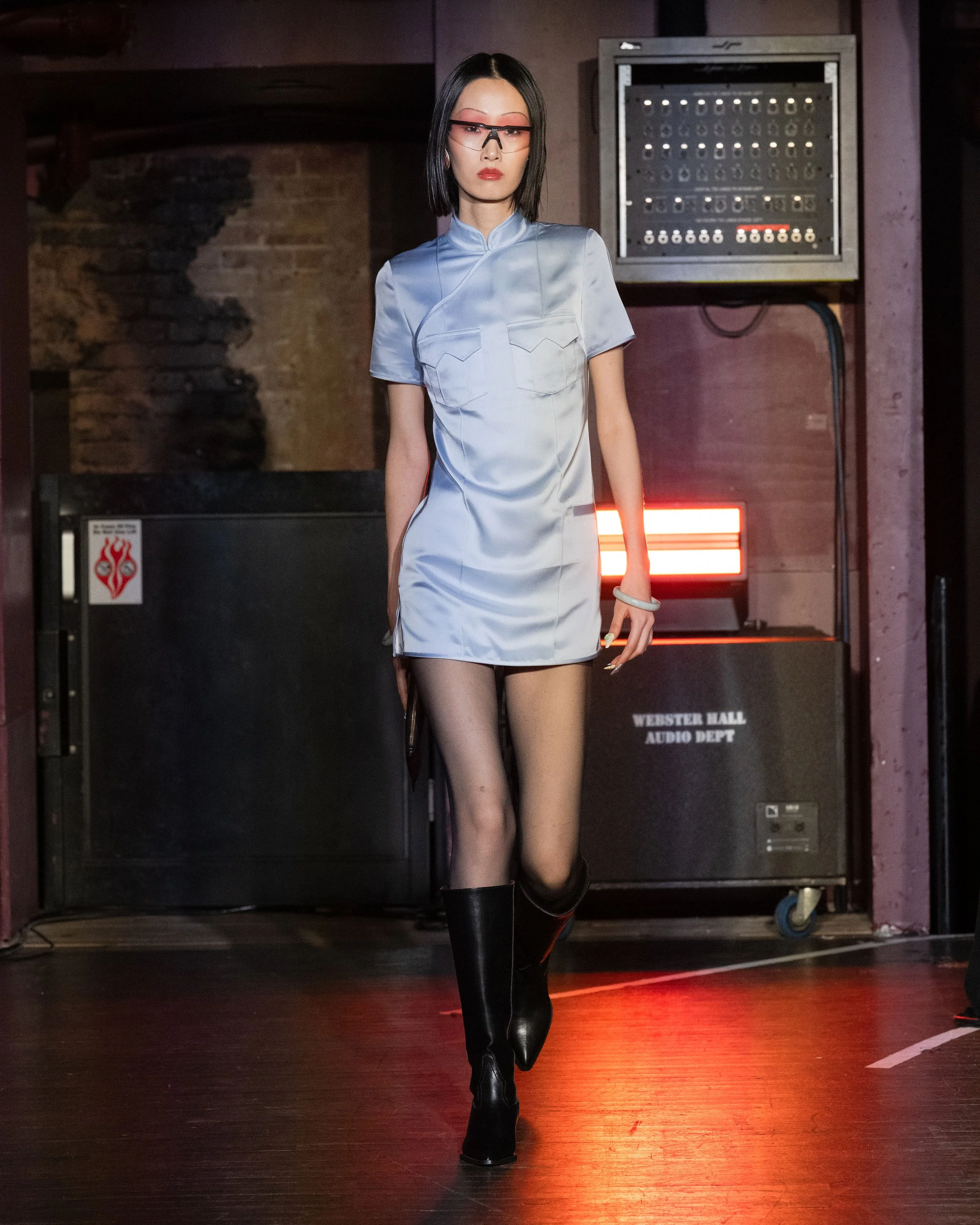
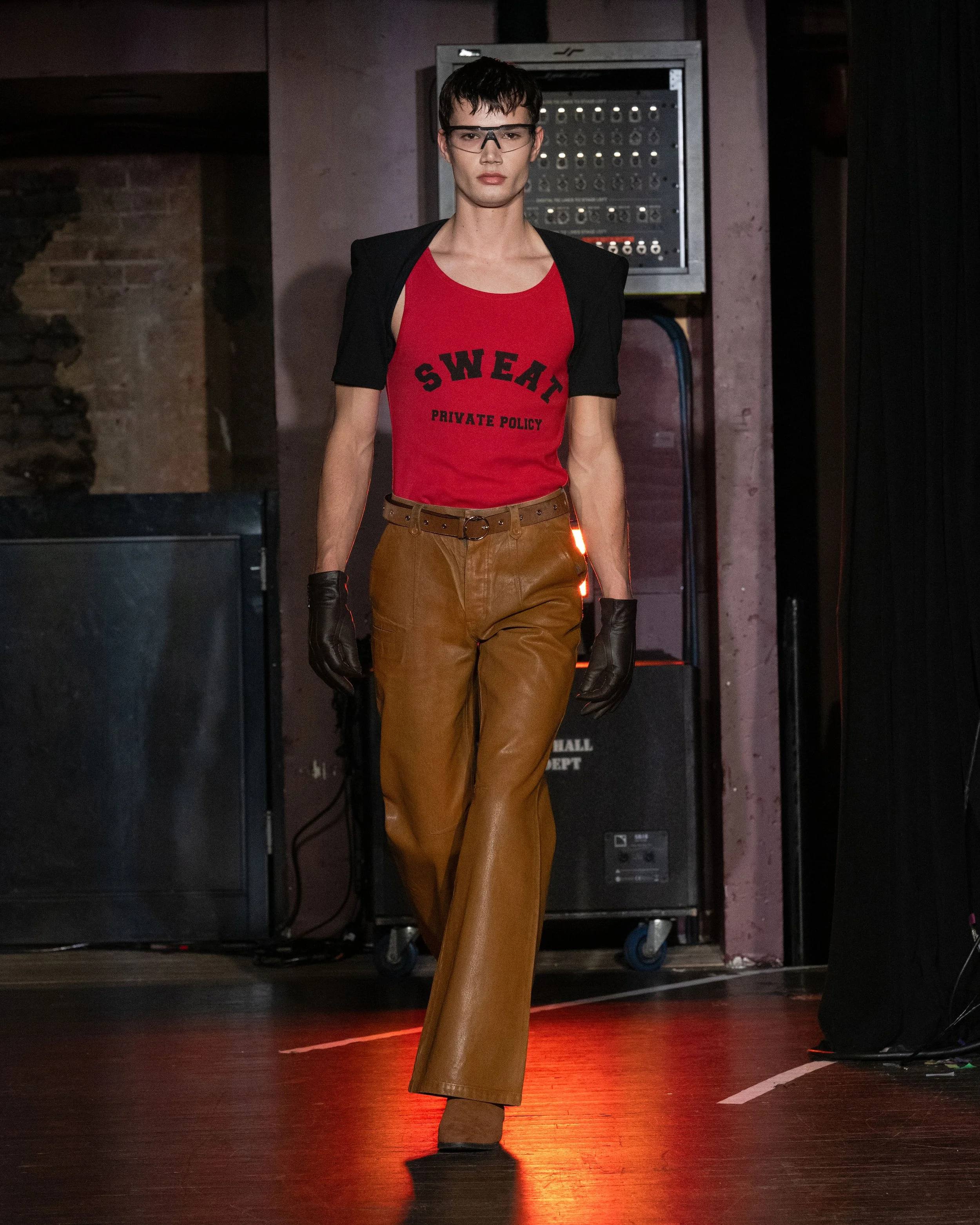
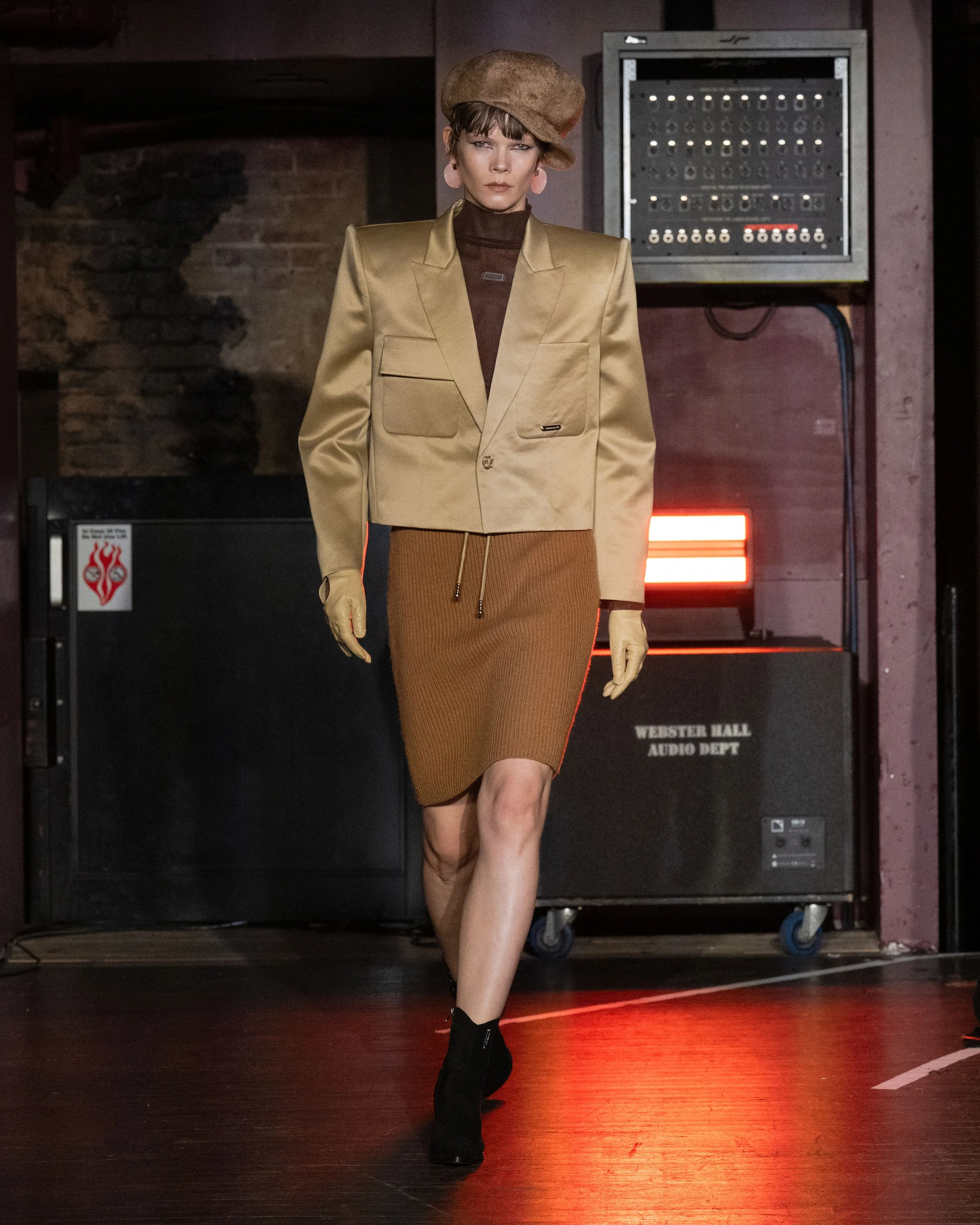
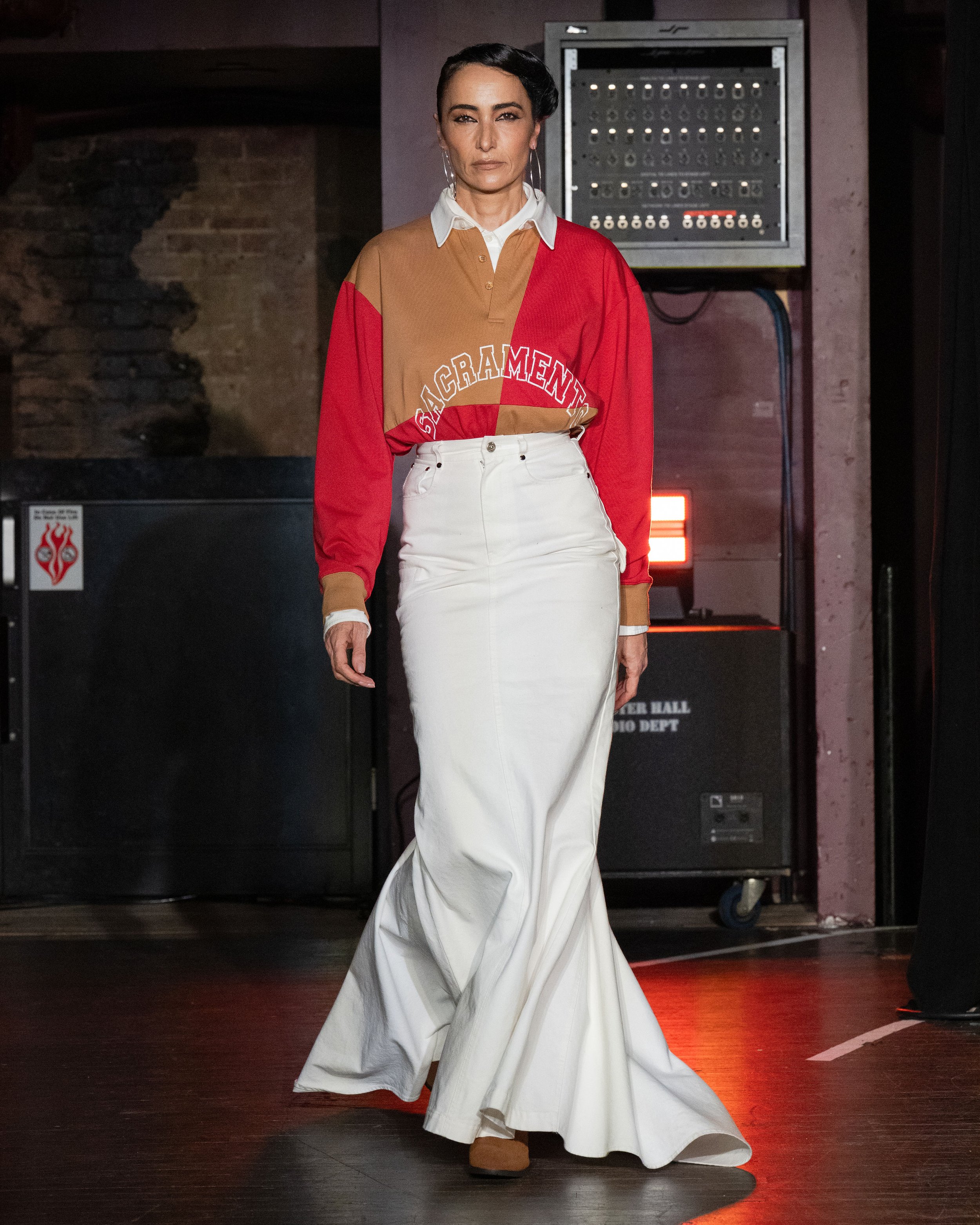
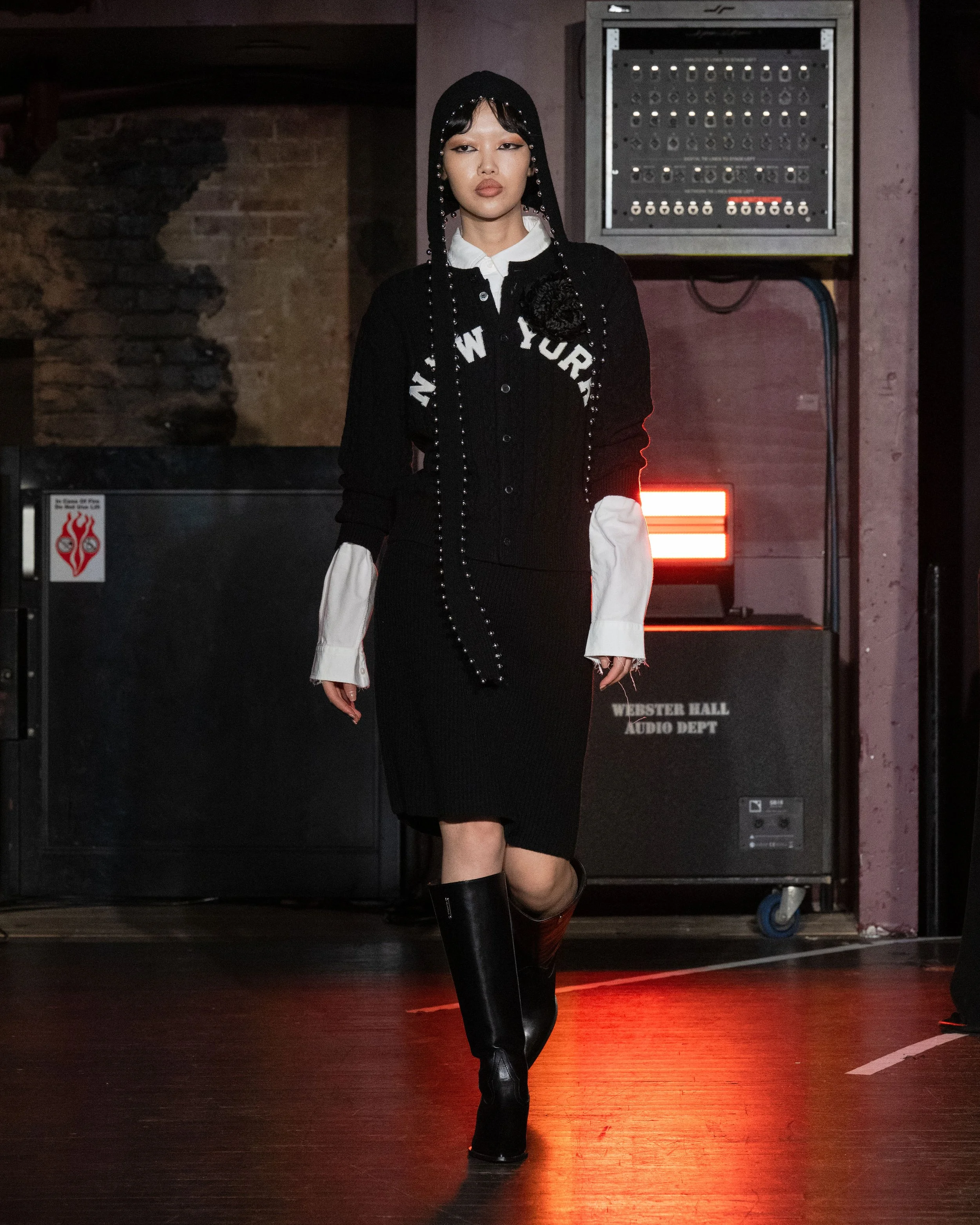
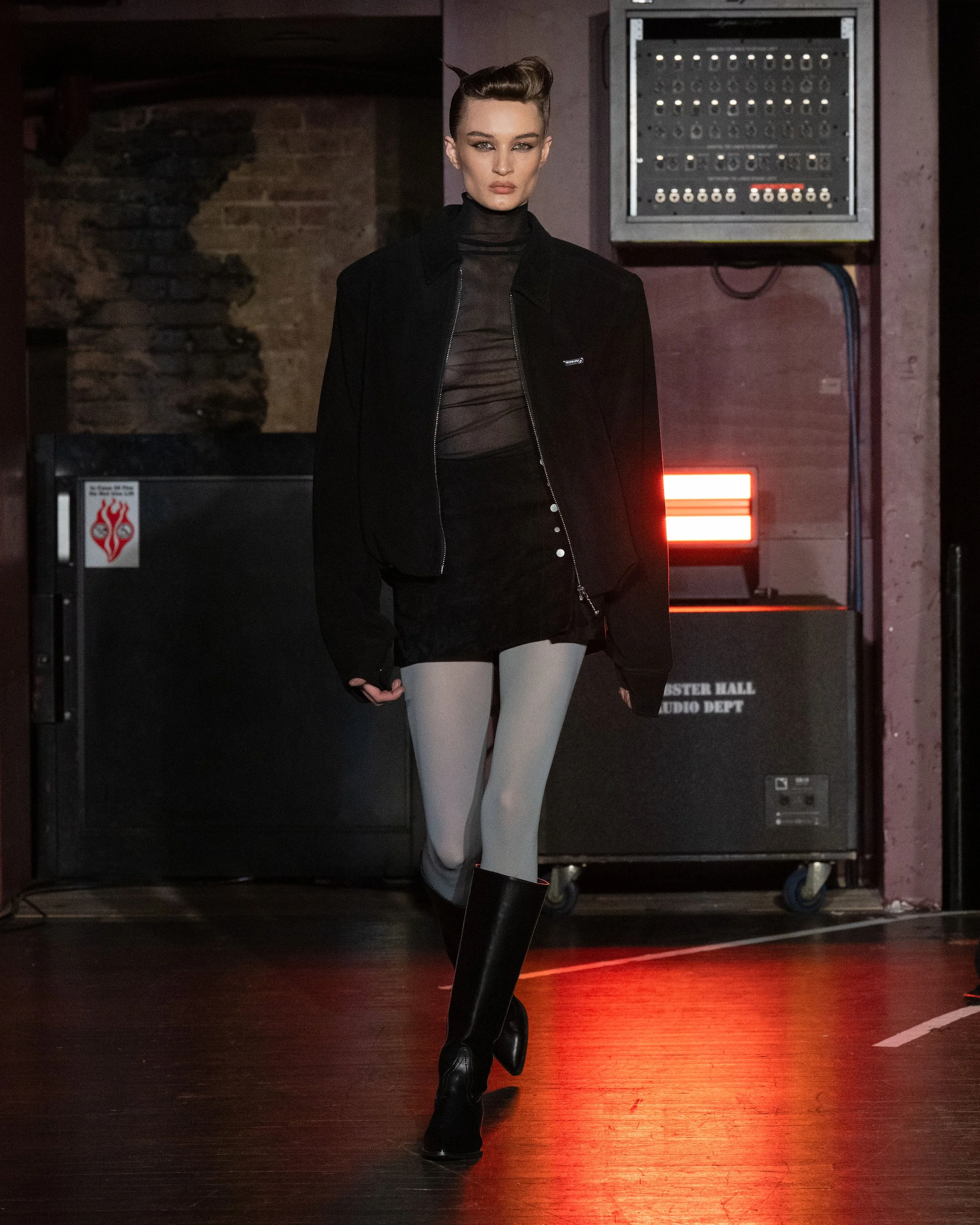
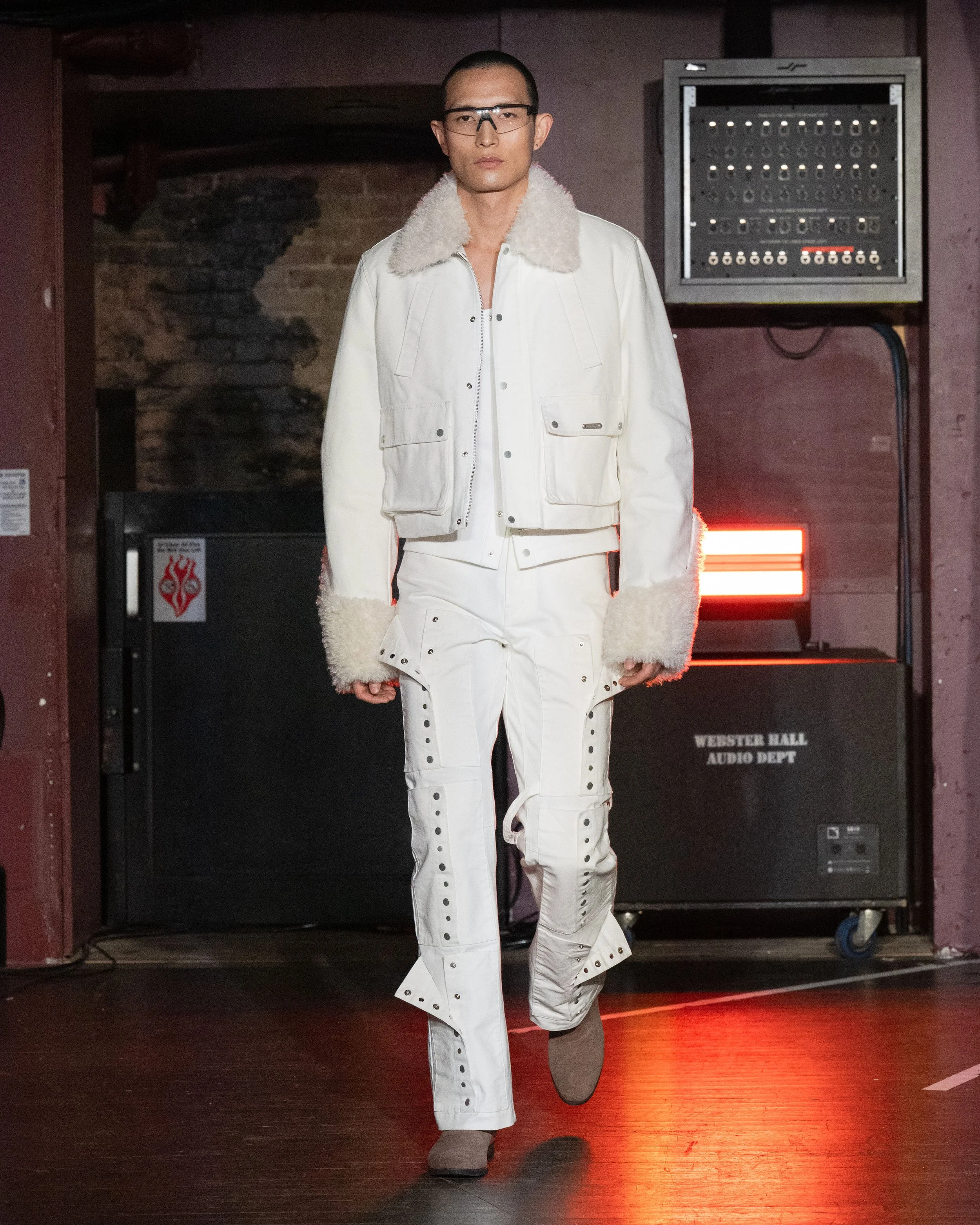
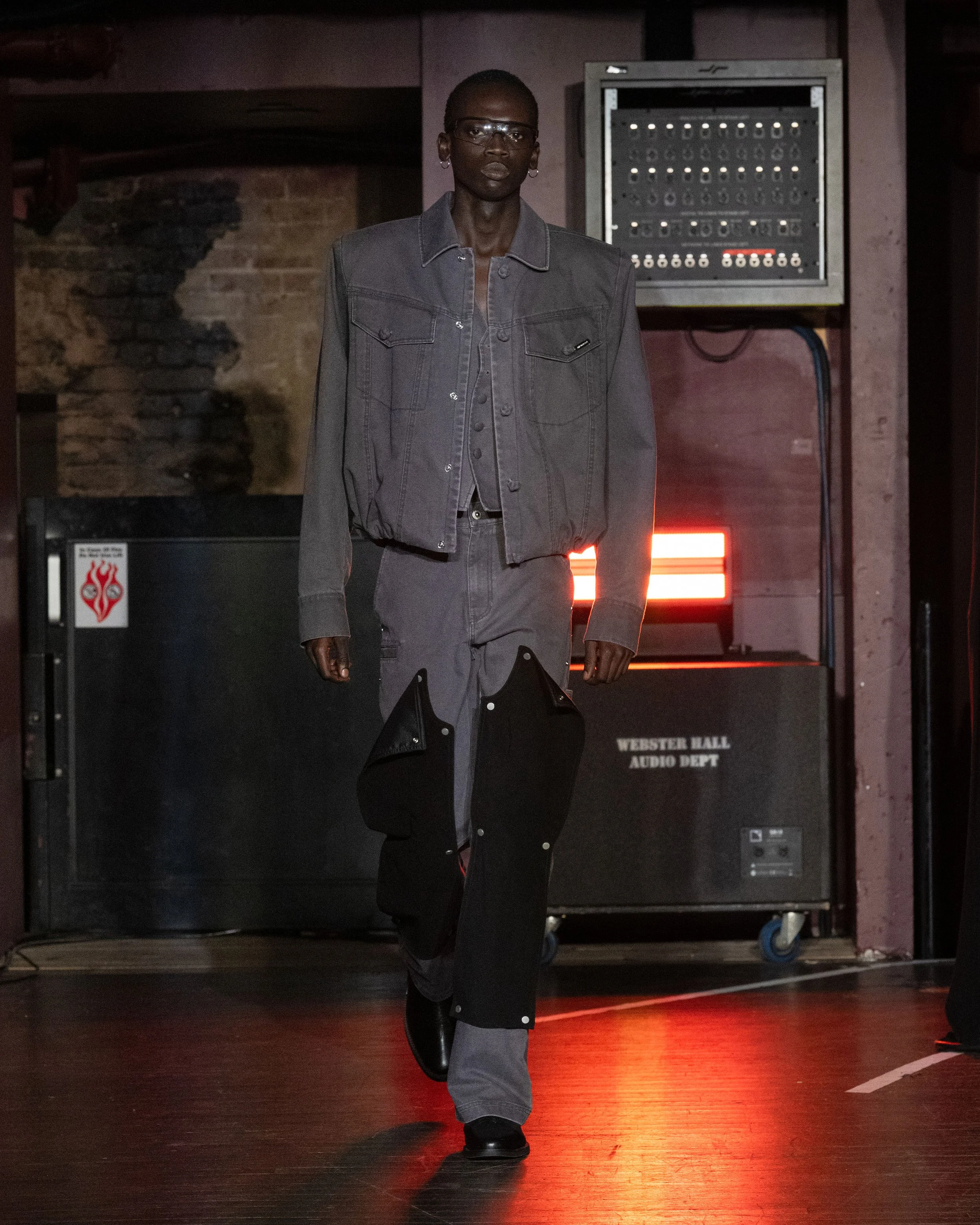
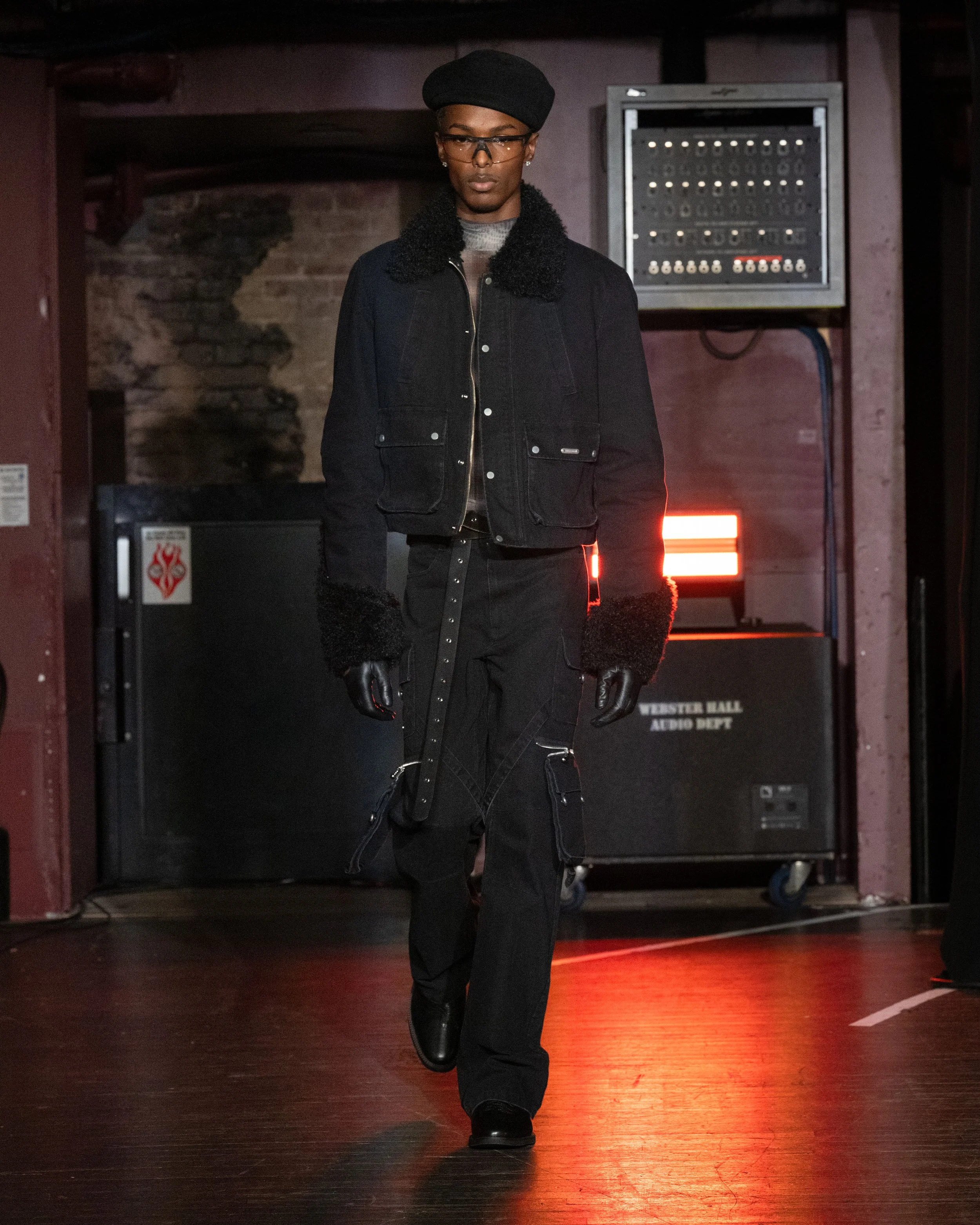
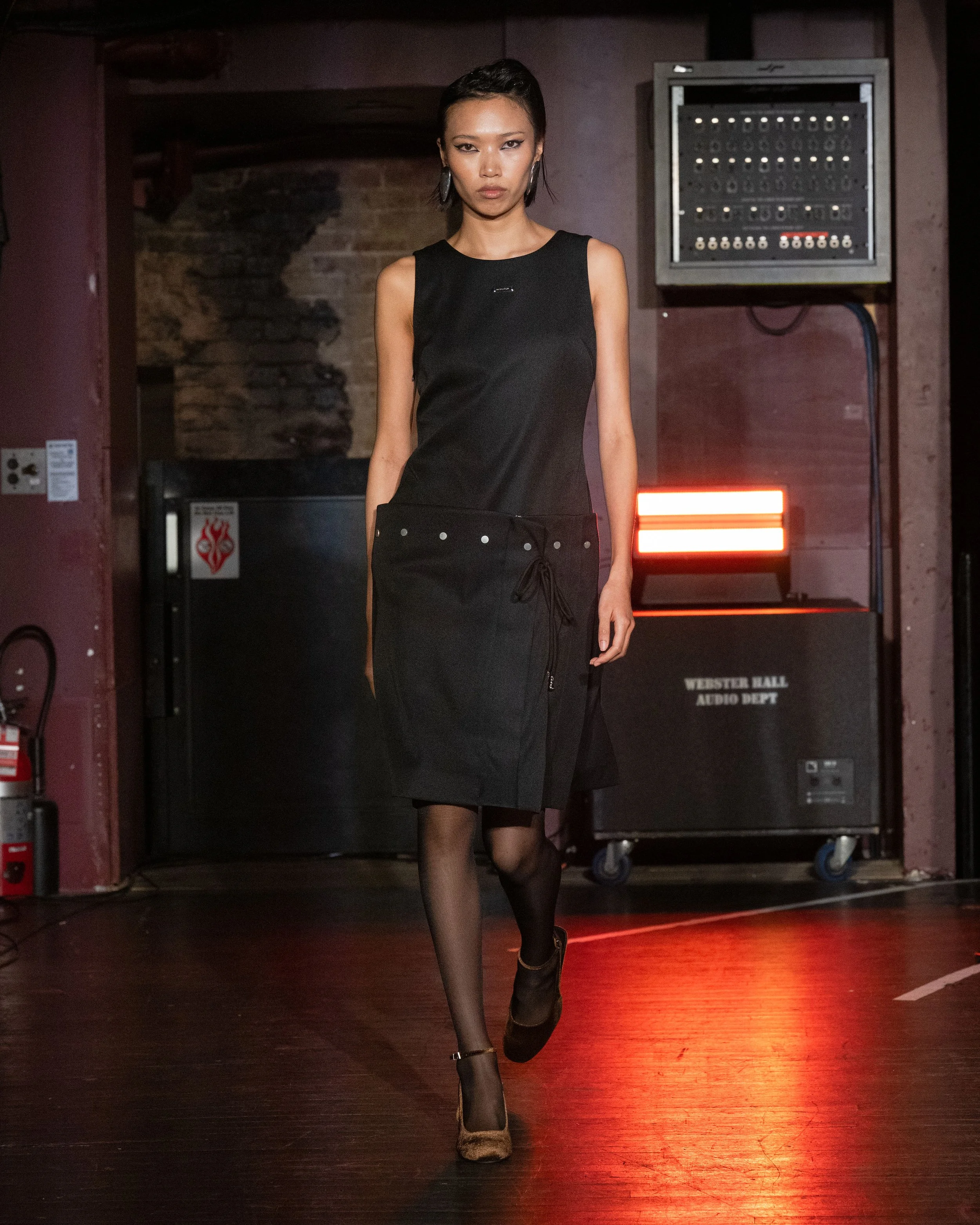
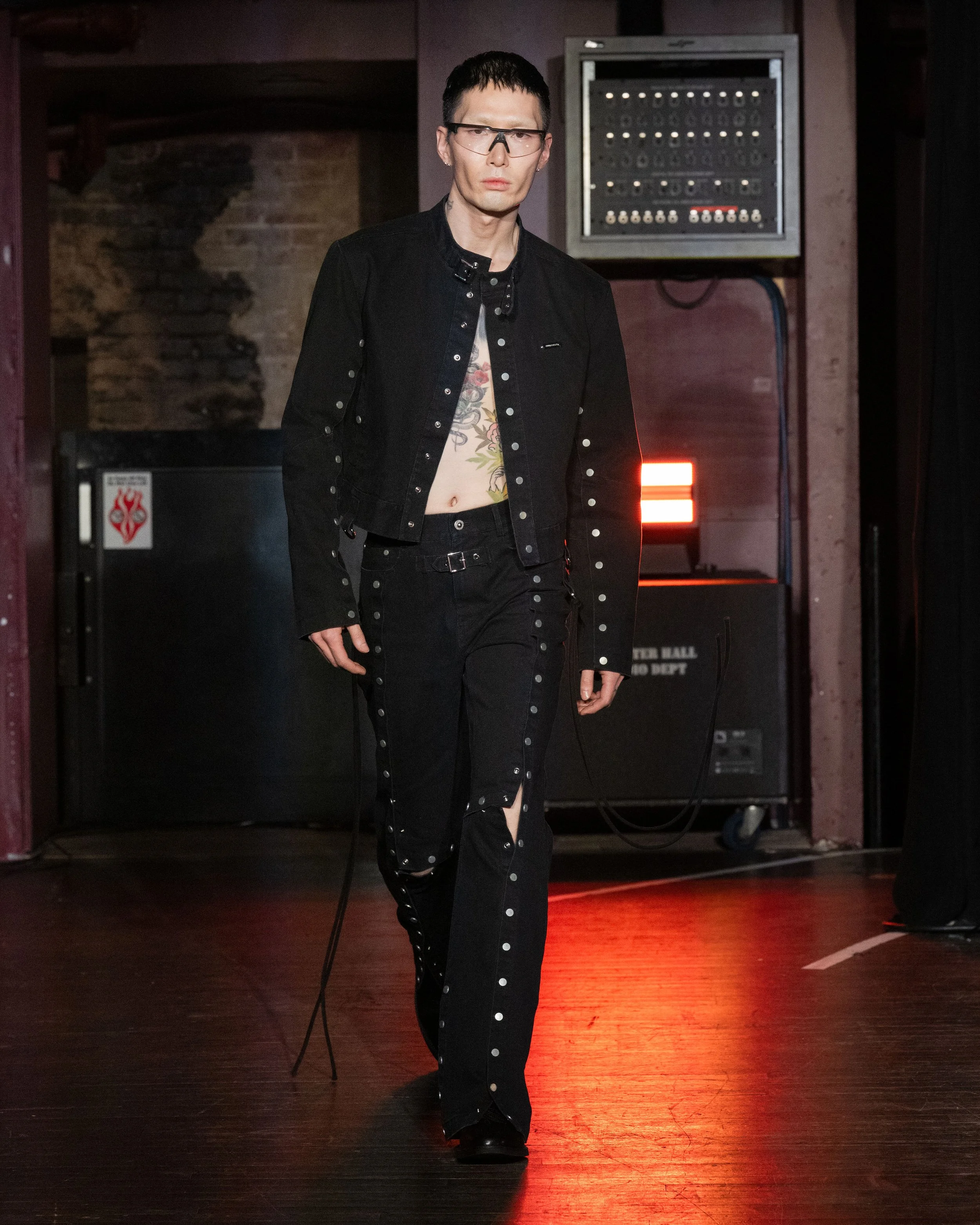
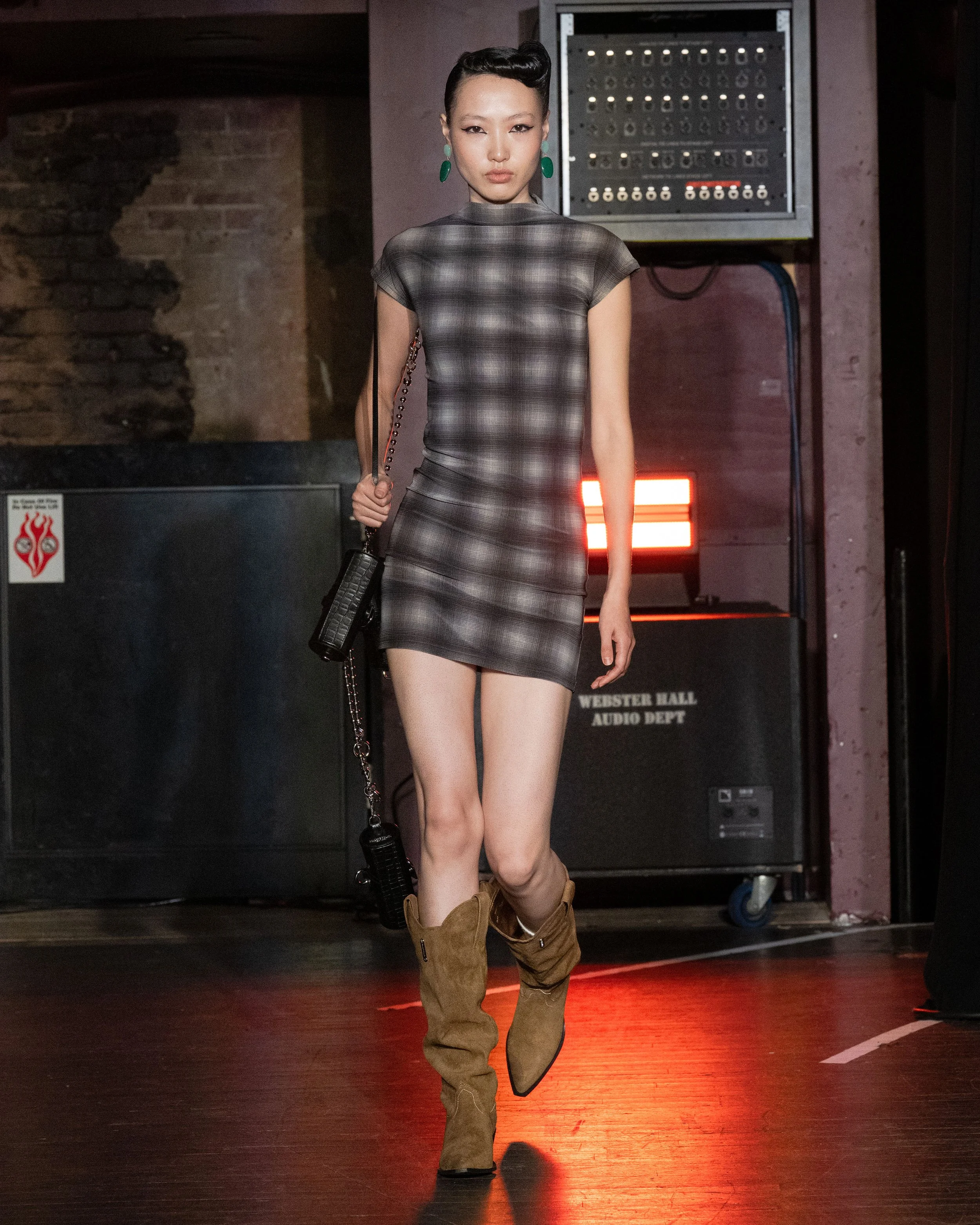
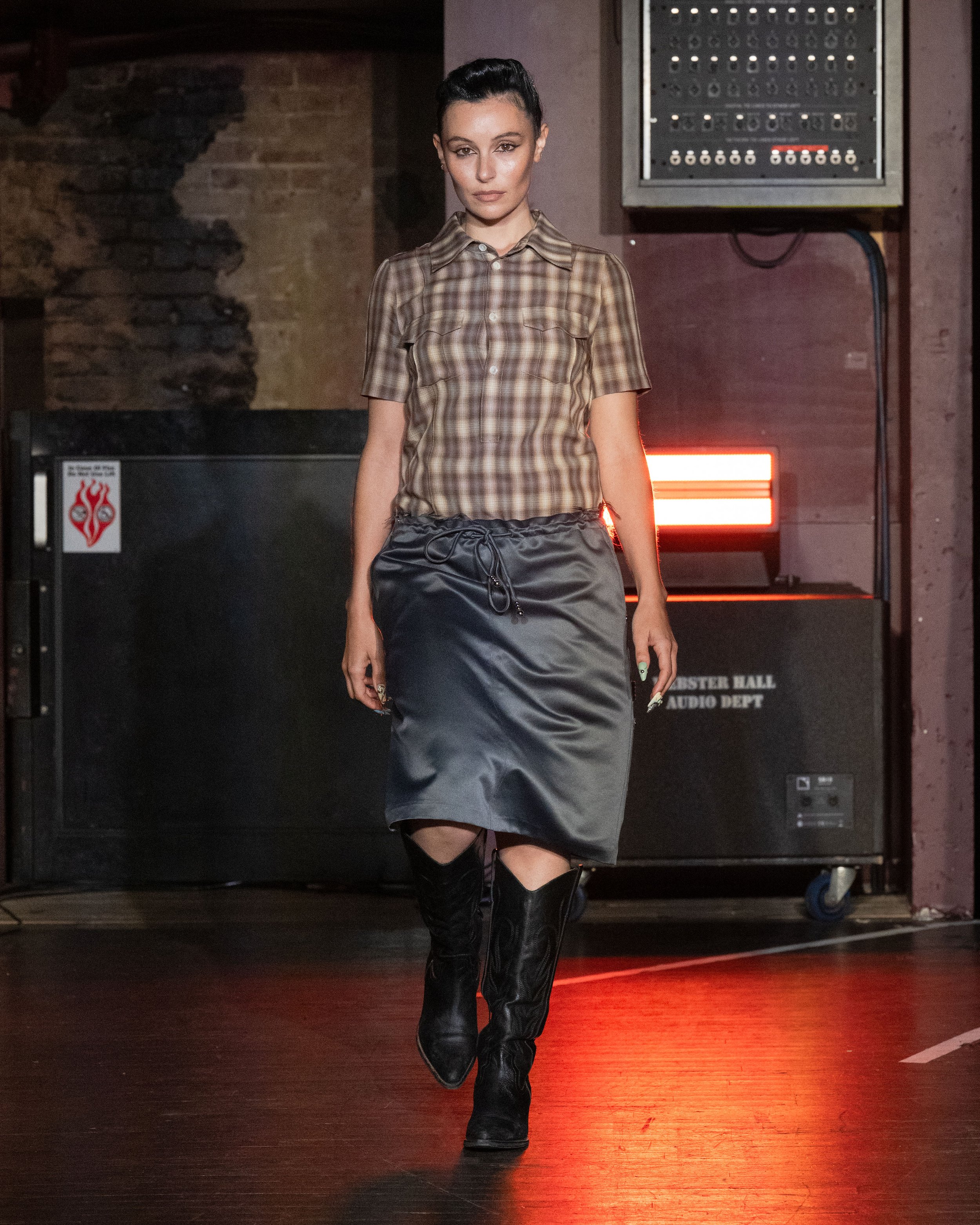
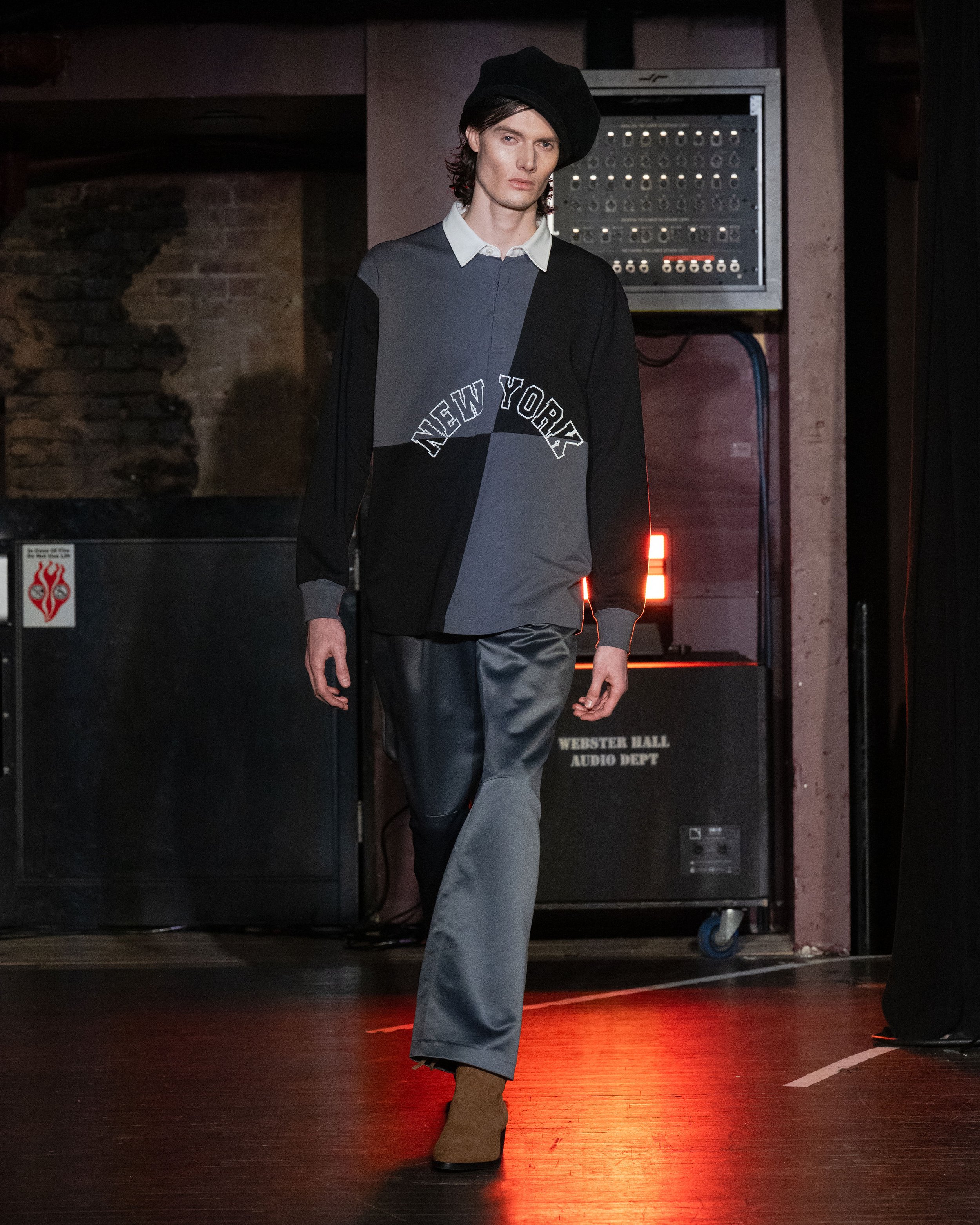
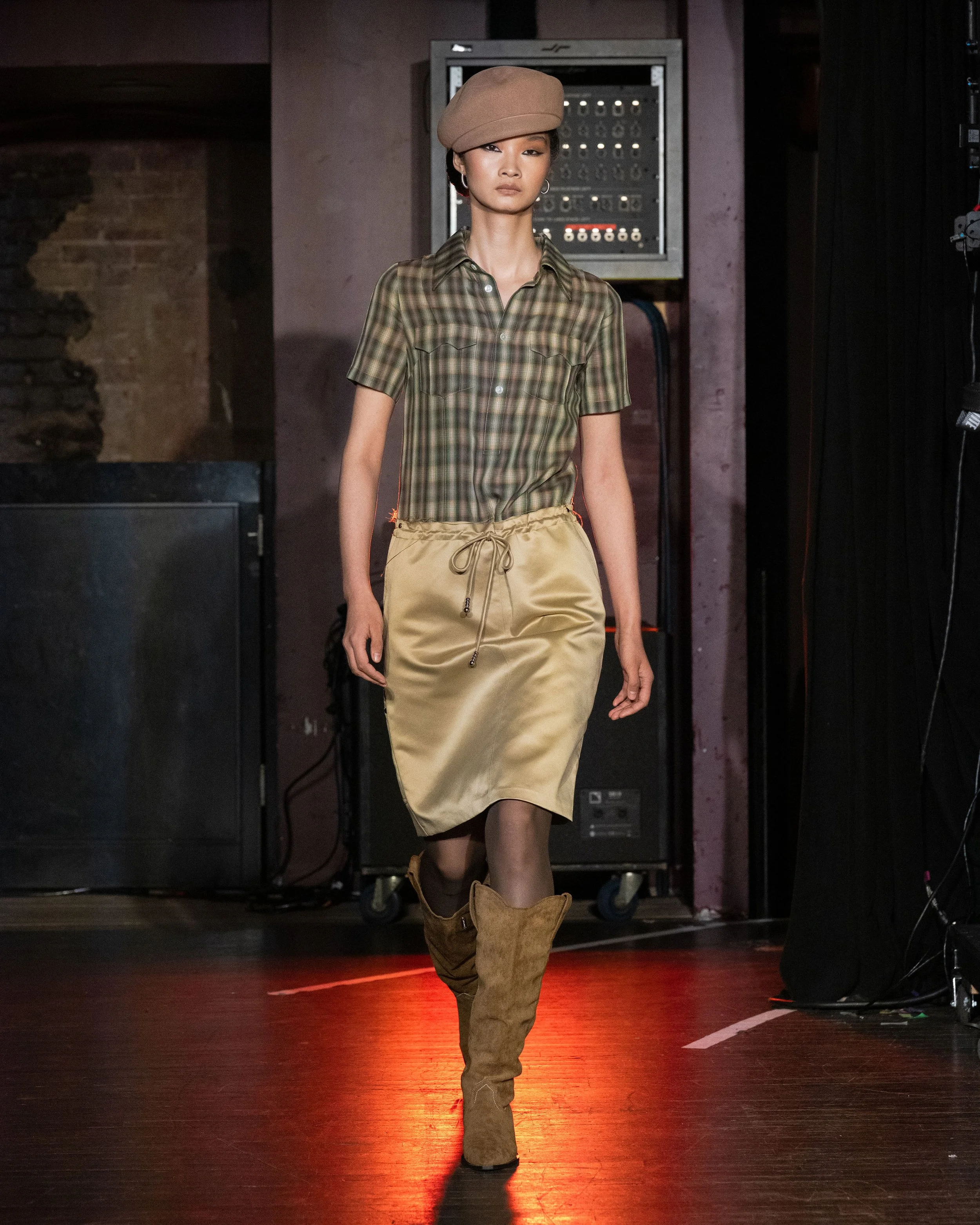
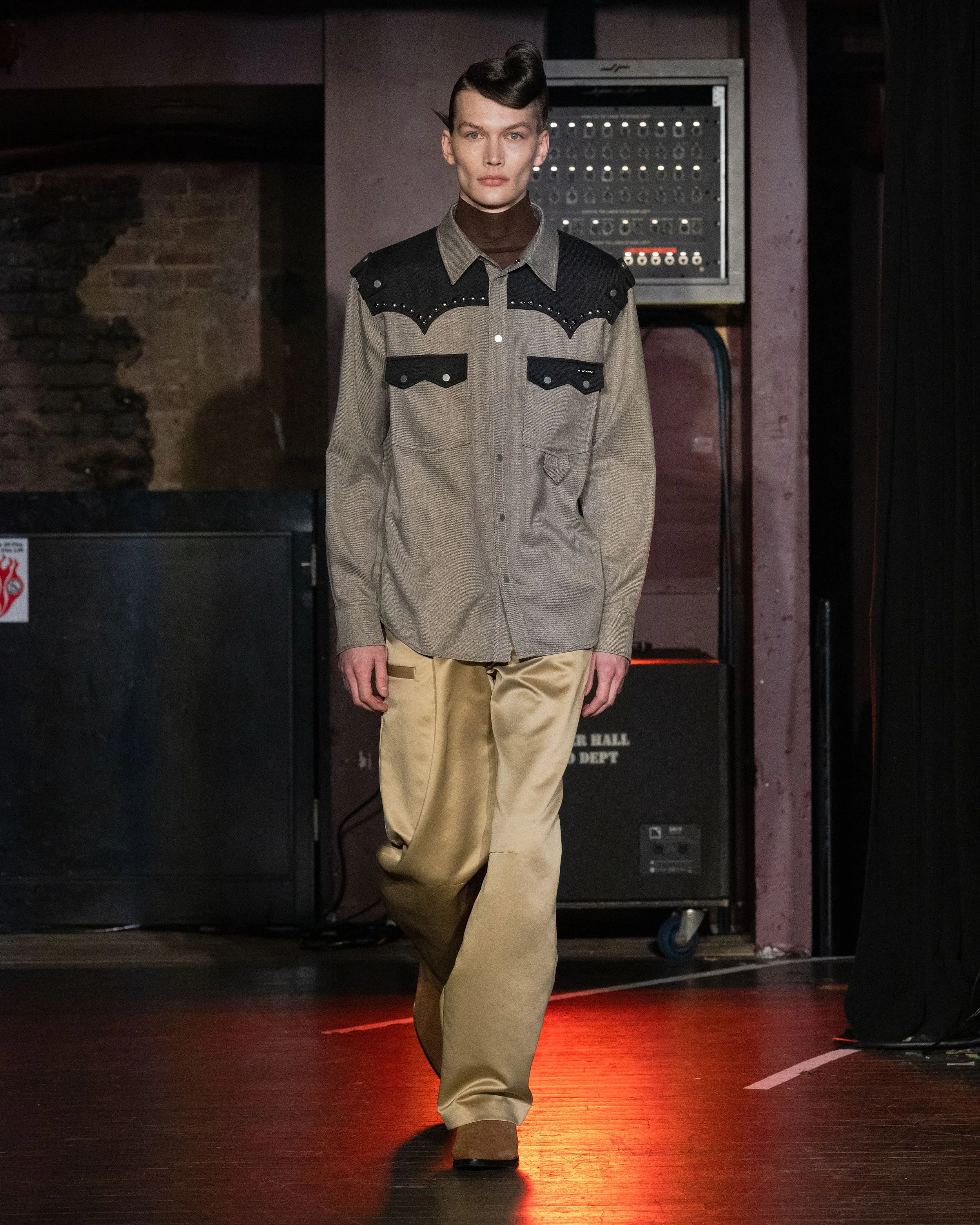
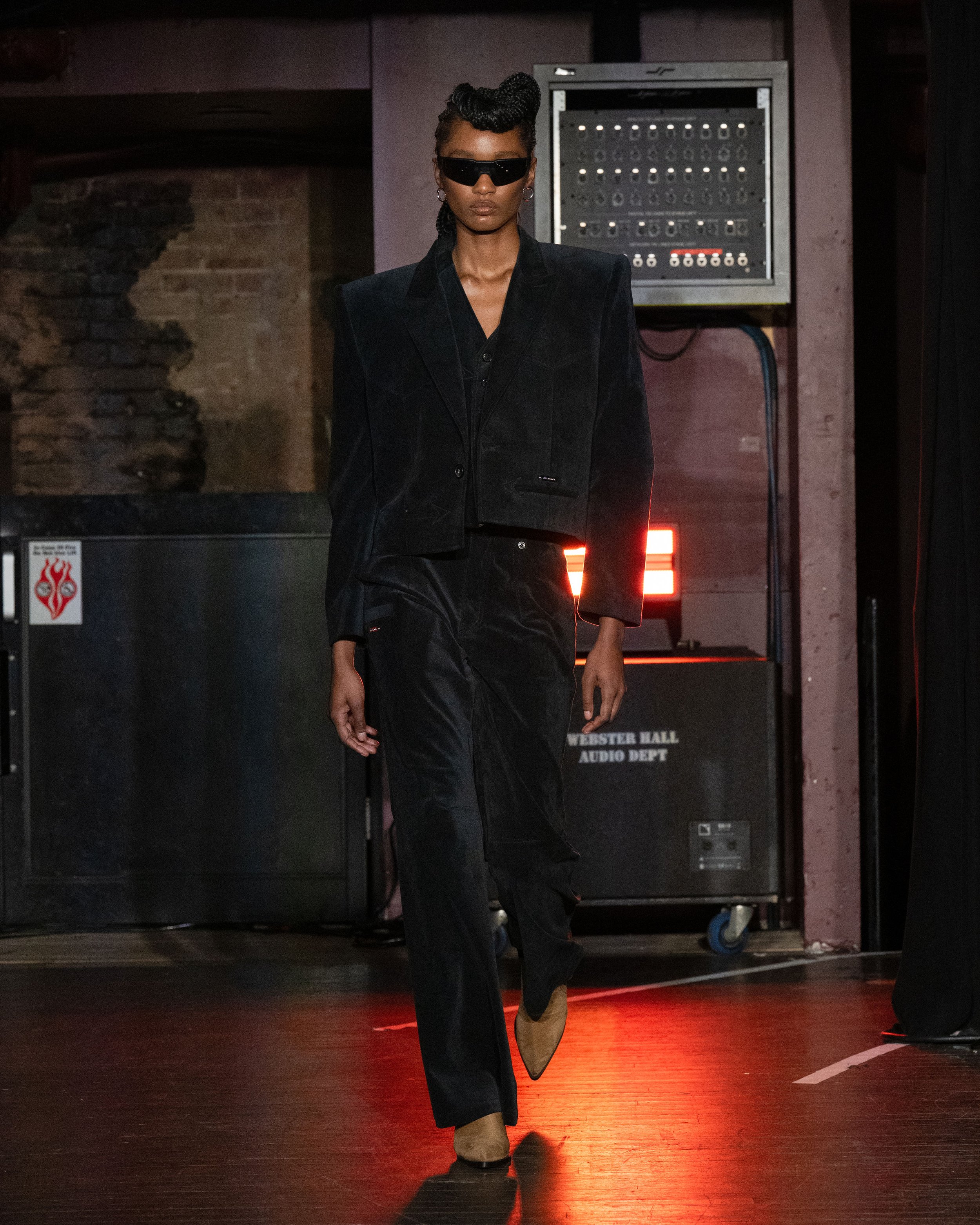
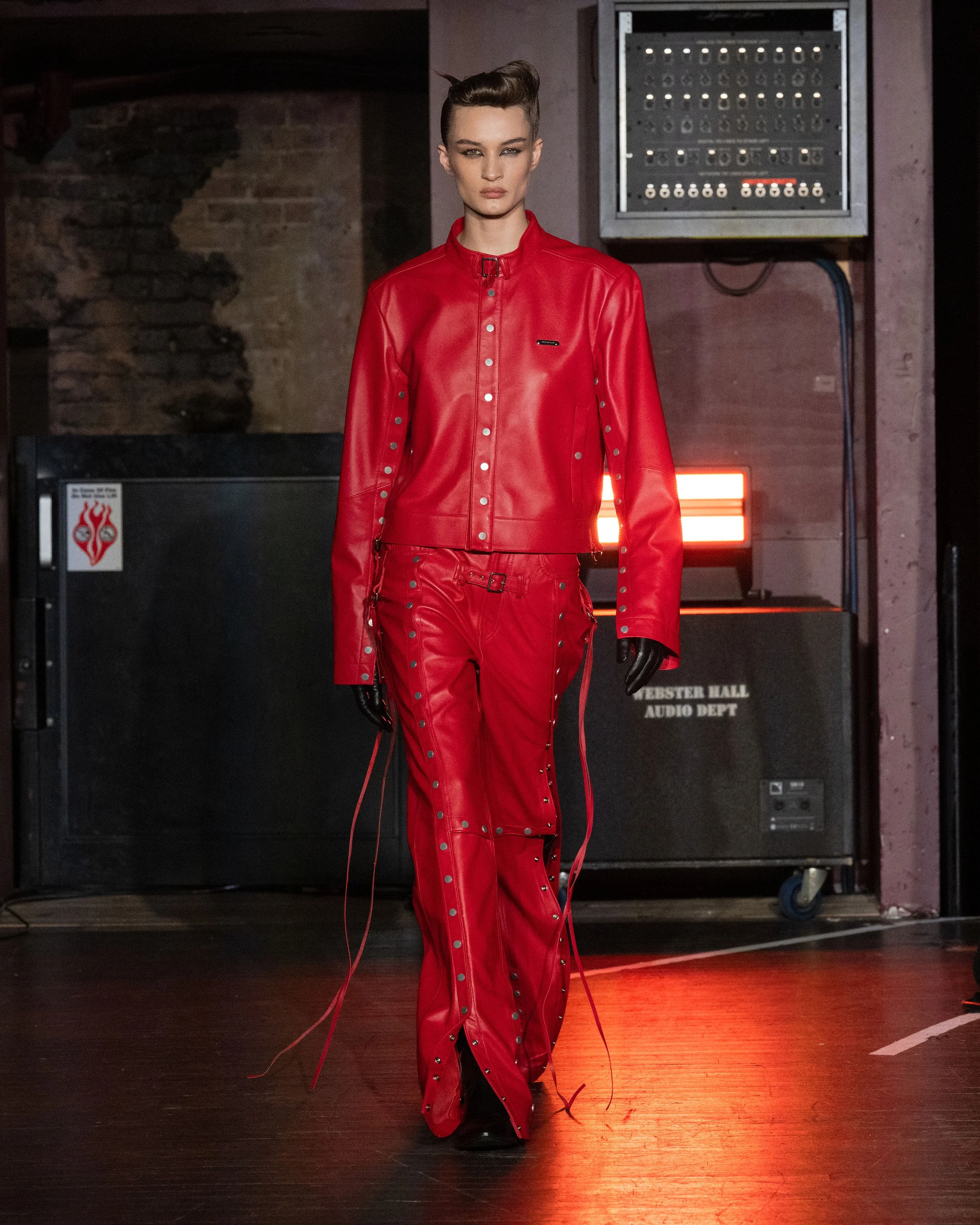
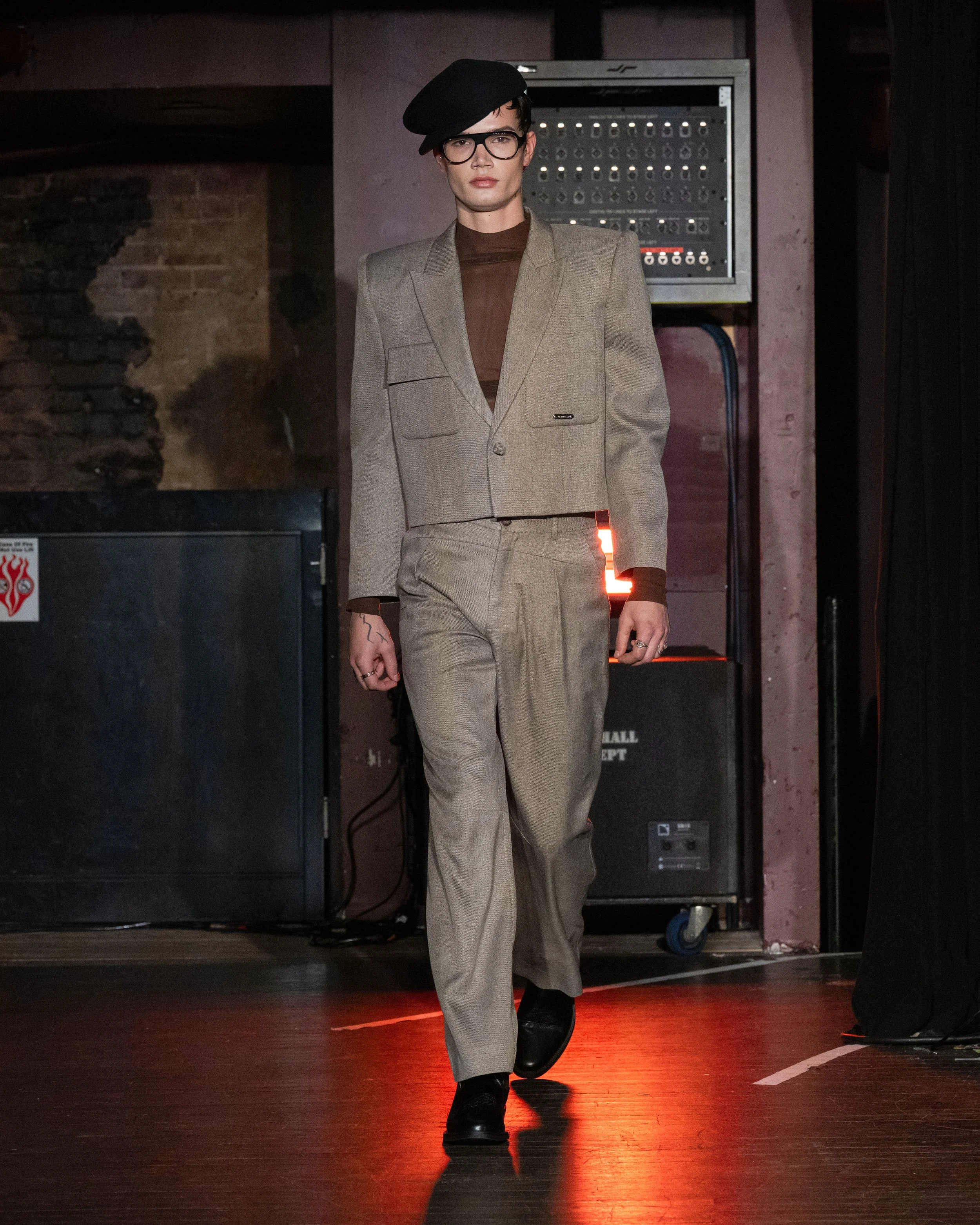
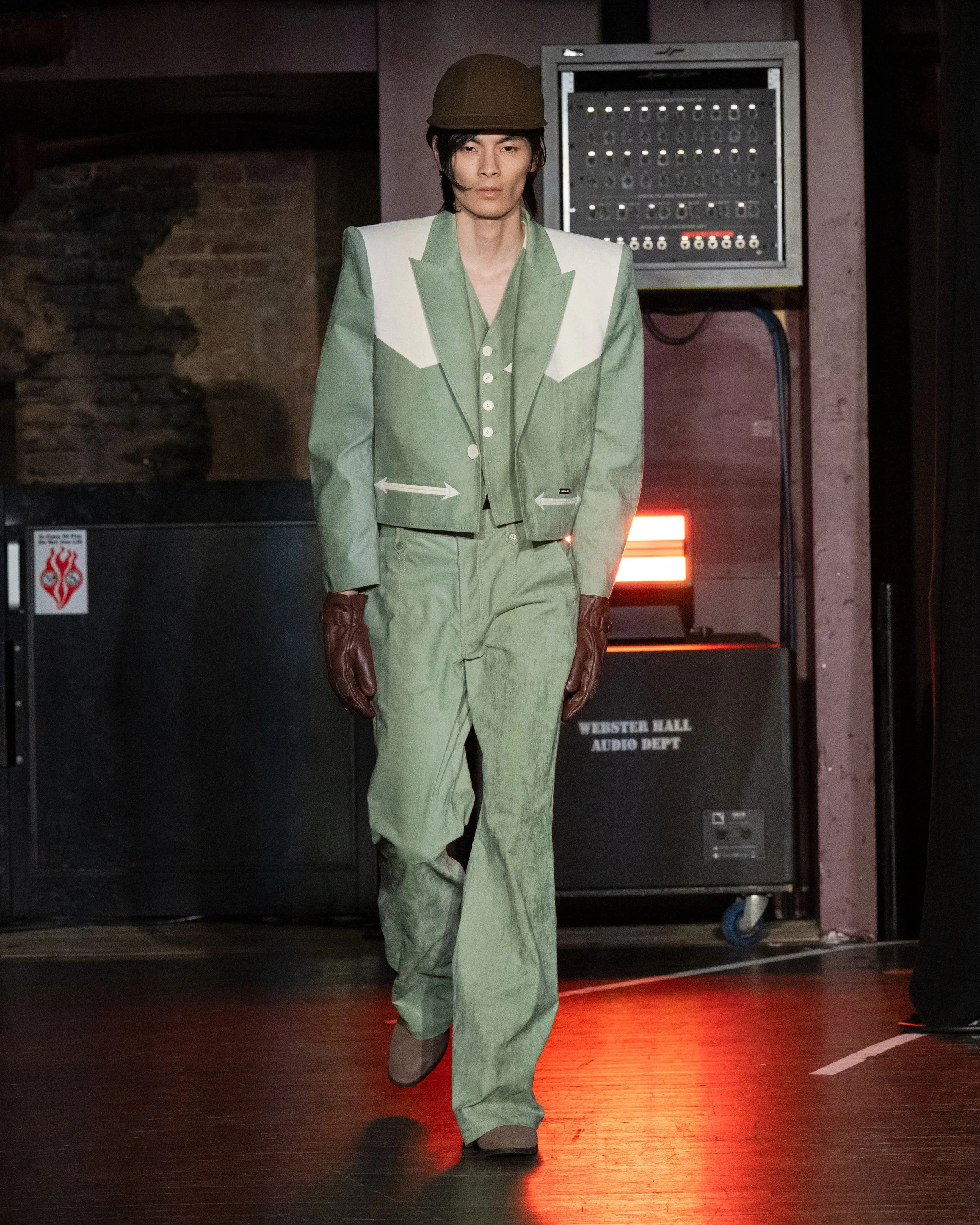
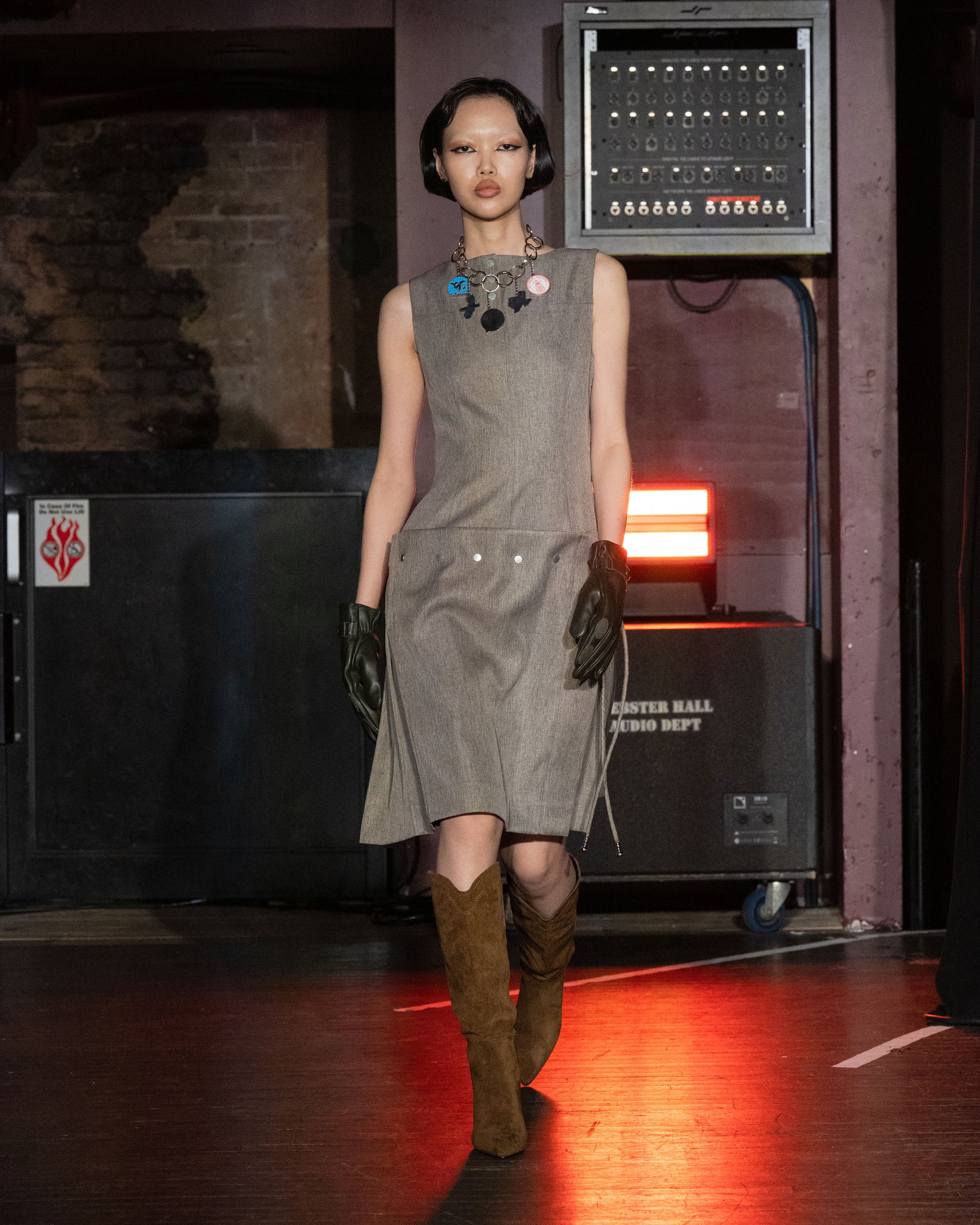
The bass hits first. Low. Aggressive. Almost industrial. Mixed with the occasional clang of a gong. In the dim red and orange light of Webster Hall, models move through the crowd rather than above it, their silhouettes half-formed in shadow. From the balcony, models remained partially obscured until they reached the photographers at the end of the runway. In a collection about Asian labor and historical erasure, that delayed illumination felt intentional. Recognition arrived only at the point of documentation.
Released around Lunar New Year, a moment associated with renewal and generational continuity, the collection reflects on histories of Asian labor in America, from nineteenth-century railroad workers to contemporary Asian Americans navigating institutional spaces. But rather than present this lineage as static tribute, the show renders it physically.
Workwear silhouettes anchor the collection. Reinforced seams, multi-pocket constructions, and utilitarian cuts reference garments built for endurance. Under the dim lighting, these forms feel almost absorbed into the atmosphere, echoing the way immigrant labor itself has often been folded into national narratives without acknowledgment. The Chinese Exclusion Act of 1882 legally codified the erasure of the very workers who helped build the nation’s infrastructure. That history feels newly urgent in a political climate where immigrant labor and belonging remain contested.
Plaid appeared throughout, grounding the runway in a visual language associated with labor and Americana, while sharp tailoring and streetwear proportions pulled the pieces into the present. It felt like structured workwear meeting urban utility: disciplined but contemporary. Amid these silhouettes, graphic shirts emblazoned with the word “SWEAT” cut through the atmosphere. Stamped above the Private Policy logo, the message refused subtlety. Worn alongside polished tailoring and high-sheen fabrics, the word operated as a reminder: glamour is not detached from labor. It is built on it.
The contrast was deliberate. Utilitarian forms were elevated, softened, and recontextualized, yet the reference to labor never disappeared. In a show staged largely in shadow, the garments suggested that visibility has always been layered when it comes to the American Dream: work first, recognition later. In a political climate where immigrant labor and identity are once again subjects of debate, the collection’s meditation on visibility feels less historical and more immediate.
At the venue’s entrance, tables of noodles served in familiar takeout containers greeted guests. A gesture that at first glance felt playful takes on different weight in the context of the collection. Asian labor has long been consumed in everyday forms, normalized, watered down, and consumed. At Webster Hall, a venue built for amplified spectacle, Private Policy delivered something heavier. The music was confrontational. The lighting withheld clarity. The runway required patience. In staging labor through shadow rather than immediate illumination, the collection suggests that visibility has never been automatic. It has always been earned.
Tabbe Designs
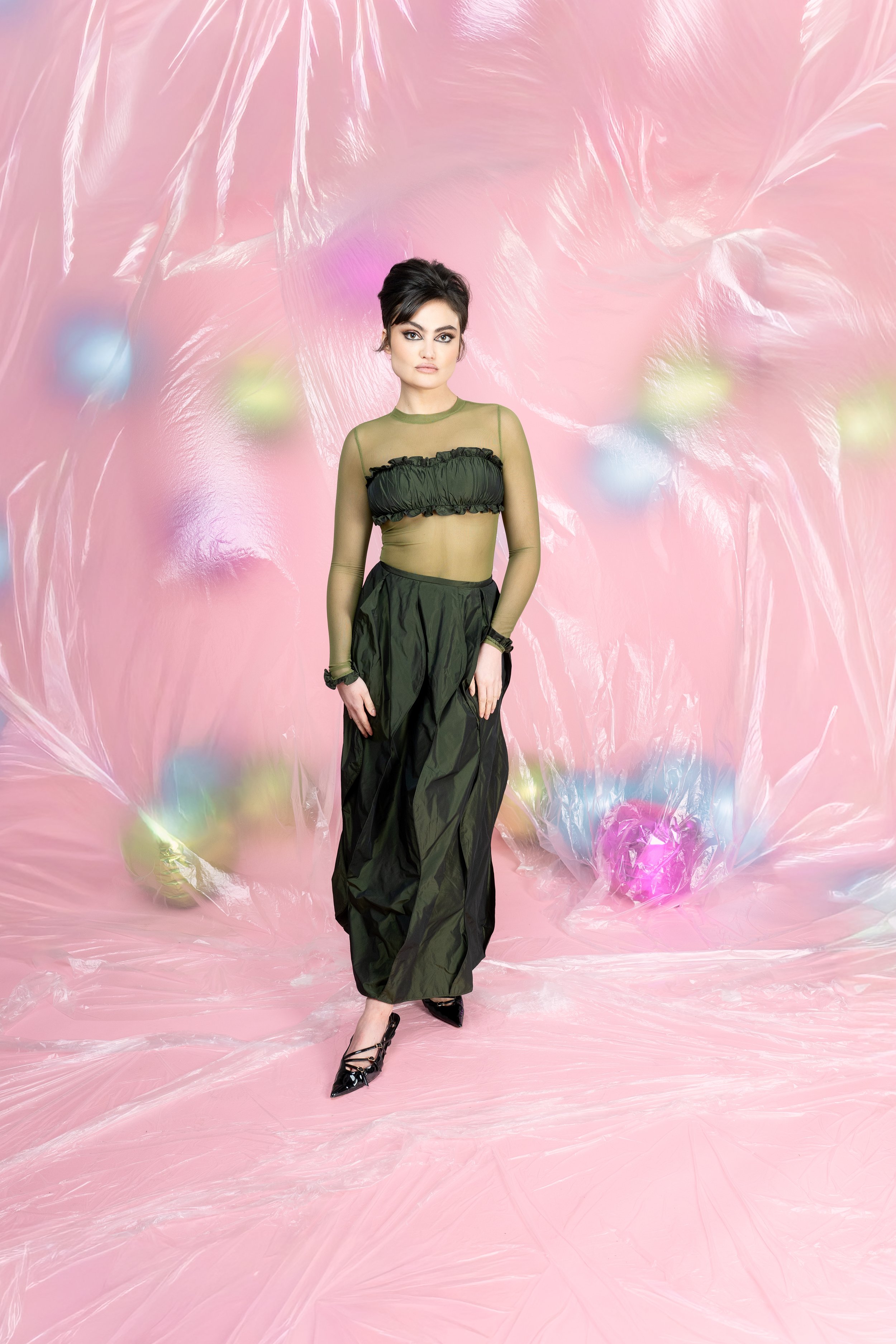
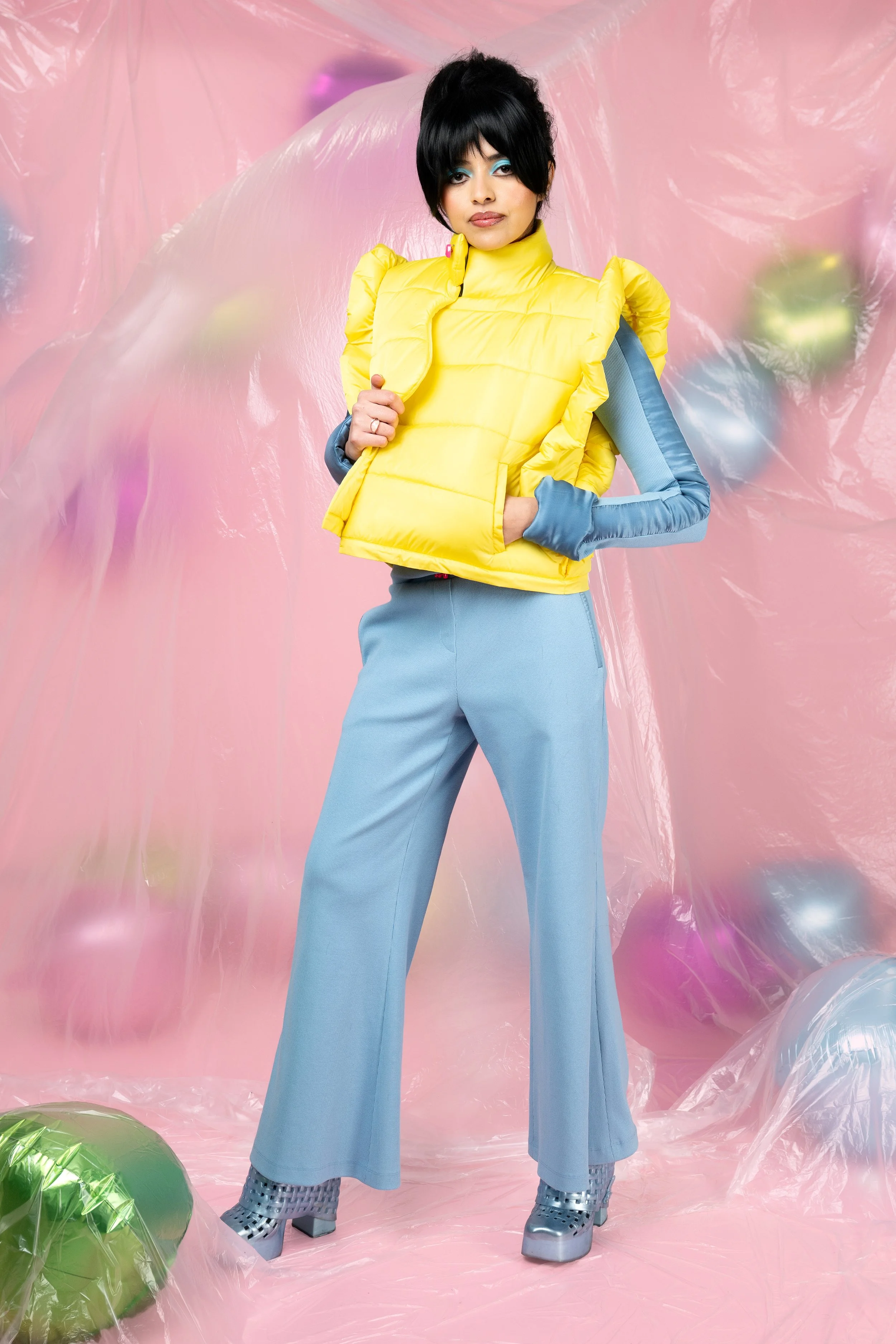
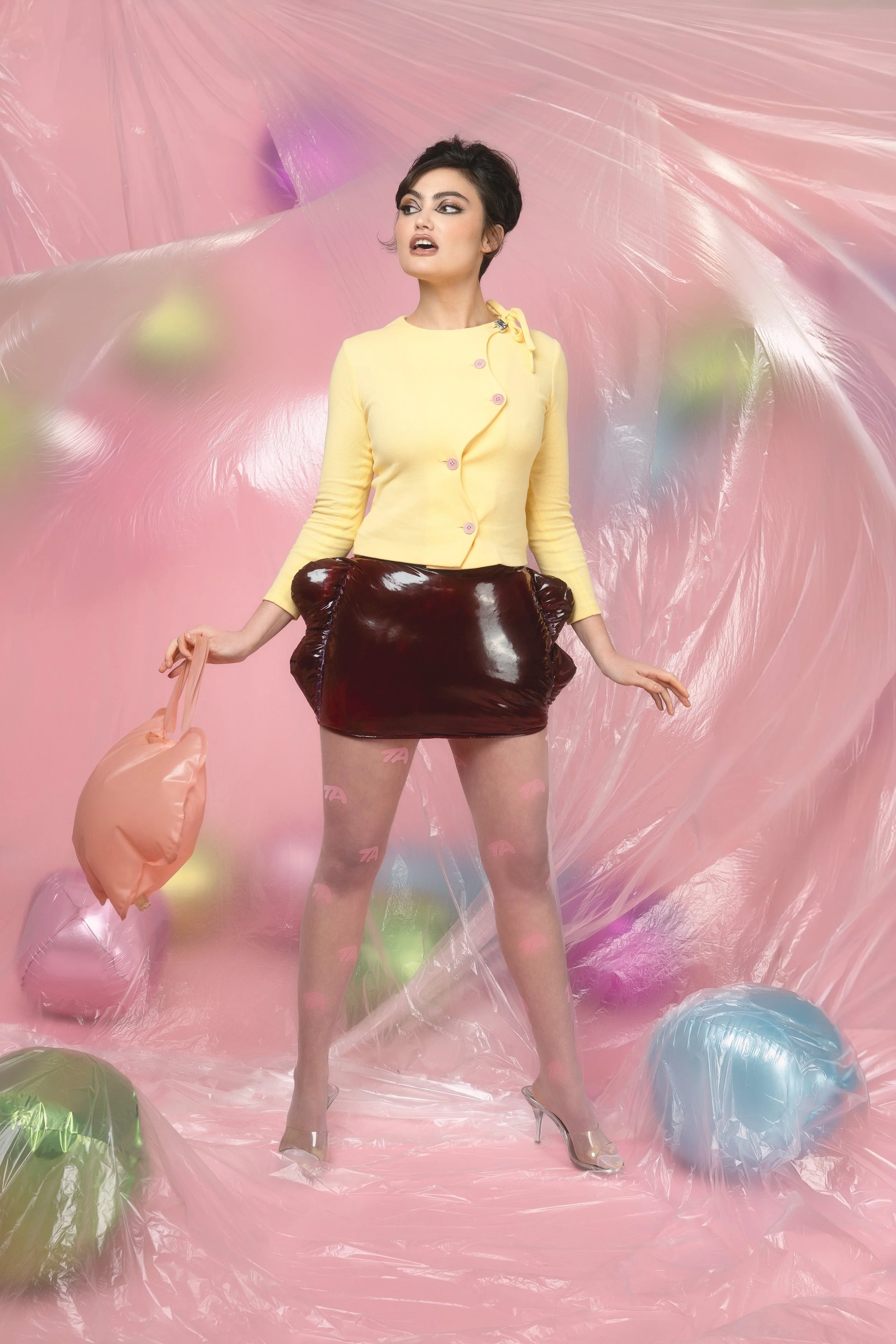
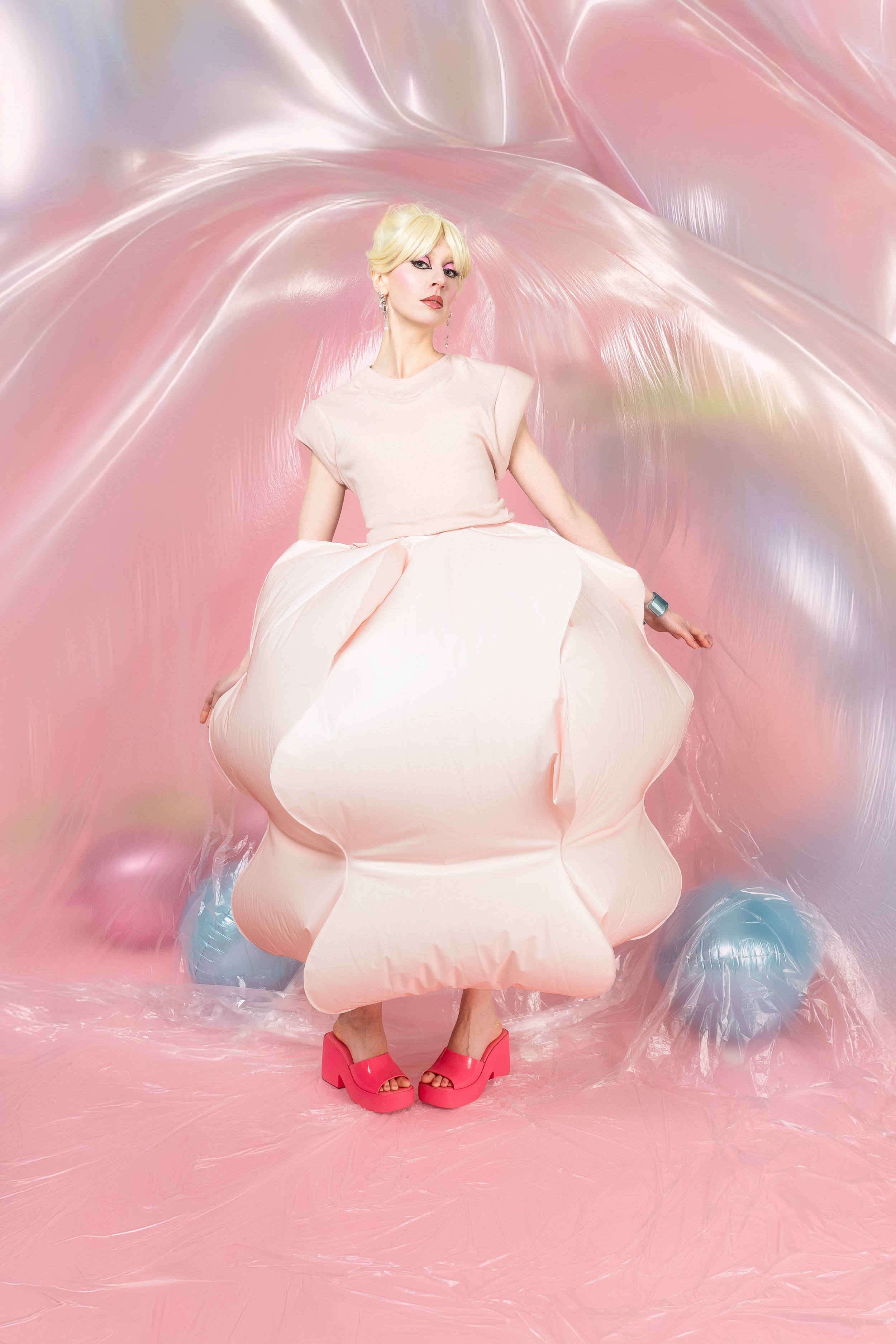
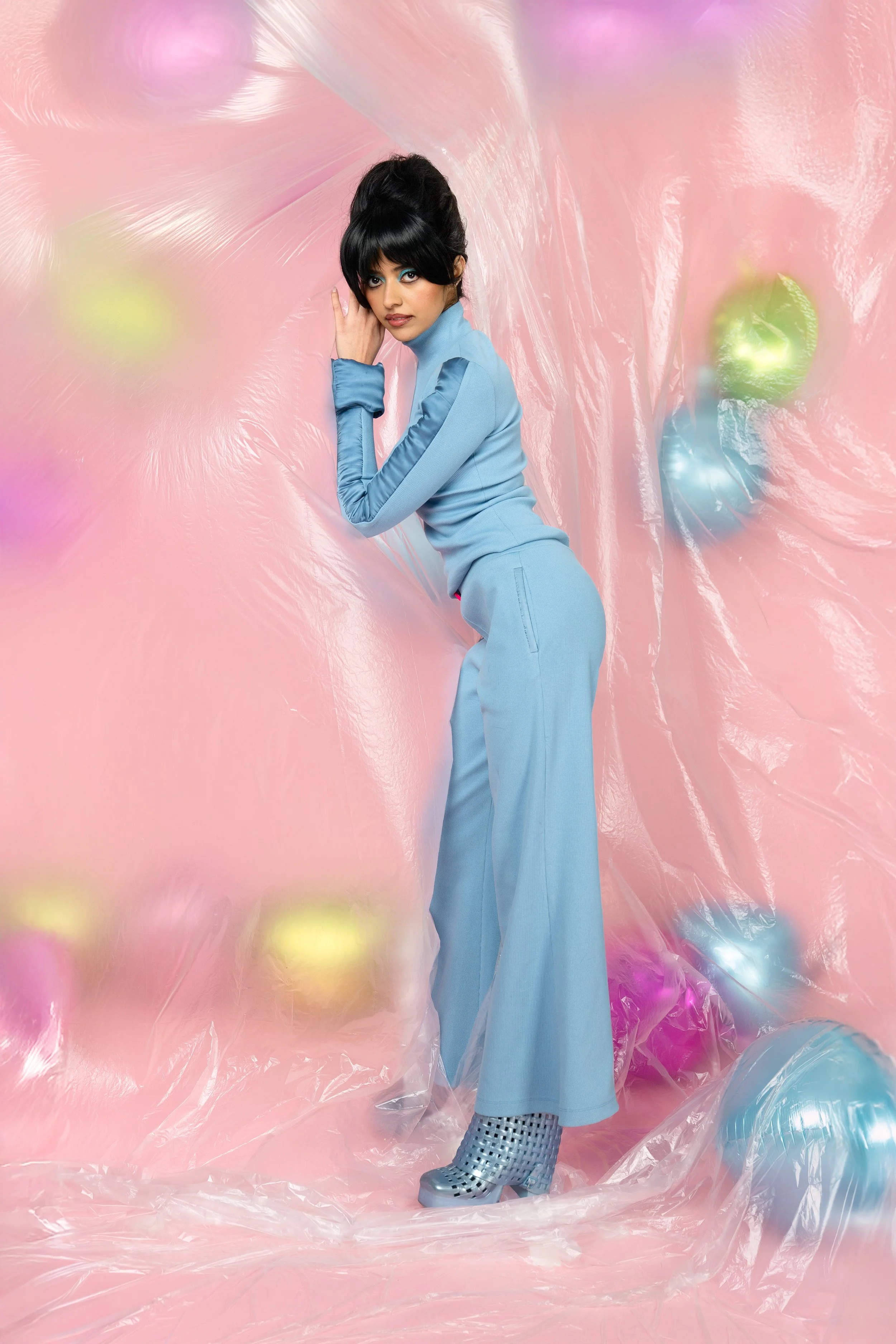
Photography by Karla Tomanelli, Words by Annmarie Gajdos
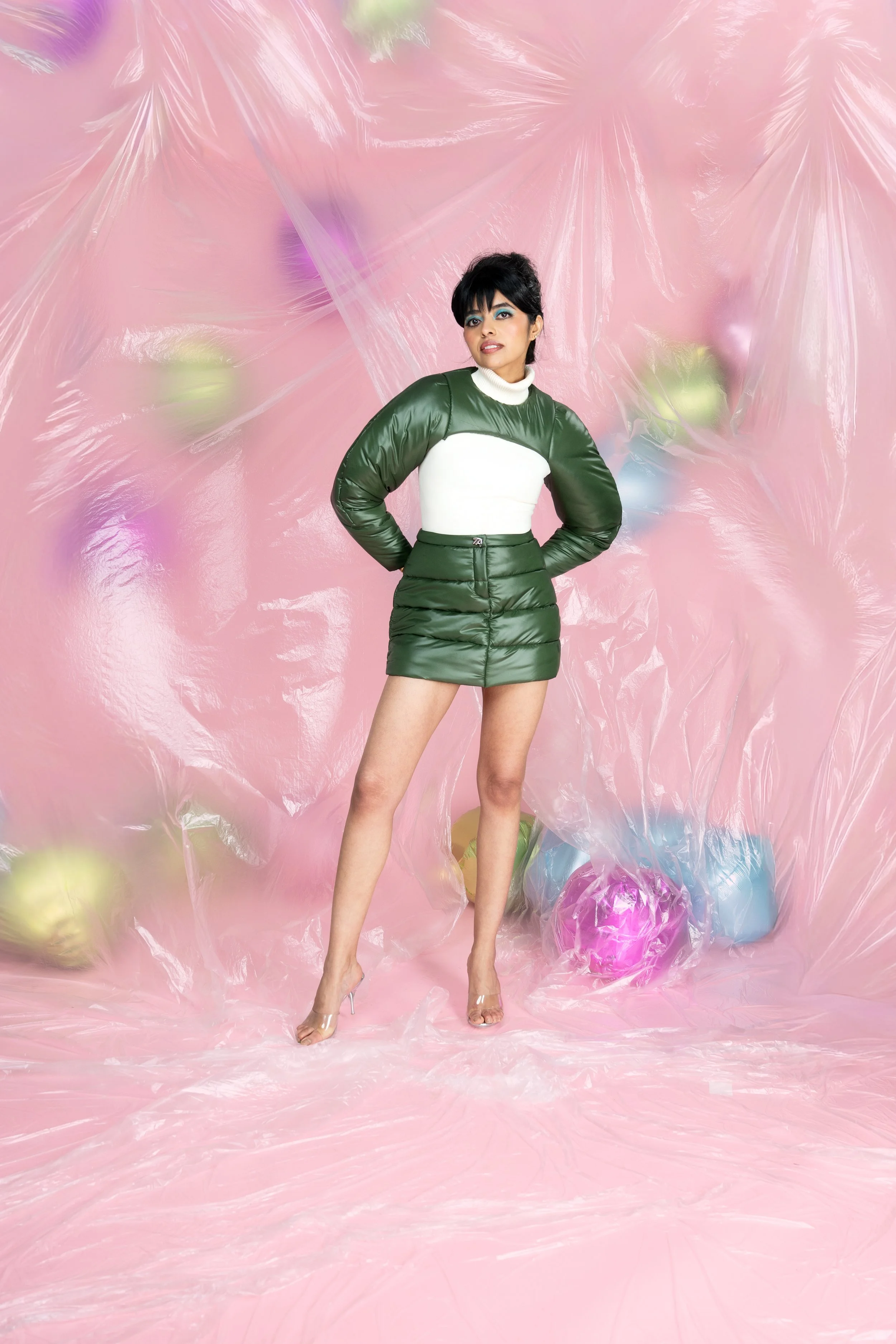
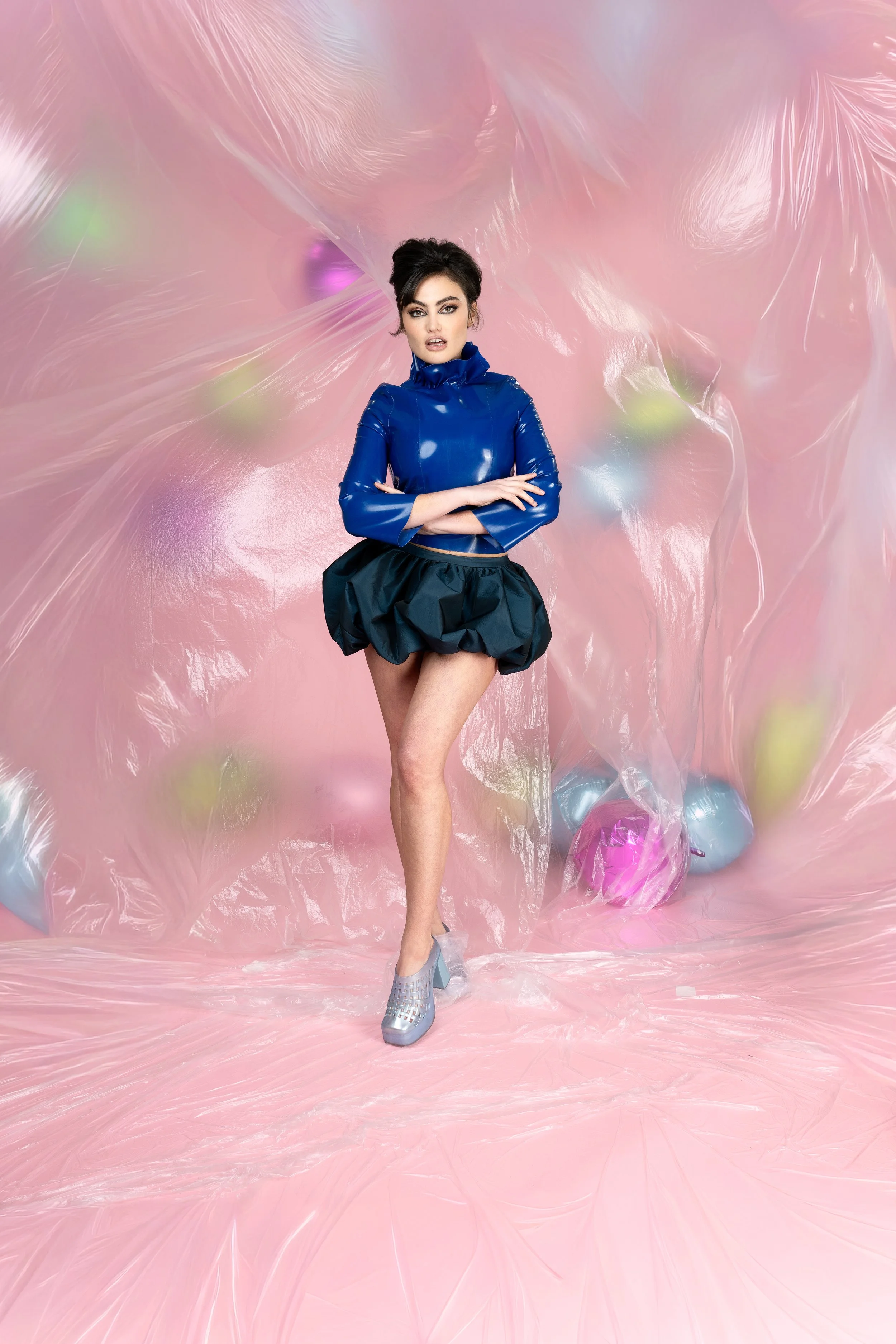
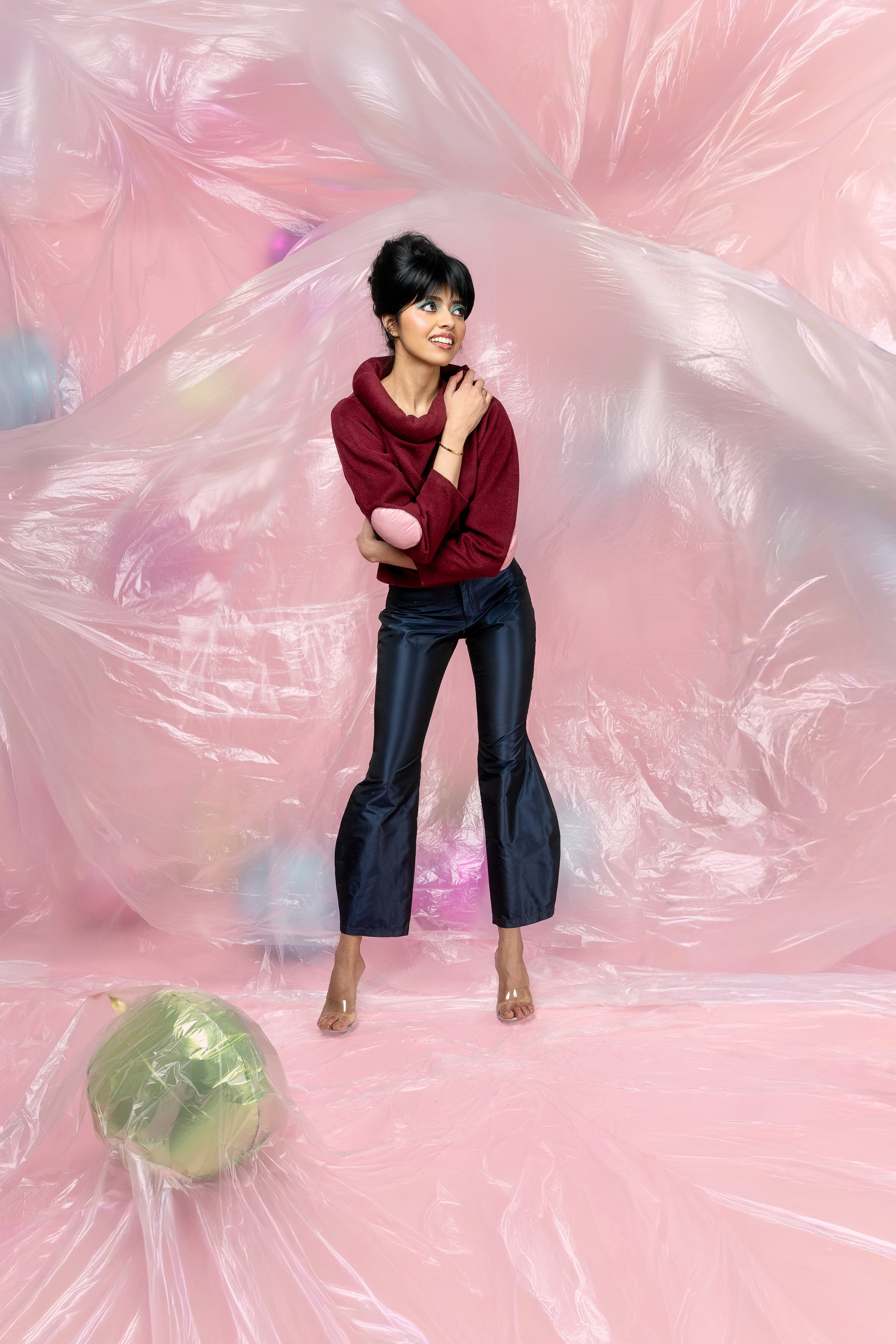
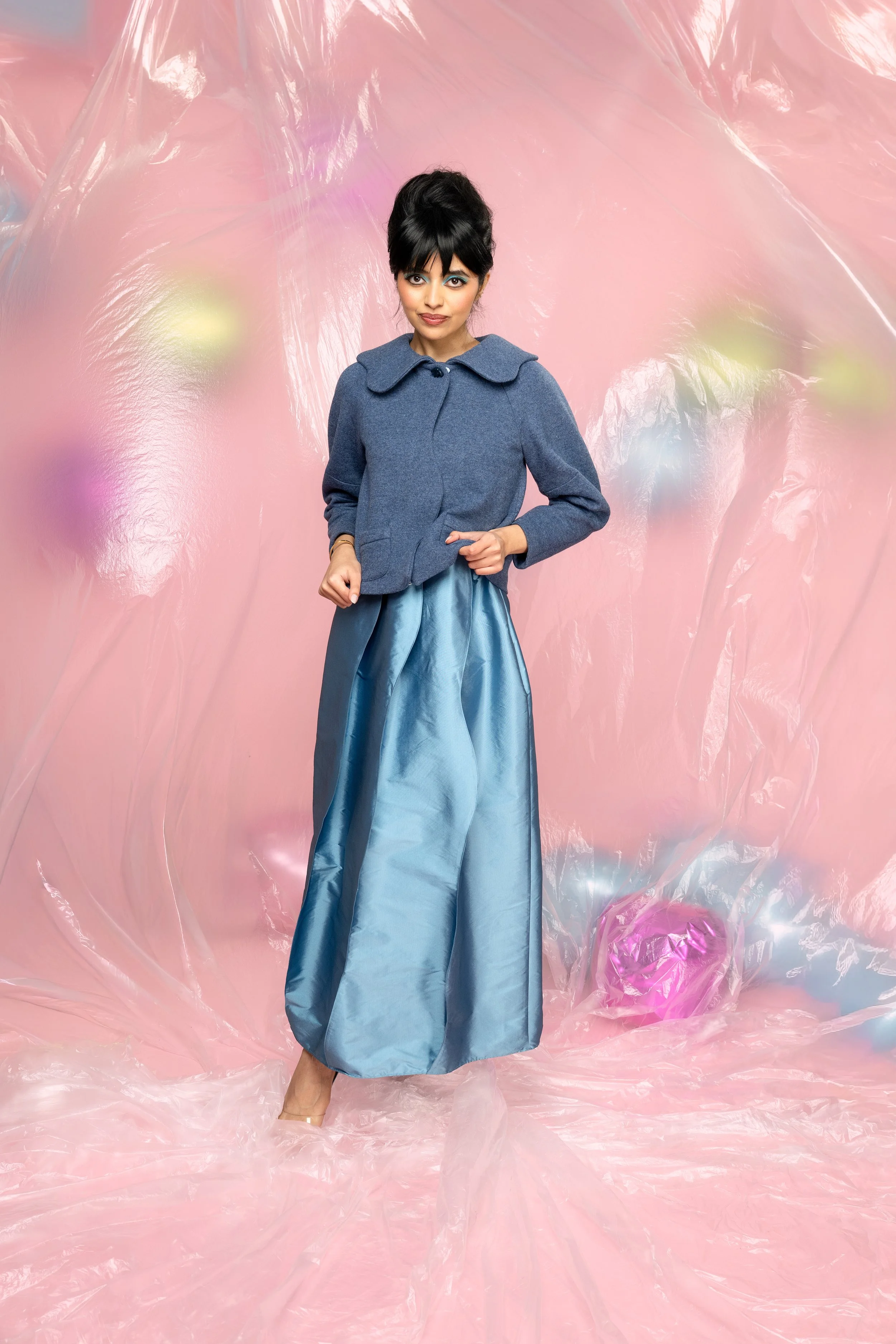
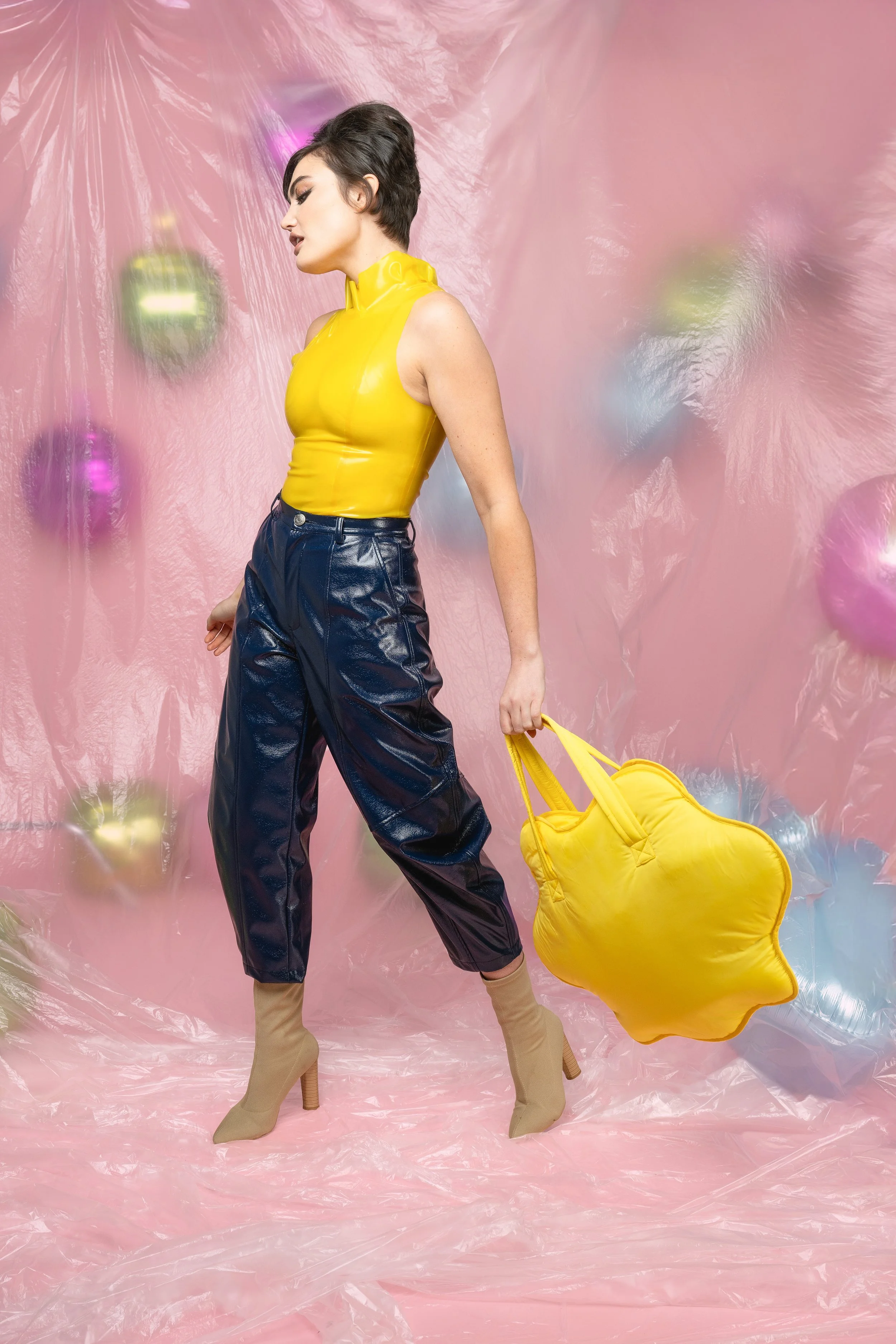
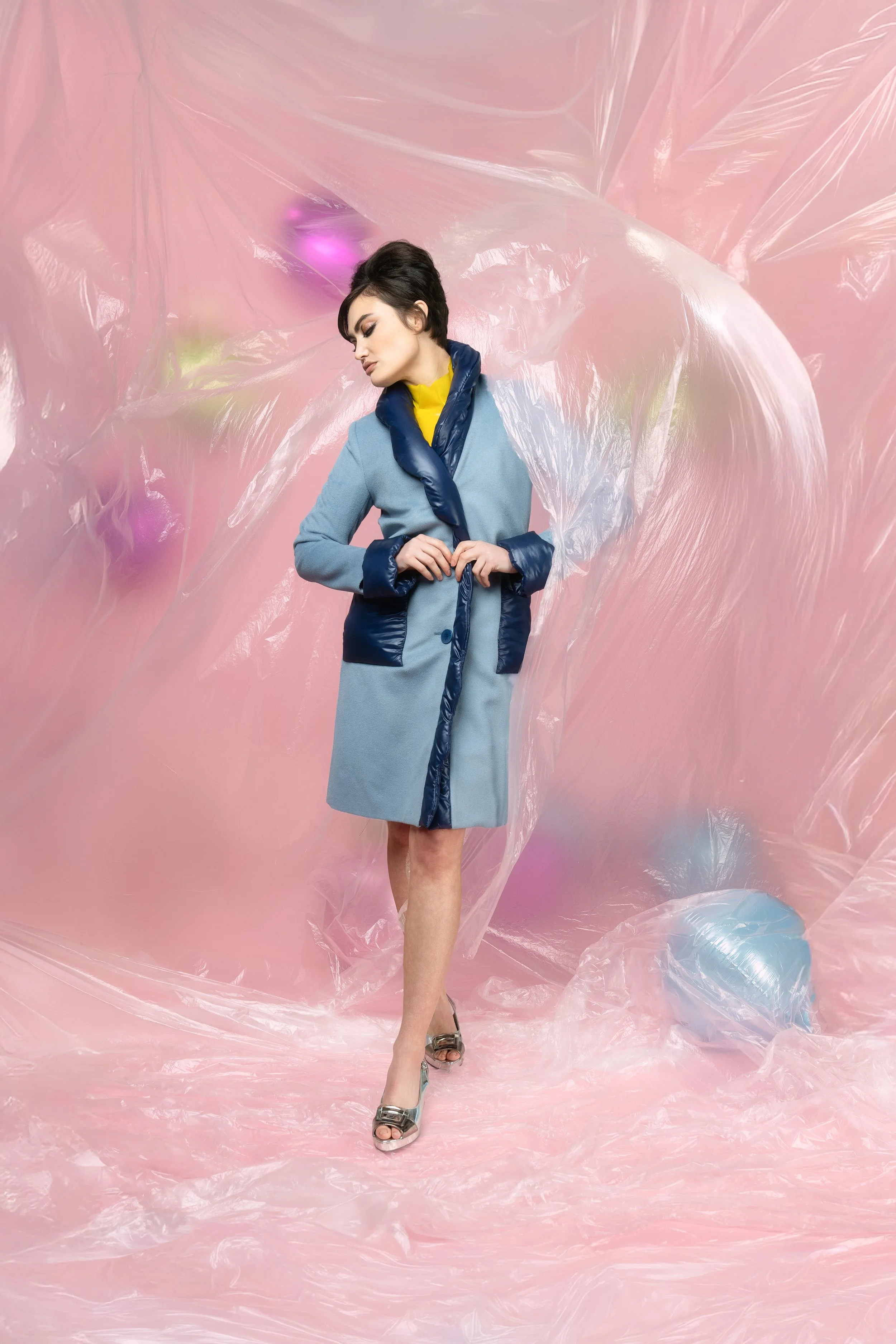
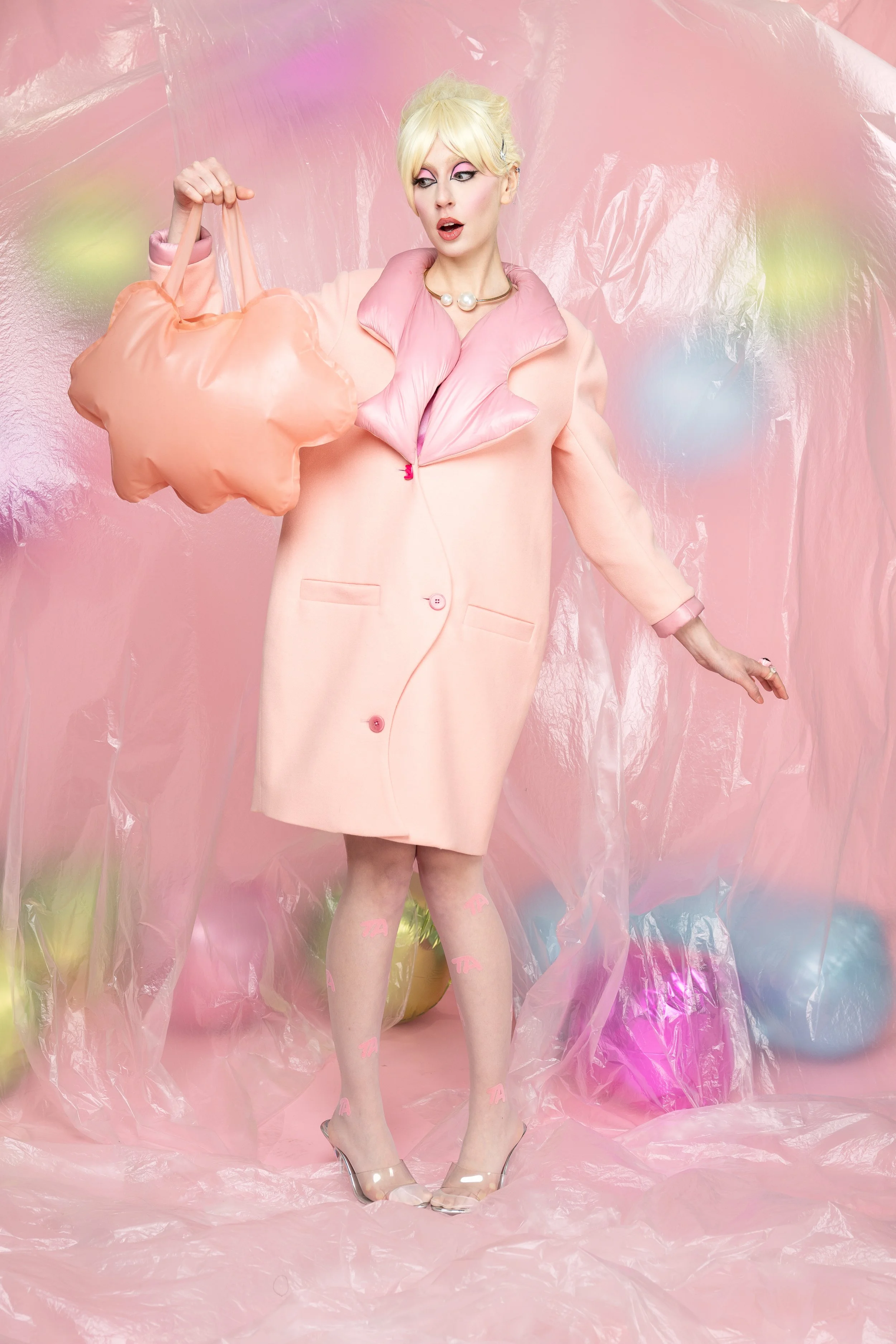
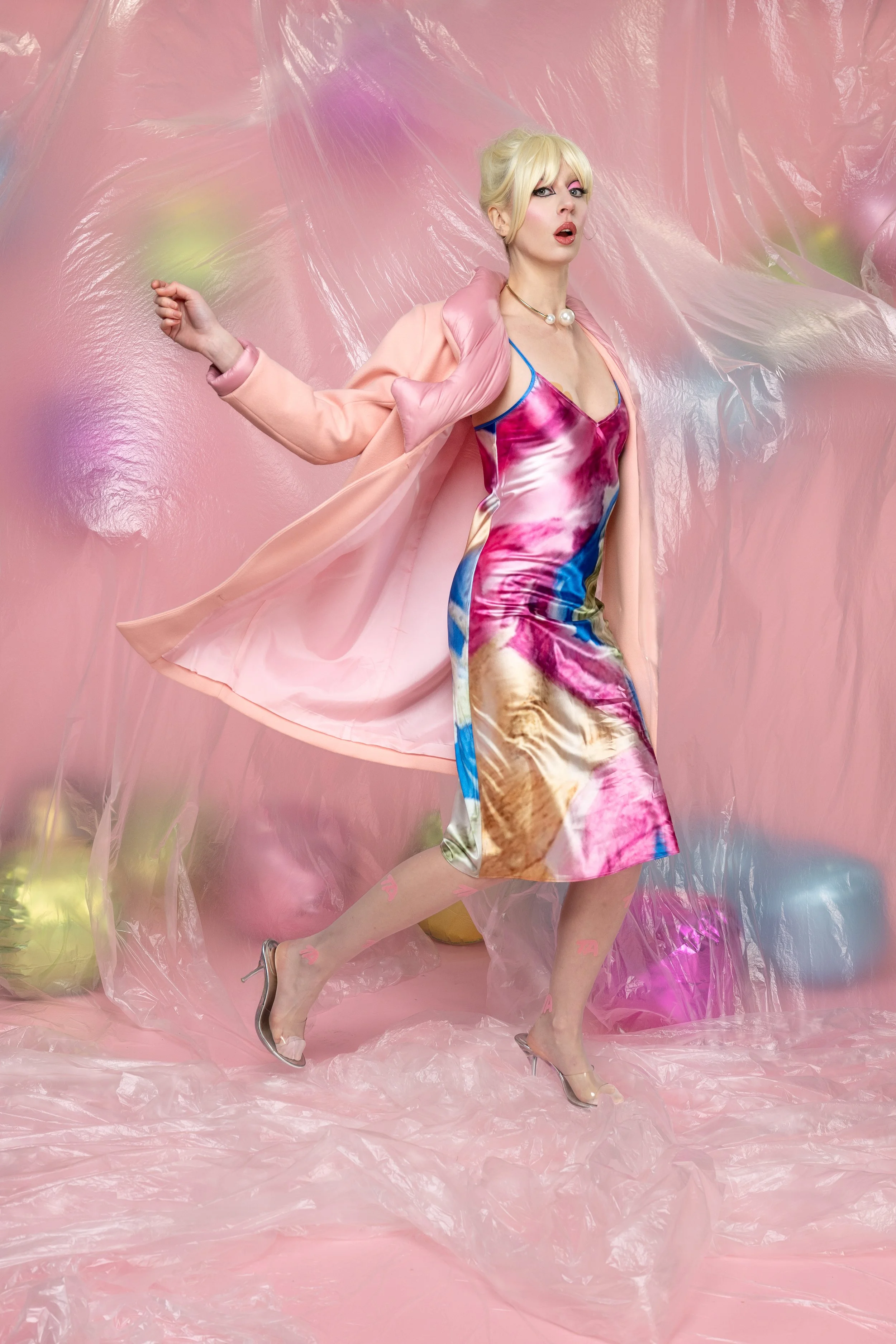
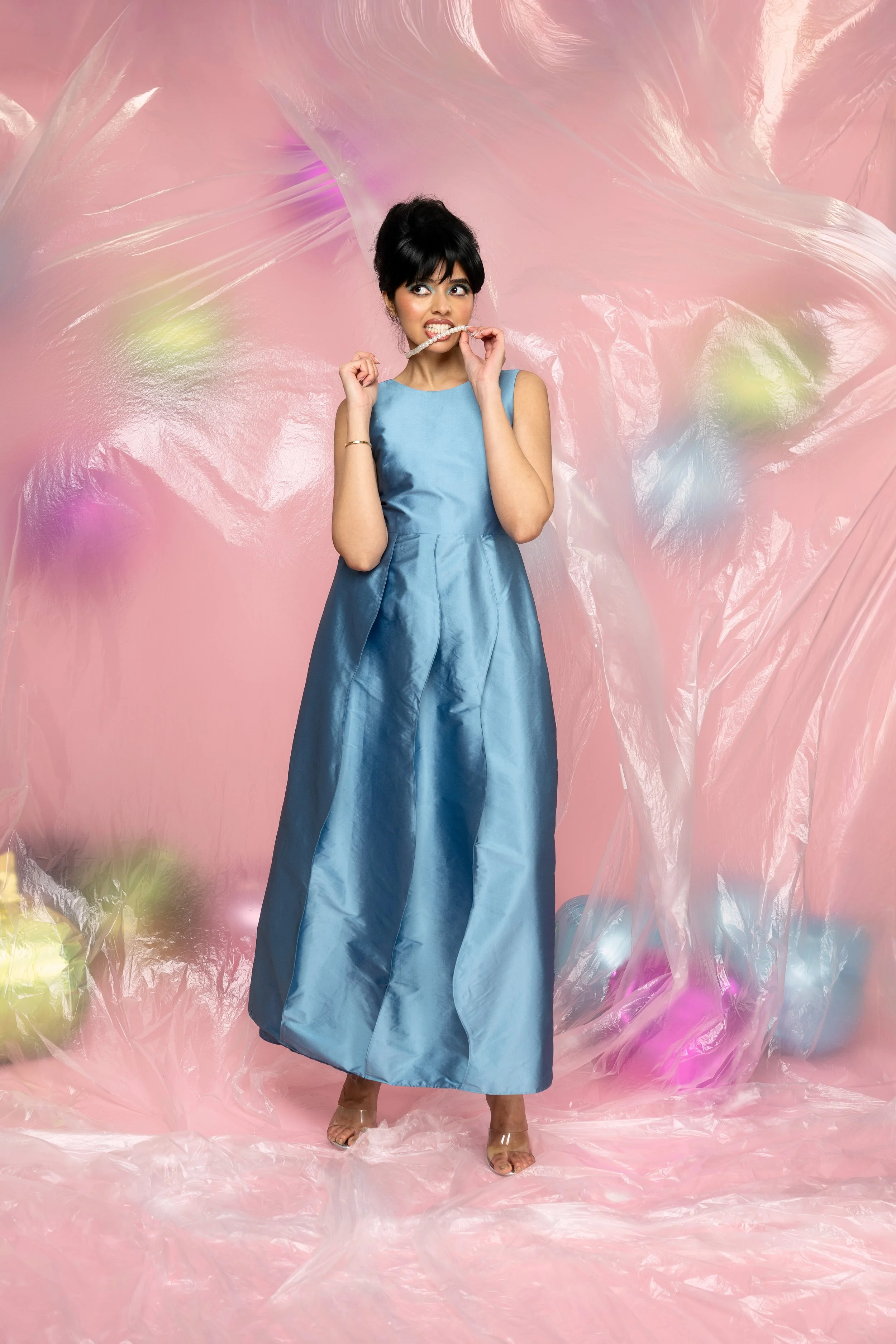
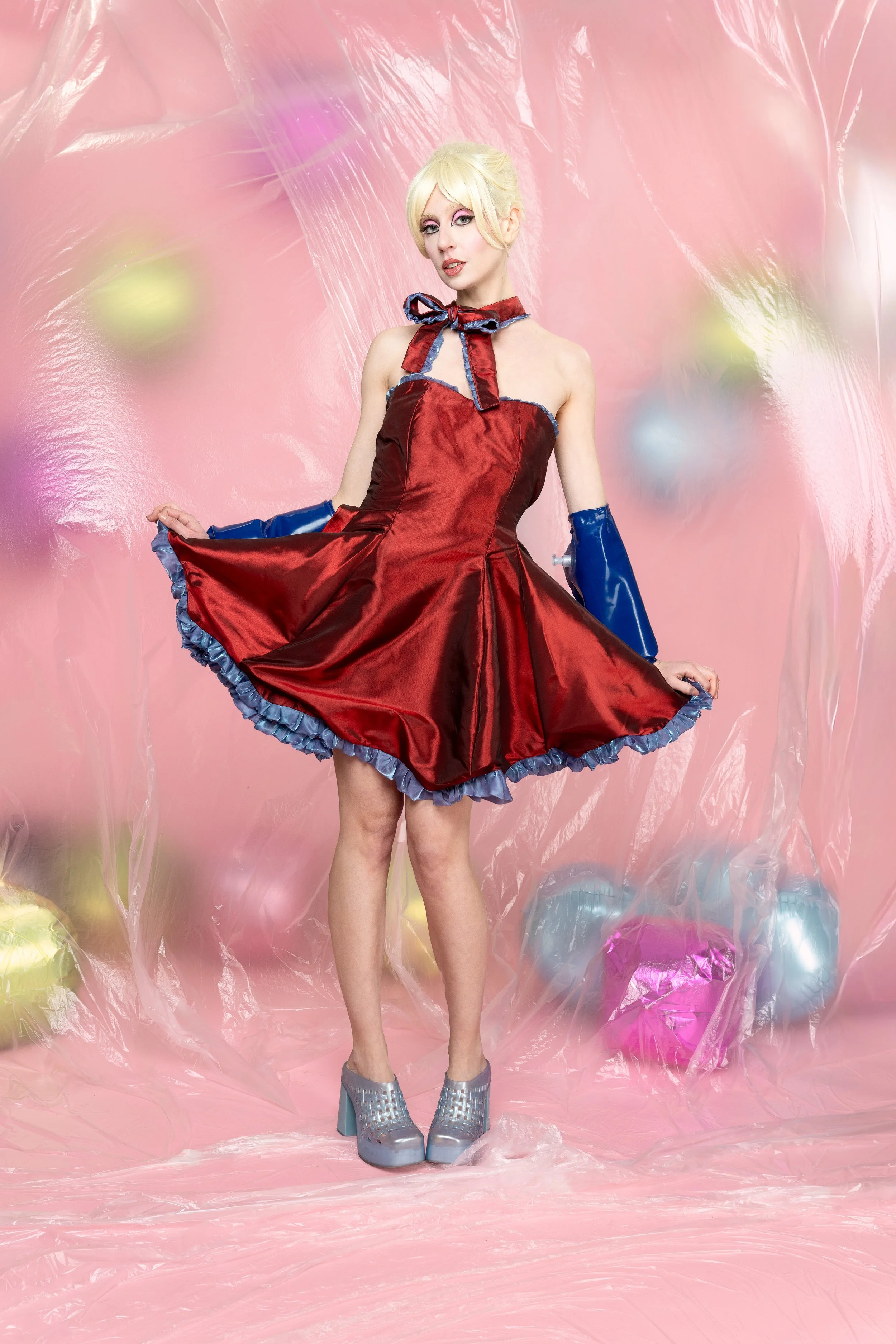
The Mondo Suite at the Moxy Chelsea is a blur of light, bright color, and excitement in what can best be described as a surreal tea party. Models in inflatable, bubble-esque silhouettes drift through the room in vibrant hues, some blowing bubbles as they pose. Tables are set with finger sandwiches and pastel hues dominate the room. Both edgy and feminine guests of all genders flit about. For a moment, I am transported back to childhood summers, chalk on pavement and plastic bubble wands in hand. Whimsy is very much alive at the Tabbe Designs New York Fashion Week presentation. But beneath the latex shine and buoyant silhouettes lies something deeper.
Talia Abbe, founder of the Vogue Runway-featured Tabbe Designs, builds her brand around mental health and inclusivity. What may initially read as sculptural spectacle is rooted in something personal. “My whole brand is about mental health. So I wanted to create this protective bubble,” Abbe explained.
The bubble motif began during her master’s program at FIT, where she conceptualized garments as emotional armor. That idea evolved through an unexpected collaboration. “I got my EEG scans done. They were very swirly, so I added that into all of my pieces.” The wave patterns now visible in seams, plackets, and color gradients mirror those neurological rhythms, transforming internal emotion into physical form. The result is clothing that feels childlike and playful yet undeniably editorial. A standout light pink inflatable dress, hitting just below the knee and styled with matching tights and a bubble bag, balanced fantasy with precision. These are not costumes. They are sculptural statements.
While pastel pinks and blues dominated the more editorial inflatable looks, the newer ready-to-wear pieces introduced sharper tailoring and darker accents. Structured blazers with subtle inflatable elements, wavy-trimmed sweaters, and bubble mini skirts felt more grounded, more city-ready. They suggest that joy does not have to be reserved for the runway. They feel designed for real life, even if that life includes navigating the L train during rush hour.
This season marks a clear evolution for Abbe. Her earlier work leaned heavily into exaggerated inflatable forms. For FW26, she refined that language into something more inclusive. “I brought that bubble wear into ready-to-wear clothing to make it more accessible for everyone.” This evolution connects back to Abbe’s broader theme of the butterfly effect, the idea that small moments create ripple effects over time. The transition from purely editorial spectacle to wearable optimism reflects her own growth as a designer.
Conversations around mental health are often framed as heavy and somber. Abbe challenges that narrative. “It doesn’t have to be dark and stormy,” she said. Instead, she proposes latex in light pink. Sweaters that curve like brain waves. Even the exit experience reinforced the mood: guests left with goodie bags containing slime that required activation, along with a playful candle. Joy, here, is tactile. It is something you engage with.
In a Fashion Week landscape often defined by minimalism or severity, TABBE DESIGNS offers something softer yet equally intentional. A reminder that protection can be playful. That vulnerability can be vibrant. And that sometimes, joy itself is a radical design choice that you can put on and take off each and every day.
Veejay Floresca
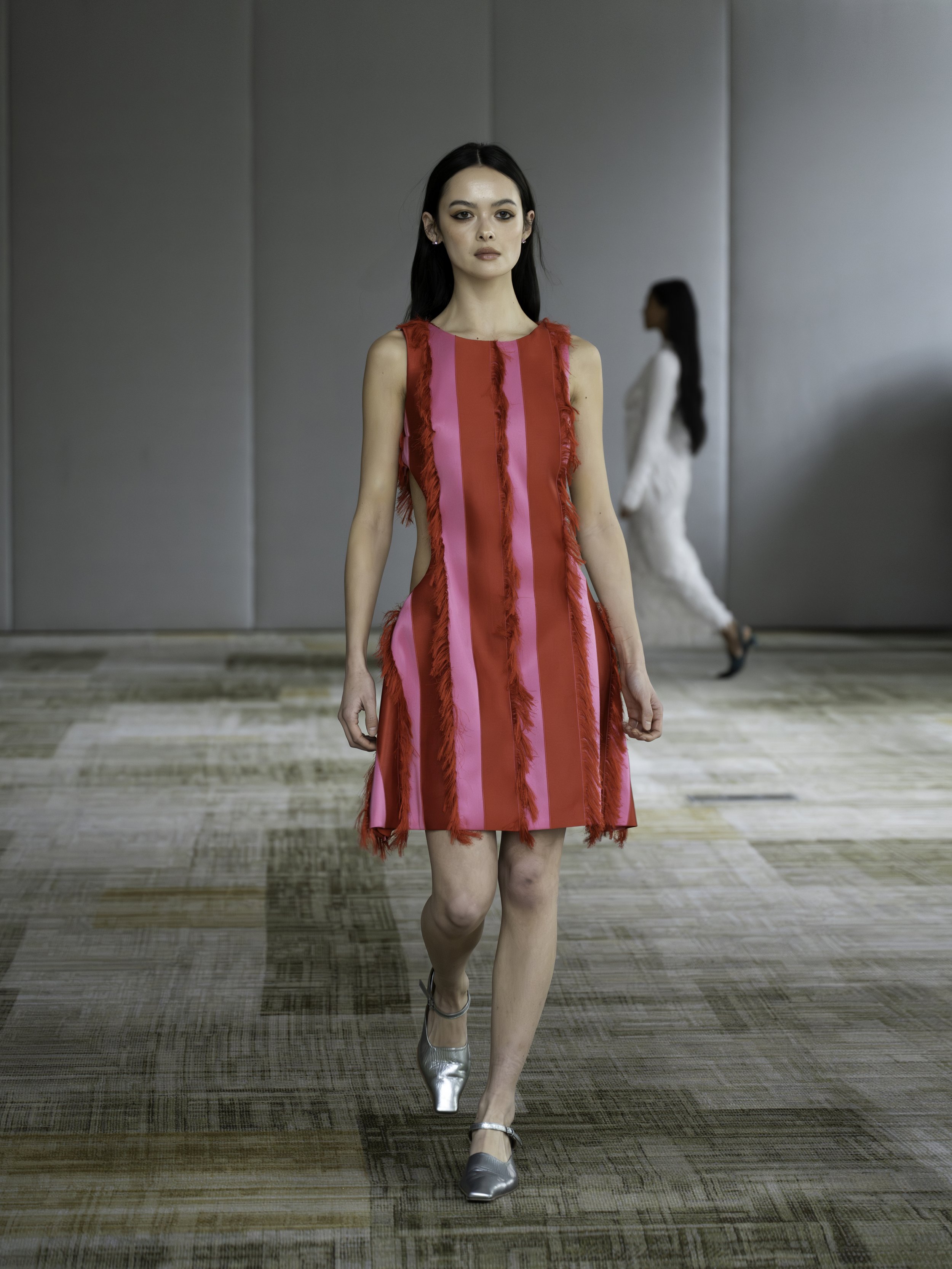
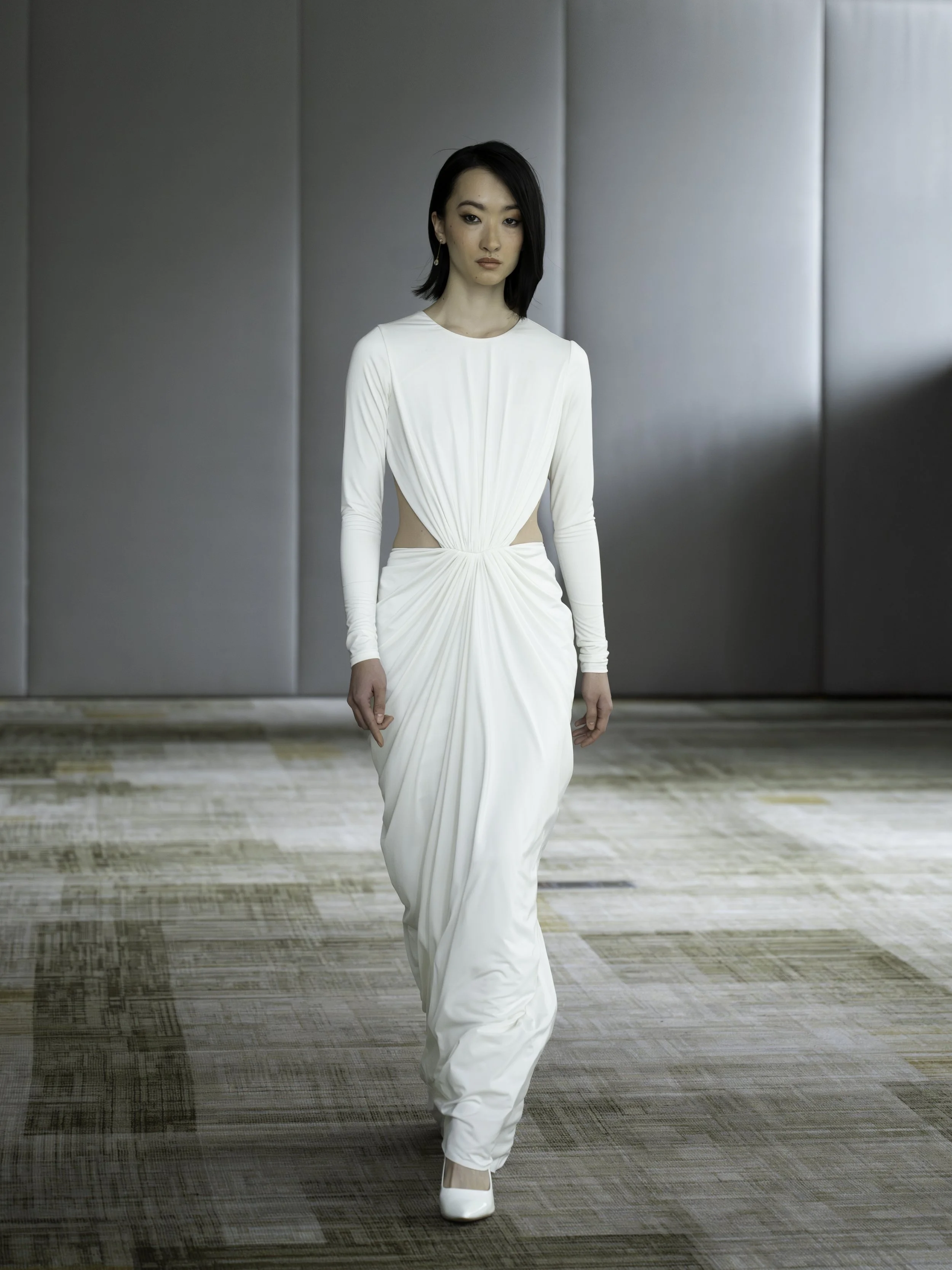
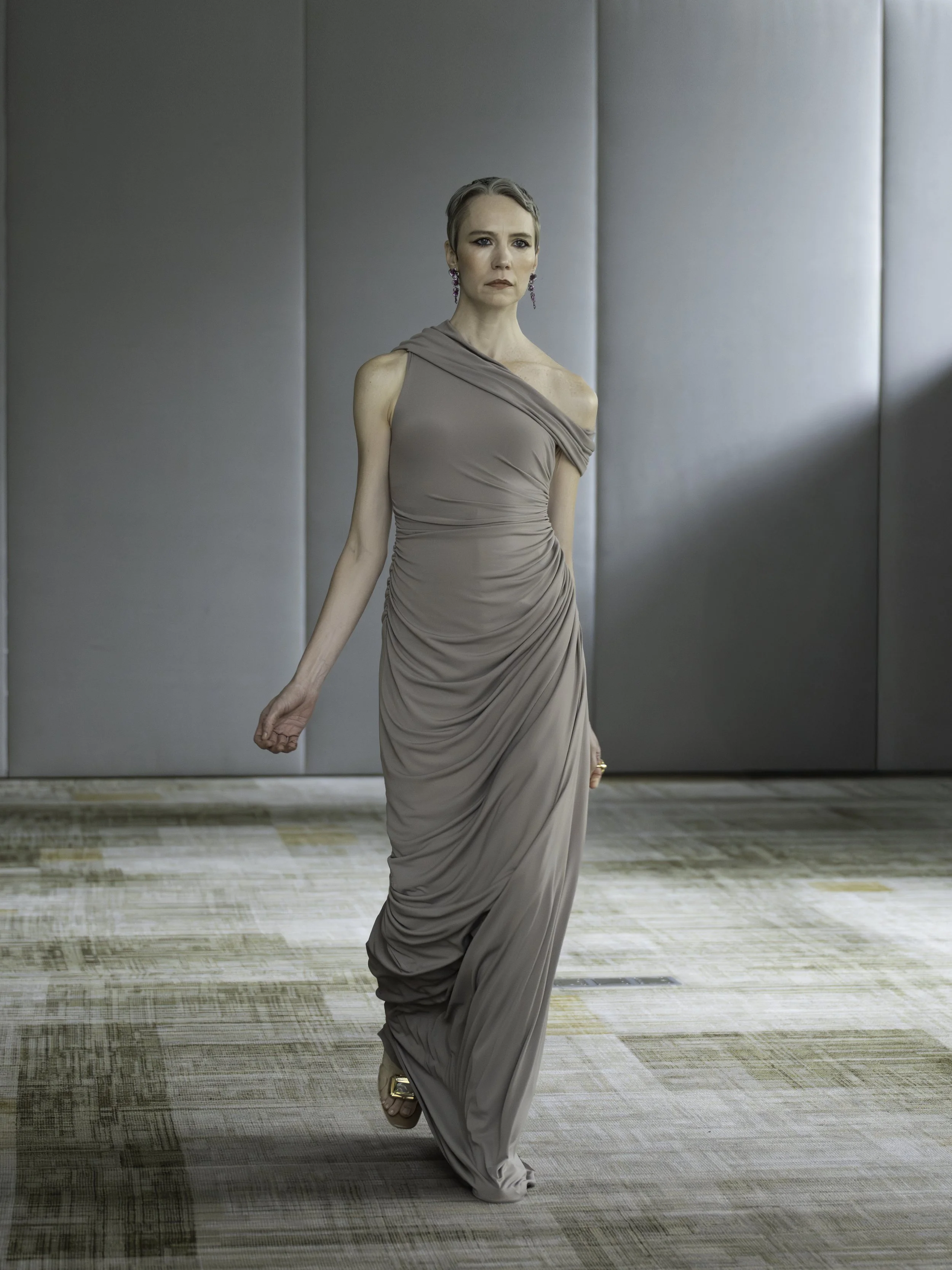
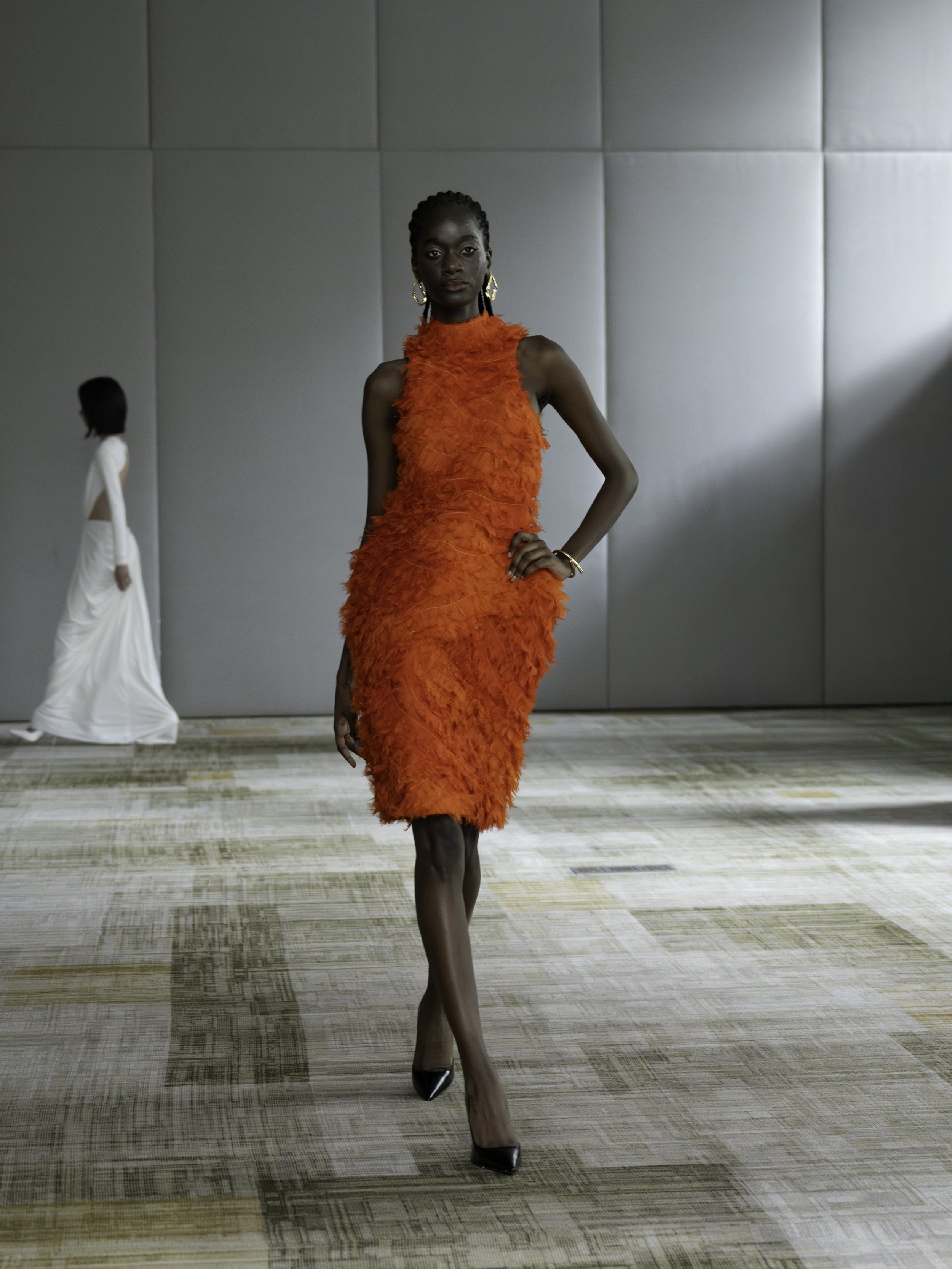
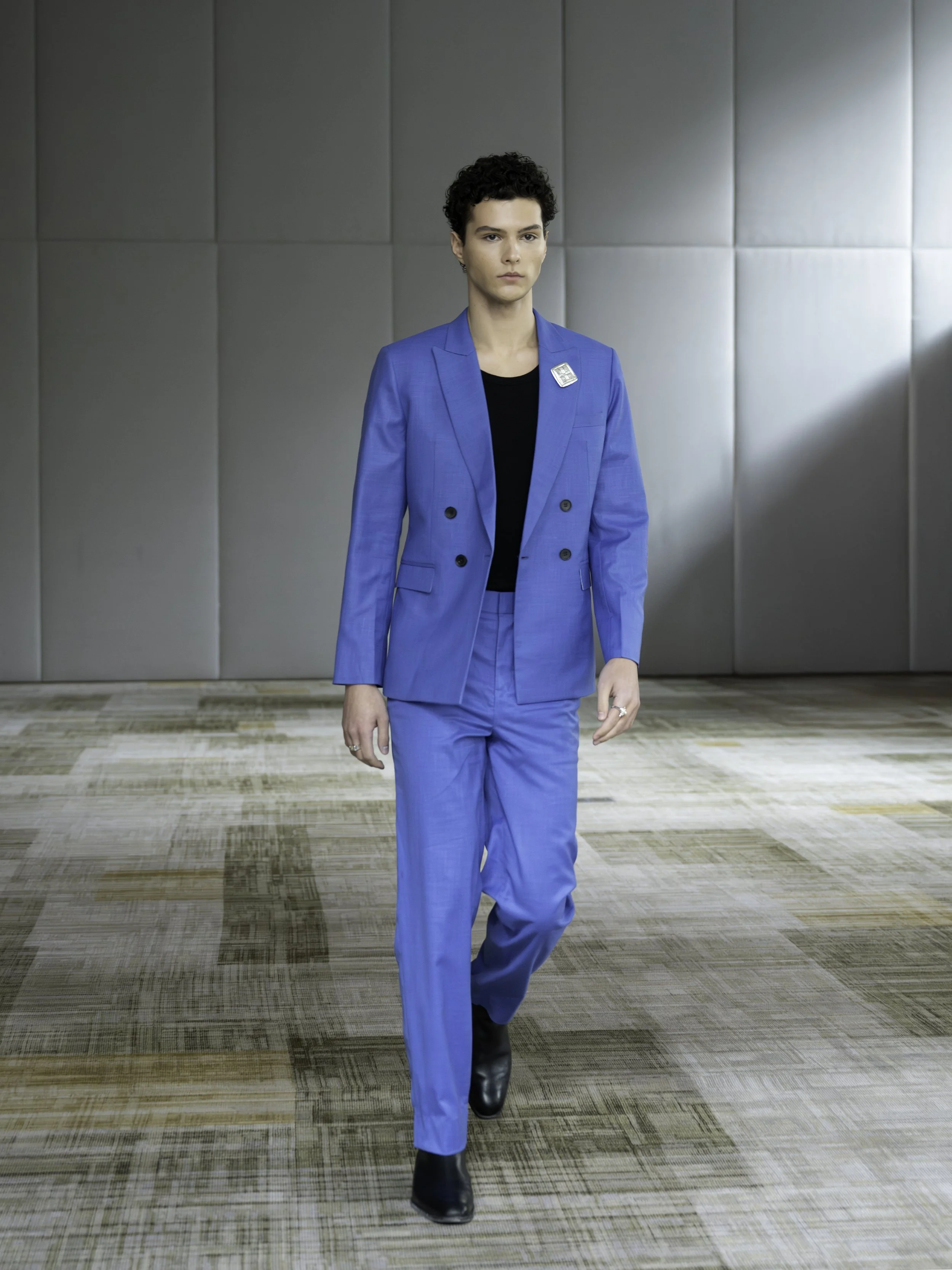
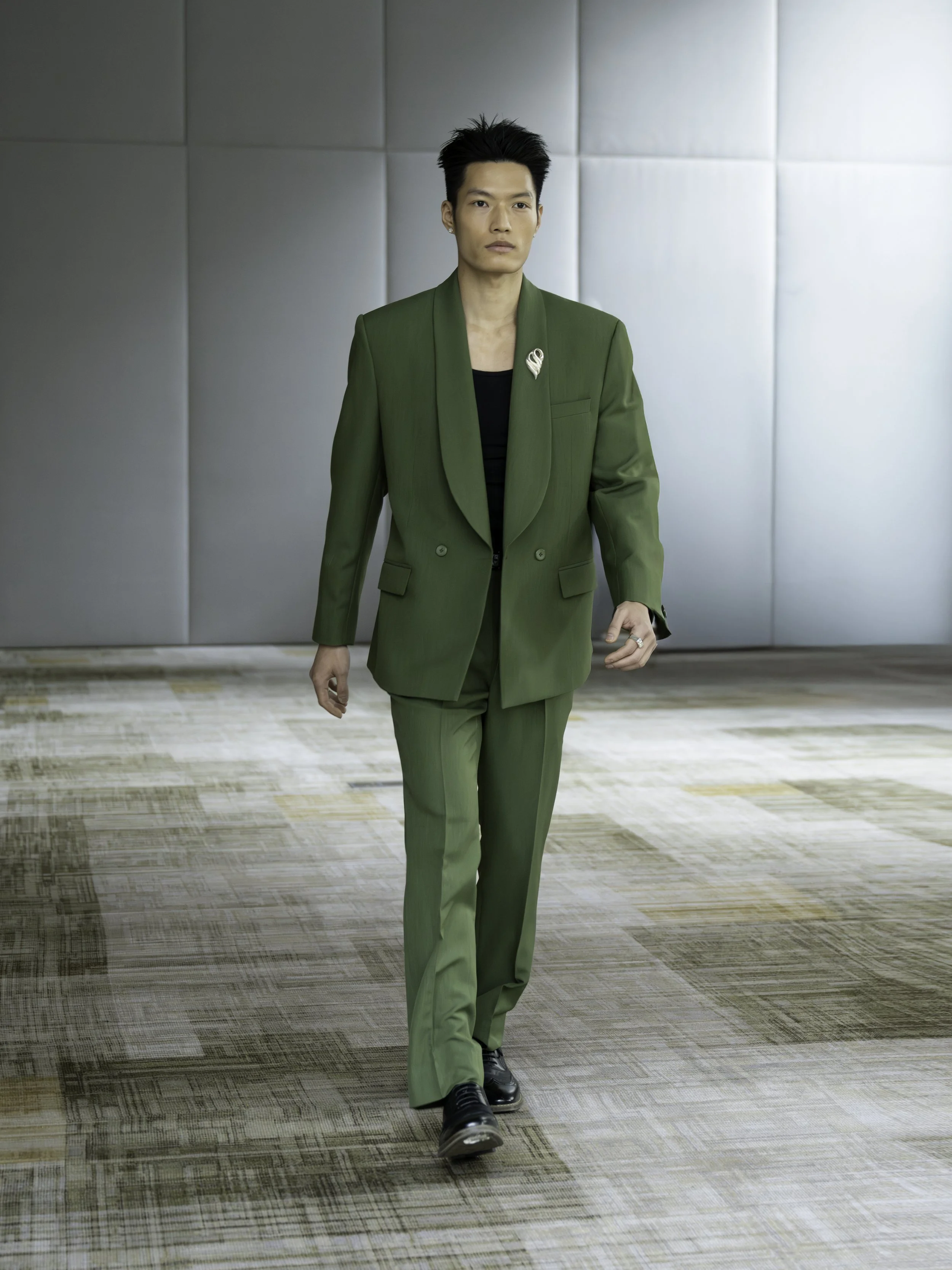
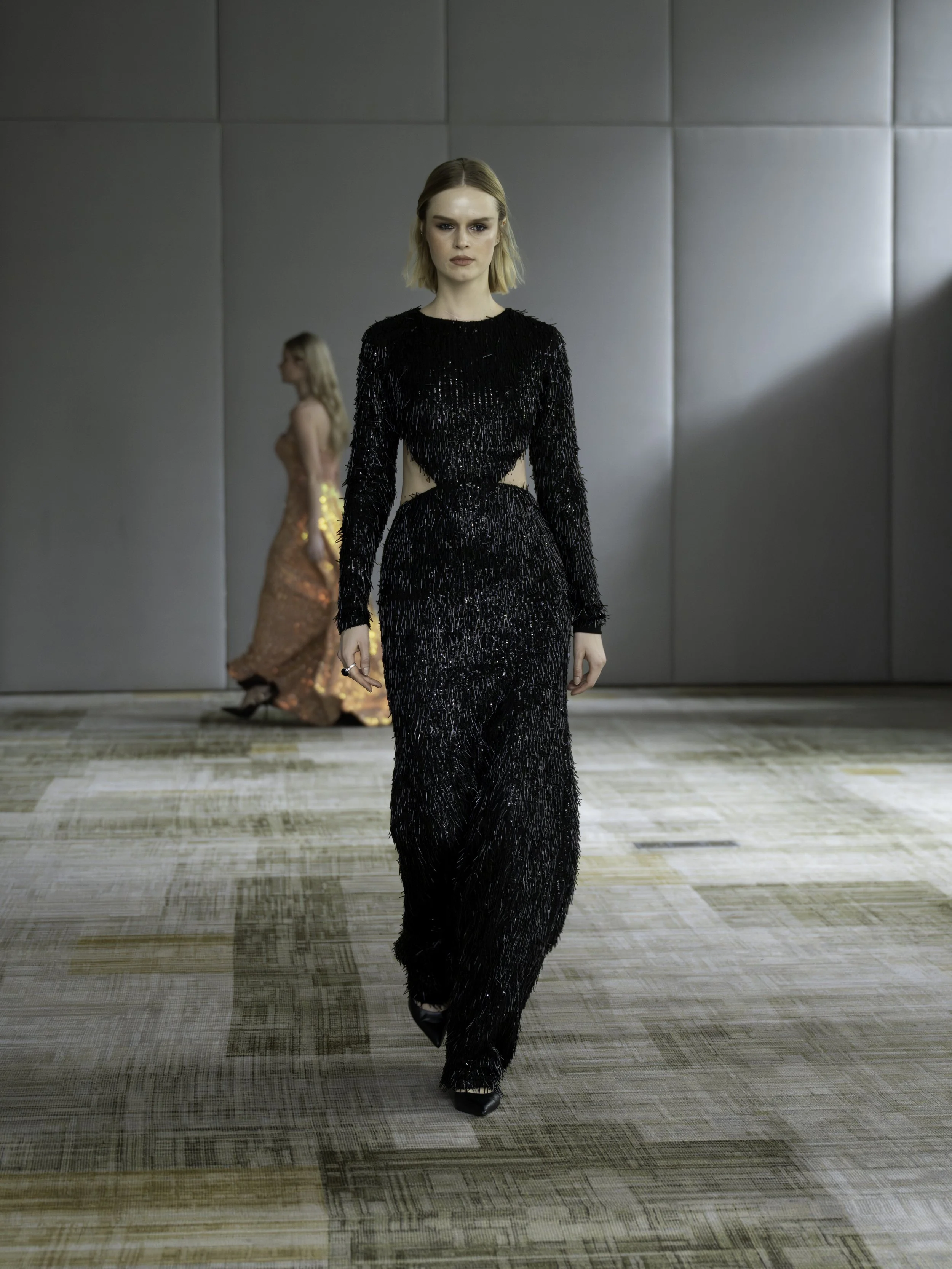
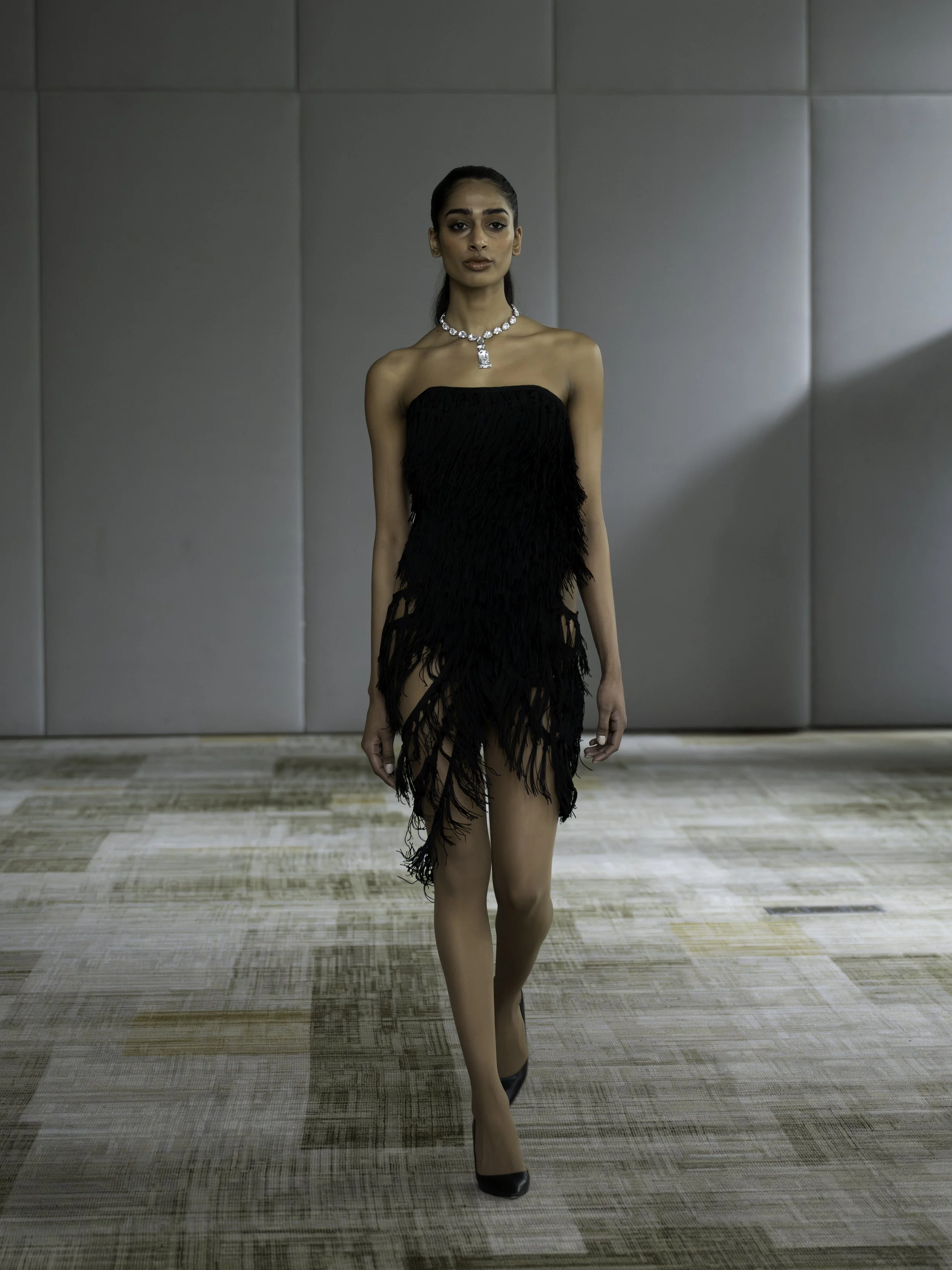
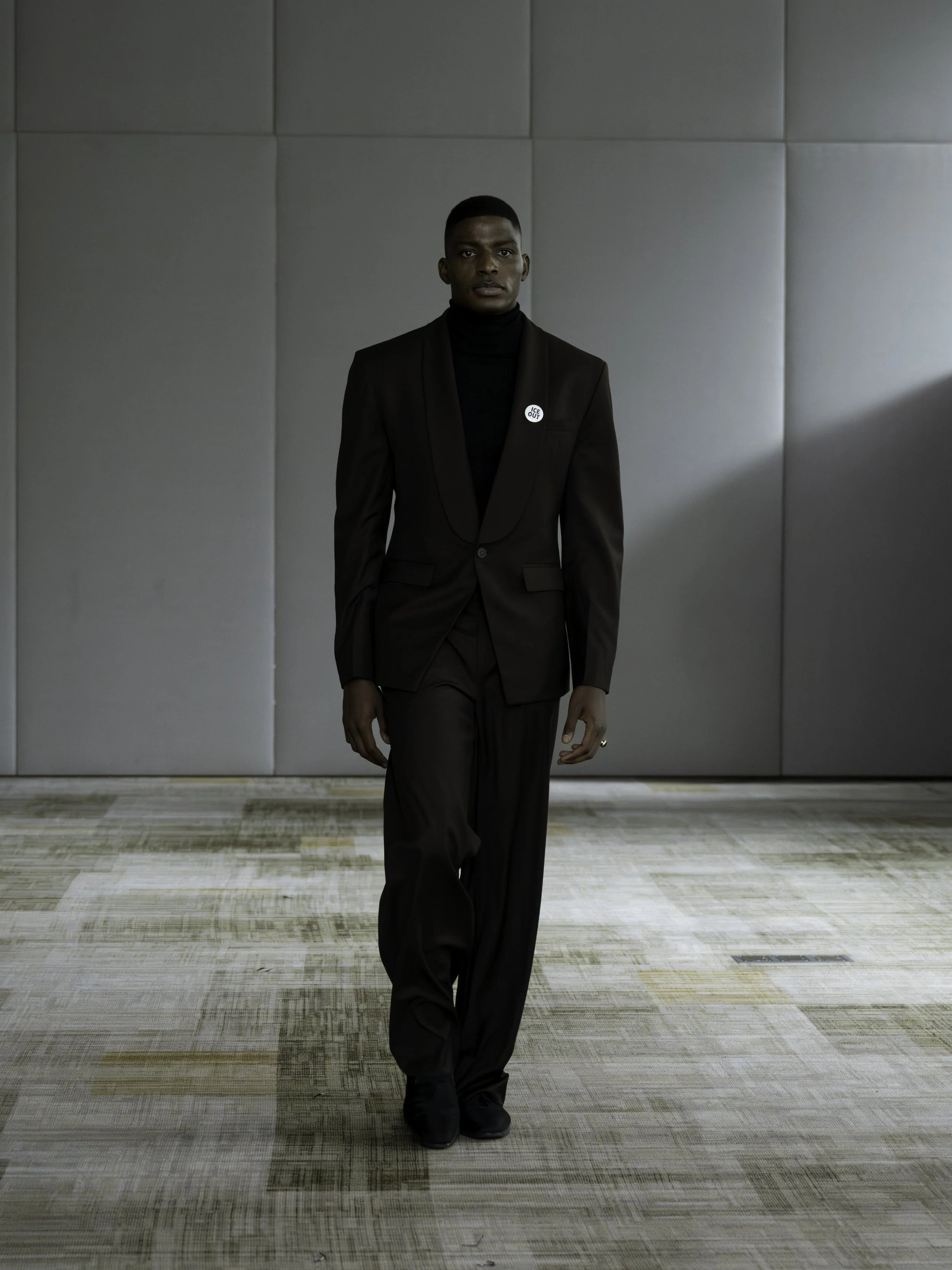
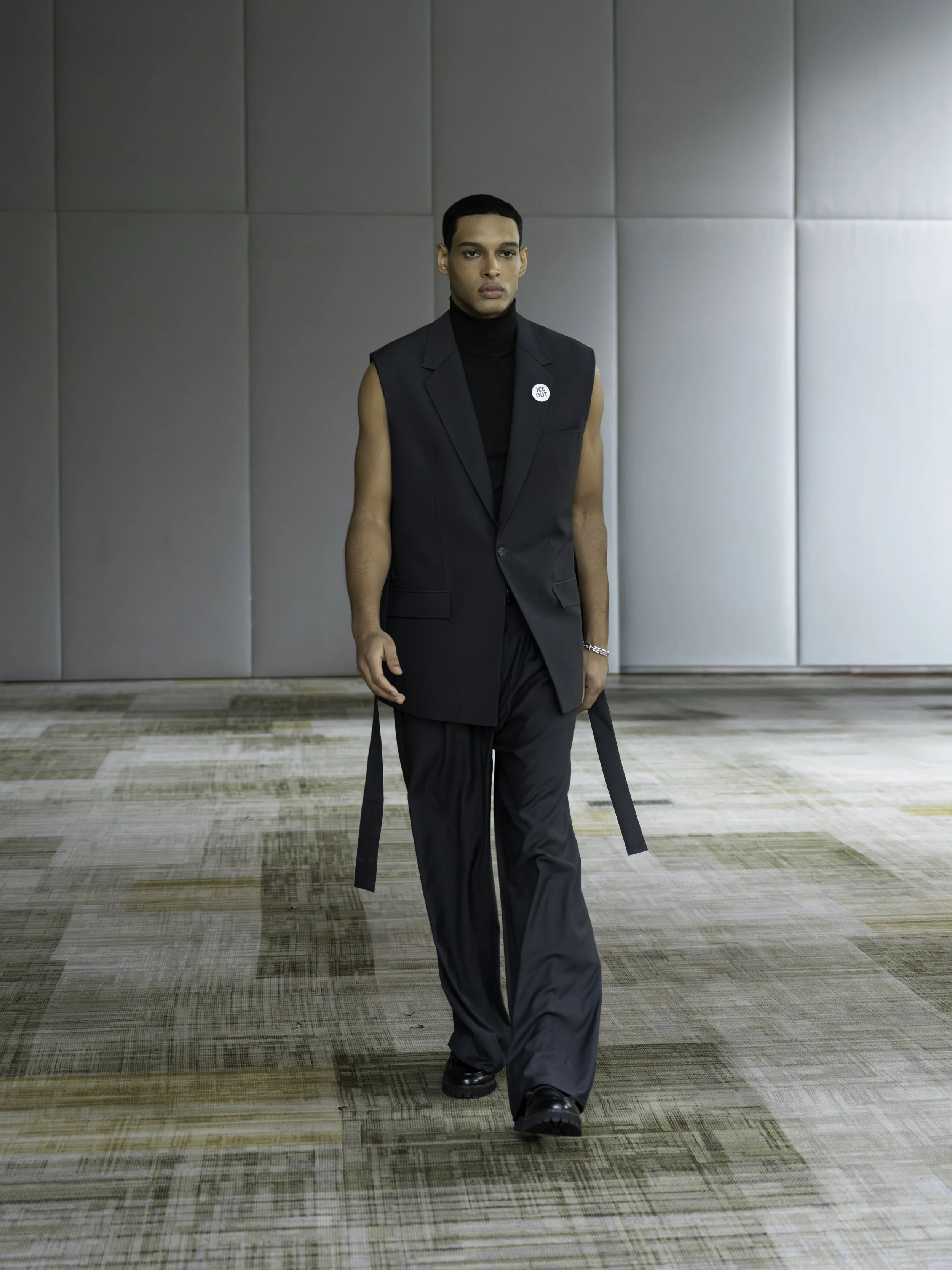
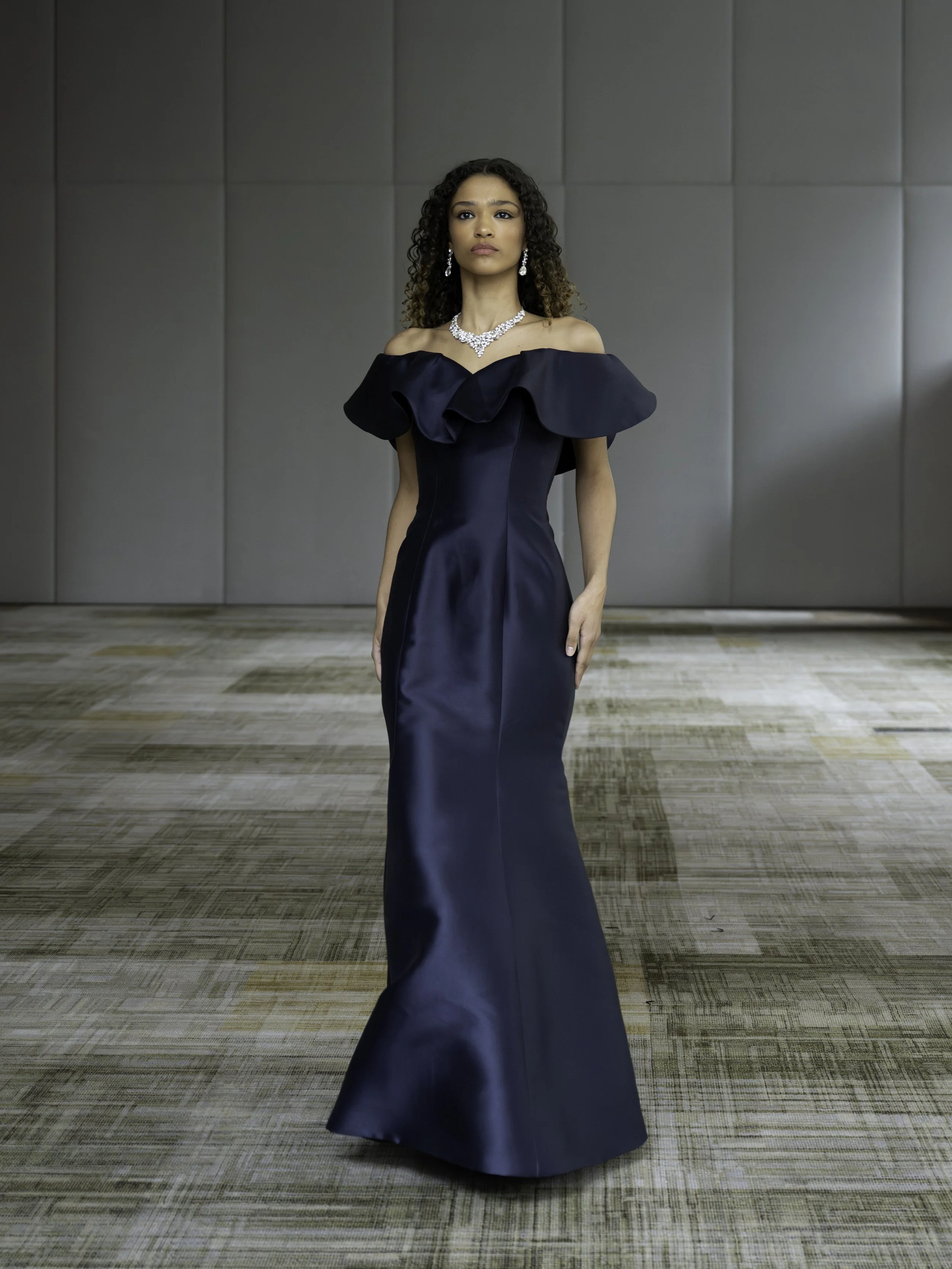
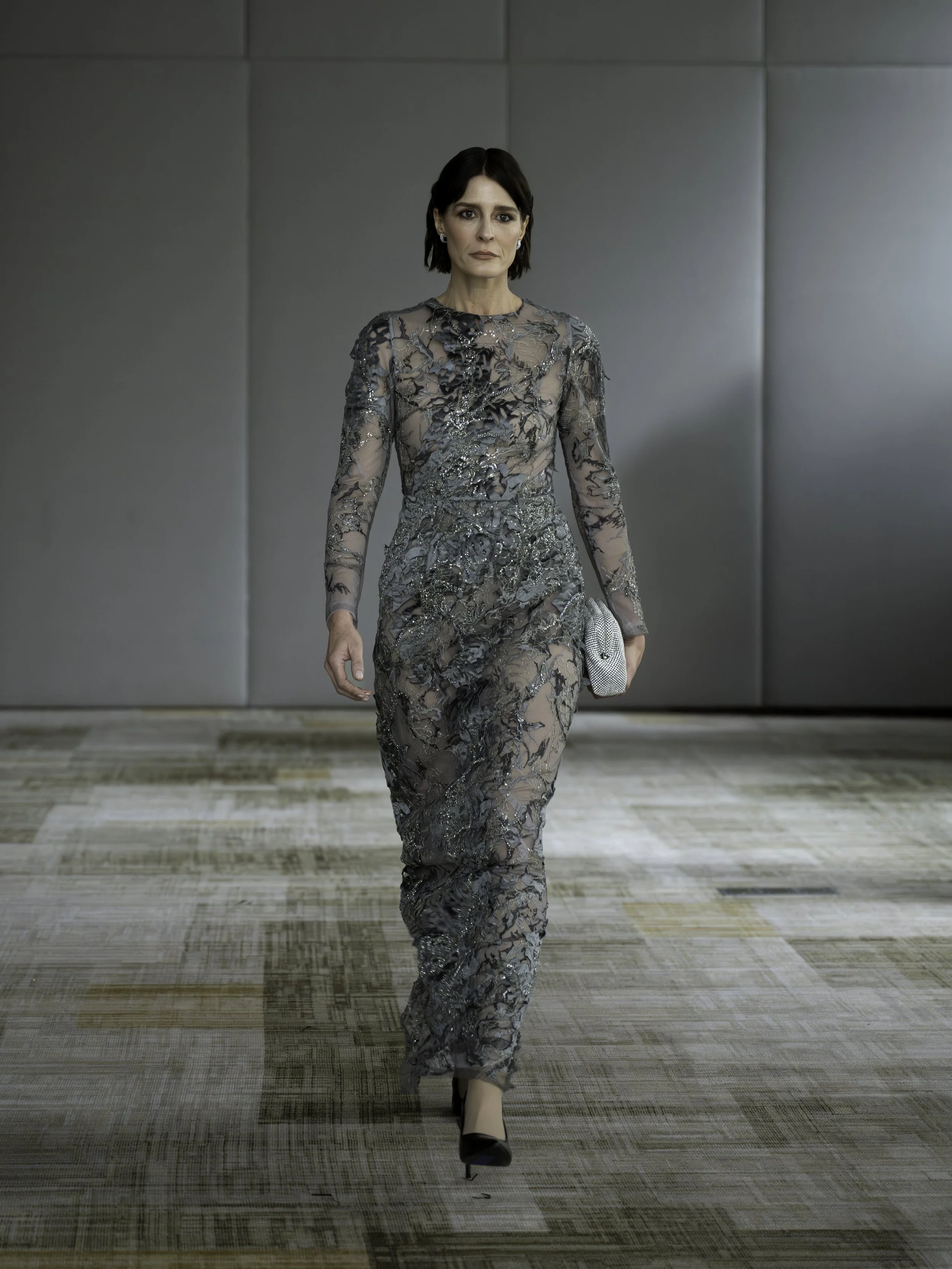
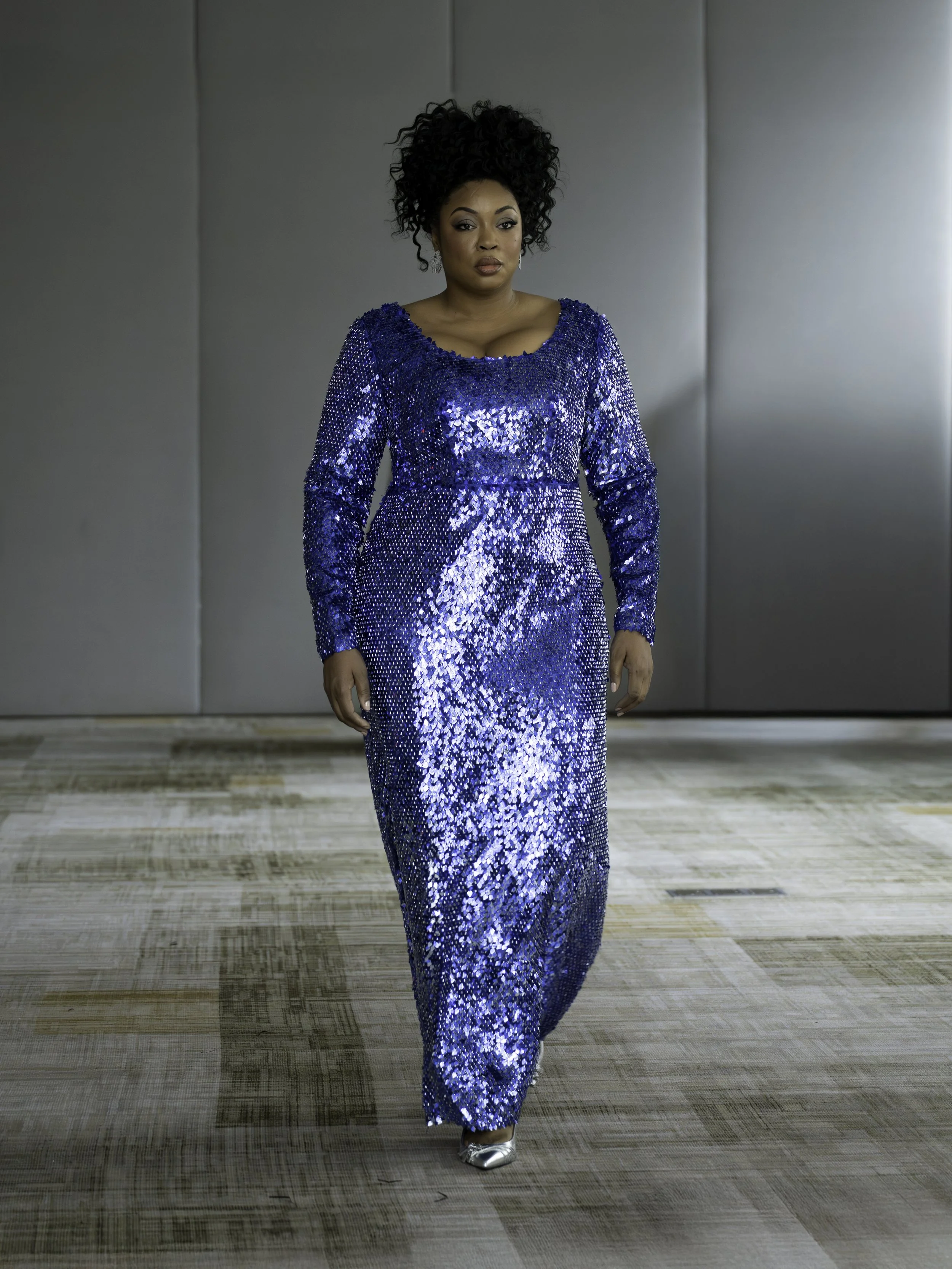
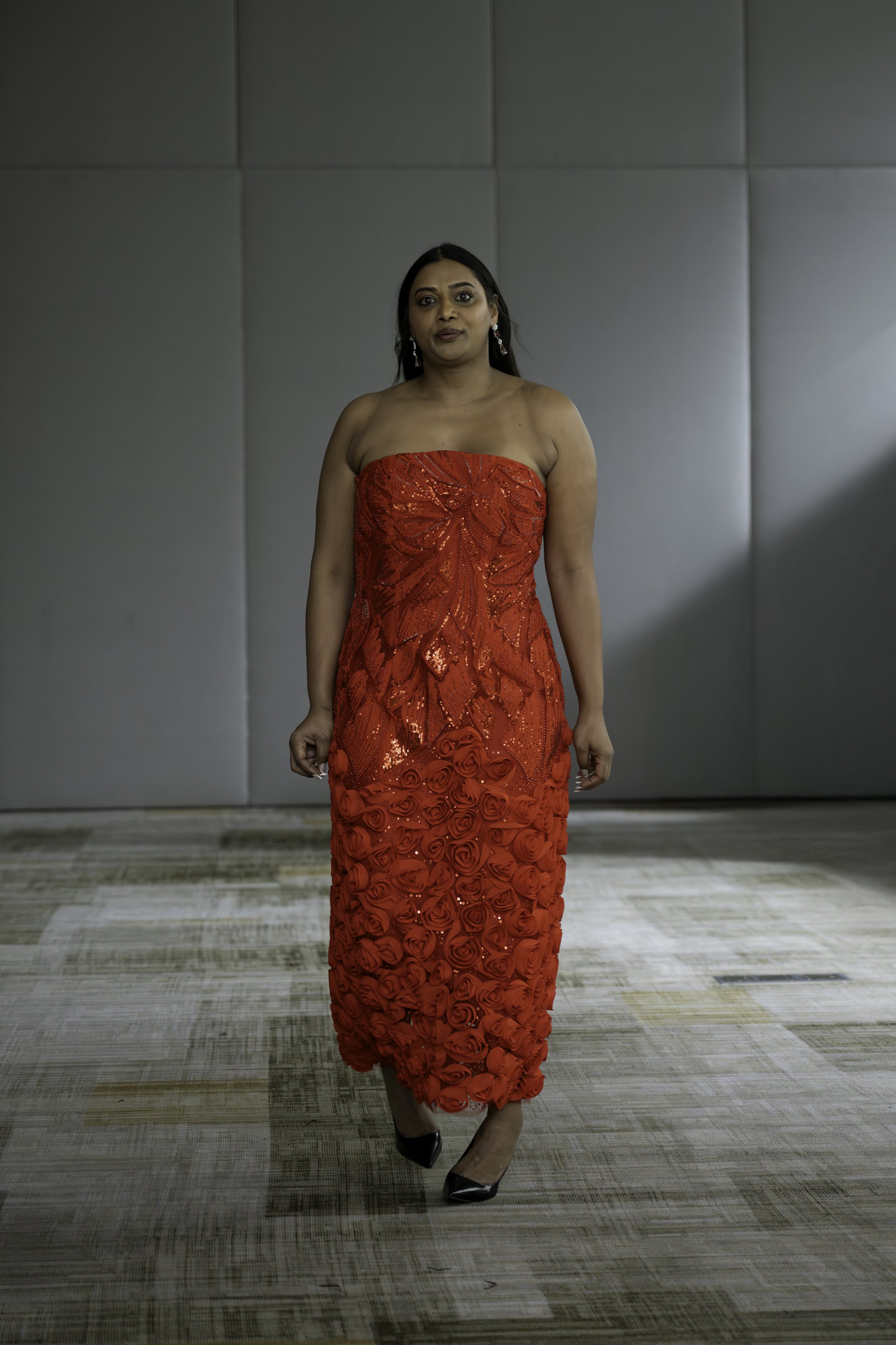
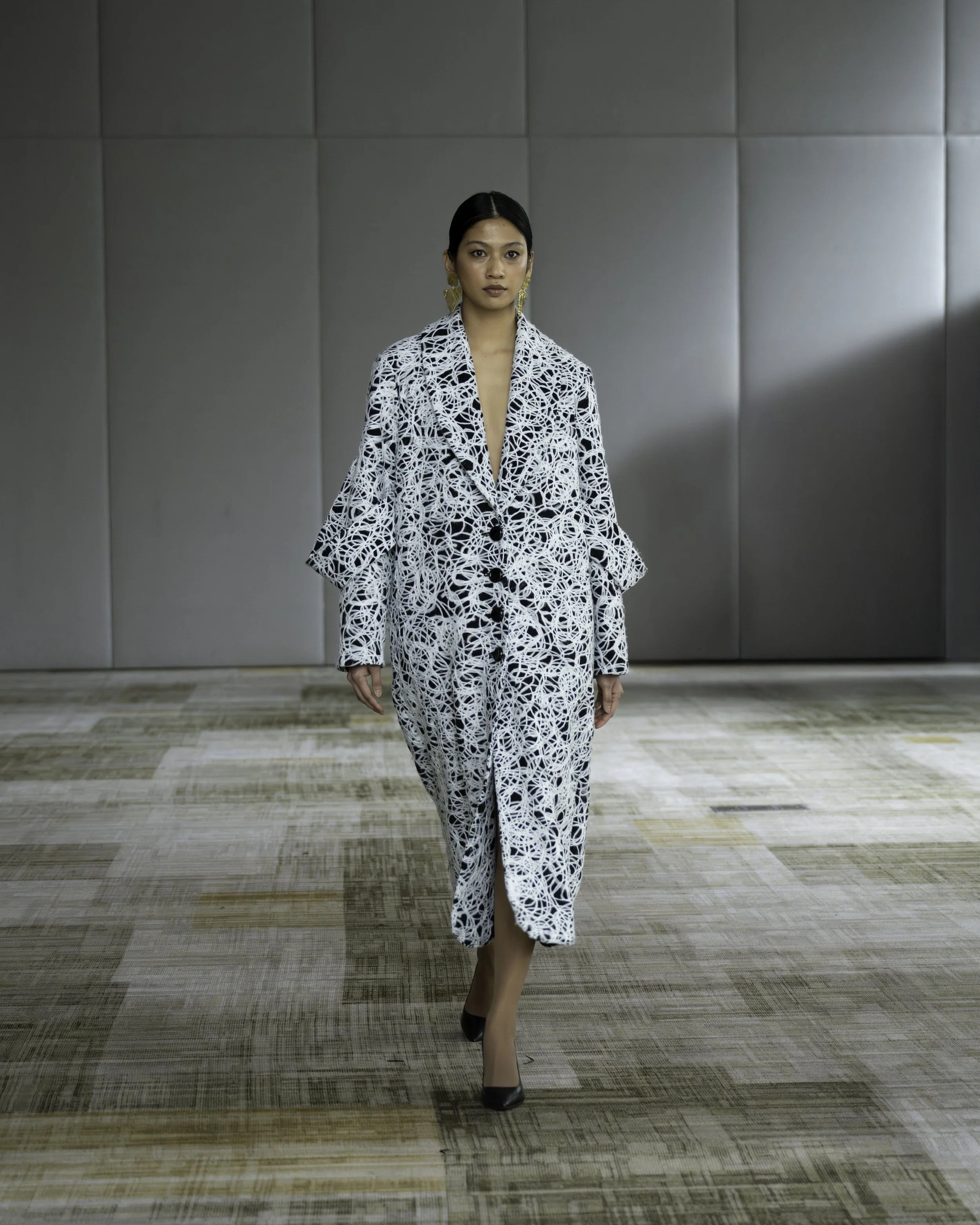
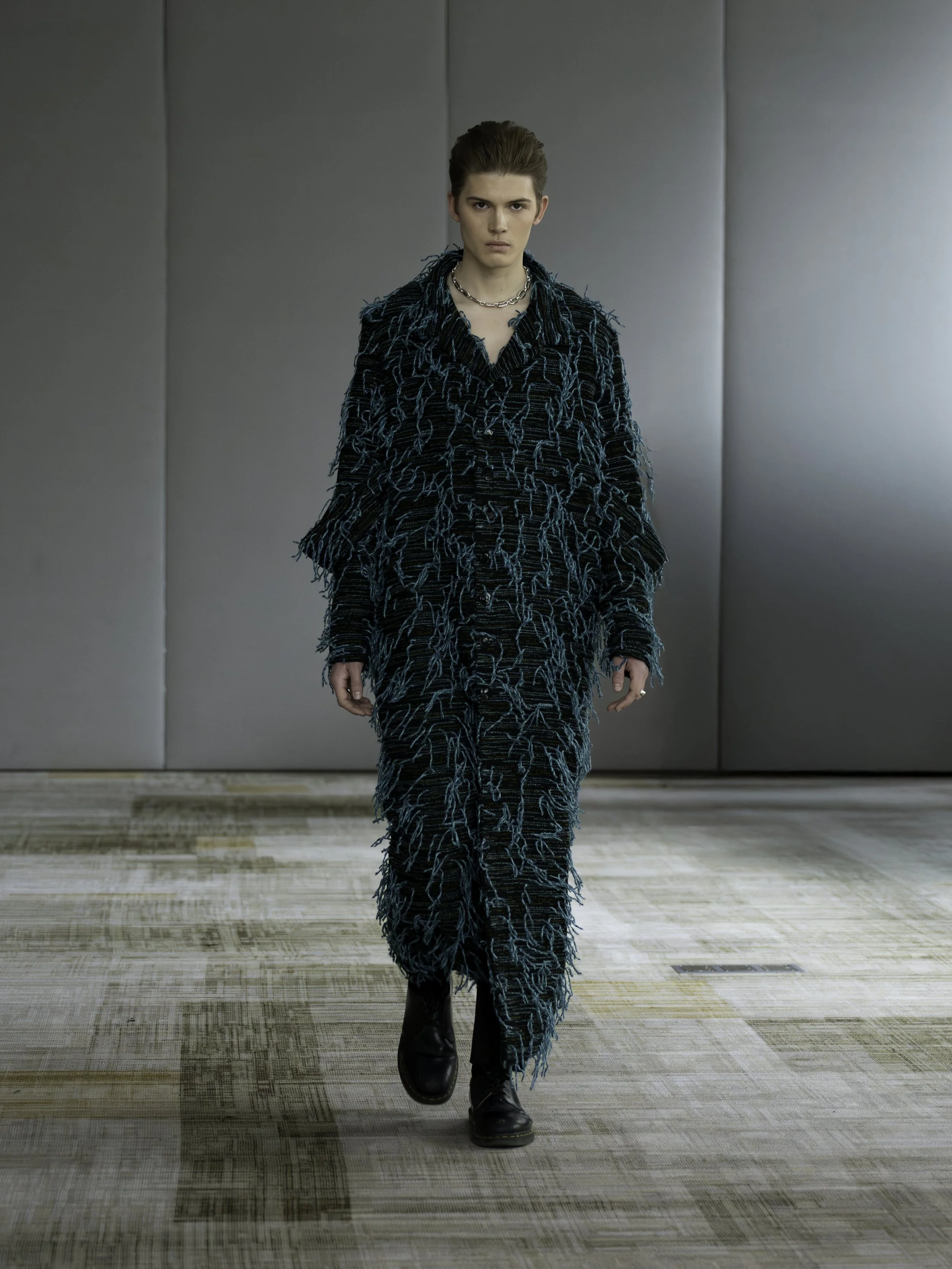
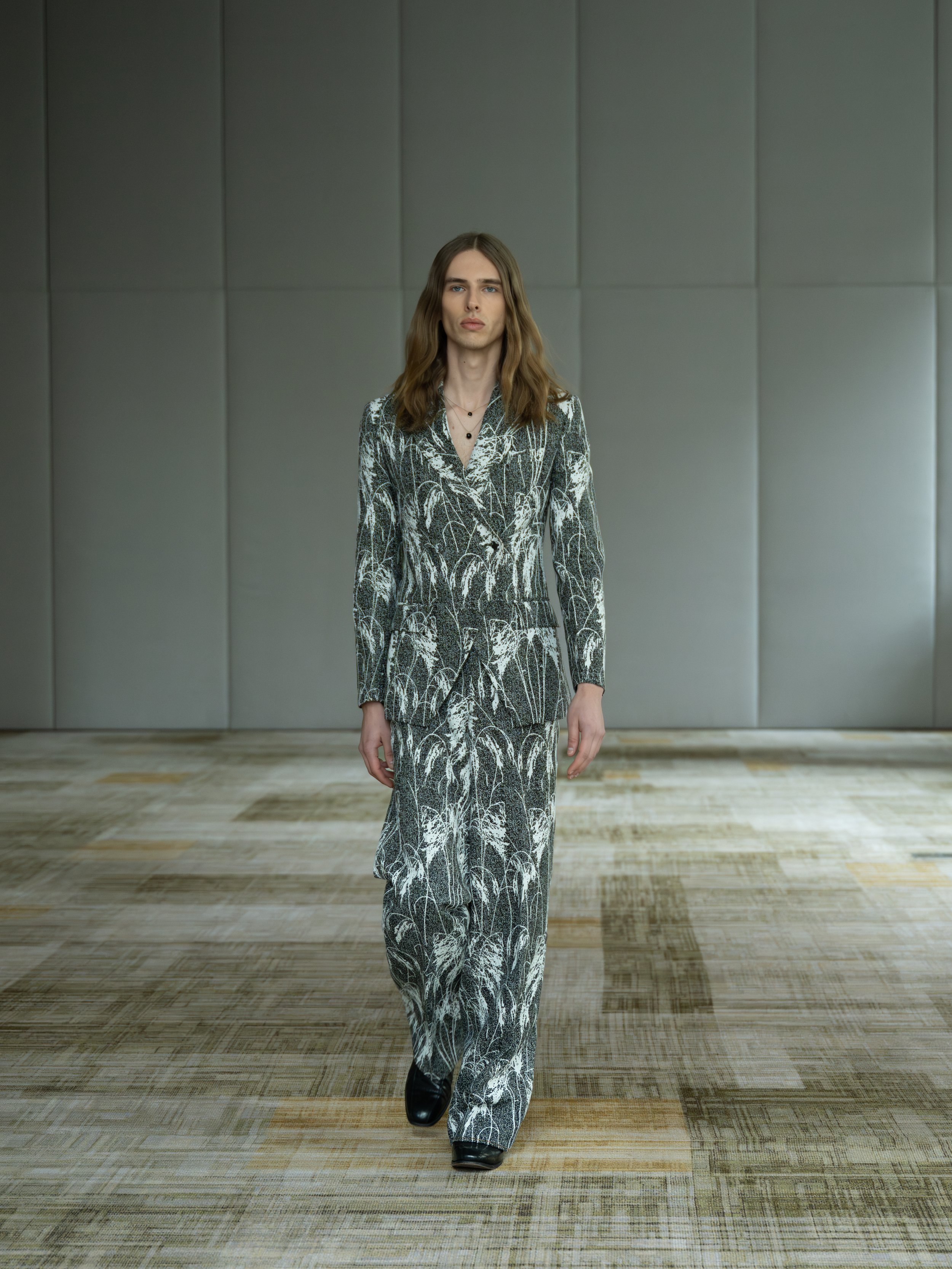
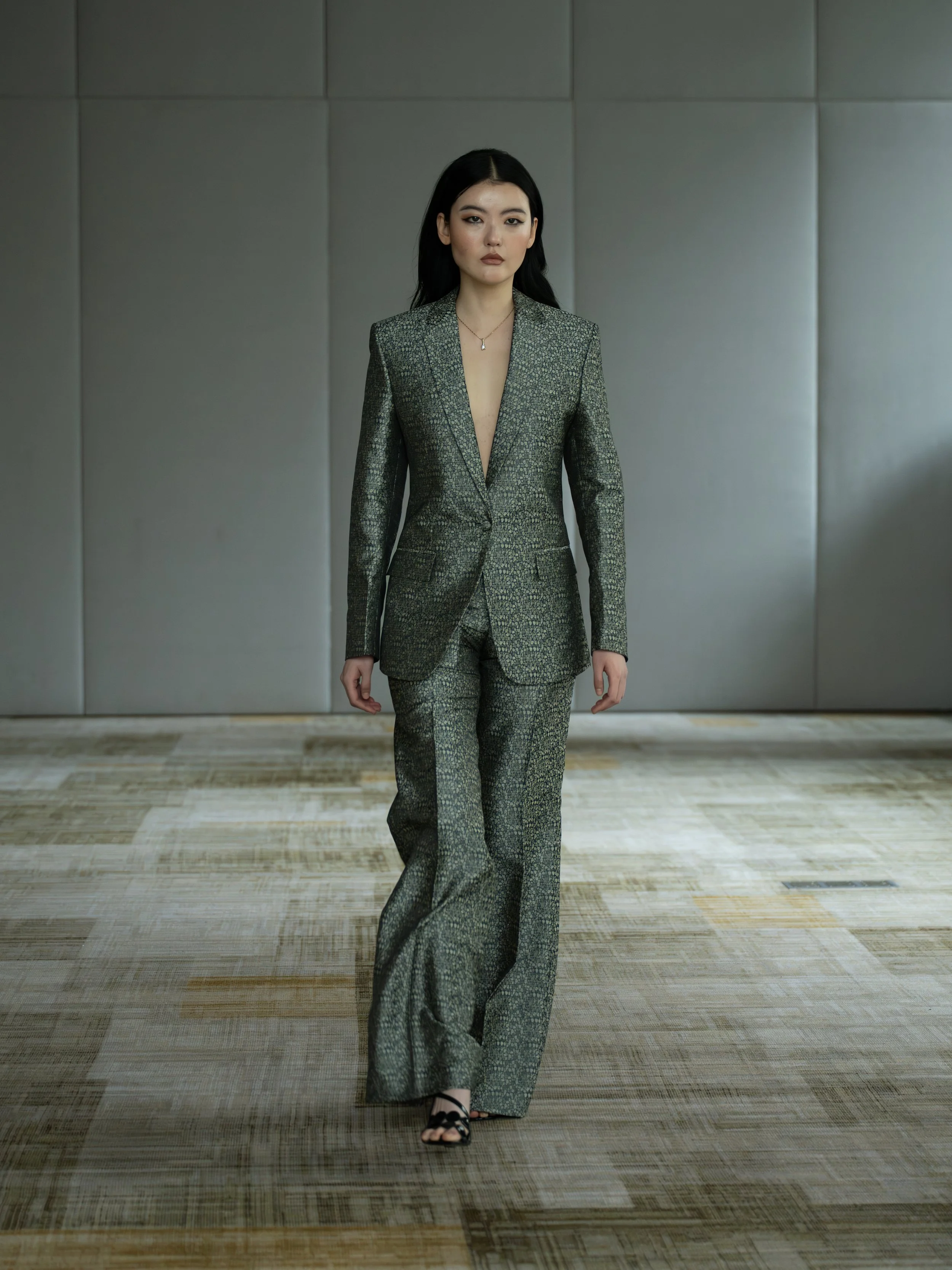
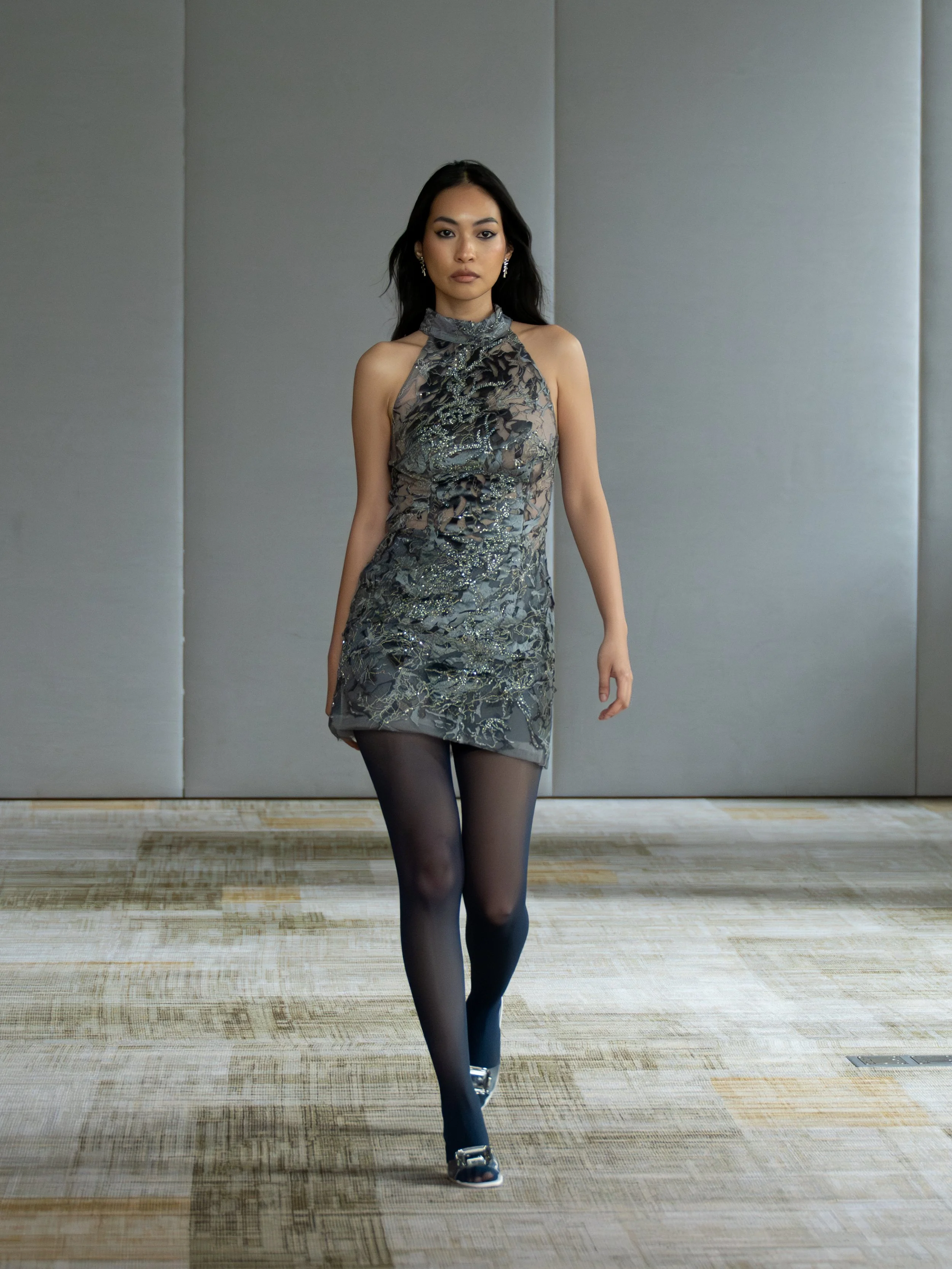
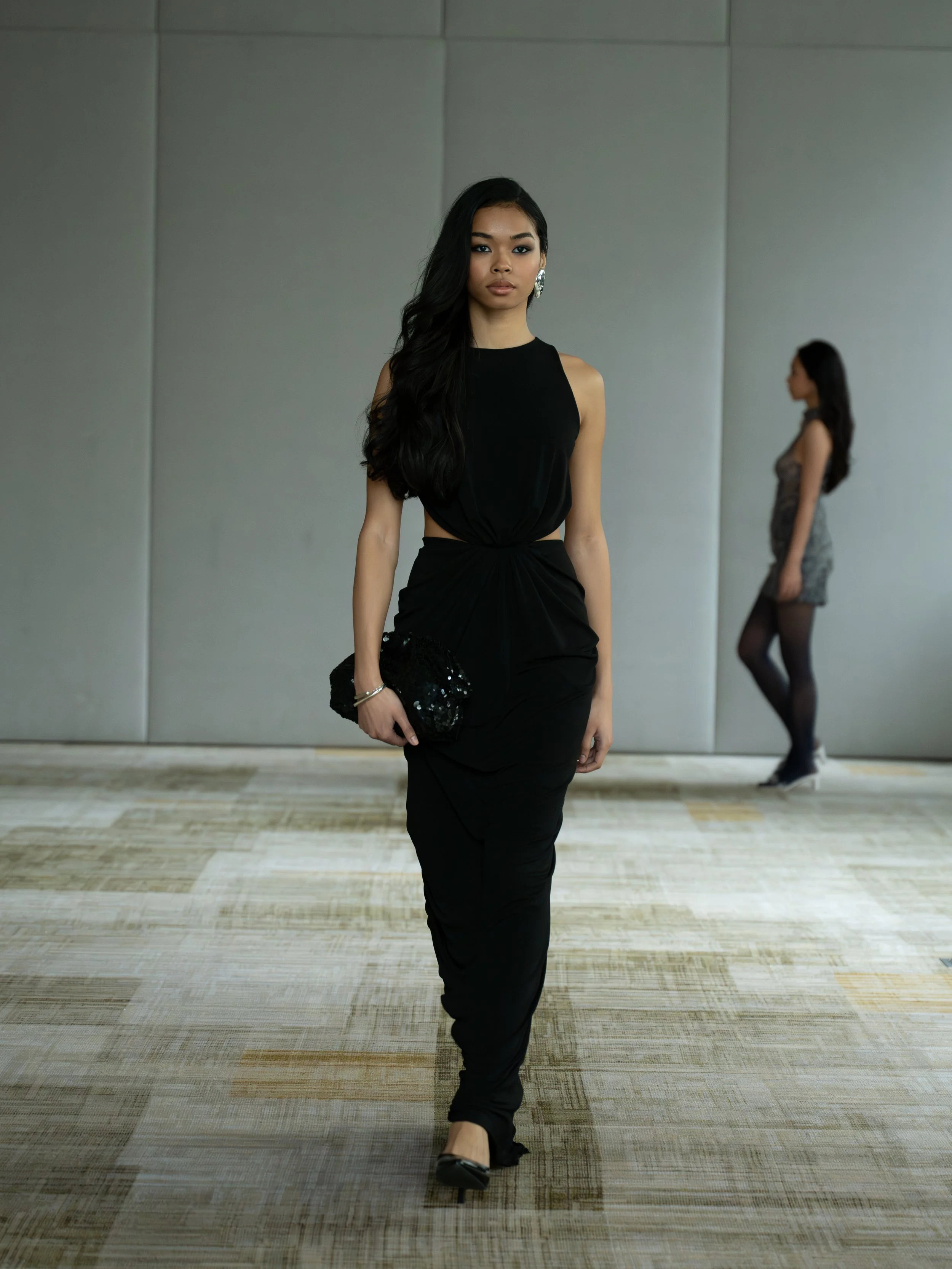
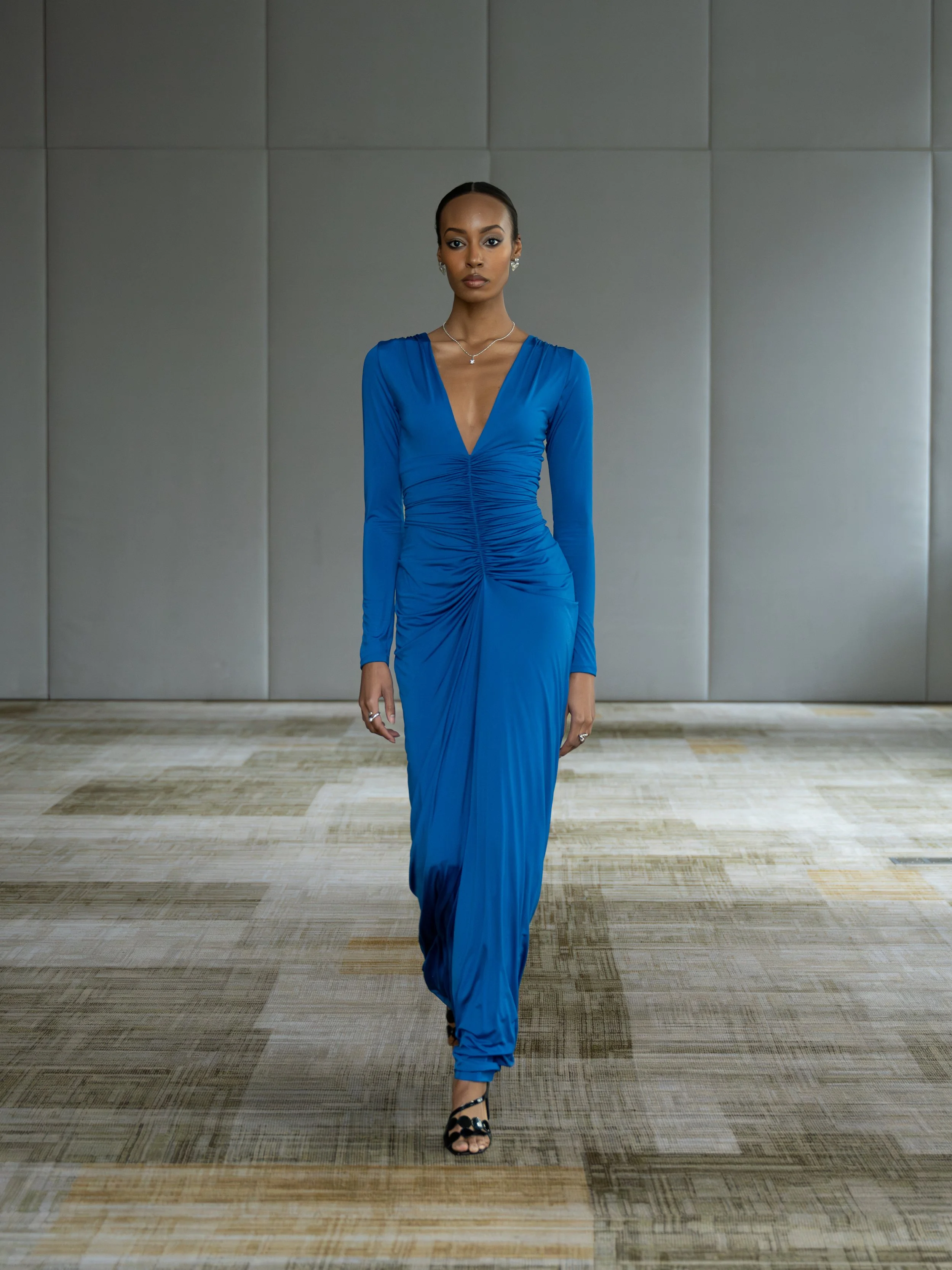
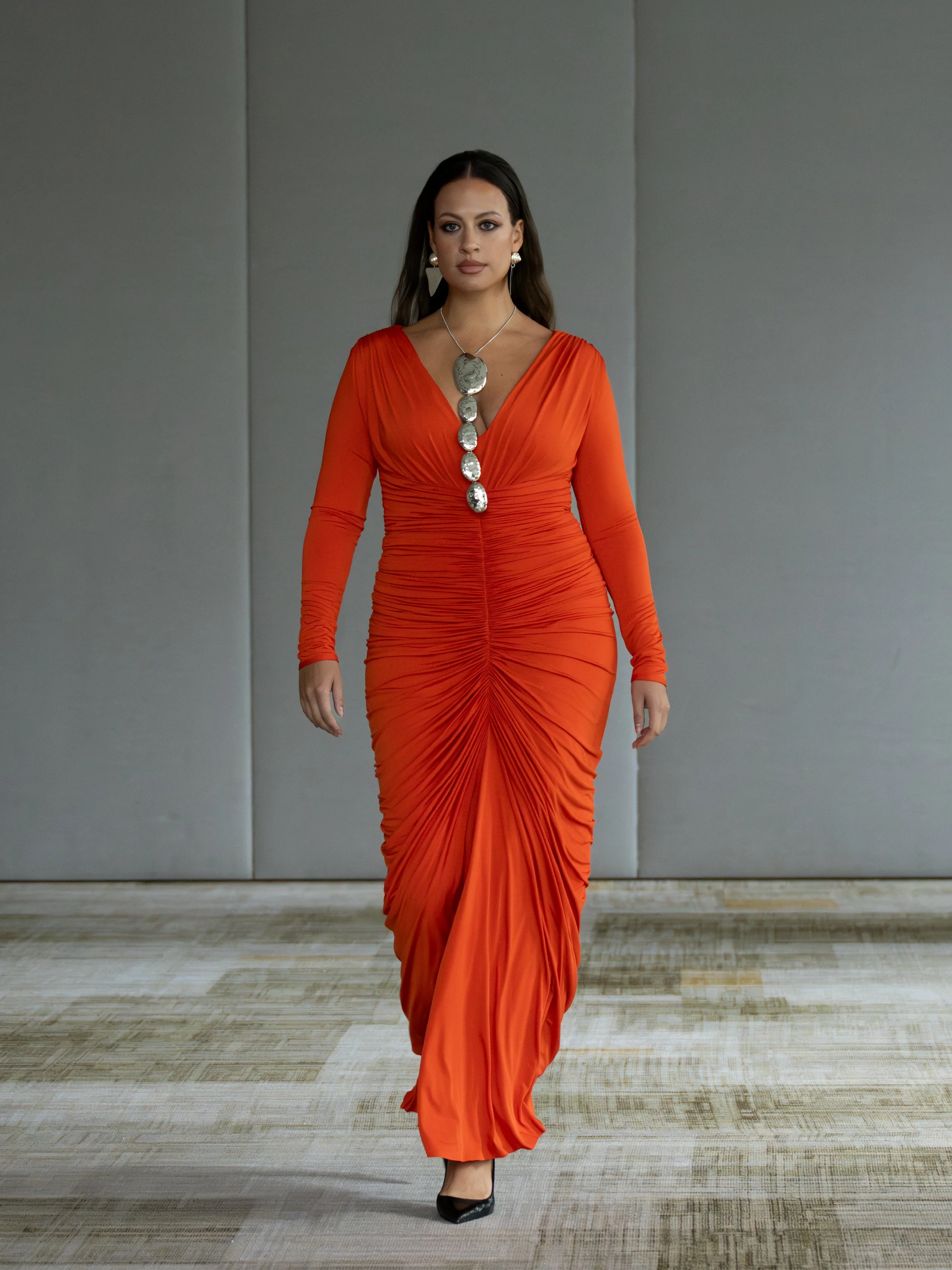
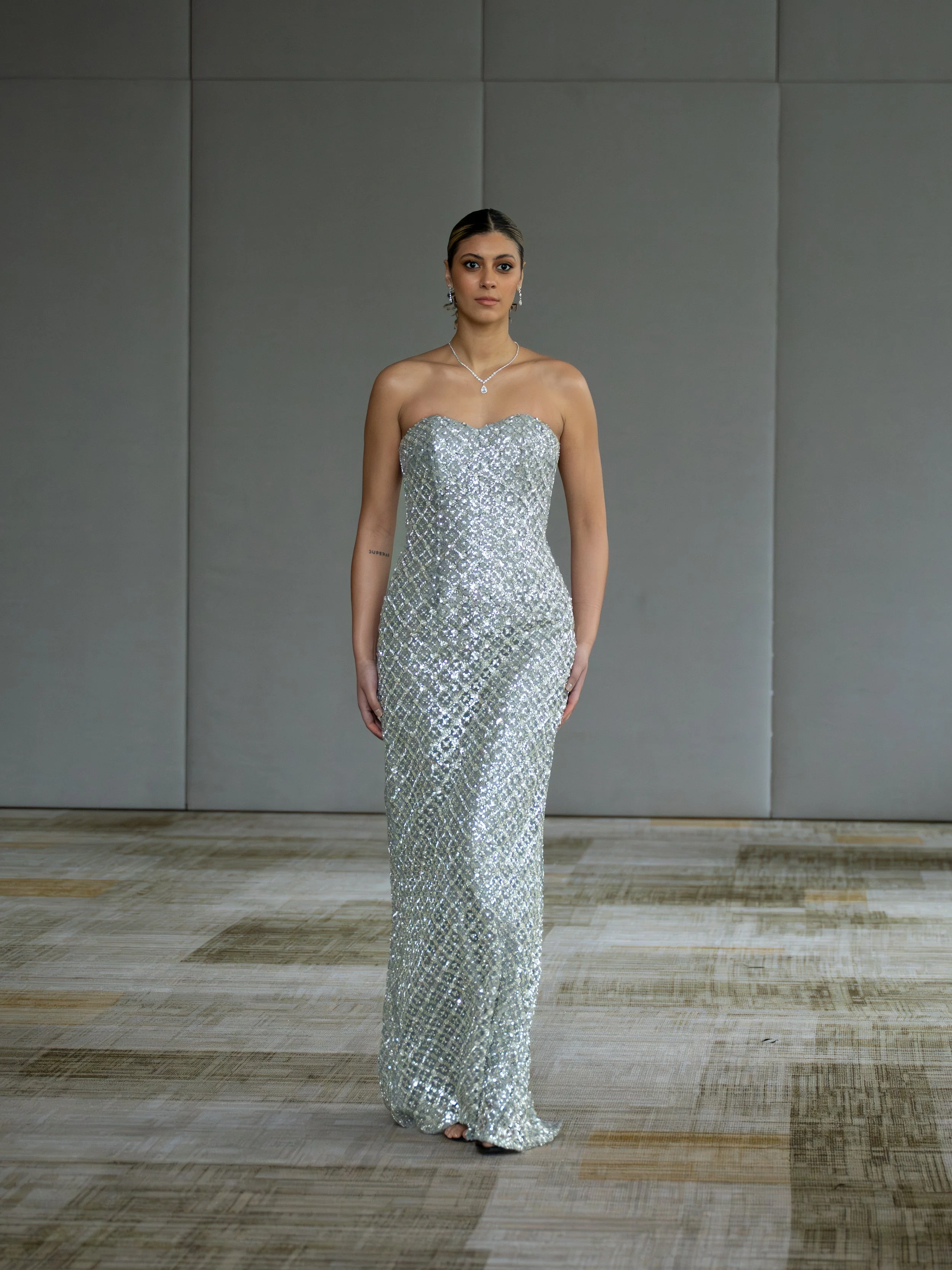
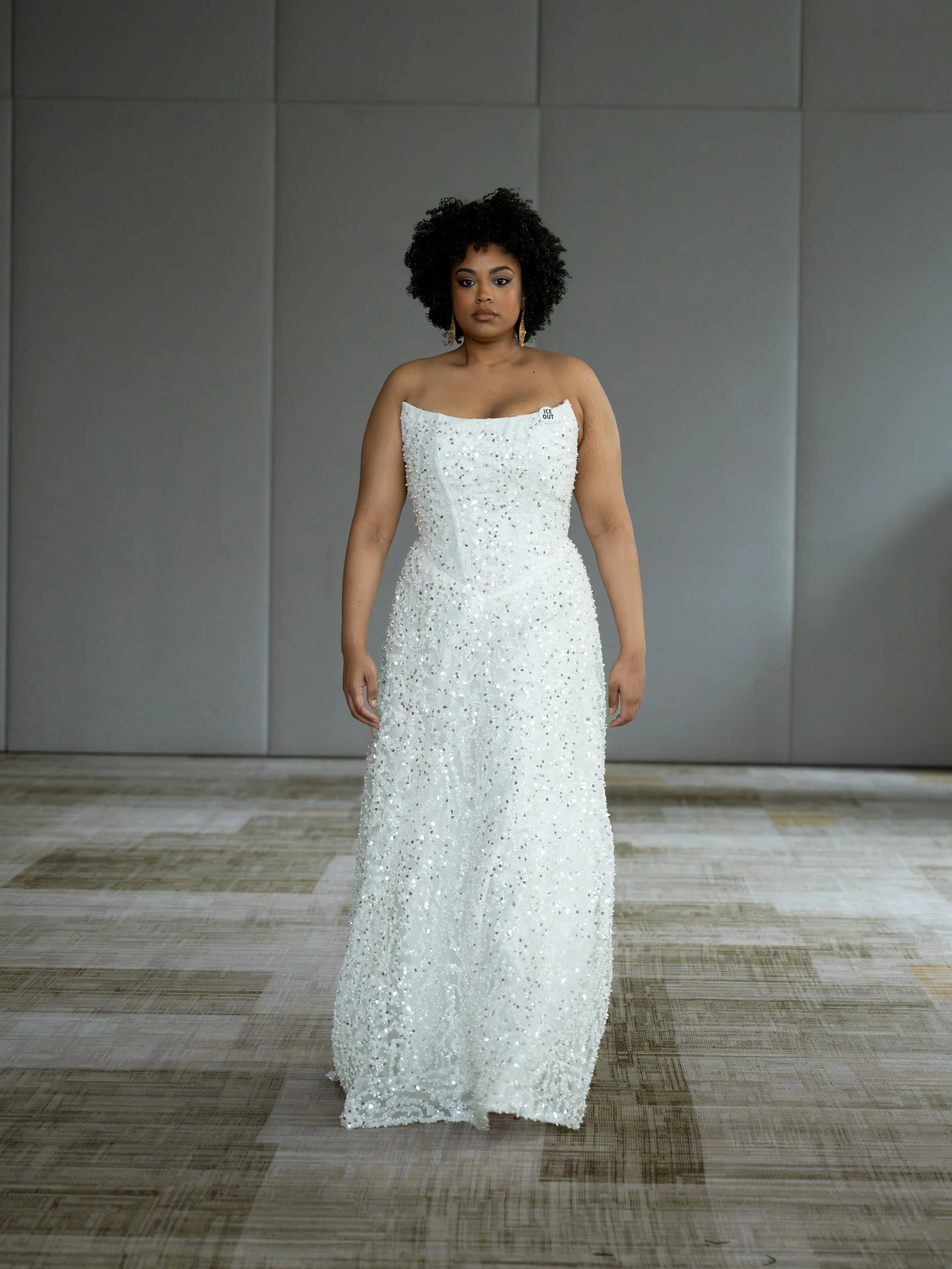
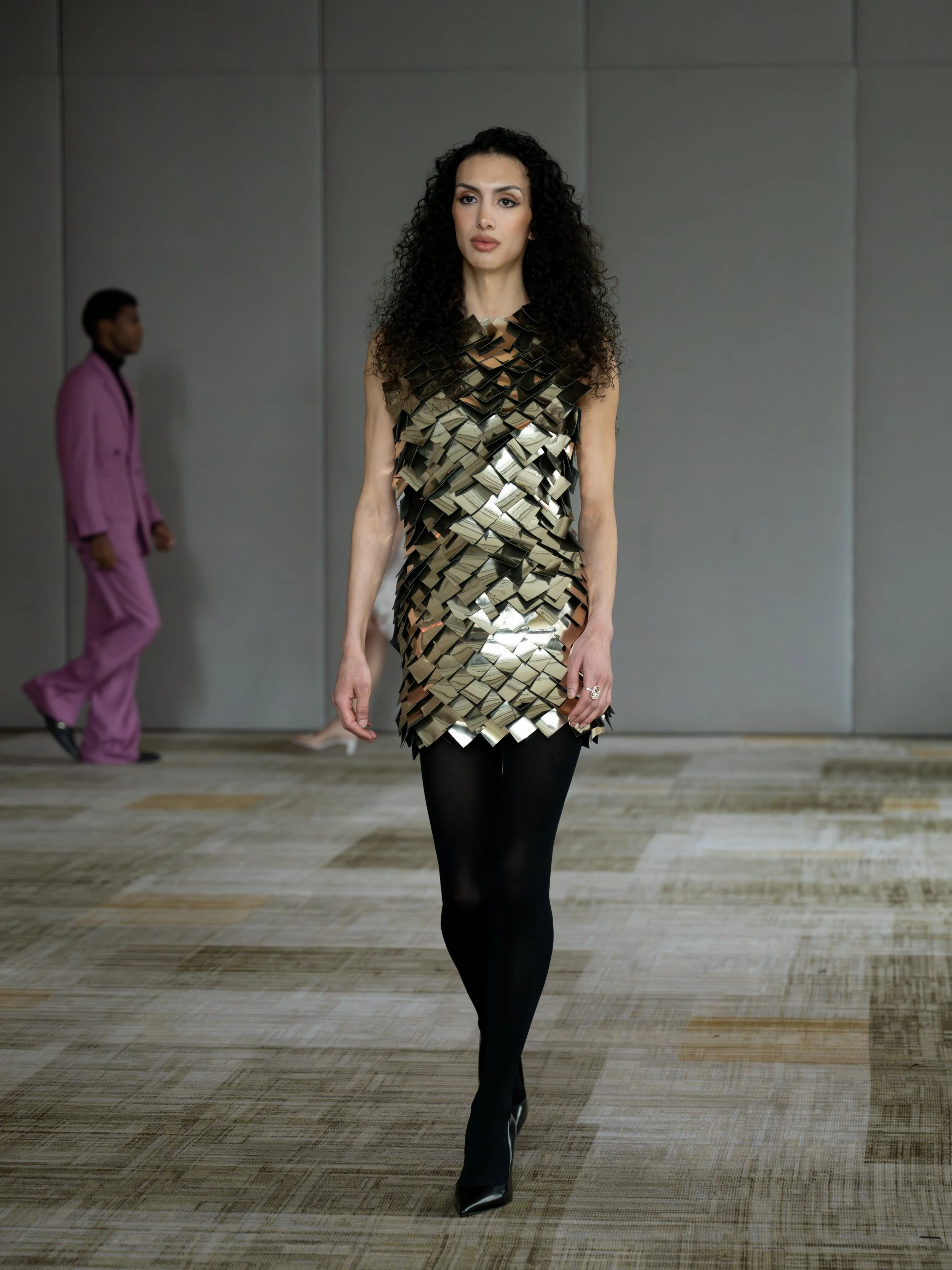
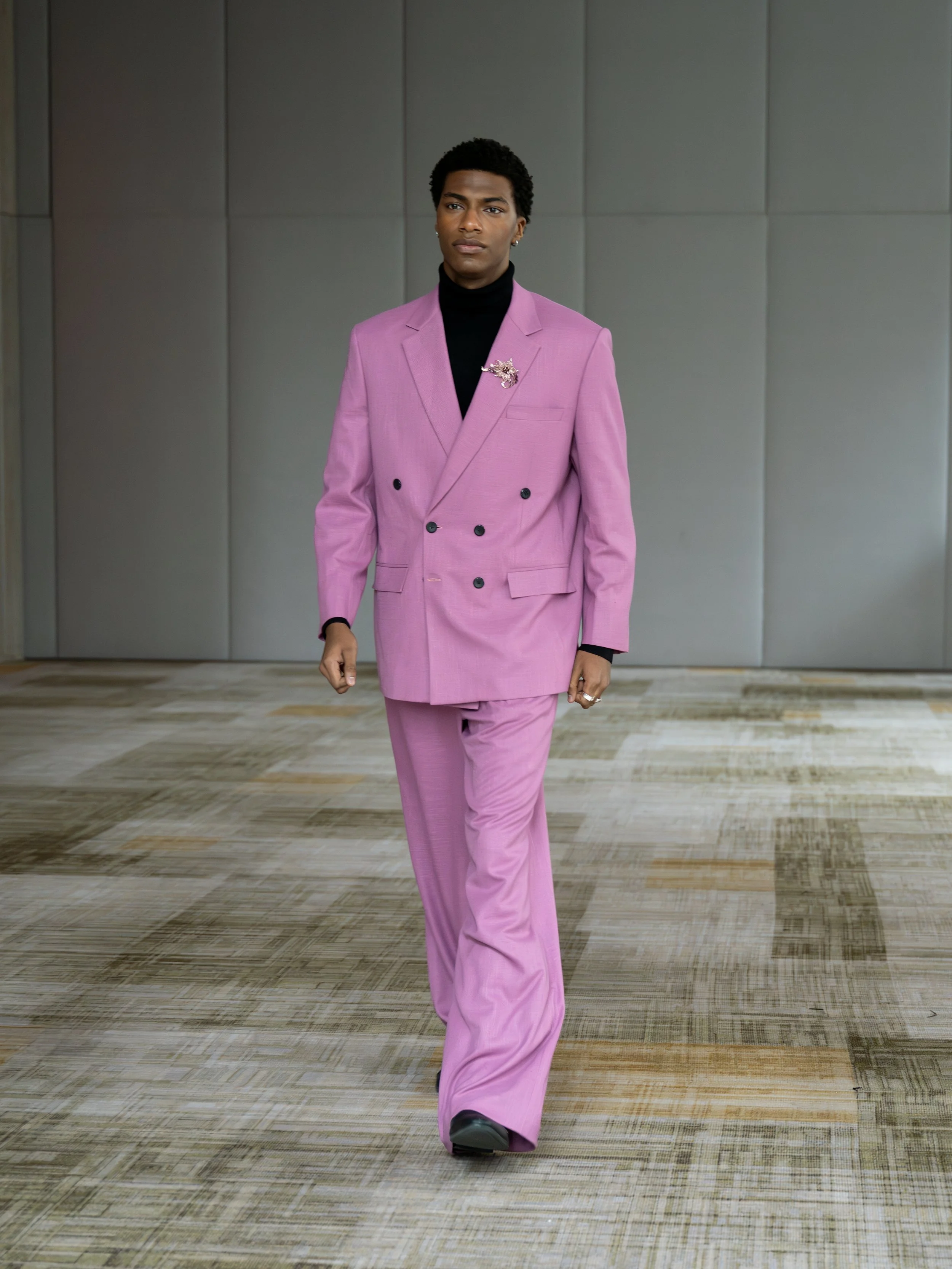
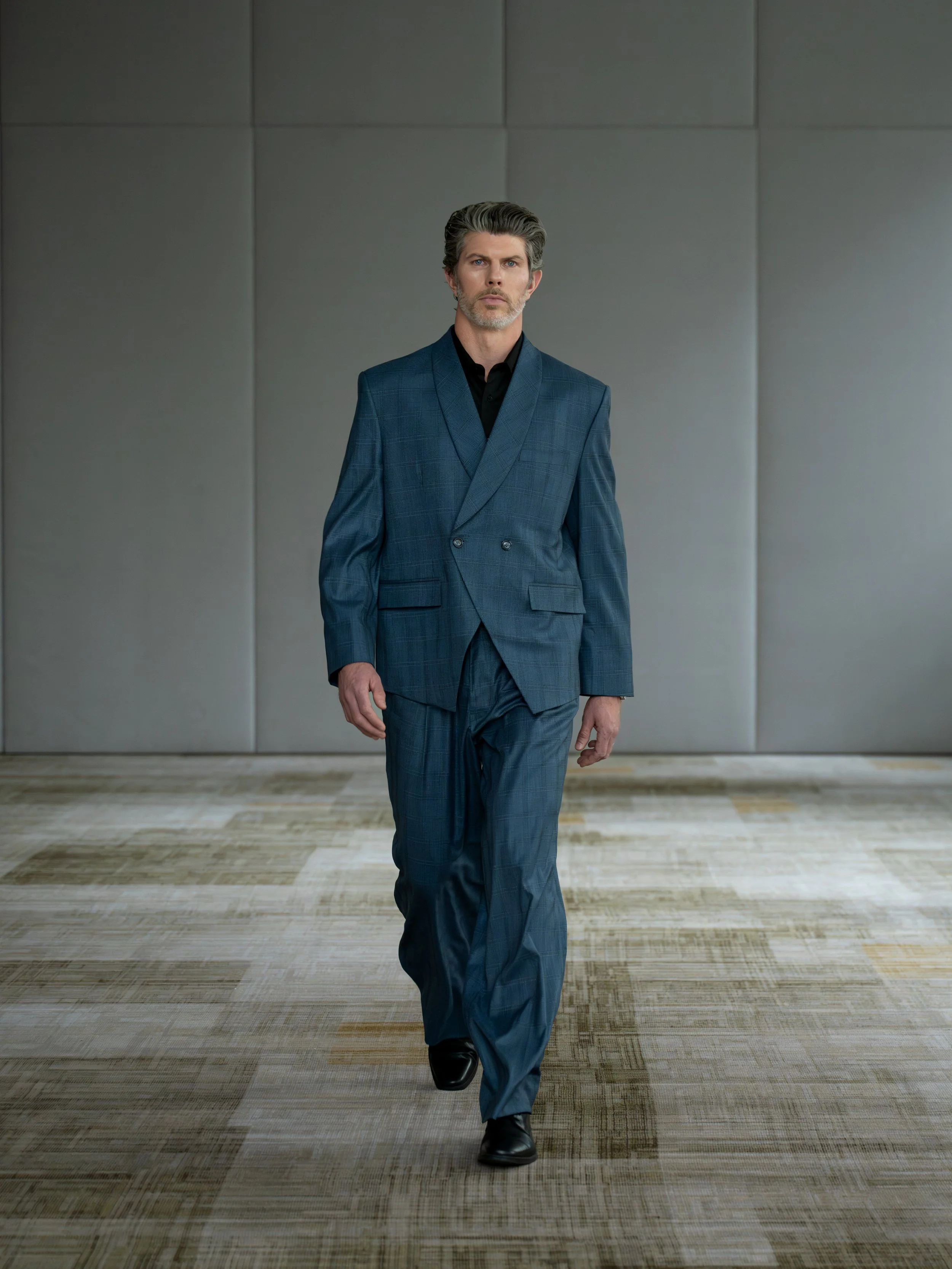
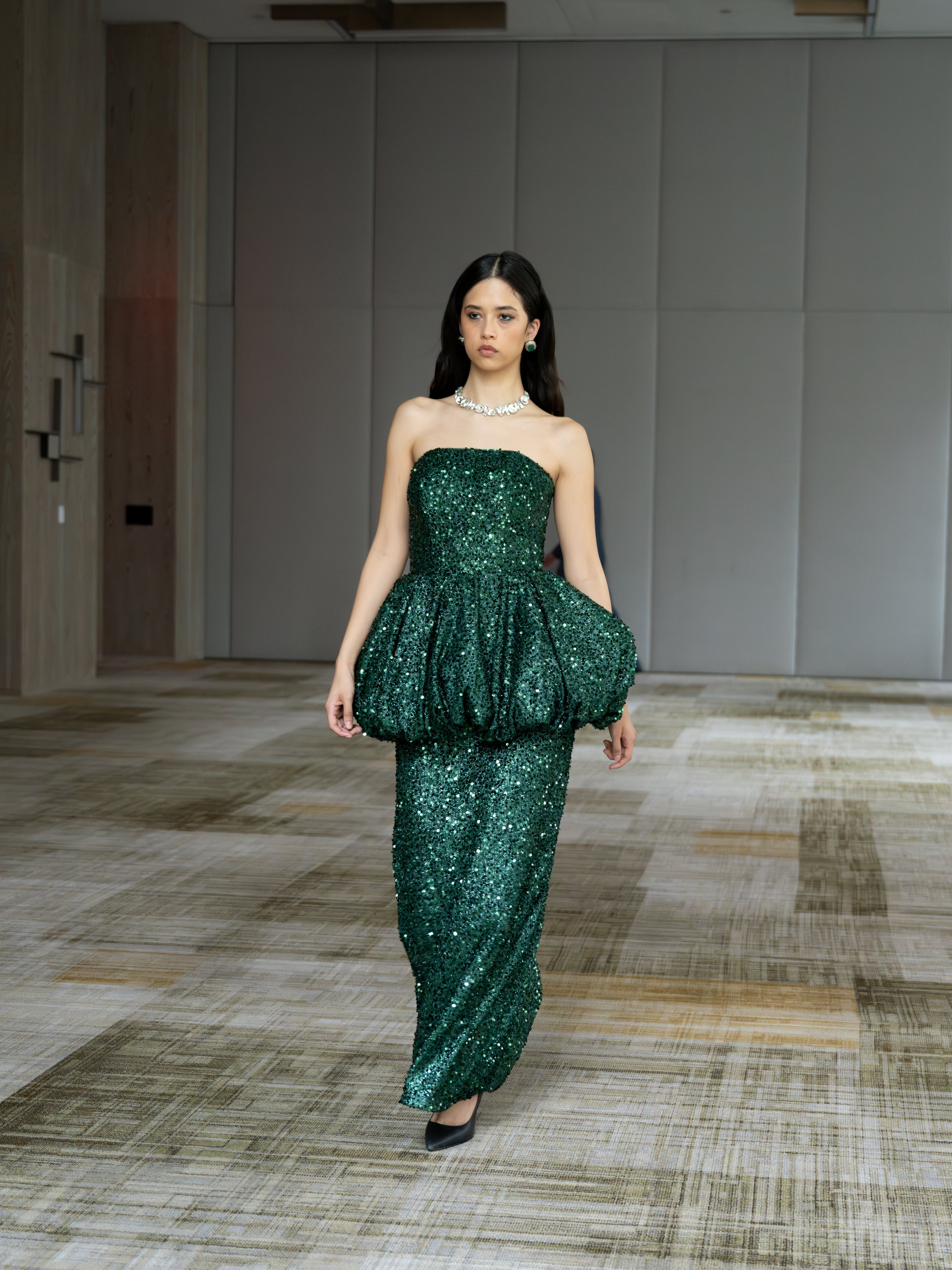
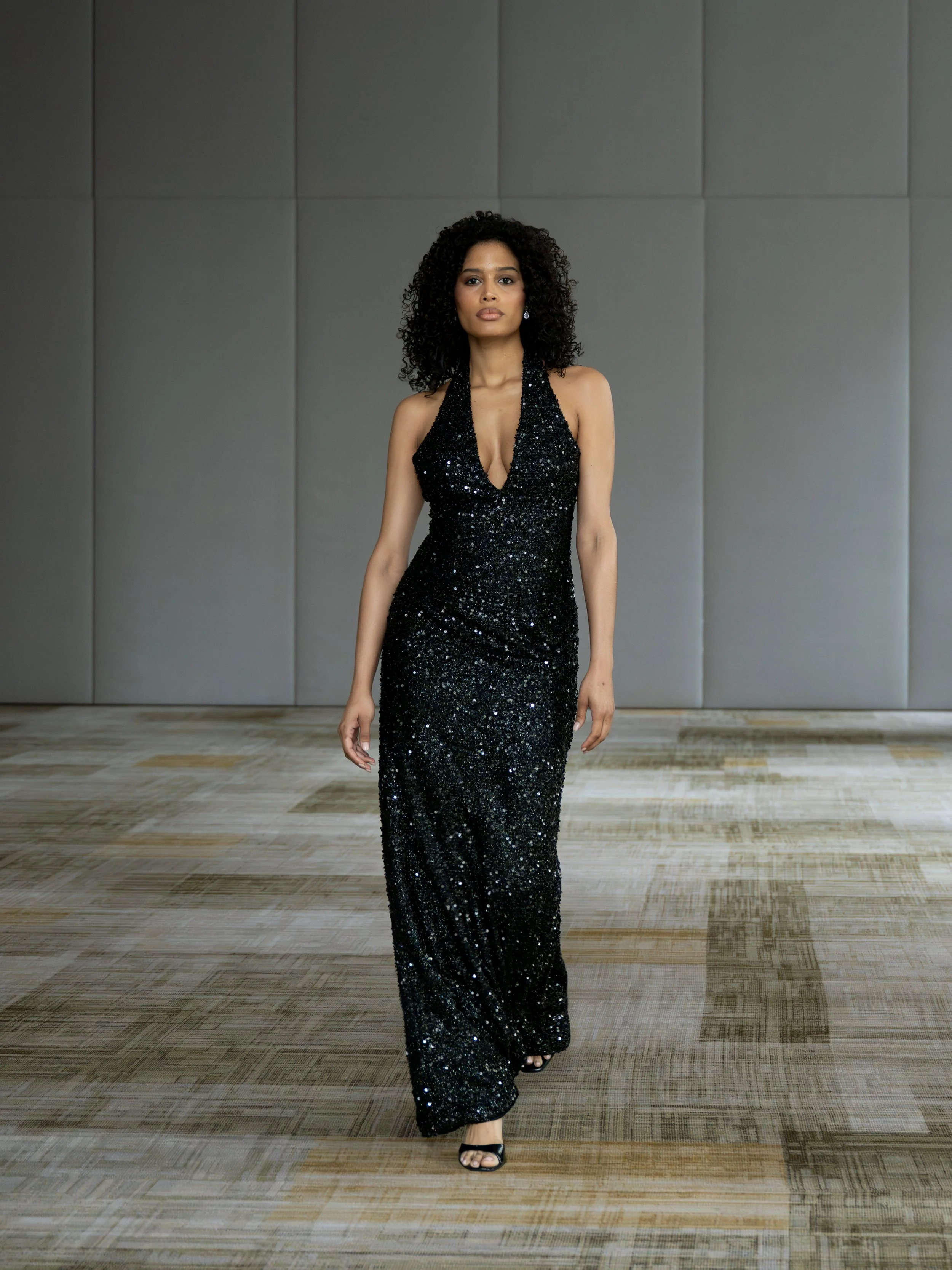
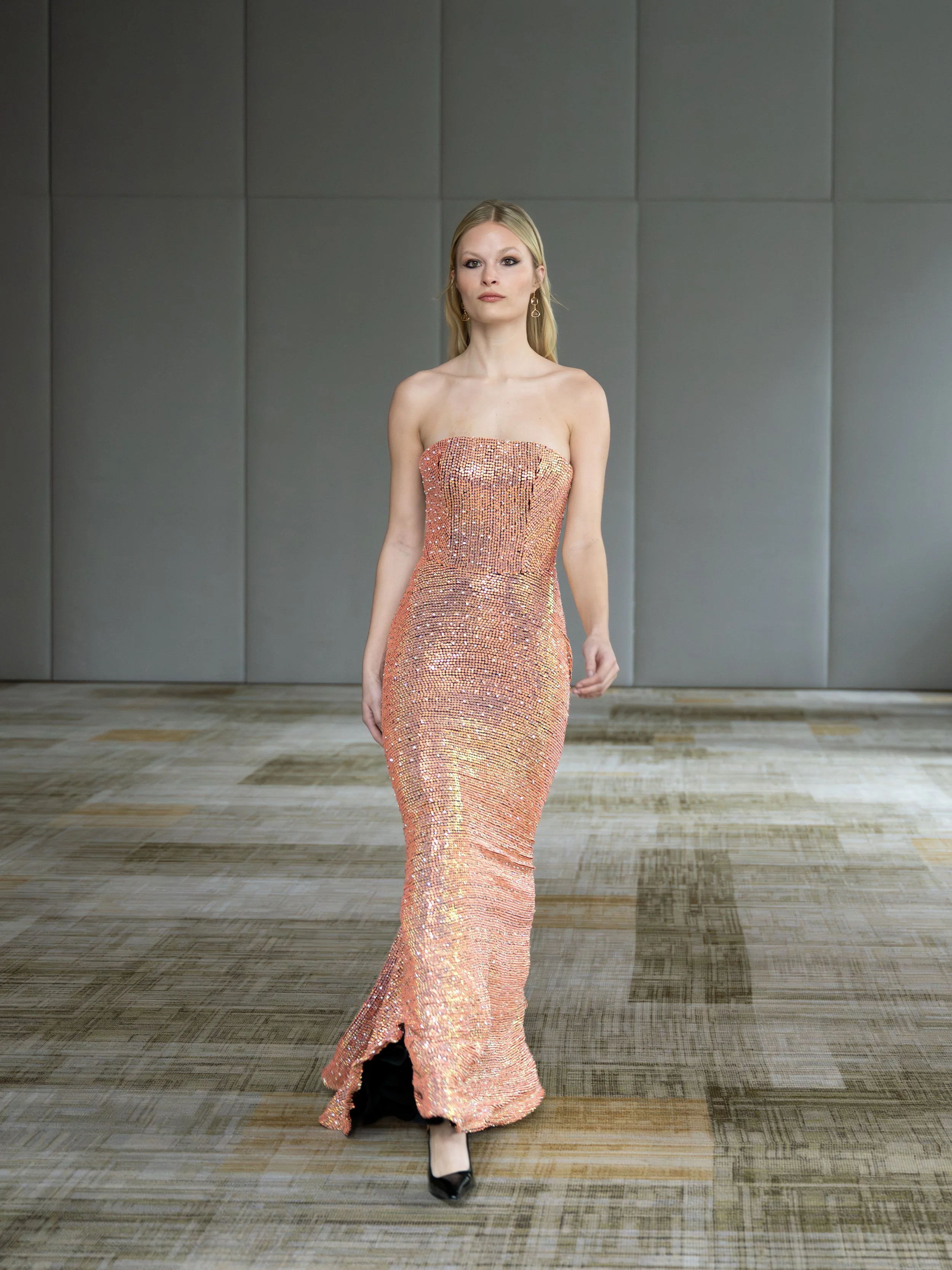
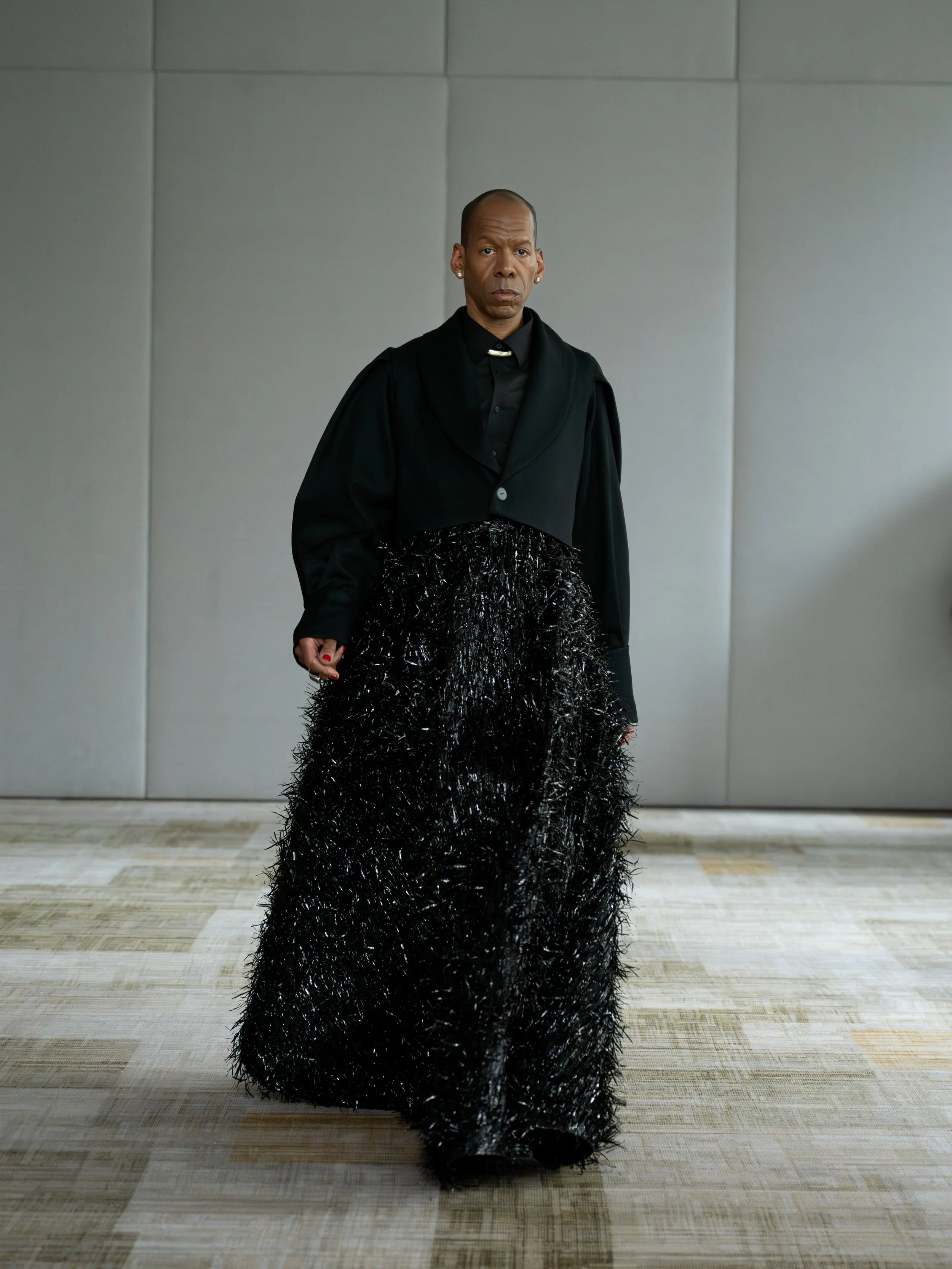
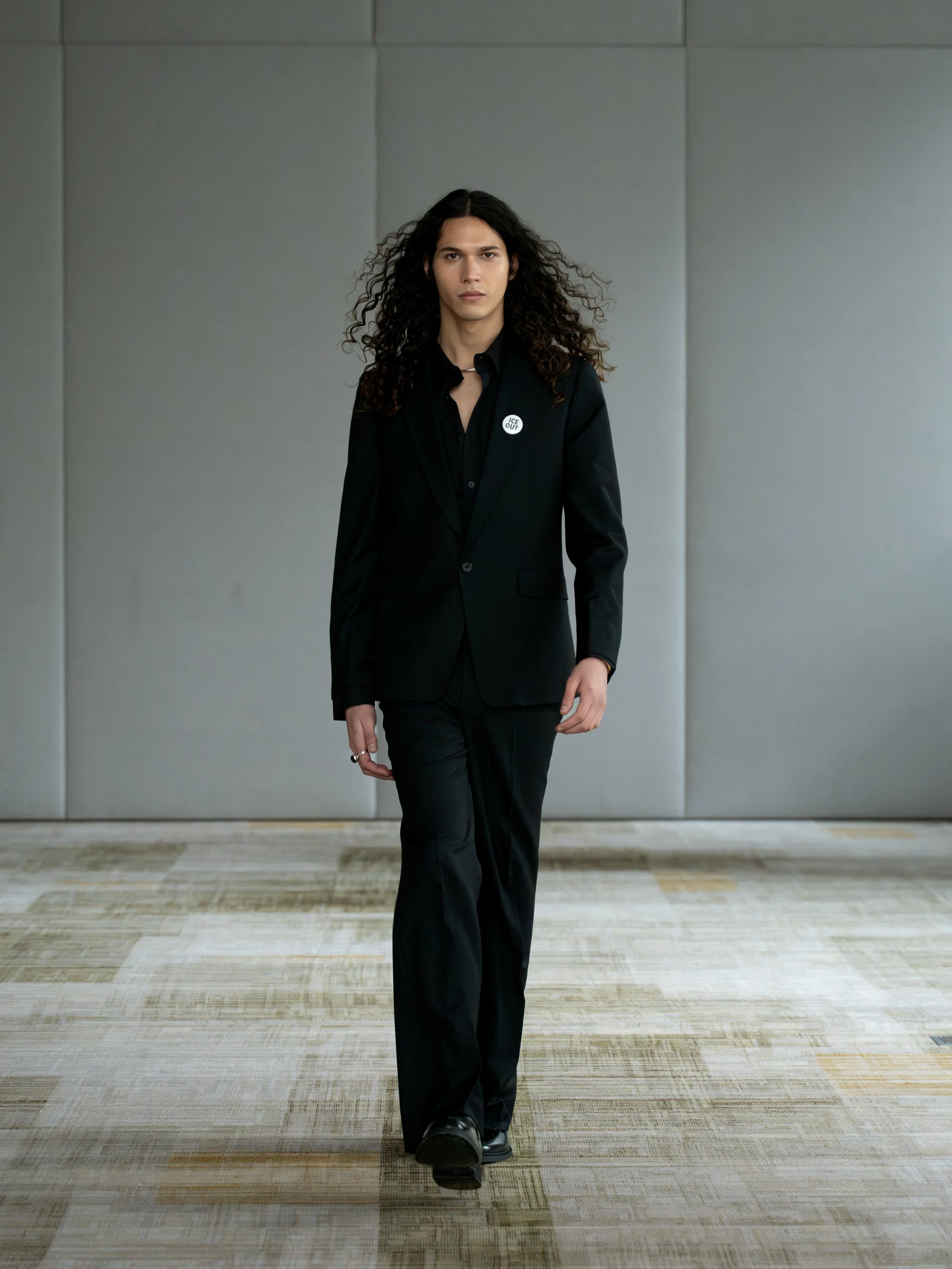
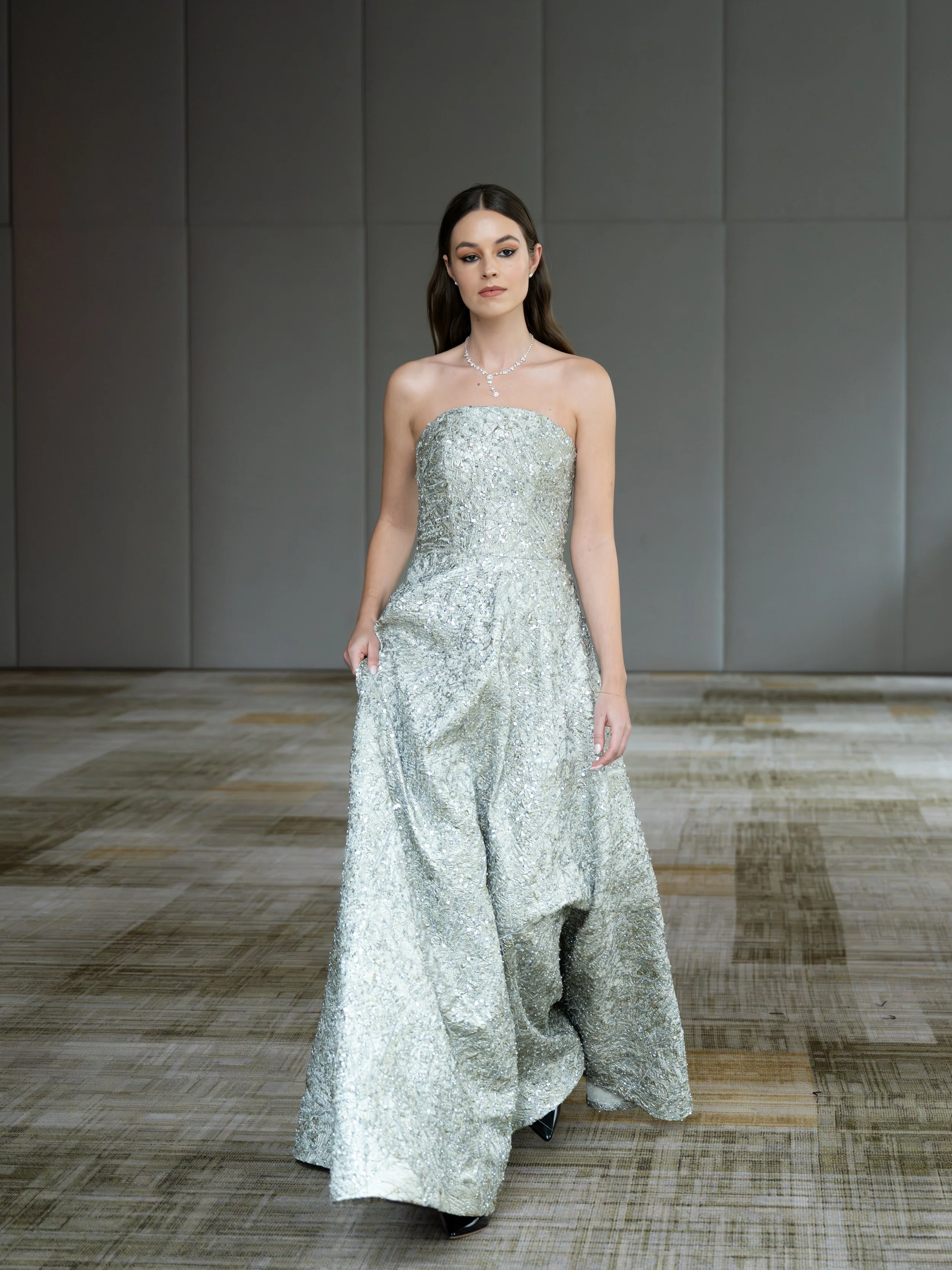
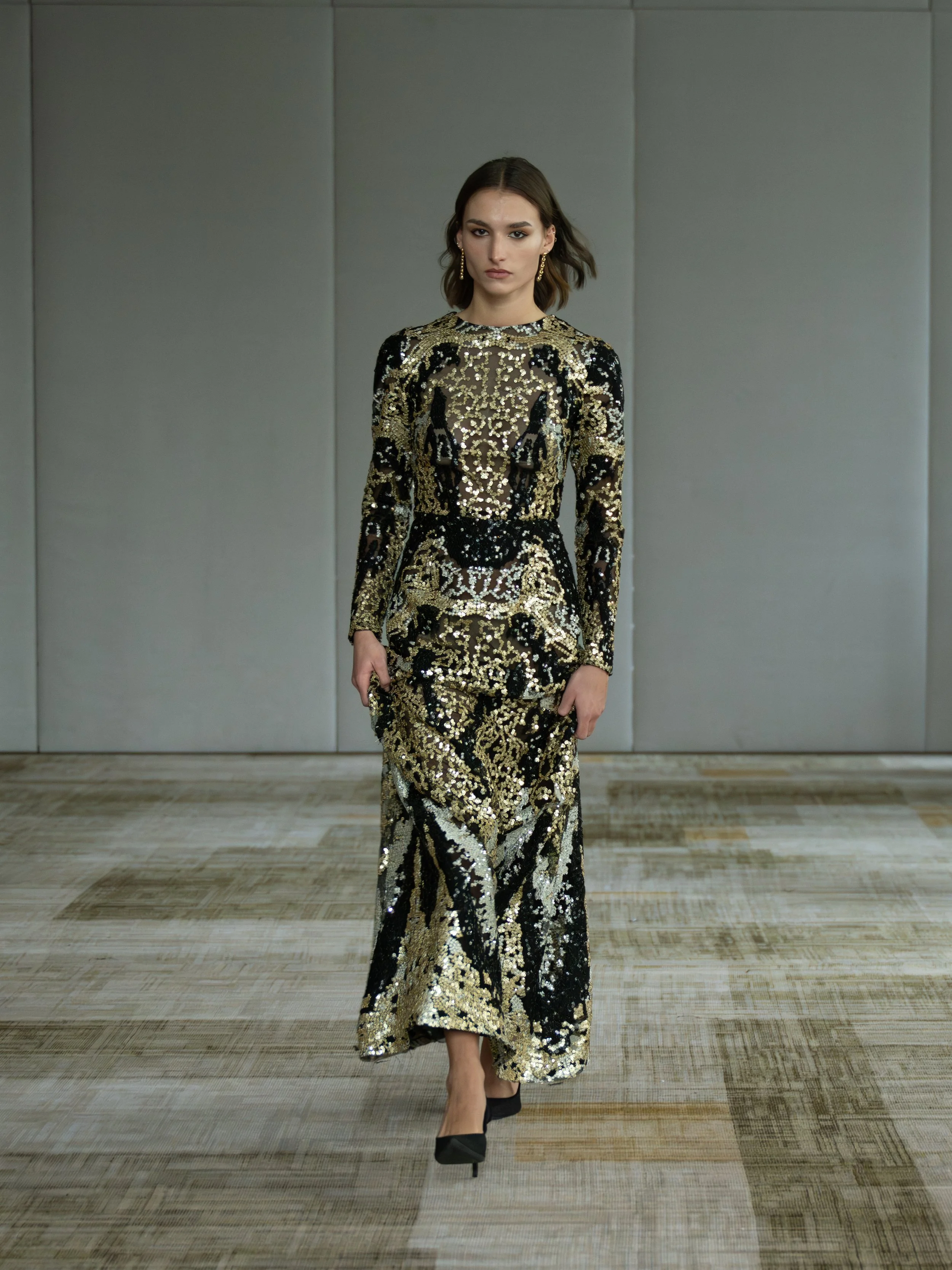
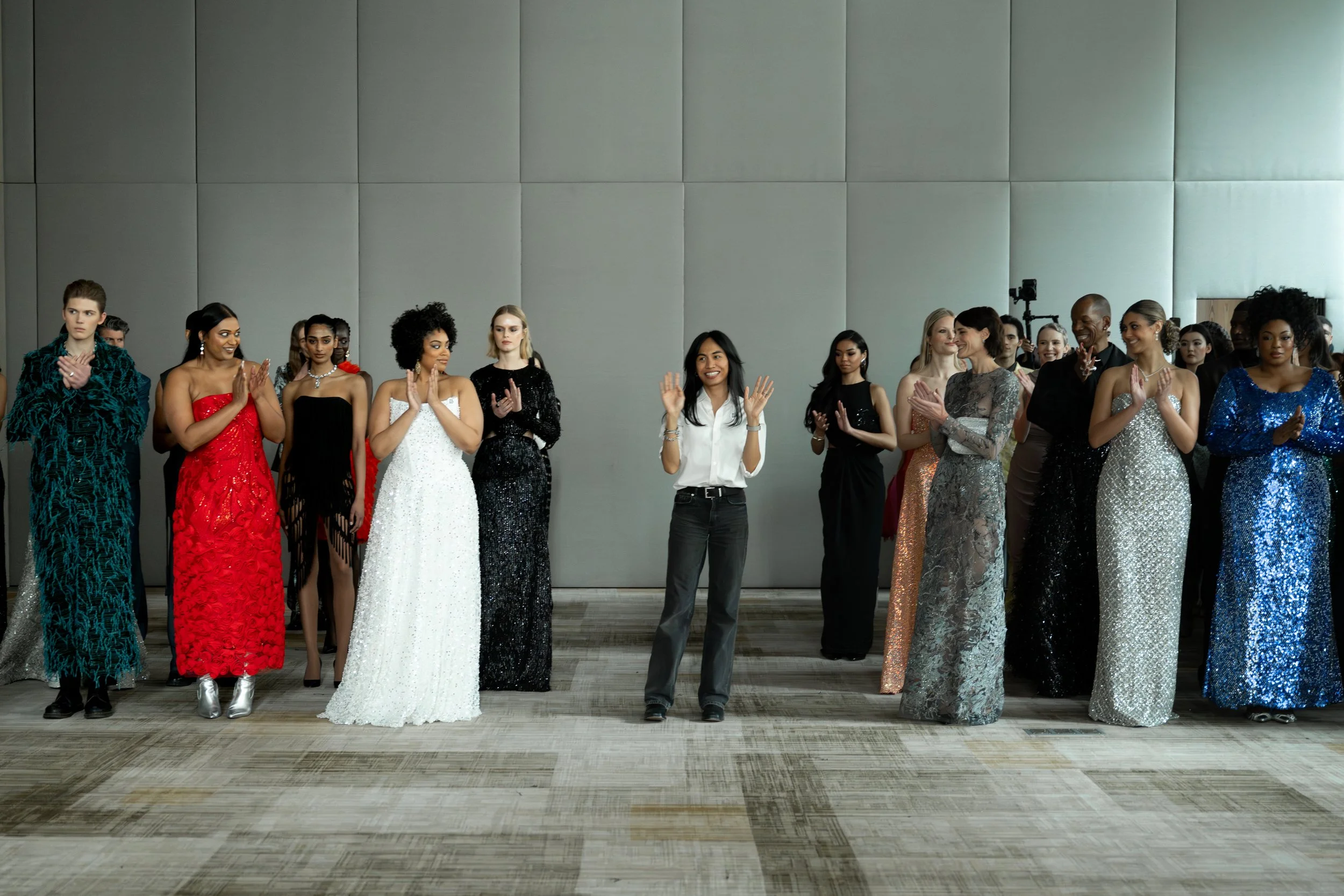
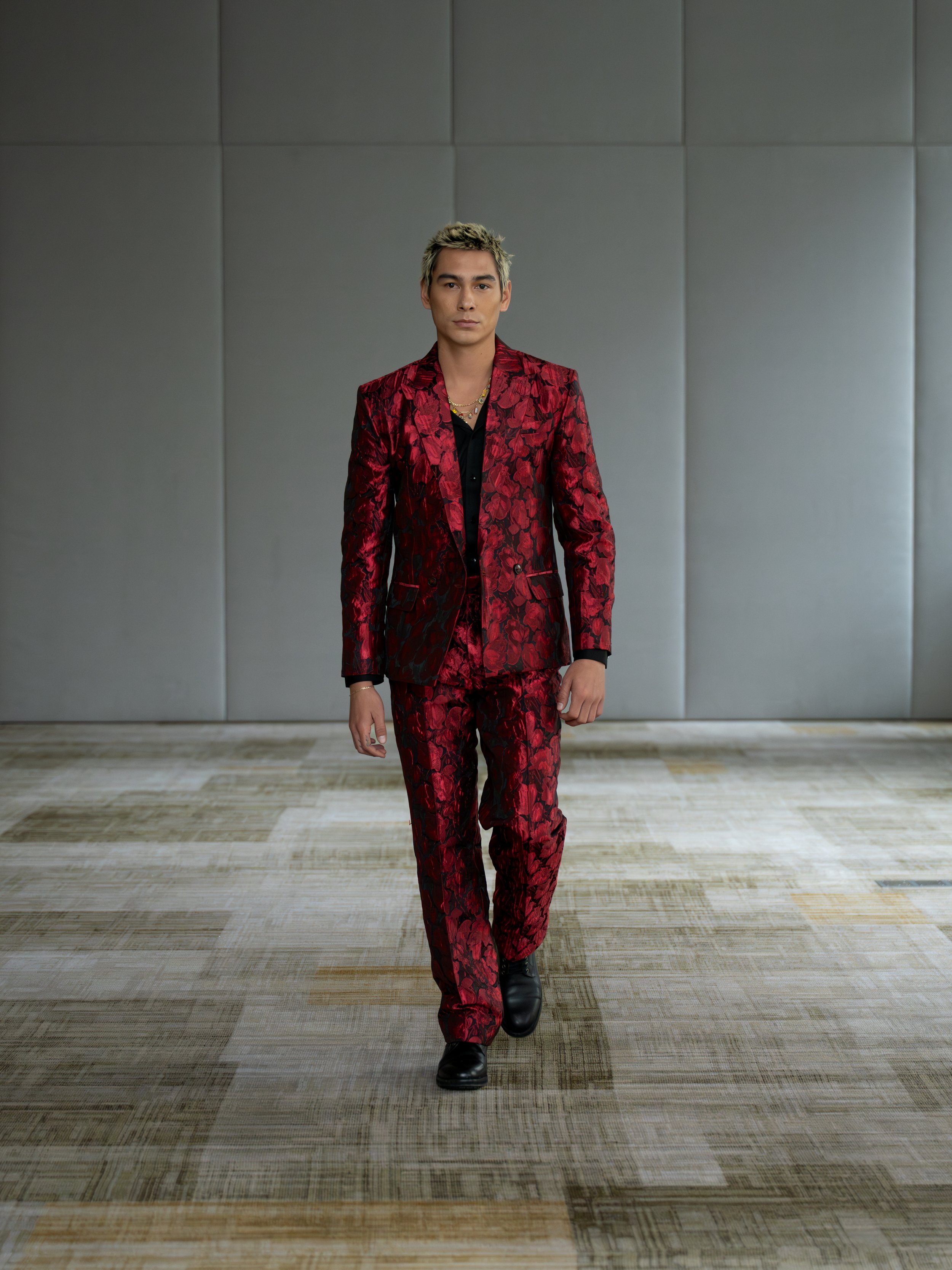
Photography by Michael Pagara, Words by Annmarie Gajdos
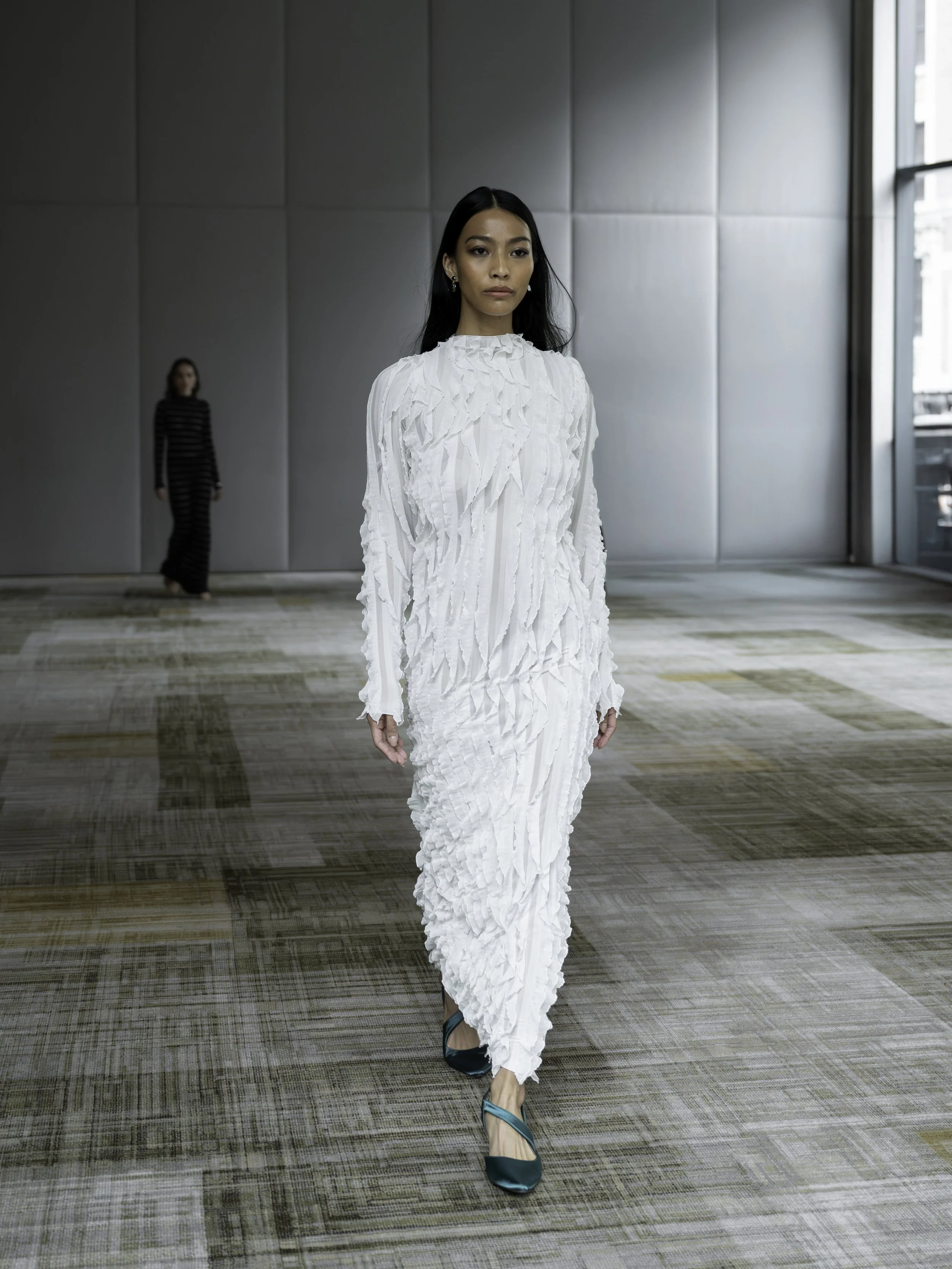
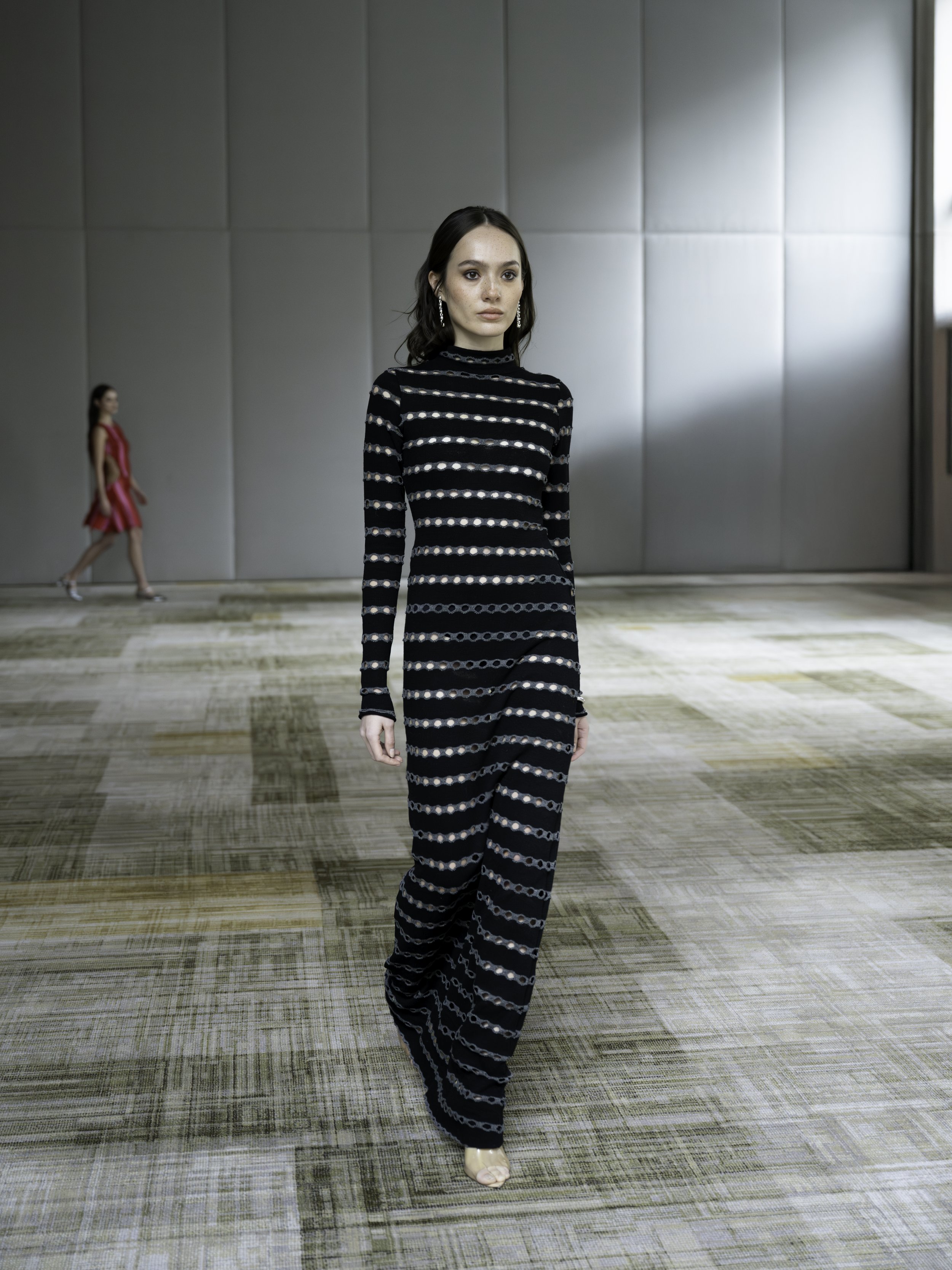
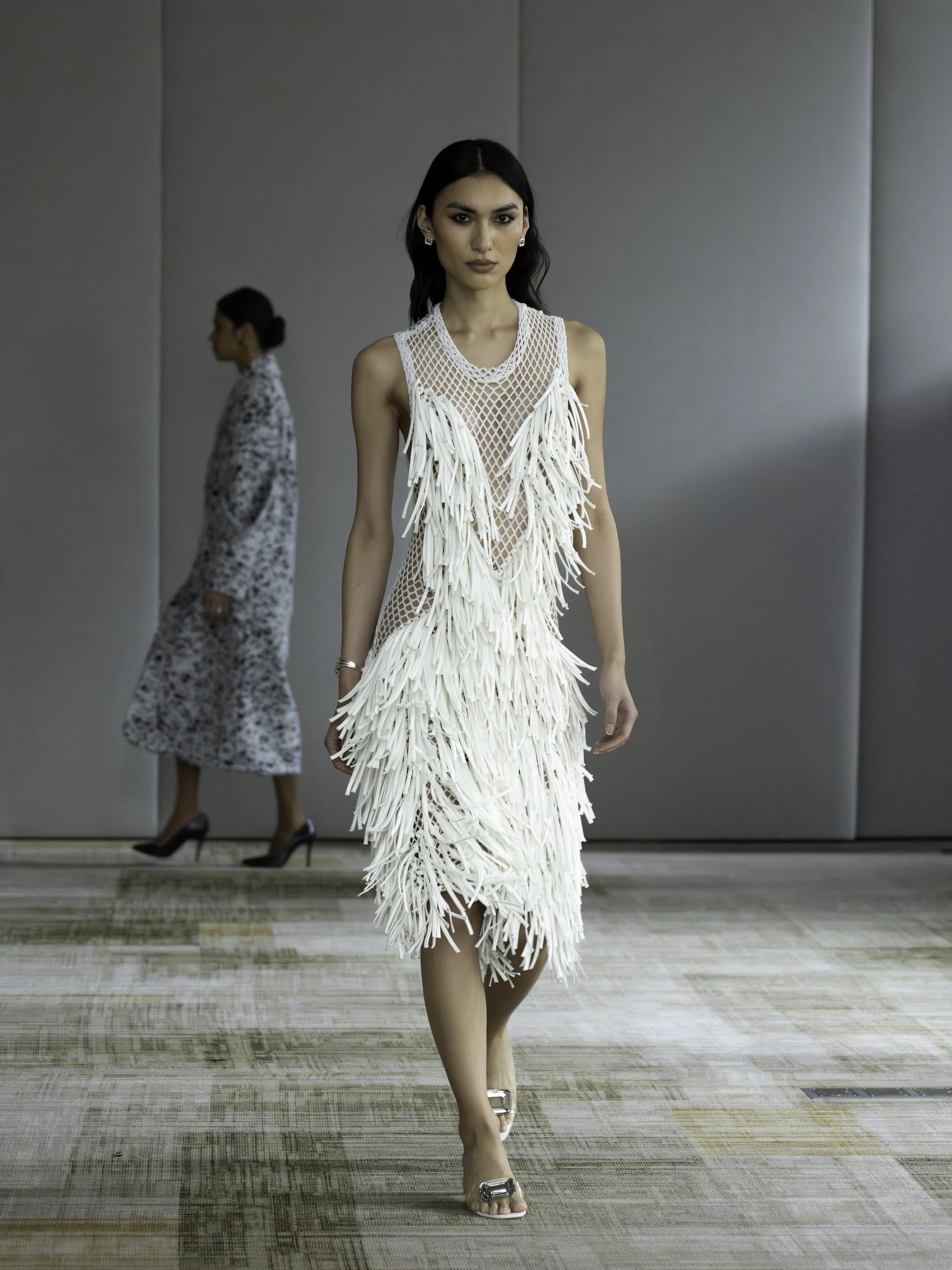
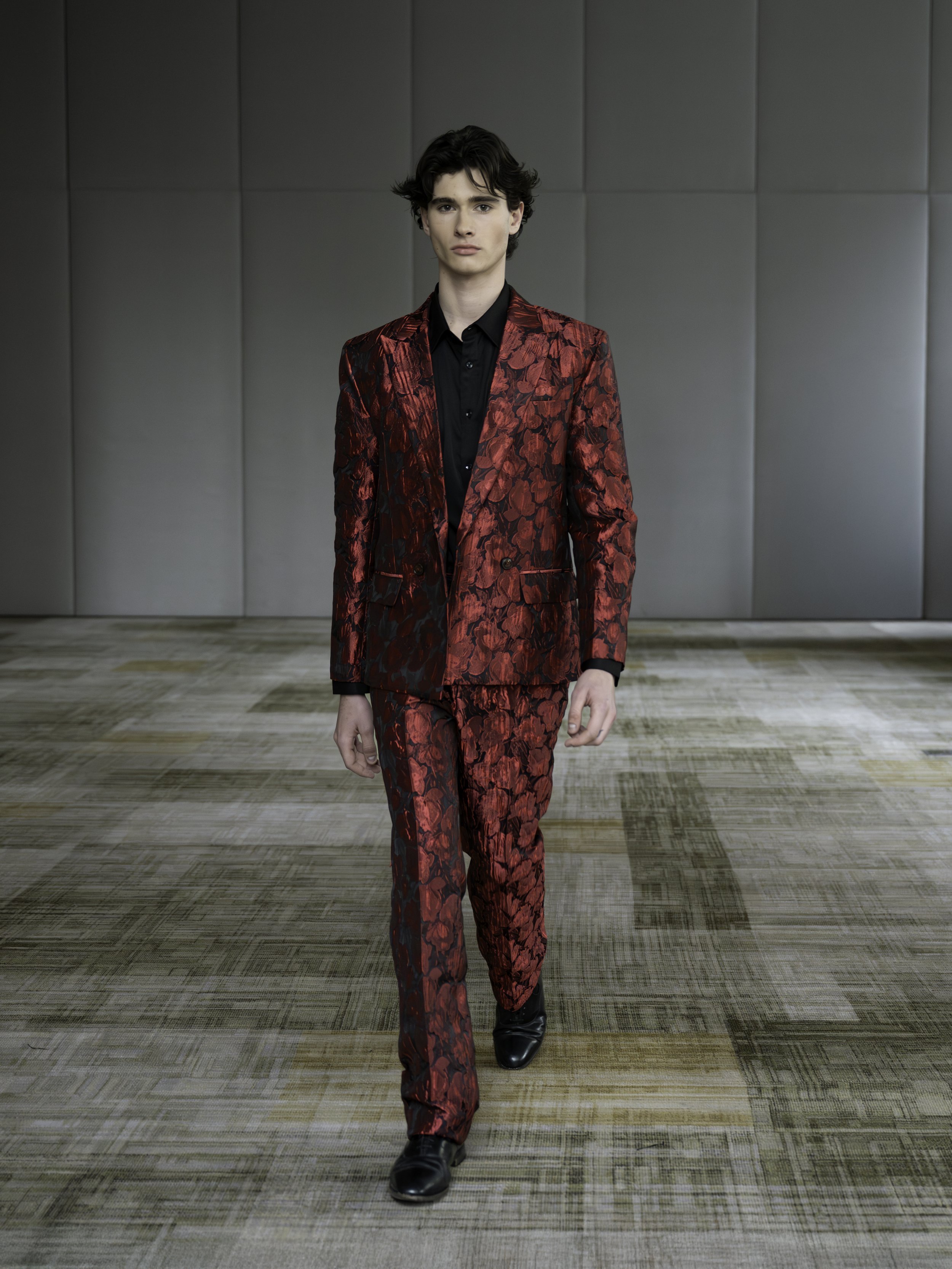
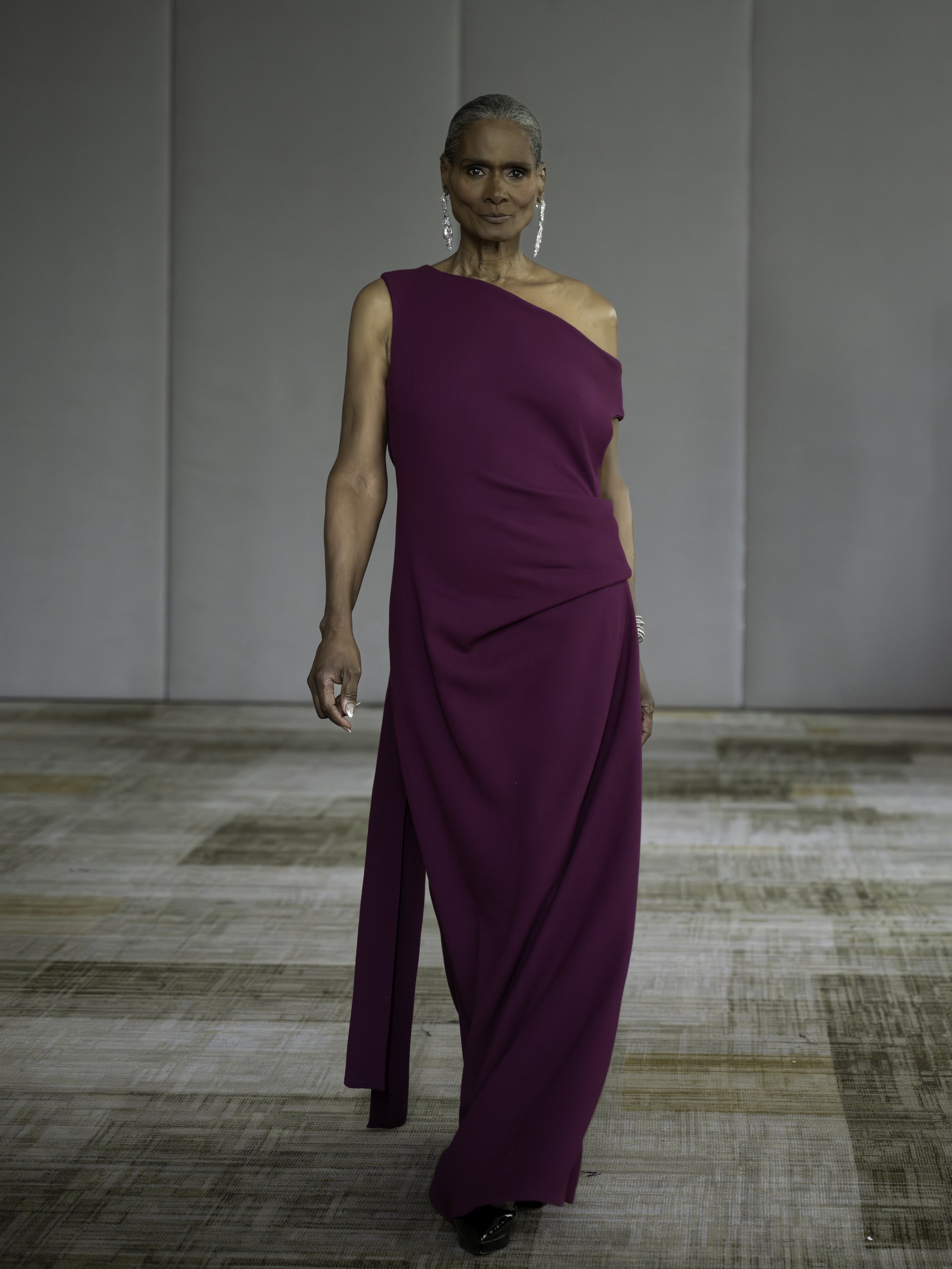
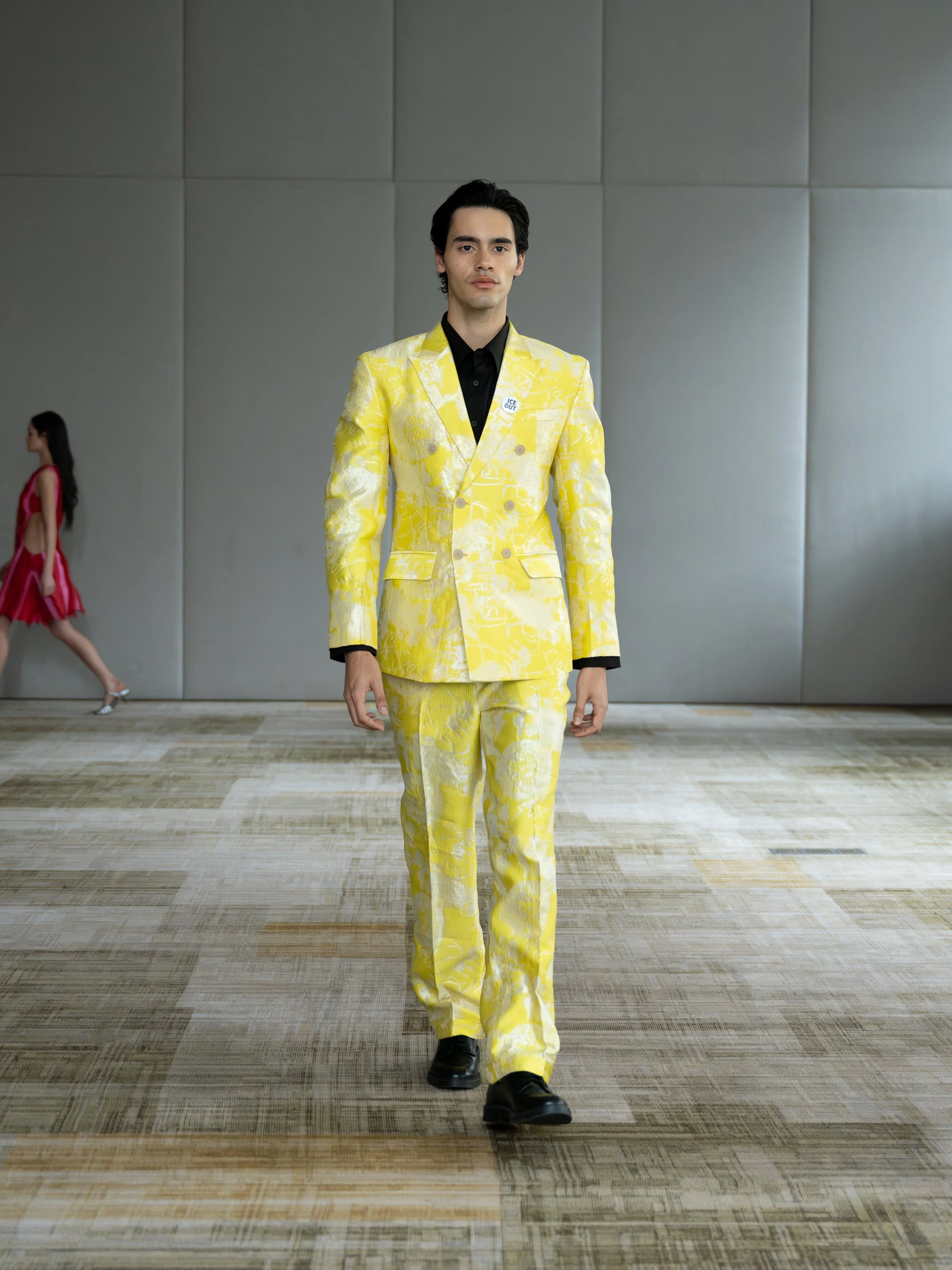
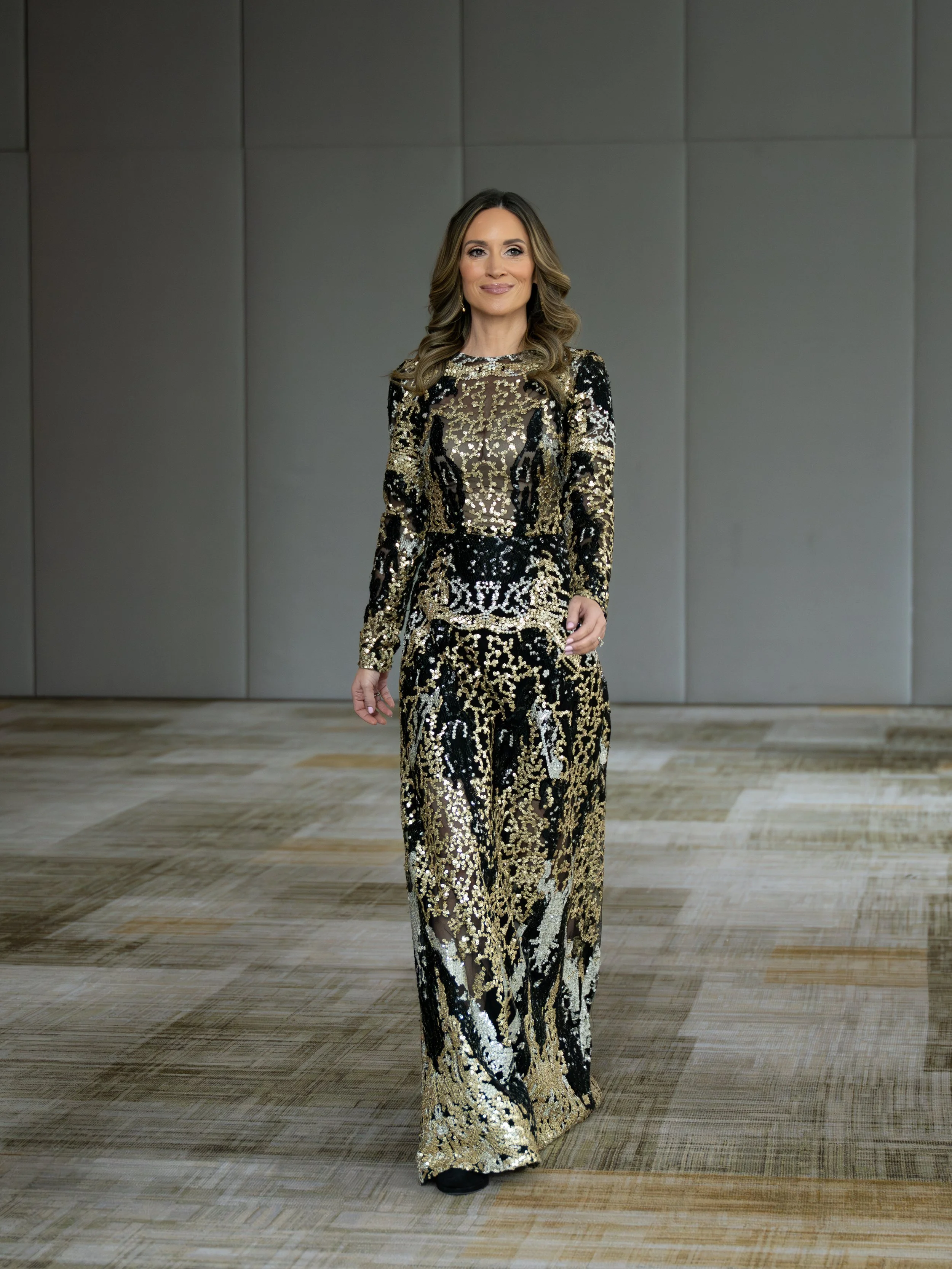
In the ballroom of The Ritz-Carlton NoMad, a space synonymous with polished luxury and exclusivity, Veejay Floresca filled the runway with bodies rarely centered in traditional eveningwear narratives. Eveningwear often demands that bodies conform. Floresca’s designs, instead, appeared to conform to the bodies in front of them. Plus-size models. Immigrant models. Trans and non-binary models. Ages that defied the industry’s usual narrow standard. The collection did not present inclusivity as a talking point. It made it structural.
Eveningwear, perhaps more than any other category, has long been governed by narrow expectations of body and presentation. To center trans, plus-size, immigrant, and non-binary bodies within that tradition is not simply inclusive. It is disruptive. Veejay Floresca made history as the first transgender woman and first Filipina to win Project Runway in Season 21. Her work celebrates inclusivity while drawing inspiration from Willem de Kooning’s abstract expressionist paintings, translating bold gesture and texture into sculptural silhouettes and layered fabric.
“Fashion is for everyone,” says Floresca, wearing an ICE Out pin. “I’m an immigrant. I’m a trans designer.” In a political moment where trans rights and immigrant identities remain contested, her presence alone carries resonance. Floresca’s work refuses separation between design and lived experience. The effect was disarming. Seeing such a range of bodies claim space in a luxury ballroom reframed what glamour can look like. The visibility felt personal. Not performative. Not strategic. Personal.
Most fashion presentations are static, with models posed as living mannequins. Floresca disrupted that format. Each of the 43 looks was given its own moment before the models assembled throughout the ballroom, arranged like sculptural centerpieces. The audience was not simply observing; we were implicated. The models occupied the space with us rather than above us. Glamour was not performed at a distance. It was shared. Her Filipina heritage surfaces less in overt symbolism and more in resilience and craft. Many pieces were produced in the Philippines, hand-sewn, textured, and made with care.
It is rare that a menswear piece commands attention in an eveningwear presentation, but Floresca subverted expectations. A black and forest-green coat, marked by hanging fringe and horizontal striping, stood out for its architectural precision. For women, a black strapless dress with feathered cutouts above the knee balanced boldness with longevity. When asked what she hopes women feel in her designs, Floresca answered with one word: “Confident.” In a ballroom built on exclusivity, that confidence felt expansive rather than selective.