TAMMARÊ: The Inaugural Collection
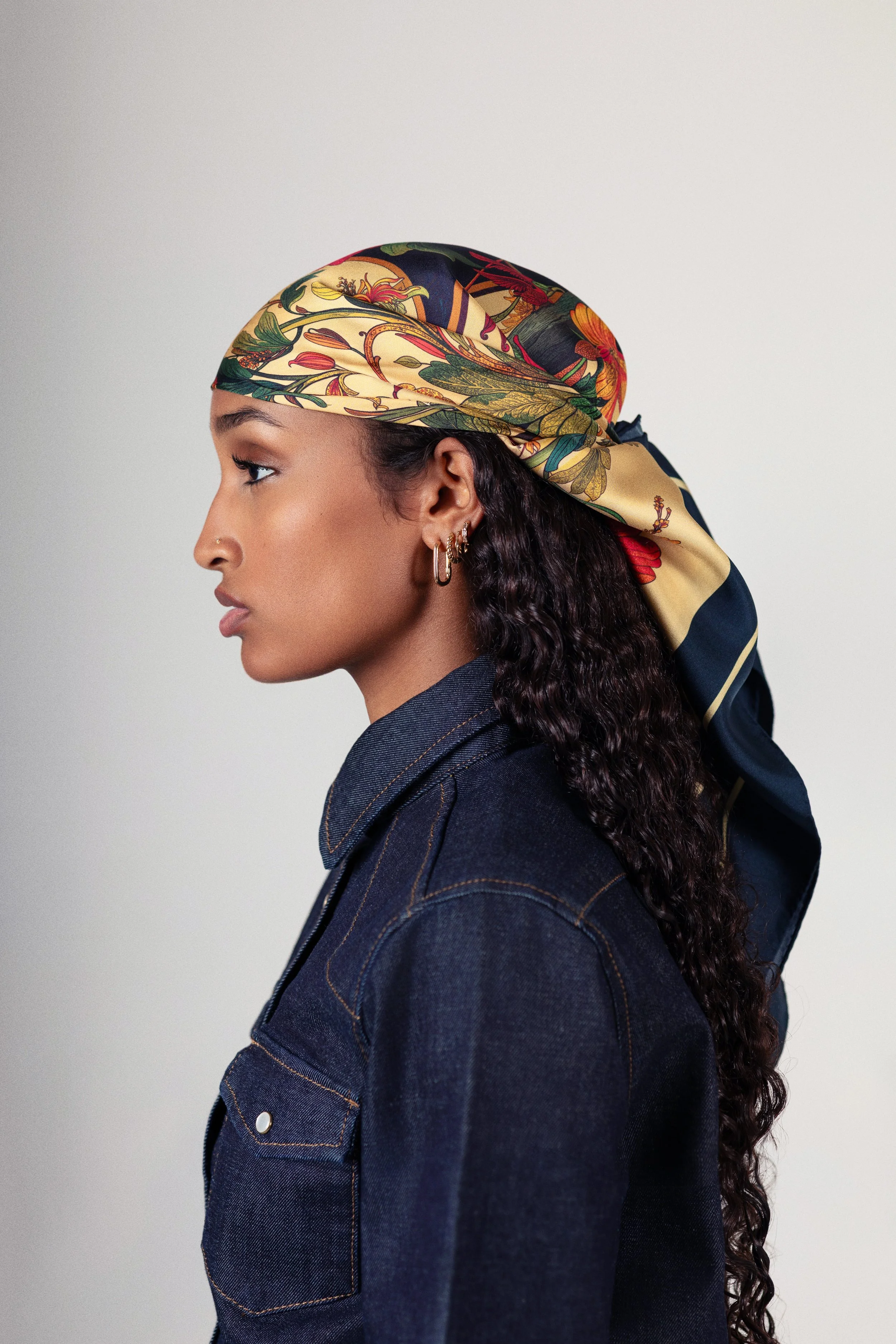
Photography by Rodwin Makanjera
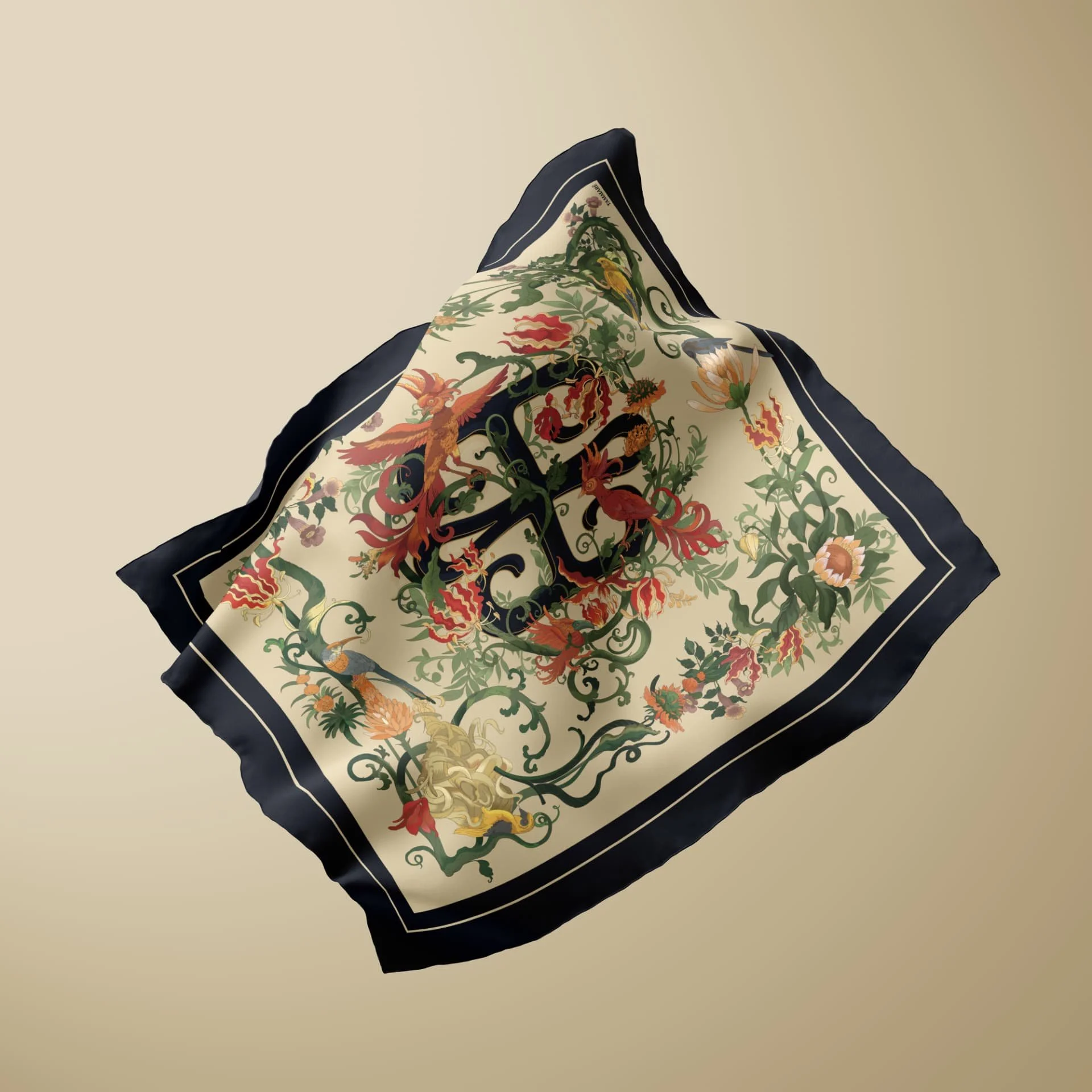
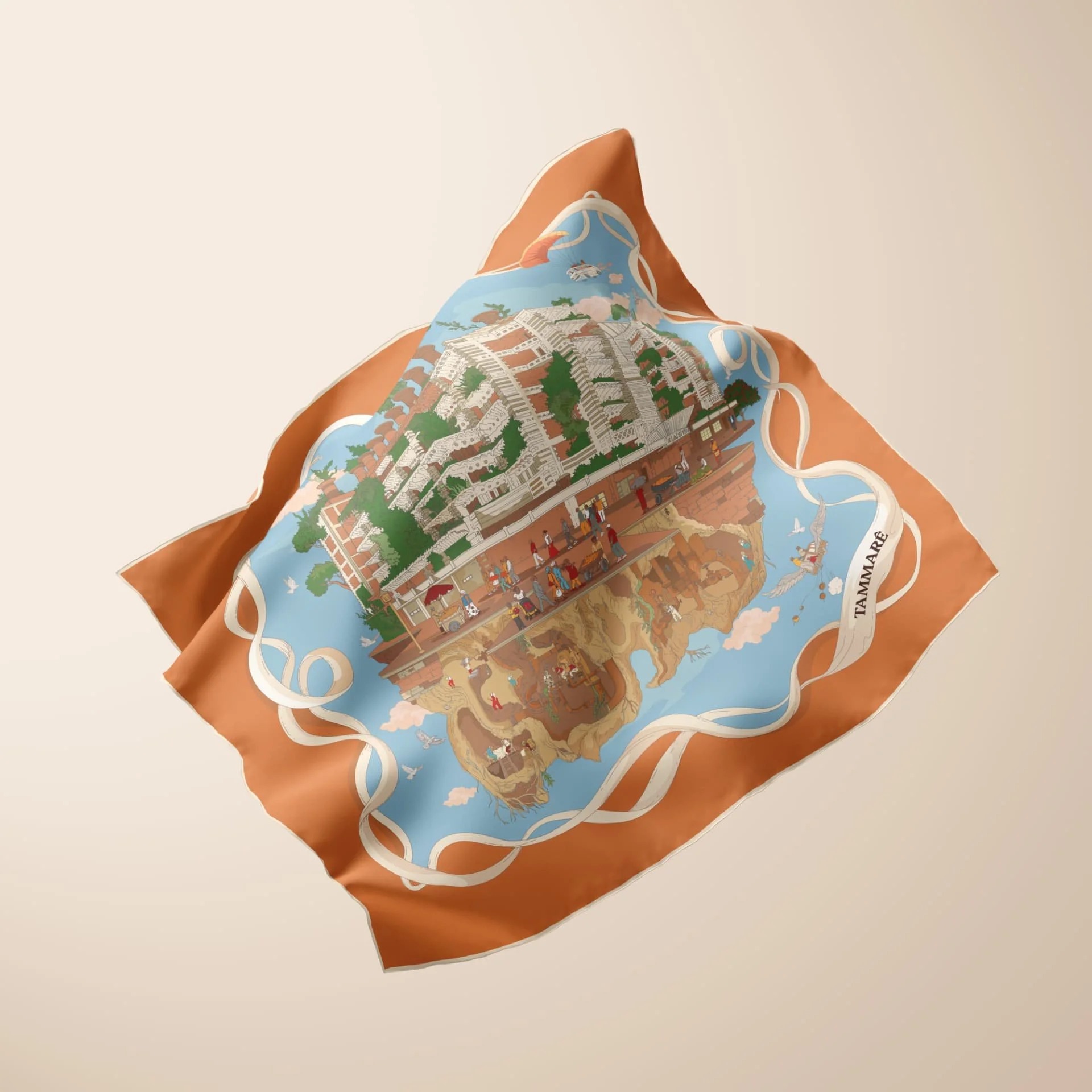
Most designers feel pressure to roll out an entire collection for their New York Fashion Week debut. Designer Rodwin Makanjera, of TAMMARÊ, started small with just four silk scarves. Gloriosa Superba, Matohwe, Great Zimbabwe, PaEastgate. Each double-sided 100% silk twill scarf directly harkens to Makanjera’s upbringing in Zimbabwe.
“When I was in Zimbabwe, I was designing outdoorsy stuff, pseudo-safari, rugged with hints of Americana,” Makanjera says, who designed under the label Herschell Barker while still home in Harare. After winning the green card lottery and immigrating to the U.S. in 2021, Makanjera said he was hit with a keen sense of nostalgia.
“I wanted to make a new brand about where I came from,” he says. On the third day of fashion week, at Civic Entertainment Group on Lafayette, he did just that—presenting not just his scarves but an art exhibit inspired by the motifs within them.
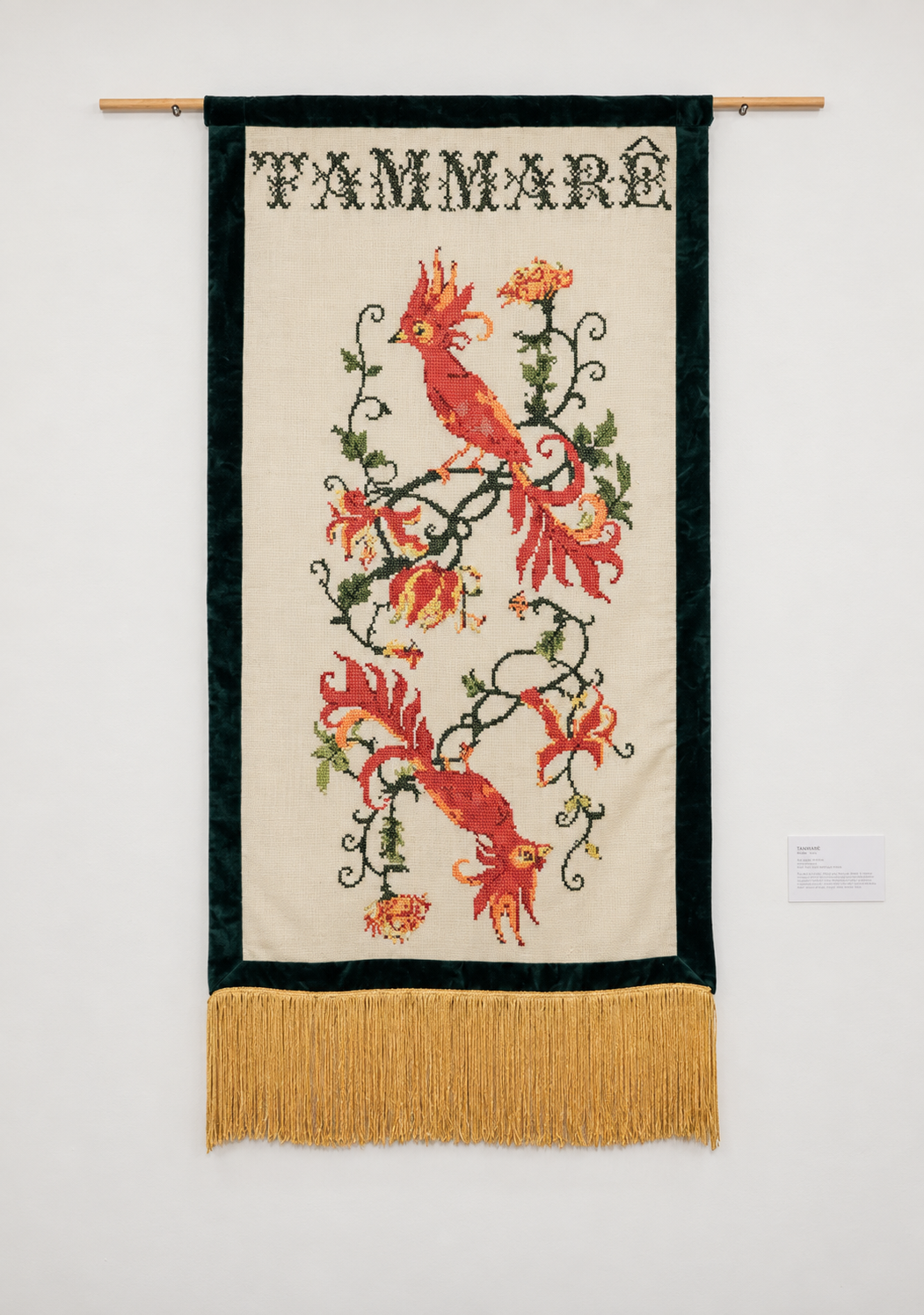
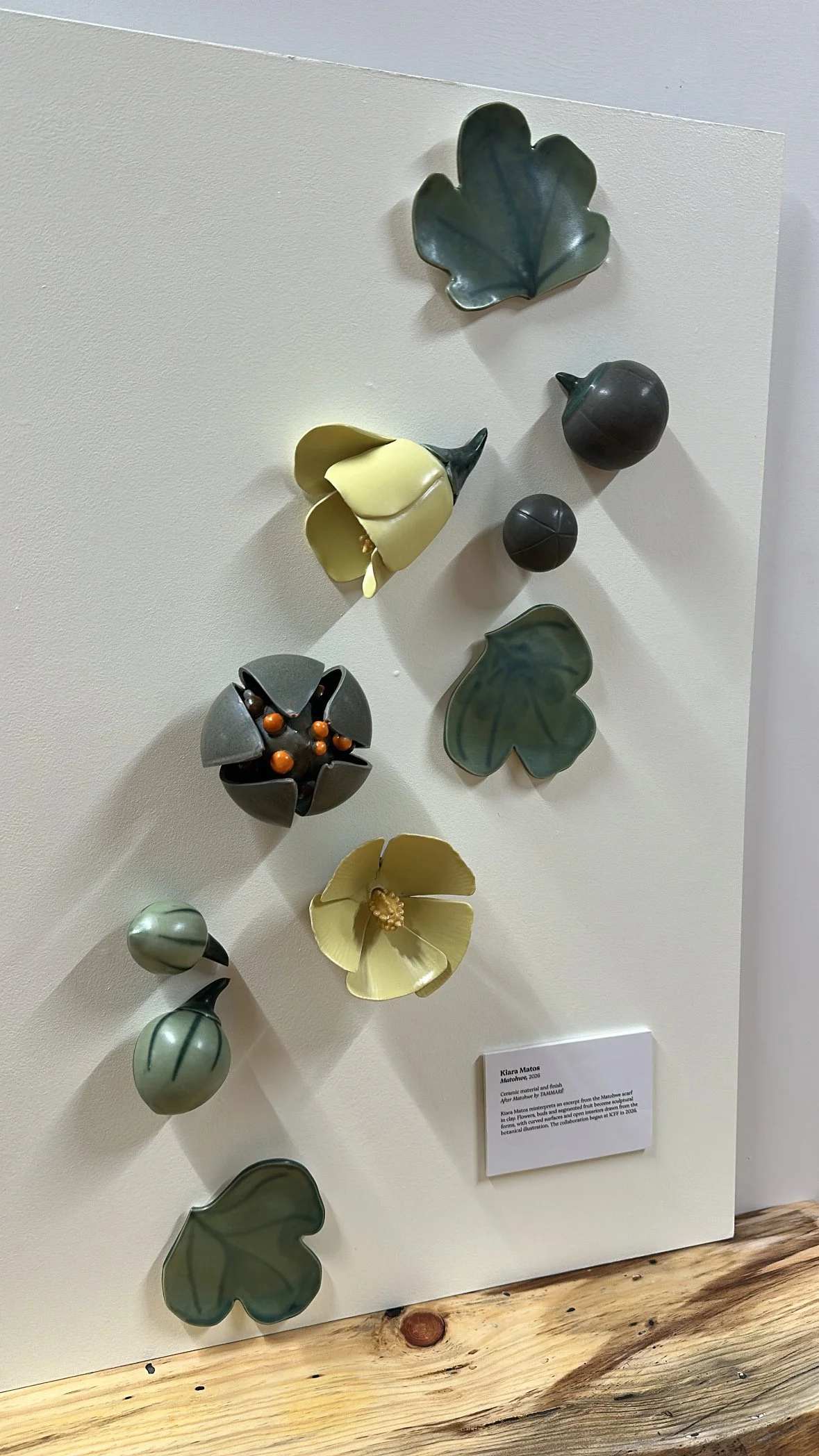
The scarf Gloriosa Superba references Zimbabwe’s national flower, the lily flame, and at the presentation was accompanied by a hand cross-stitched wall hanging bearing the image of Kasere, the house’s original bird figure. The scarf Matohwe takes its name from the fruit of the matohwe tree, ubiquitous across Zimbabwe; a hanging wall ceramic, on display, paying homage to the print.
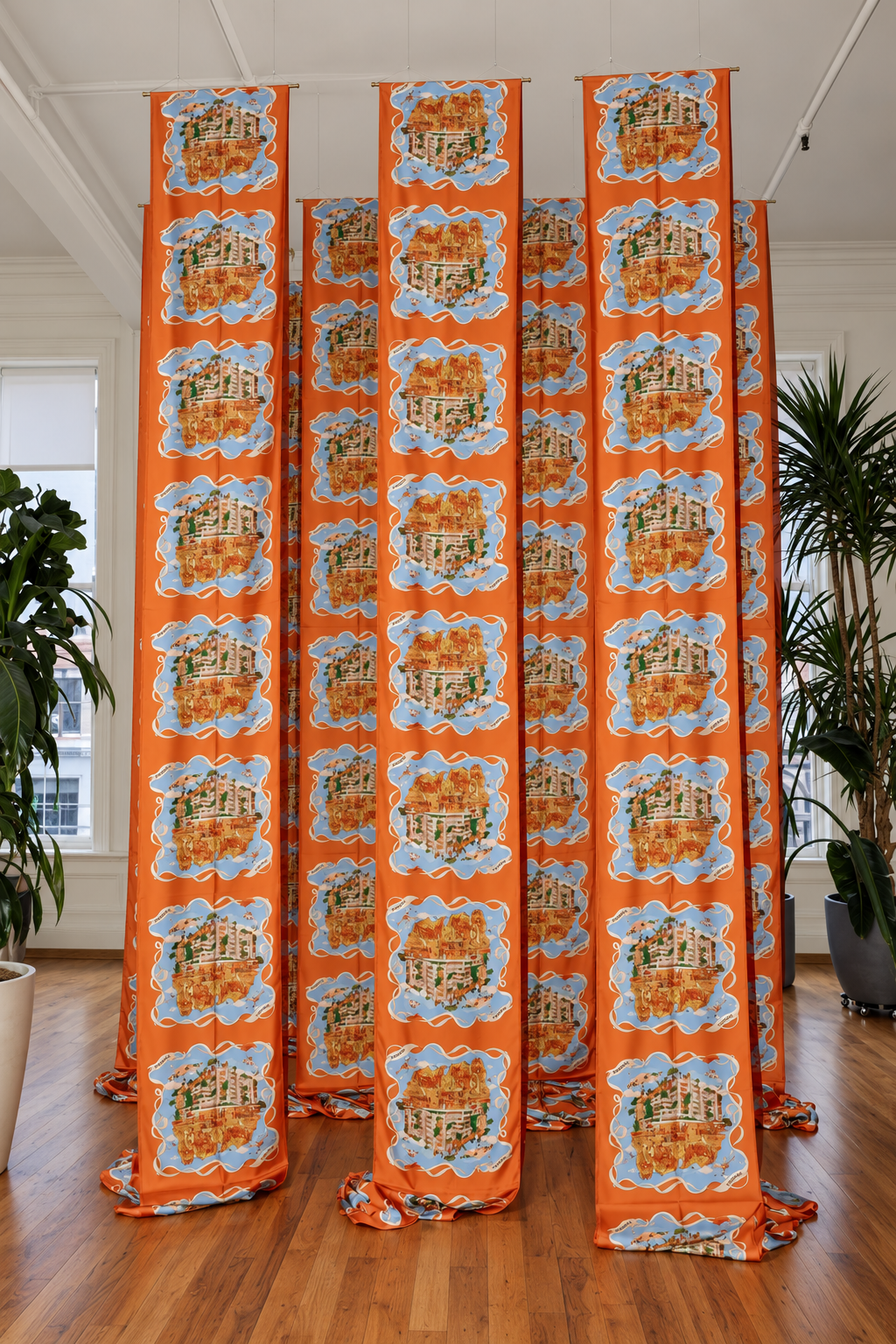
The scarf PaEastgate references the biomimicry of the architecture of Harare’s Eastgate Center—architects designed the massive mixed-use building’s self-regulated airflow system after the ventilation systems of termite mounds. And Great Zimbabwe is the only scarf in the collection that is not printed but instead takes its design—inspired by the chevron outer wall of the pre-colonial stone city—from a tone-on-tone weave.
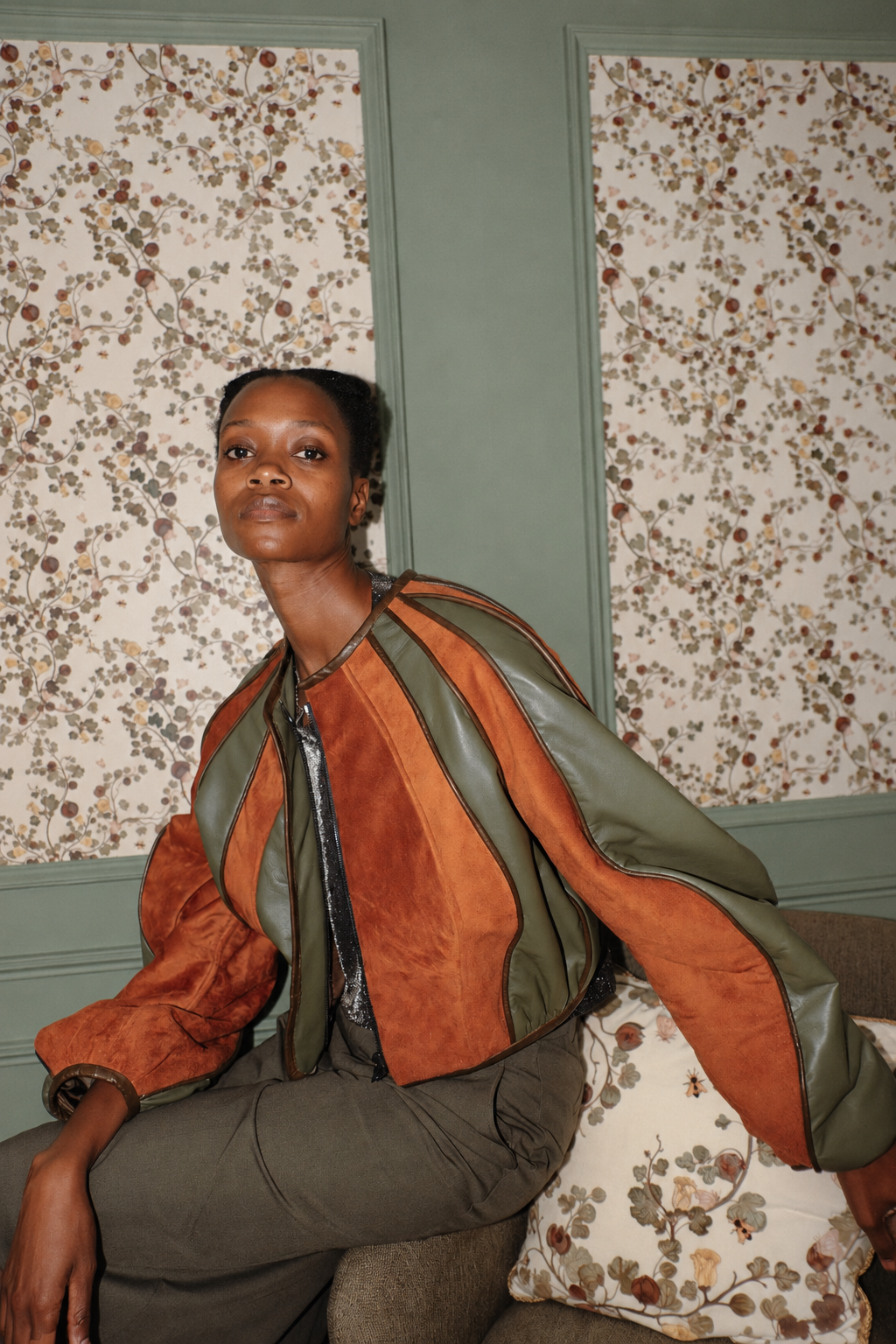
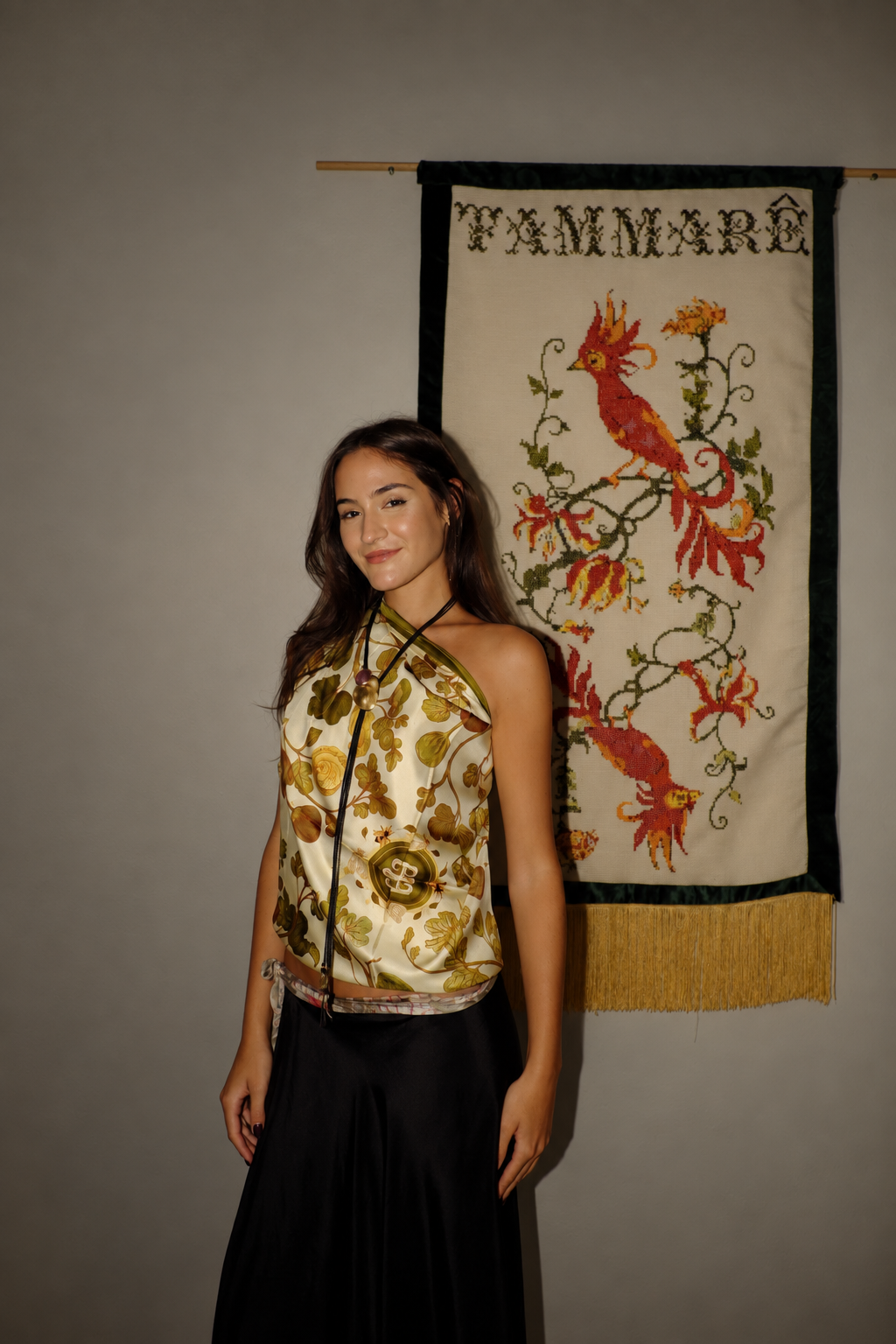
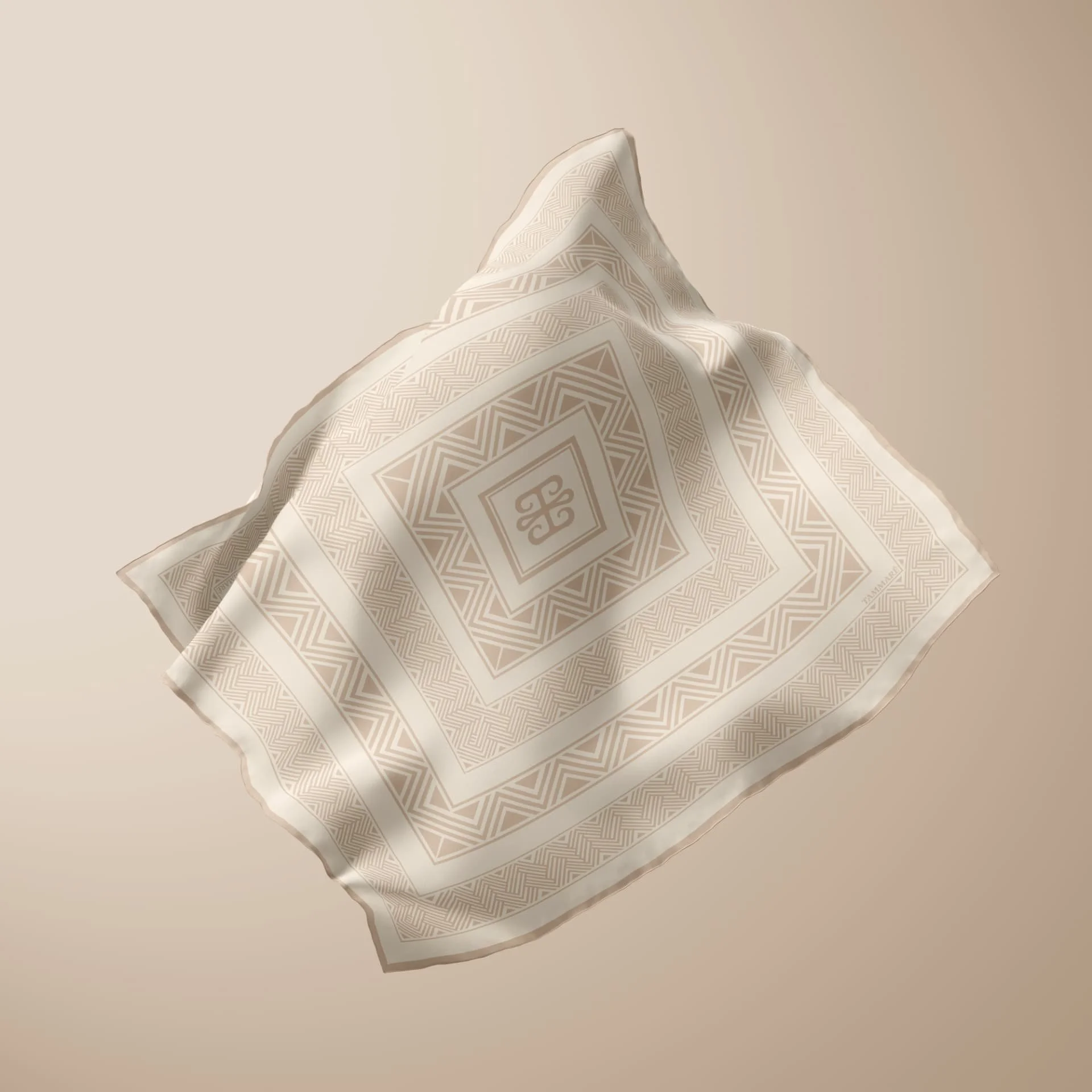
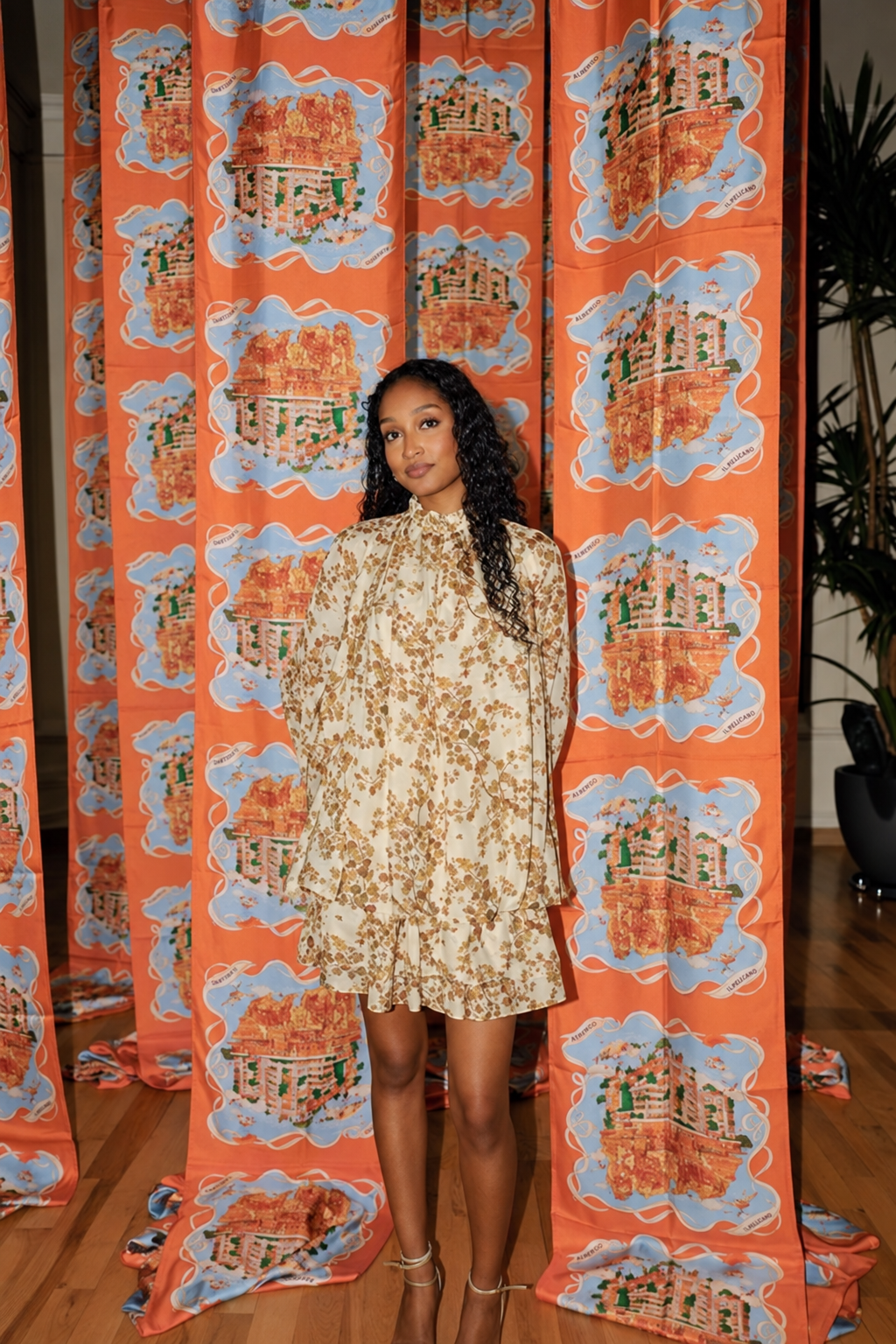
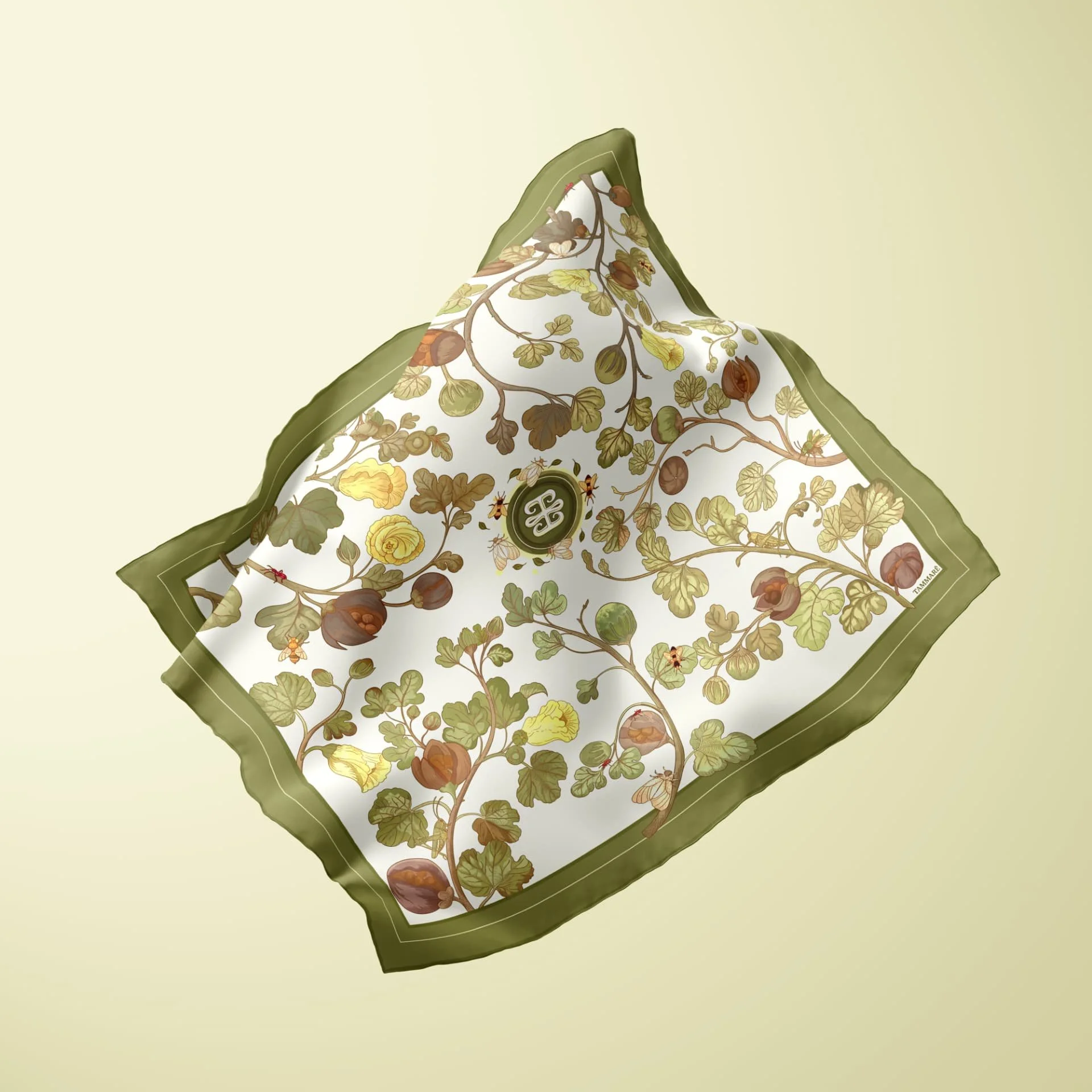
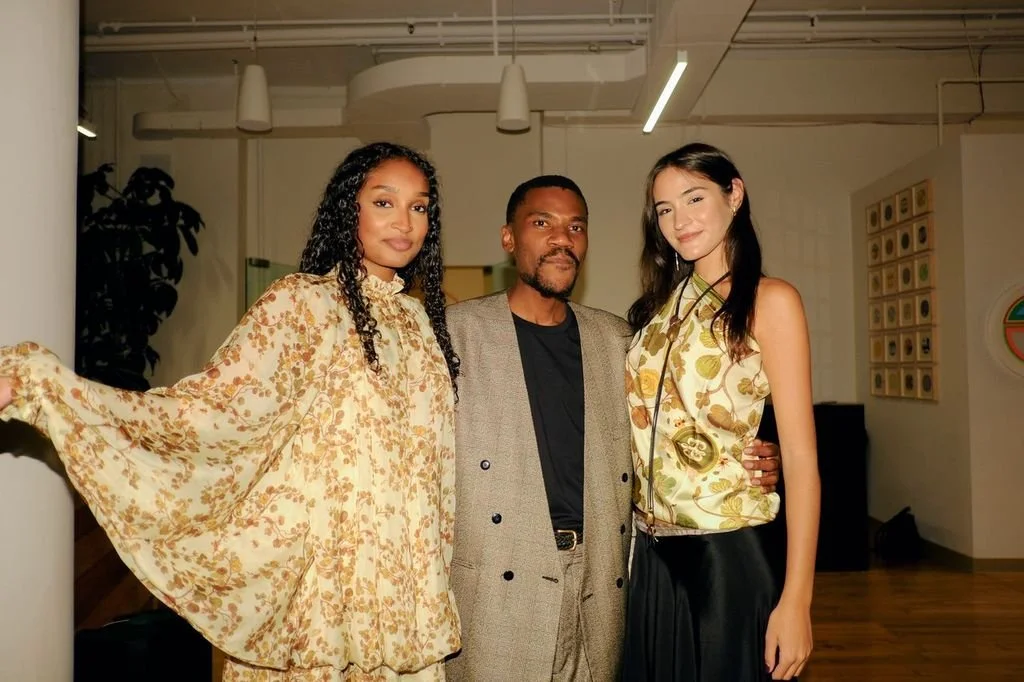
Photography by Rodwin Makanjera and Kivvi Roberts
“Each and every one of these things I have already designed a collection after,” Makanjera says. “The scarves are the windows, and then we will expand.” This, of course, is the most exciting part about Makanjera’s design philosophy: he doesn’t see himself as just a fashion designer.
The motifs in the four scarves—now available for purchase on tammare.com—introduce three of the nine cultural categories that Makanjera envisions make up TAMMARÊ: Nature & Geography, Fruits & Foods, and Civilizations & Symbols. Naturally, TAMMARÊ expands beyond a brand to become a house, with Makanjera’s personal spirit of curiosity driving future experiments.
“I’m calling it a house because my background was in graphic design,” Makanjera says. “How do you make wallpaper? How do you make curtains? How do you make print for upholstery? All of those things are how I’m thinking about the future of the brand,” he continued. “It’s definitely not just going to be fashion-driven.”