Ania Hoo’s ‘Morning Star: Side A’ Lives in the Space Between Heartbreak and Hope
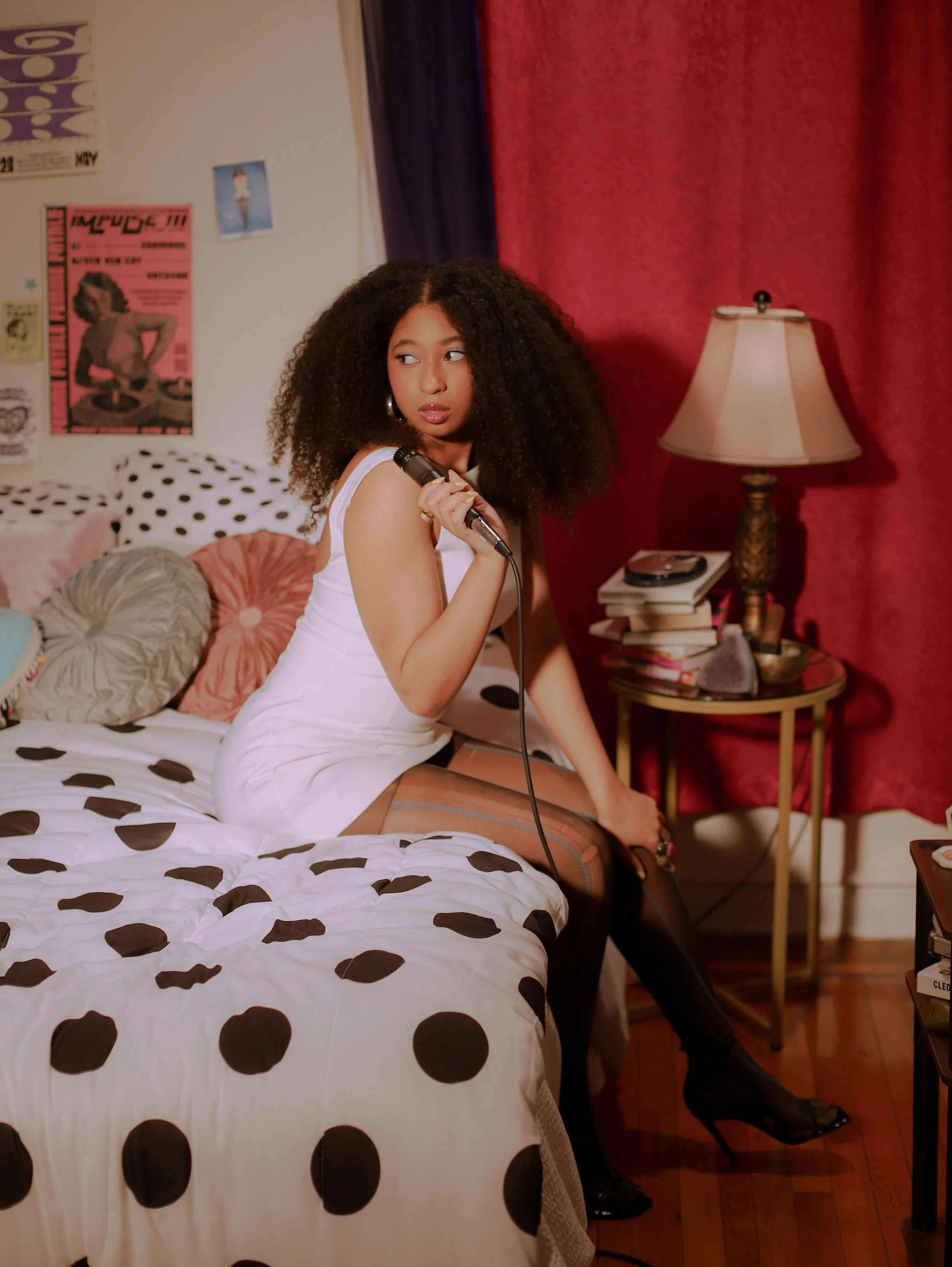
Photography by Carla Nicolella and Seyeon Band (Roc Nation)
On her latest release, Morning Star: Side A, Ania Hoo transforms heartbreak into something unexpectedly luminous. The Jamaican-American singer-songwriter and producer has spent the last few years carving out a space that blends alternative pop, disco, electronic music, and R&B, but her newest project is her most personal statement yet. Built around themes of transformation, emotional ambiguity, and moving forward after loss, the EP finds Hoo leaning into what she describes as “happy heartbreak music”—songs that invite listeners to dance through difficult feelings rather than run from them.
At just 4 tracks long, the record arrives at a moment of growing momentum for the New Jersey artist. Following support from BBC Radio 1Xtra, a breakout performance of “555” on On The Radar, and a steadily expanding audience drawn to her genre-blurring sound, Hoo continues to distinguish herself through an artistic identity that feels both intentional and unmistakably her own. Whether she's pulling from disco, funk, house, or alternative R&B, the focus remains the same: emotional honesty.
In conversation with 1202 MAGAZINE, Hoo reflects on the origins of Morning Star: Side A, the lessons heartbreak taught her, her commitment to creating with integrity, and why she's more interested in making music that feels true than chasing trends.
You just released Morning Star: Side A. How are you feeling now that it’s out? Are you more of a “celebrate it and move on” person or a “sit with it for a while” person?
I’m both. I’m happy the project is finally out, but there’s always that feeling of, ‘Okay, what’s next?’ At the same time, I’m not rushing. I want people to sit with the music, really listen to it, and create their own experiences with it before I put something new in front of them.
What was the emotional starting point for Morning Star?
Morning Star actually started as an extension of my last project, VENUS. A friend of mine in Toronto told me that Venus is sometimes called the Morning Star because of how bright it appears in the sky. He also mentioned its connection to the idea of the fallen angel, and that really resonated with me. VENUS came from a much lighter place, while Morning Star comes from a more heartbroken place. There’s still love in it, but there’s also duality. The first song created for the project was ‘555,’ which was executive-produced by okay coleman!, and it really encapsulated how I felt. It’s about the difficult side of moving on while knowing it’s ultimately what’s best for you. That became the foundation for the entire project.
The EP feels really self-assured. Did making it change anything about how you see yourself as an artist or as a person?
It definitely made me more confident in my artistry. It reinforced that the things I want to talk about—even if they’re taboo or uncomfortable—are experiences other people relate to as well. Creating this music reminded me that I'm not the only person who’s gone through these emotions, and there are listeners who want to hear those stories.
Was there one song on the project that surprised you while you were making it?
Definitely ‘555.’ I’m a lover girl at heart, and endings have always been difficult for me—whether that’s friendships, relationships, or anything else. Letting go has never come naturally. That song is really about accepting that something has ended and understanding that moving forward is necessary. Writing it opened the door for me to explore deeper emotions throughout the rest of the project.
‘Make Me Up’ deals with situationships and self-expression. Do you feel like modern relationships are more complicated now, or just more openly complicated?
I do think modern relationships are more complicated. A lot of things feel convoluted, and people aren’t always honest about what they want. Social media has given us access to so many people that commitment can sometimes feel less appealing, which is probably why terms like ‘situationship’ have become so common.
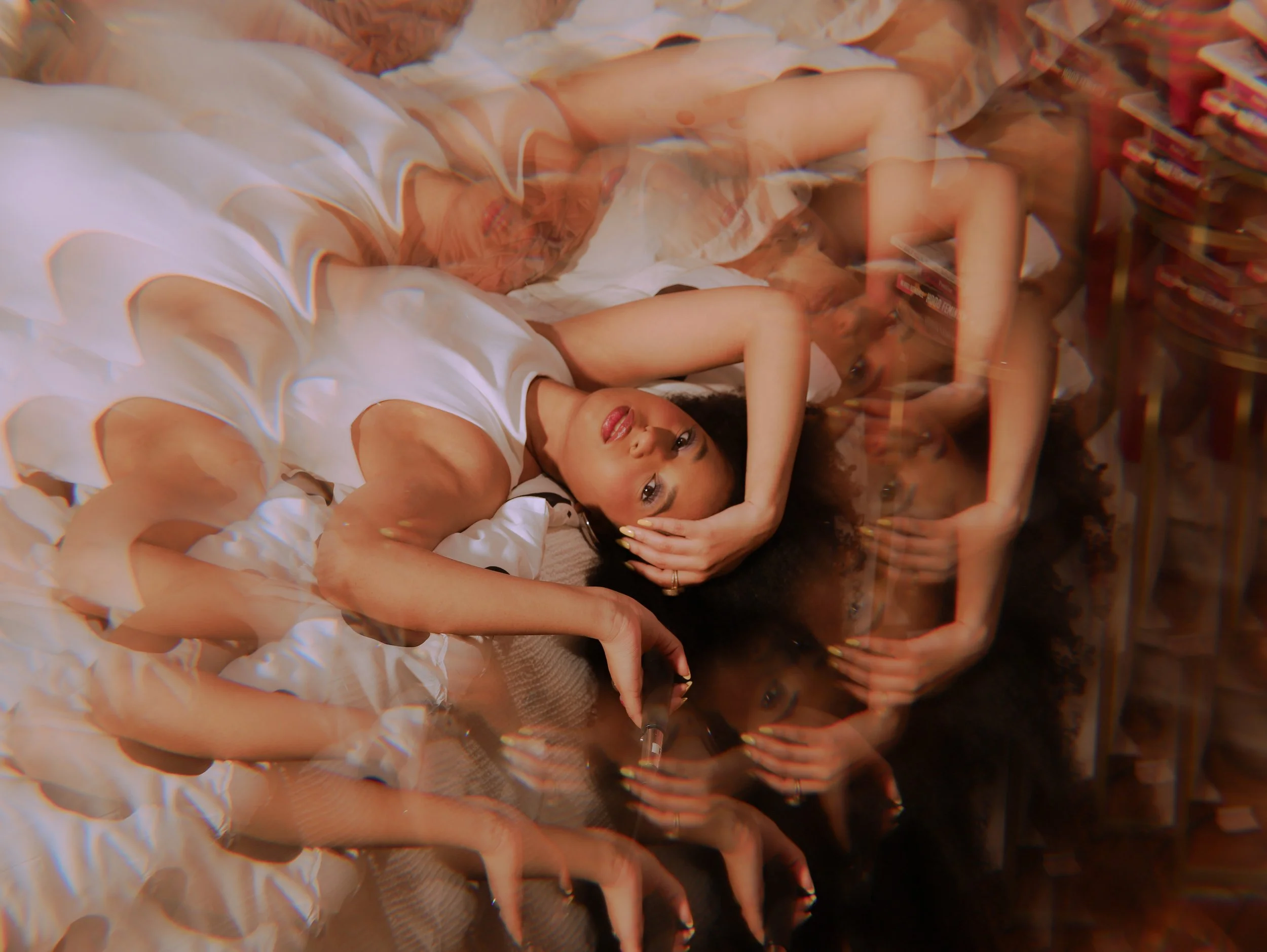
Photography by Carla Nicolella and Seyeon Band (Roc Nation)
Your music often sits in that space between vulnerability and confidence. Do you usually understand your emotions before you write, or do you figure them out as you write?
I usually know what I want to write about before I start writing. I’m a very introspective person, so I’m often examining why I feel the way I do in real time. Writing isn’t necessarily how I process emotions—it’s more about putting those feelings out into the open. That’s something that started with ‘PURE.’ At the time, much of that project felt like a manifestation of experiences I hadn’t fully lived through yet, especially when it came to love. That’s why I called it ‘PURE.’
You’ve talked about creating with integrity over chasing mass consumption. What does that actually look like for you, day-to-day, when you’re making music?
For me, it starts with having something genuine to say. When I came up with the idea for Morning Star, I remember calling okay coleman! in the middle of the night and saying, ‘I know what I want to make. I want to make happy heartbreak music.’ I don’t create just for the sake of creating. I only make music when something feels important enough to express. Sometimes I question why I’m not constantly in the studio trying to make the next thing, but I don’t want to create falsehoods. I want the music to come from a place of honesty. Lately, a lot of my creative process has actually been happening outside the studio—through living, learning, and experiencing things.
Your sound pulls from disco, funk, R&B, and house. Do you ever feel pressure to simplify it, or are you comfortable in that in-between space?
I don’t really think about genre per se when I’m creating. I think about feeling. Does it make me dance? Does it make me cry? Does it make me feel something? I’ve never felt pressure to simplify my music because, quite frankly, I wouldn’t know how to in the first place. I’ve always been influenced by so many different things. I’ve always been a bit of an oddball, even growing up. I naturally follow whatever sounds resonate with me. Sometimes people tell me that what I’m making doesn’t sound like what’s popular right now, and I’m genuinely surprised because I’m not thinking about trends. I’m just focused on making the music that feels right to me.
In an industry that pushes visibility and constant output, how do you protect your creativity from feeling rushed or performative?
I think by staying connected to the things I genuinely enjoy. I grew up on the internet, so being online isn’t difficult for me, but I also value solitude and older art forms. As long as I stay true to my own values and interests, I don’t feel pressured to perform a version of myself that isn’t real. I’m not doing anything wildly different—I’m just being myself.
You’ve cited artists like Marvin Gaye, Prince and Teena Marie as influences. What’s something you’ve learned from studying older music that still shapes how you work today?
Authenticity. Humanness. One of the things I love most about Marvin Gaye is understanding why he wrote the songs he did. He had bad days just like the rest of us. I love Teena Marie for similar reasons—she was passionate, playful, and made music out of genuine enjoyment. That has always resonated with me. Music should come from real life. It should come from joy, curiosity, heartbreak, whatever you're experiencing. I’ve learned not to take myself too seriously or force things. You’re supposed to make music because you enjoy it.
Looking ahead, what do you hope Morning Star: Side A represents when you look back on this chapter of your career?
I hope it marks a stepping stone toward what Ania Hoo is becoming. These songs feel closer to my true sound and the stories I want to tell. What’s exciting is that no matter how much time passes, these songs still feel close to my heart. I feel that way about all my projects. Morning Star is actually a two-part project, so there will be a Side B. This era came from a difficult and heartbreaking period in my life, but I feel like I turned those experiences into something meaningful–something that can help me and hopefully help other people too.
Finally, what can fans keep an eye out for?
Definitely some live shows, although there aren’t any dates to announce just yet. There are also some visuals on the way, and of course, more music.