MUSUBI Talks Ambition, Identity, and Her Latest Single, ‘Taste It’
“Taste It” opens a window into the energy driving her current bold, confident era, rooted in a desire to build something deeper than a single track.
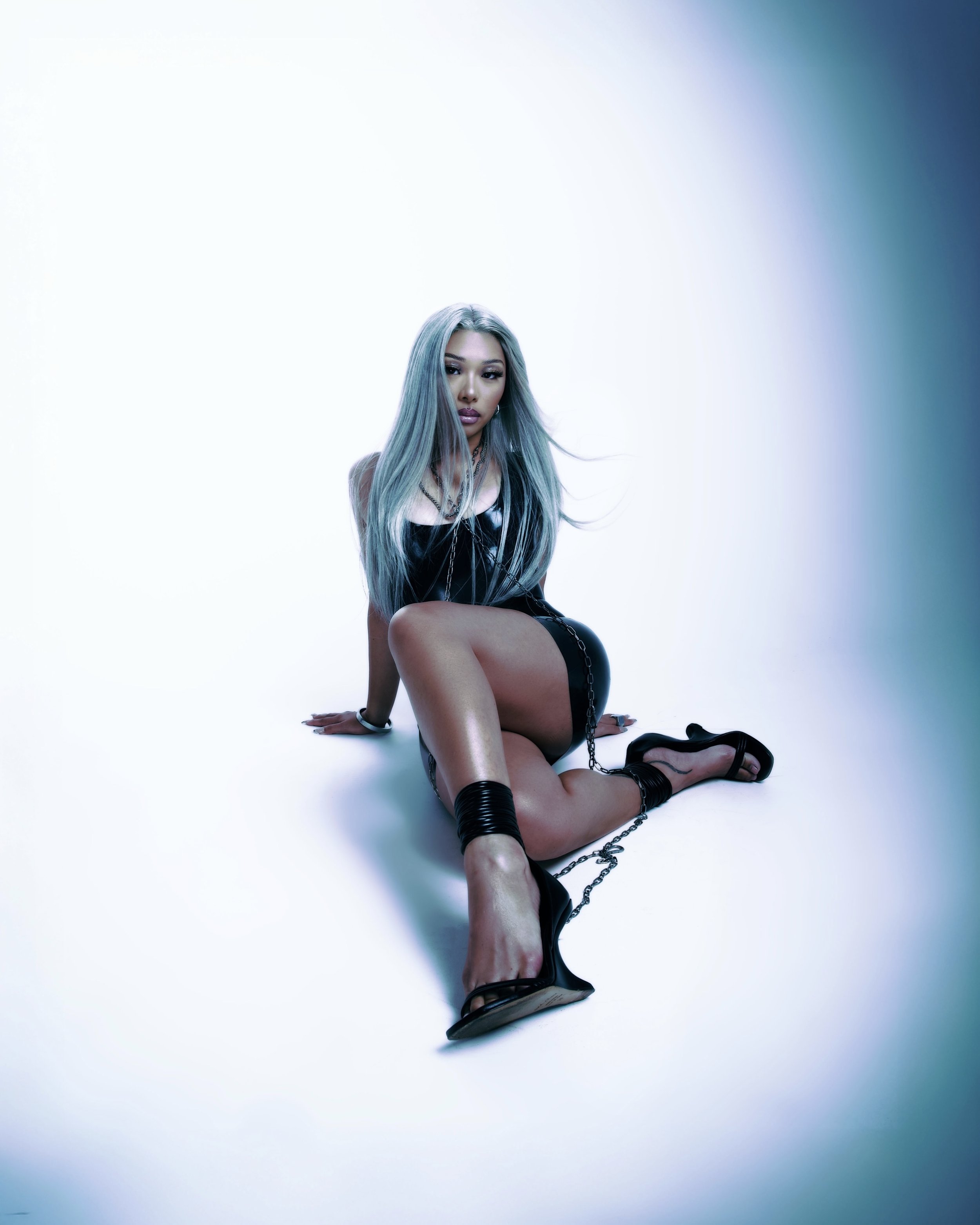
Photography by Luke Stage
Los Angeles–based DJ, producer, and artist MUSUBI is defining her distinct sound on her latest single, “Taste It,” a track that sharpens the sensual, bass-driven world she’s been carving out across dance floors. Known for her commanding yet fluid presence behind the decks, she’s become a rising name in the dance music scene, one who’s steadily building momentum through her visual identity and genre-blurring influence.
In an era when nightlife shifts fast and attention is fleeting, MUSUBI continues to stand out by creating immersive experiences that intersect music and fashion to expand her world in multiple directions. Her performances have placed her alongside prominent names across genres, such as Kaytranada, Doechii, SG Lewis, A-Trak, and more, as well as playing at festivals like Countdown NYE, FVED in the Park, not to mention the brand collaborations with global powerhouses, namely Nike and Adidas, solidifying her as a must-watch presence on the circuit.
With “Taste It,” she opens a window into the energy driving her current bold, confident era, rooted in a desire to build something deeper than a single track. MUSUBI spoke with 1202 MAGAZINE on her creative process, the evolution of her sound, the lessons she’s carrying from the stage, and the ambitions shaping what comes next.
‘Taste It’ feels both sensual and high-energy; what headspace were you in when creating this single?
I just wanted to make fun, sexy dance music. I love feeling flirty and confident, and I feel like we all need that energy right now. ‘Taste It’ was me leaning into that vibe. Just letting myself feel playful, powerful, and a little provocative.
What was the moment or emotion that sparked the first idea for ‘Taste It’?
It actually came together in one sitting. I knew the exact feeling I wanted to bottle, and I just chased it. After that, I spent some time tweaking little details so it matched the version of the song I heard in my head. At least as close as I could.
You’ve described your sets as crowd-elevating—how does ‘Taste It’ translate into your live performances?
I always play and design music with movement in mind. With ‘Taste It,’ I had a clear vision of the energy I wanted to create, so it became this playful push-and-pull moment in my sets. It’s flirty, it’s sweaty, it’s fun. You can sing and dance with it.
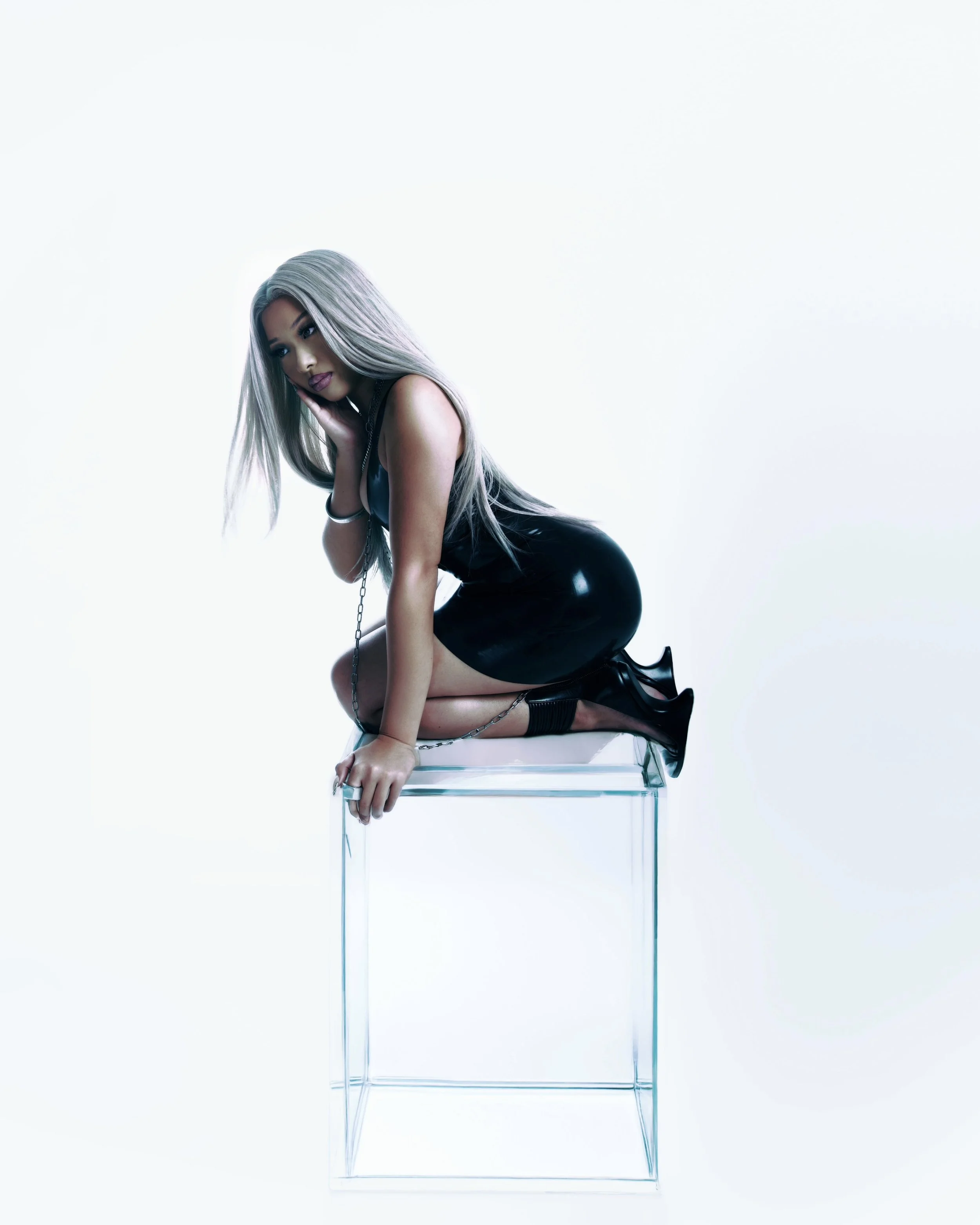
Photography by Luke Stage
You grew up in San Francisco and now live in Los Angeles. Have the two cities shaped the way you approach sound, nightlife, and performance?
People still describe me as very ‘Bay Area’—I’m not even sure what that exactly means, but I think it’s just me being my authentic self. I don’t think either one has changed how I approach sound, nightlife, and my performances. LA definitely brought out my ambition even more. People here hustle hard, and it inspires me to be my best while still taking care of myself.
Your work spans genres without committing to one lane. What’s guiding your sonic identity right now?
Good bass lines, darker textures, and a sexier energy overall. I love making music you can feel in your chest—but in a house context, tension and release. I want attitude, depth, and movement. Tracks that make you smirk a little without knowing why.
Was there a specific moment when you realized you wanted to move from simply DJing to fully producing and creating your own sound?
I’ve always known I wanted to make music, but stepping into production took time. DJing felt natural, almost effortless, but producing and releasing original work required a level of vulnerability I wasn’t fully confident in at first. I’m still building that confidence, honestly. But I’ve learned that uncertainty is where the magic happens. You have to move even when you’re not 100% sure. That’s how growth works.
You’ve performed alongside artists like Kaytranada, Joji, SG Lewis, and shared stages with icons like Snoop Dogg. What performance or co-sign felt like a ‘full-circle’ moment for you?
Opening for Kaytranada early in my career was surreal. He was a huge influence on me, and he’s genuinely kind. It was also one of the biggest crowds I had played for at the time, and I was still figuring out my sonic identity. I remember being nervous, excited, and almost starry-eyed. That night left a big imprint. I don’t think I’ve had my ultimate full-circle moment yet, but I feel it coming.
What have you learned about crowd psychology from performing on such massive stages?
The biggest lesson is this: the crowd isn’t nitpicking you the way you nitpick yourself. They follow your energy. If you’re having fun, they loosen up and come with you. If you’re tense or unsure, they feel that too. People love hearing new music, but they also crave moments of nostalgia, so I always try to blend discovery with familiarity. My job is to guide the crowd, not just play to it.
When you imagine your ideal collaborative partner—artist, producer, or even visual creative—who comes to mind and why?
I’d love to explore more cross-disciplinary collaborations—soundtracking fashion shows, working with visual artists, modeling, bridging hip-hop and electronic spaces. I’m open to anything that feels honest and expands the world I’m building. Collaboration still intimidates me a little, but I want to lean into that discomfort because it usually means something meaningful is on the other side.
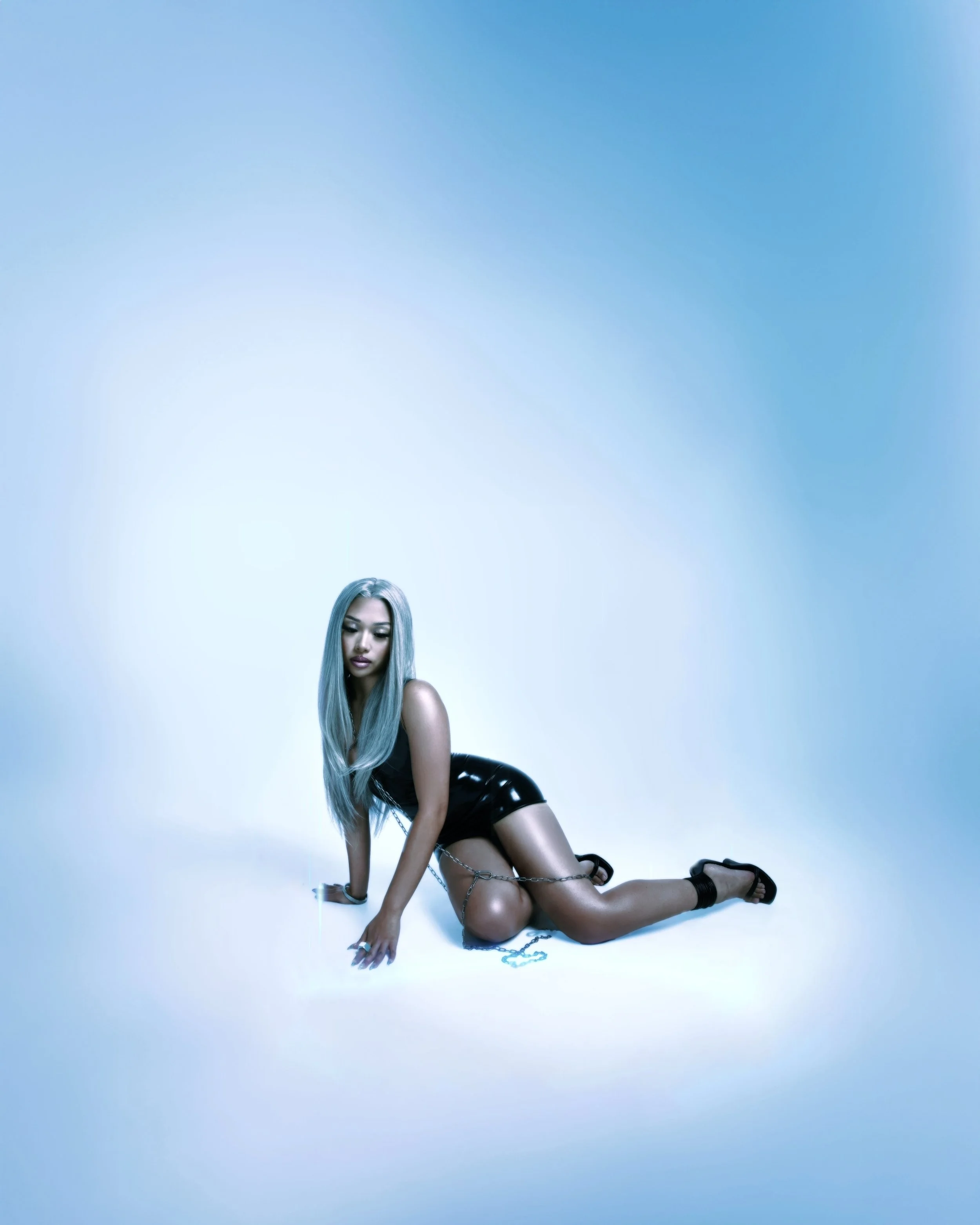
Photography by Luke Stage
How do you approach blending your musical style with brand storytelling after having worked with Adidas, Nike, the NBA, and Coachella?
For brand work, I always start with visuals and music. Those elements shape everything. The emotional layer is intuitive. If our energies align, the storytelling flows naturally. I’m less interested in forced synergy and more interested in creating moments that feel organic and true to both sides.
As an artist with a strong visual identity, what role do fashion and aesthetics play in your creative process?
Fashion helps me step into the version of MUSUBI I want to embody on any given night. I love pieces that feel interesting, tailored, dark, sexy, but not overt. I’m not showing a ton of skin, but the silhouette still feels powerful. It’s effortless but intentional. Clothing sets the tone before I even touch the decks.
What does your studio process look like—are you chaotic, ritualistic, or somewhere in between?
Honestly, I show up in sweats with a coffee and see what happens. Sometimes inspiration hits me while I’m driving or doing something random; other times I have to hunt it down. My process is a mix of chaos, intuition, and letting the moment guide me. I’ve learned not to force anything.
Is there a song or album (not your own) that has been shaping or influencing your current era?
I’ve been obsessed with Esdeekid and MexikoDro lately. It’s a little unexpected, but something about their sound has been fueling my creative headspace. Inspiration can come from the most random corners.
Looking ahead, what feels most exciting about the next phase of MUSUBI? More singles, an EP, a tour, or something your audience wouldn’t expect?
Right now I’m focused on singles and remixes, but a full project is definitely on my mind. I want to build a world, not just release songs. I’m also hoping to tour in 2026, release more music, and dive into some unexpected collaborations. This next chapter feels wide open, and that’s the most exciting part.