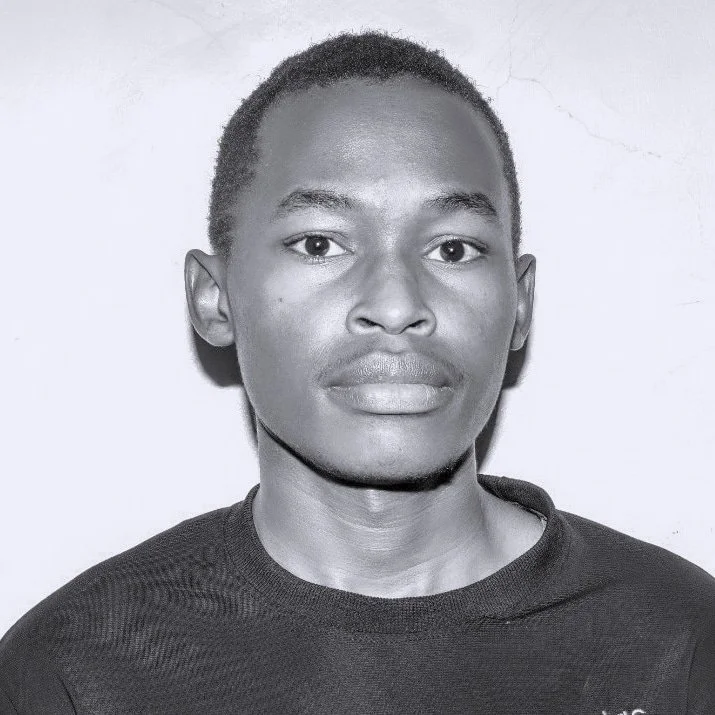
The Detroit artist’s debut EP is out now.
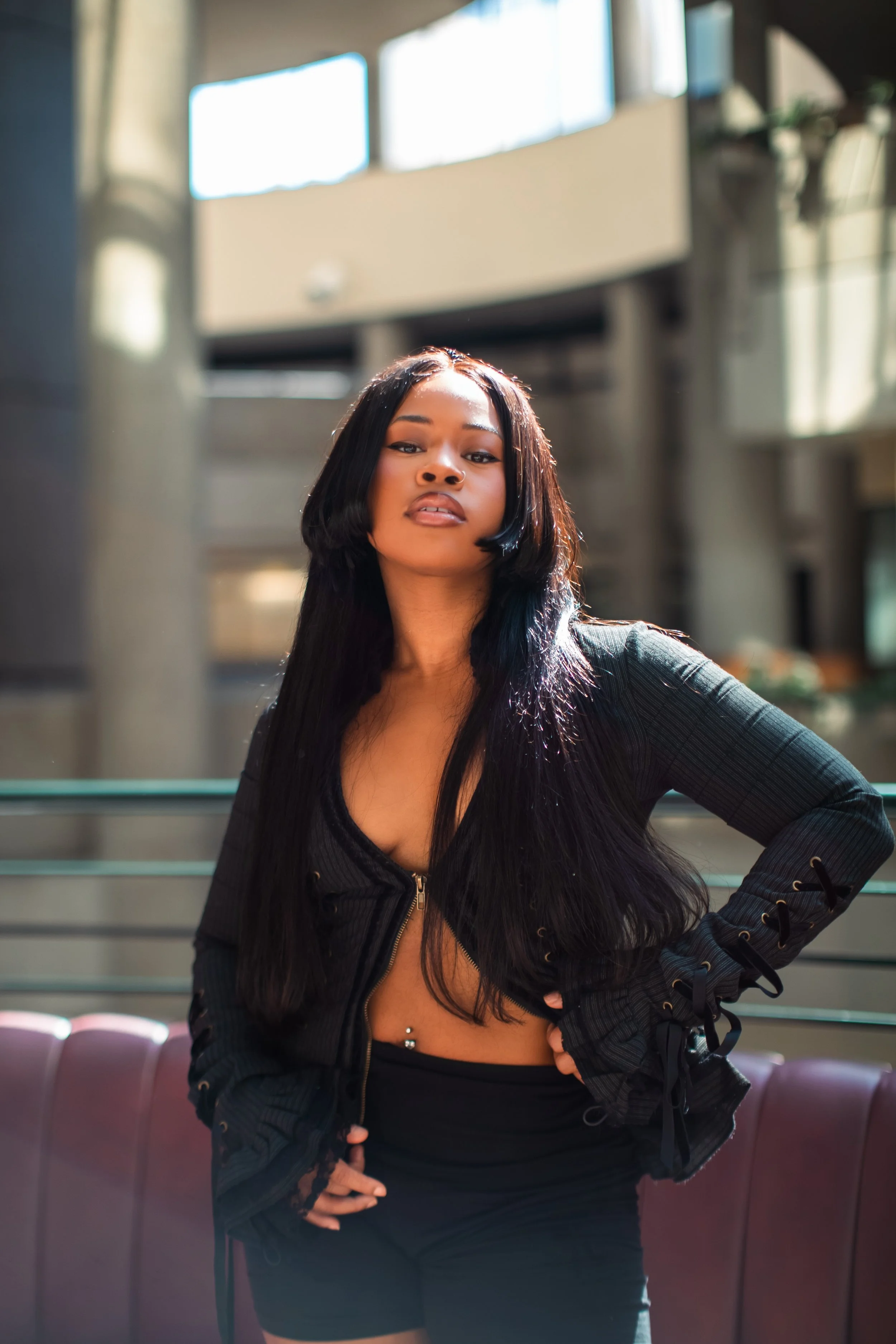
Photography by Emmanuel Camacho
Detroit DJ, producer, and artist Sky Jetta is stepping further into her own sound with HOOCHIE PALACE, a four-track Ghetto Tech EP that turns the club into a world of its own. What began as a single song with producer W$Kharri grew into a project inspired by the sounds Jetta grew up with and the ones she encountered while living in Chicago, Atlanta, and New York. Across the project, she builds her own version of a 90s Ghetto Tech party—one that begins at the door, peaks on the dancefloor, and eventually winds down into the ride home.
Jetta has been making music for years, but much of her career has been built behind the decks, moving between scenes while developing an ear for the sounds that feel most like her. Along the way, she’s quietly tested her own records in DJ sets, letting the music speak before revealing it was hers. HOOCHIE PALACE is the result of that patience: a project that gives her room to be more explicit, playful, experimental, and less concerned with fitting the version of Sky Jetta people already know.
Now, she’s thinking beyond the DJ booth and even beyond music, imagining a future where her creativity can stretch into art, design, architecture, and whatever else catches her eye. But for the moment, she’s building a palace—and she’s already imagining herself as the queen of Ghetto Tech.
Sky Jetta spoke to 1202 MAGAZINE about the new music, finding her sound, becoming more comfortable with vulnerability, and figuring out just how far she can take it.
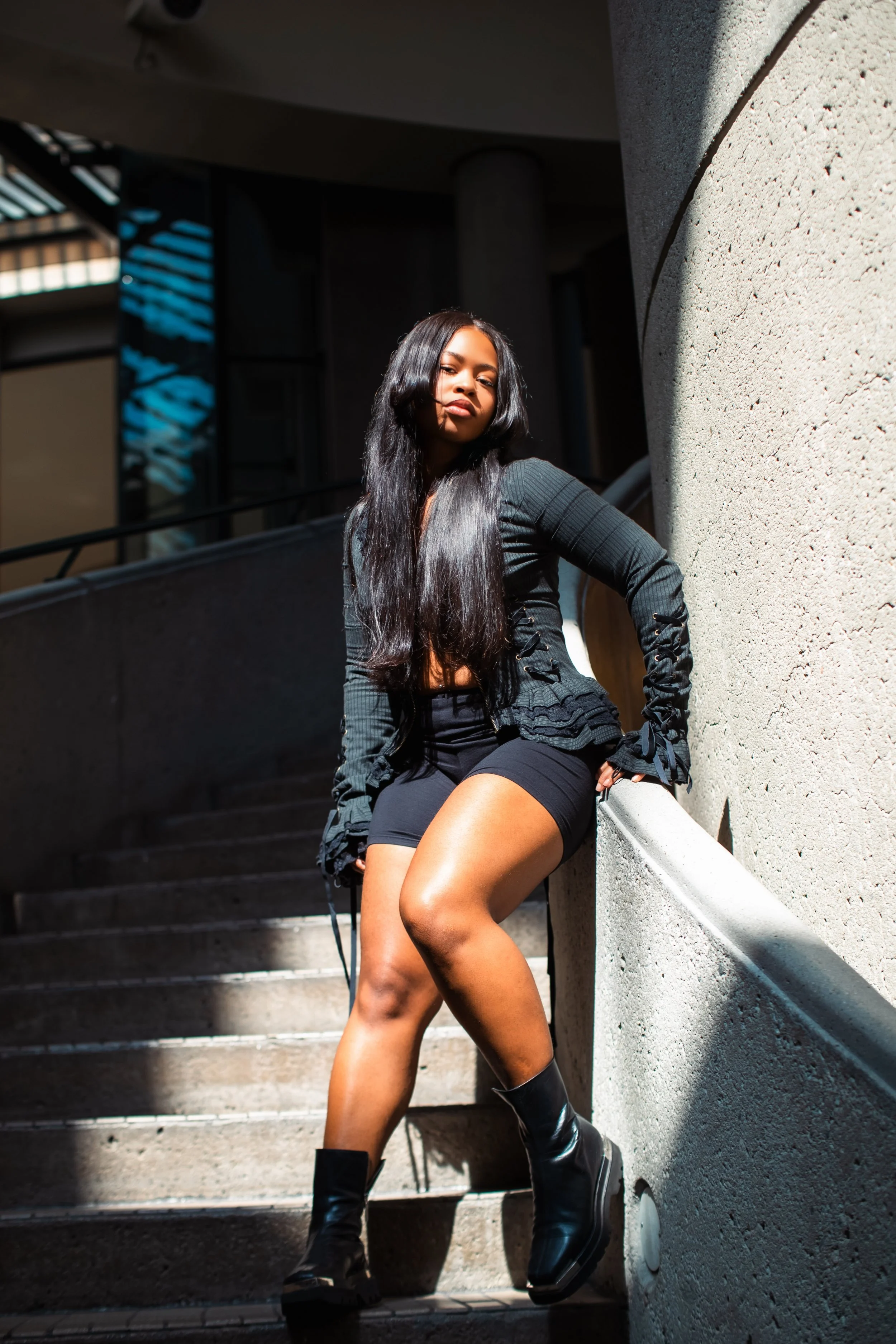
Photography by Emmanuel Camacho
Who do you feel like you are at this point in your life, beyond what people already associate with your name?
I think I am growing into a woman who enjoys a little bit of everything around her. By that, I mean I’ve been loving architecture. I always stop when I’m in New York to look at the buildings and observe the shapes, and I recently bought my own house in Detroit. That’s been a fun project. I love furniture. People don’t really know this about me.
Down the line, I see myself possibly getting into that industry. Another thing I’m into is fitness. Nobody really knows that either, but I’m a fitness girl. I feel like a little piece of everything I have some type of relationship with, even nature. I love nature, working out, and all things art. People assume and always put me in the category of the music side, but as far as visual arts, I feel like in the next 10 years, it’d be a really cool developed story where people say, ‘Sky Jetta was not just a musician artist. She was more creative all around.’
Having built so much of your identity through DJing, and now with Hoochie Palace, which asks people to hear you differently—what made now feel like the right time to step forward as an artist on the EP?
I think what took the progress, what it’s taken time-wise, is me figuring out my own sound and my own lane and how I can contribute to the music that I grew up with, which is the Ghetto Tech sound, and putting my own twist on it to a degree. That took time—years of becoming seasoned, traveling, and hearing other sounds in other places—bringing that into my own world, flipping it, and meshing it with a little bit of the Ghetto Tech sound Detroiters are familiar with.
When I lived in Chicago for a few years, I was introduced to Ghetto House, and then I lived in Atlanta. Now I’m in New York, so on the East Coast with all the club music. When you listen to Hoochie Palace, it sounds like a Ghetto Tech project, but it still has a lot of influence from other genres, and it took me some time to figure out what sound I really wanted to push. I’ve been making music for a long time, and I’m such a perfectionist. The music has been here; you guys are just now hearing it, but it’s been years in the making.
There’s also something quite evocative about the title. What does that phrase mean to you, and how does it capture the world you were building with this EP?
Hoochie Palace, the main idea started with me making a song. It wasn’t always an EP. So, I met with my producer, W$Kharri, who helped me co-produce this in Detroit. We got together and created ‘Hoochie Palace,’ the first song. It was just something fun, and it played as a double entendre where I see myself in the future as the queen of Ghetto Tech.
With Ghetto Tech being very raunchy and very explicit, ‘Hoochie Palace’ was another little bit of a metaphor in that full phrase of Hoochie Palace, and the palace incorporated the whole queen of Ghetto Tech motif. Hoochie Palace is a mythical place. So, envisioning what a Ghetto Tech party would have looked like in the 90s, I created this whole world of Hoochie Palace.
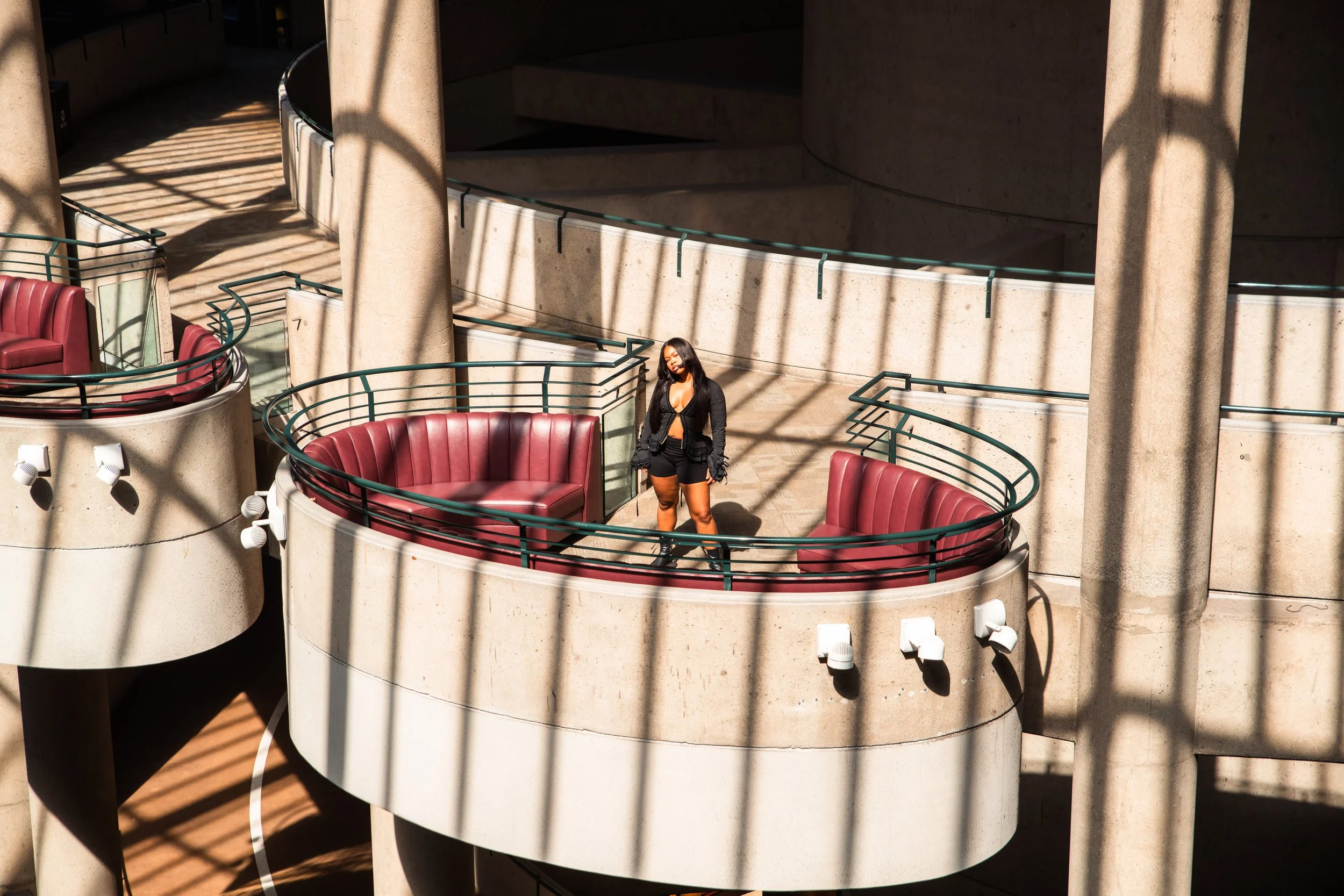
Photography by Emmanuel Camacho
It’s a short project, but it packs a lot of personality into the four tracks. When you started making it, did you already have a particular sound or a world in mind, or did that reveal itself as you went along?
It really revealed itself up until the making of our last song, ‘Passenger Princess.’ ‘Hoochie Palace’ was the first song, but the way the project is laid out from the first song to the last—that’s how we created it. Then it told its own story, but we didn’t have this concept in mind until the project was finished. We listened to everything, and we said, ‘Wait, this tells a story?’ Then, after all that storytelling, we came up with the intro track.
When you hear the girls walking into the club and they say, ‘We're on Sky Jetta’s list.’ It plays into the world of the girls going to the club on a normal Friday or Saturday night, and then ‘Hoochie Palace’ introduces the mythical land where it all takes place. ‘Make Some Mo’ keeps you in the moment; you’re having fun. It’s like that big banger climax record. ‘Passenger Princess is when things wind down. You’re getting ready to leave the club, and you’re waiting to hear back from your boo, so he can call you a car, and y’all can go and make some love, or however you see it.
Going from being the person creating the energy in the room all these years to now creating your own music, with no crowd in front of you telling you whether it is working. How do you know when something feels right?
I also think being a DJ lets you test out records before they’re released. I’ve been teasing records as I’ve been making them for like the past two years. I’ll have a track, we’ll get it as clean as it can sound, then I’ll likely play it on The Lot Radio. I’ve dropped a few tracks on The Lot Radio. ‘Hoochie Palace’ was actually one of them.
We posted the content from The Lot Radio’s set, and many people in the comments said, ‘What song was that?’ It actually was ‘Hoochie Palace.’ That's when I realized this track needs attention, and we need to build off it like the whole world. Getting feedback online and sneaking tracks in without telling people they’re my tracks has been a way for me to learn the cost of the streets and what they’re looking for.
Did making this project teach you something about yourself that DJing over the years never really had the opportunity to?
Production and making music in general have taught me patience because it’s a process. You go into the studio, and sometimes it’s hard to come up with a concept or the next lyric. It also taught me that community really matters in making music, and creating with friends has been crucial to me because being vulnerable in a studio with people I’m comfortable with is always number one. I’ve learned how to work with my peers, be patient with myself, and take my time. Music isn’t an overnight process; it takes time, and you have to really love what you’re doing and not rush it.
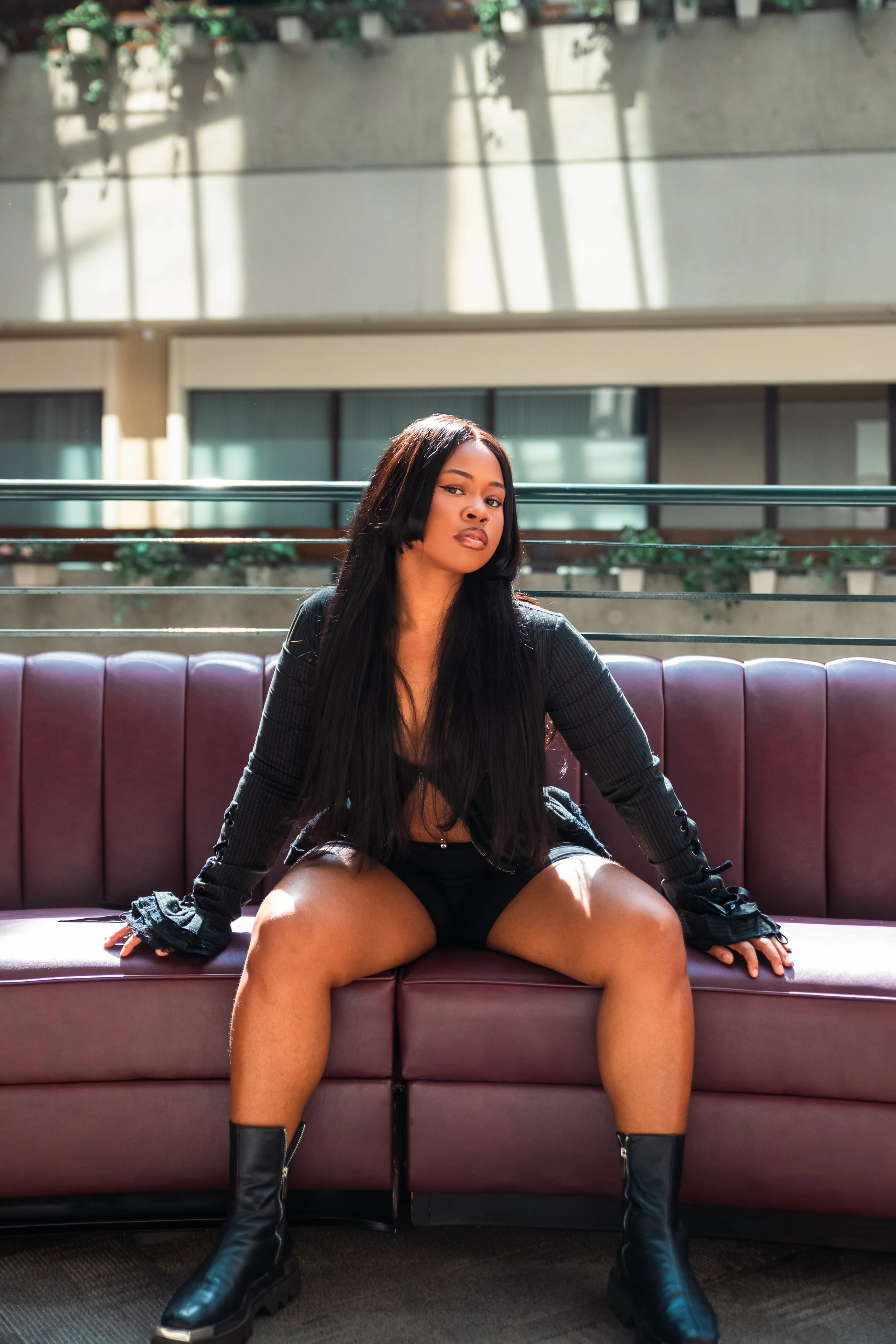
Photography by Emmanuel Camacho
There’s also something really interesting about going from playing other people’s music to eventually hearing other DJs play something you’ve made. What’s that been like for you?
Oh yes, people have been reaching out to me, or I’ve been seeing them play it in their DJ sets. Someone also told me something so funny: before the song even came out, I got a DM, and someone said, ‘Oh my gosh, I heard someone playing ‘Hoochie Palace.’’ I said, ‘How? It’s not out yet.’ Somebody ended up getting their hands on the record. Regardless, DJs are definitely showing love. They’re purchasing the music, which is also major because I’m typically always okay with sending out DJ packs so DJs can push the music. But they’ve been actually buying it and supporting it, and I’m so appreciative of that.
What made you want to bring W$Kharri on the project, and what did that collaboration unlock for you?
I wrote the lyrics for the majority of the project, if not all. When I wrote the lyrics he sings on that song, it felt like something a man would say, and since I’m a femme woman, I said, ‘You know what, Kharri, let me hear you say it.’ Since he wasn’t used to his own voice, he said, ‘I don't know how I feel about it.’ I said, ‘You sound great. It turned out really good. I said, ‘No, we’re keeping it. You sound great!’ I felt like it needed a guy’s touch on the lyrics to express what I was saying in that moment.
Do you think about the sounds you grew up on when you’re creating, or are those boundaries becoming less important to you?
As far as the music side of things, I think it always sticks in the back of my mind, growing up with these sounds and the vibes of the music. It’s always going to be a source of inspiration, but as I keep making music, I’m always open to experimenting, switching it up, and making it my own. ‘Can’t Be Friends’ is an electro bass record, and electro bass was also prominent in Detroit. I’m still going to dabble in that space too, because I know people are used to me singing on records. This is a total flip-the-switch situation where I’m doing the production and talking my mess on this song, on these songs.
What does vulnerability actually look like for you when you’re making music? Is it putting something deeply personal into a song or simply allowing yourself to make something without knowing how people will receive it?
It’s more the second part. I feel like naming a project Hoochie Palace is really risky, especially since I’m seen as such a sweetheart girl. Everybody sees me as a sweet girl. So, coming out and dropping something that’s mad edgy and very forward made me a little nervous. I was worried about it. You go from a song saying, ‘I want to fuck',’ and then that same record is like, ‘I’m moaning on it.’ The genre has a lot of different layers. I knew I had to either do it all the way or not do it at all. Because you can’t half-ghetto-tech it; that’s a genre where you have to be blunt and carefree.
As I said, collaborating with people who made me feel comfortable during the process made it easier; having those conversations with my team and getting their opinion about it. As a girl who works with a lot of brands, I said, ‘Oh my God, what are the brands going to think about it?’ Then they would mention that these same brands work with Cardi B and everybody else. I think I should let myself be me and not try to do what I think other people want me to do. I think it’s okay to have fun sometimes.
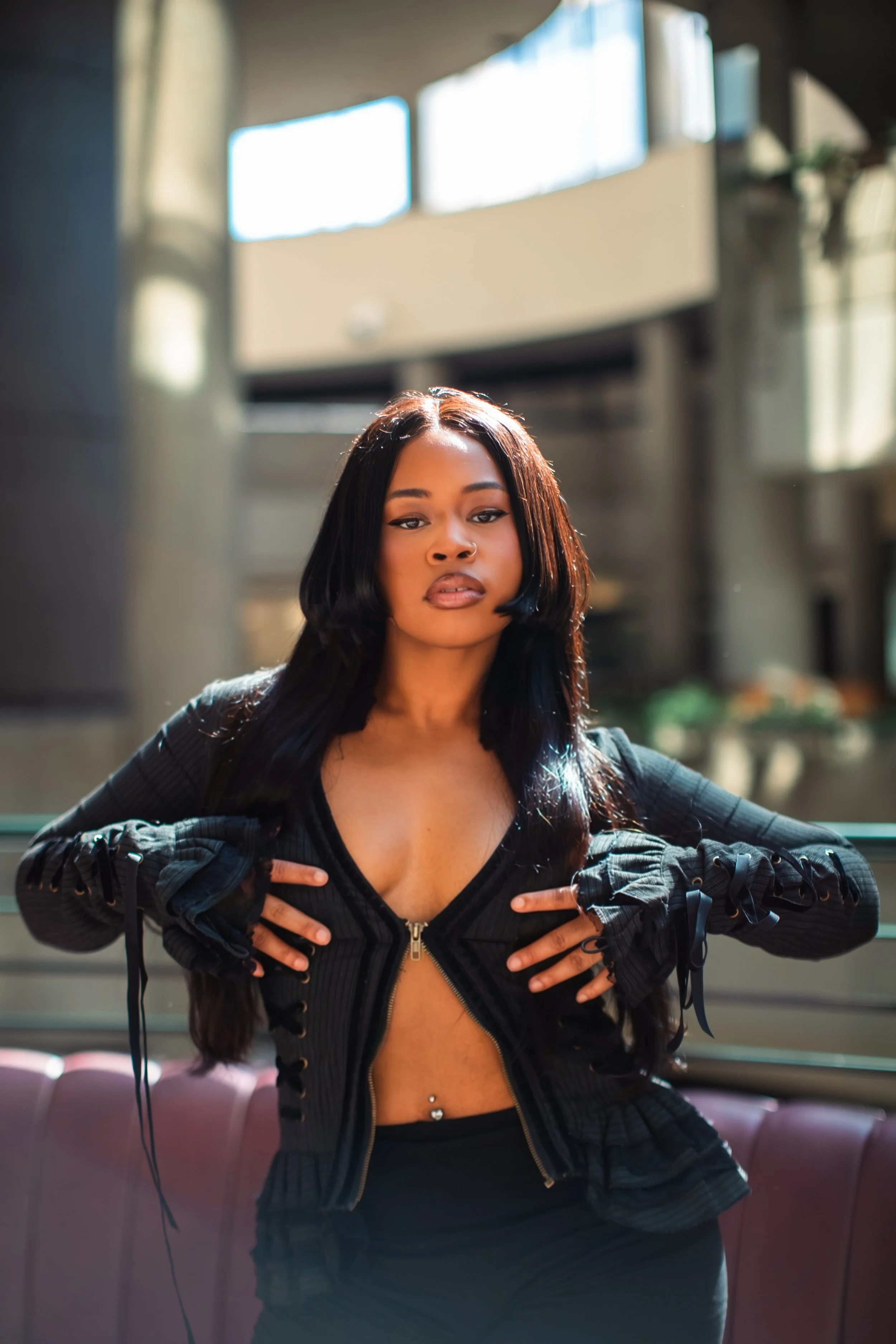
Photography by Emmanuel Camacho
What do you think people still misunderstand about you because they encountered you first as a DJ?
When I first started DJing, I really did want to be in this electronic dance space, but at the time I was in Detroit, Chicago, and Atlanta. I went with the flow and did open-format DJ sets. I played a lot of hip-hop, R&B, and a little bit of every genre in between. But as far as being a DJ, sometimes people assume I’m going to play for the room all the time, but I feel like, as an artist and DJ, I’m getting into the world where people are coming to hear me play how I want to play, come to hear me play my tracks, or hear Sky Jetta. I think it’s been received well, but I think it’s still going to be a good transition for some people who are used to seeing me play a certain type of music.
Who are some of the few people you look up to, or you could possibly want to collaborate with in the future?
I’m going to start with the producers who paved the way for this genre. definitely would love to work with DJ Godfather, who’s been a staple in this sound, as well as DJ Assault. He’s one of the pioneers in this sound, and I’m going into the Chicago world of this Ghetto House, because I know Ghetto Tech and Ghetto House are similar, but you have to have your own language.
I would love to work with DJ Sluggo, but if I had to say where I want to take Ghetto Tech and how I want people to collaborate with it, I would love to do something raunchy with Rihanna; I think that would be really crazy. My goals are to take it mainstream, produce, and get features from mainstream artists to put Ghetto Tech in a different bracket.
Is there anything new or in the works the fans can expect in the meantime?
You can expect Hoochie Palace to go on tour this fall. It’s going to be fun. It's going to be very Black and femme. We'll prioritize it as a space for us to have a good time. A lot more music is coming, too.