Somadina is Everything
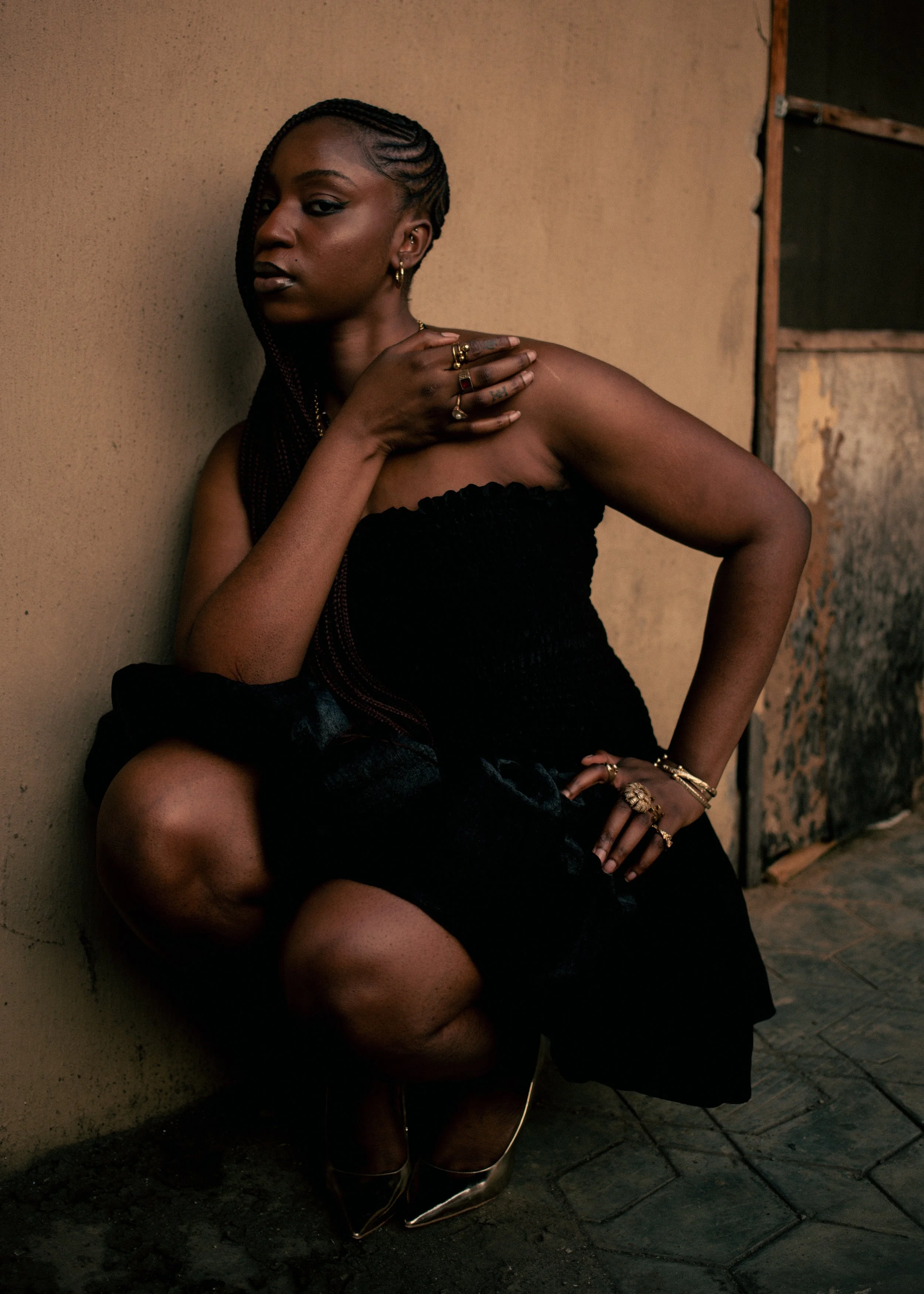
Image Courtesy of Somadina
At any given moment, Somadina’s stardom feels inevitable. I thought this in 2022, using this same grounding word, ‘star,’ in the wake of her earlier project, Heart of the Heavenly Undeniable. Then, she was 22, and her music traced multiple edges of genre and vibrant freedom. Heart of the Heavenly Undeniable was bushy-tailed and wide-eyed, colorful and unrestricted.
An added layer of synchronicity came in that moment, too. Somadina was the first artist I interviewed for a major publication, and there was a sense of surety and freedom back then, both in her and in me. Now, years later, I notice this same, unintentional symmetry again.
In trying to make sense of 2025, I kept returning to an idea offered by a tarot reader, alchemizing pain into power. With Wahala Princess, Somadina embodies that through contrast, assertion, and earned authority. The scales have fallen. Wahala Princess is a deliberate and clear offering of true liberation. Three years on, I speak to Somadina again and ask: Is this a reintroduction, or an arrival?
I interviewed you a few years ago for AFROPUNK. Are you still reintroducing Somadina, or are you done with that?
I feel like I’ll always be reintroducing Somadina. There are so many parts of me I think the world deserves to see and experience. Wahala Princess is a new character in my universe. She still has qualities from each era, but as time goes on and I grow, I become more resilient and more assured in the vision I have for myself.
There’s a real boldness in this project. It comes out on stage and in your sound. Can you tell me about the birth of Wahala Princess and what the transformation process looked like for you, sonically and personally?
Wahala Princess was born out of many painful but necessary experiences. I almost died at a point in my career. I lost family, friends, and my team. It was a hard time, but it forced me to take a good look at myself and decide how to do better and break cycles. I think Wahala Princess is me steering the ship finally. I’m not depending on anyone to make my dreams happen. I’m doing it afraid. I’m exploring all the crazy ideas in my head within music and outside of it.
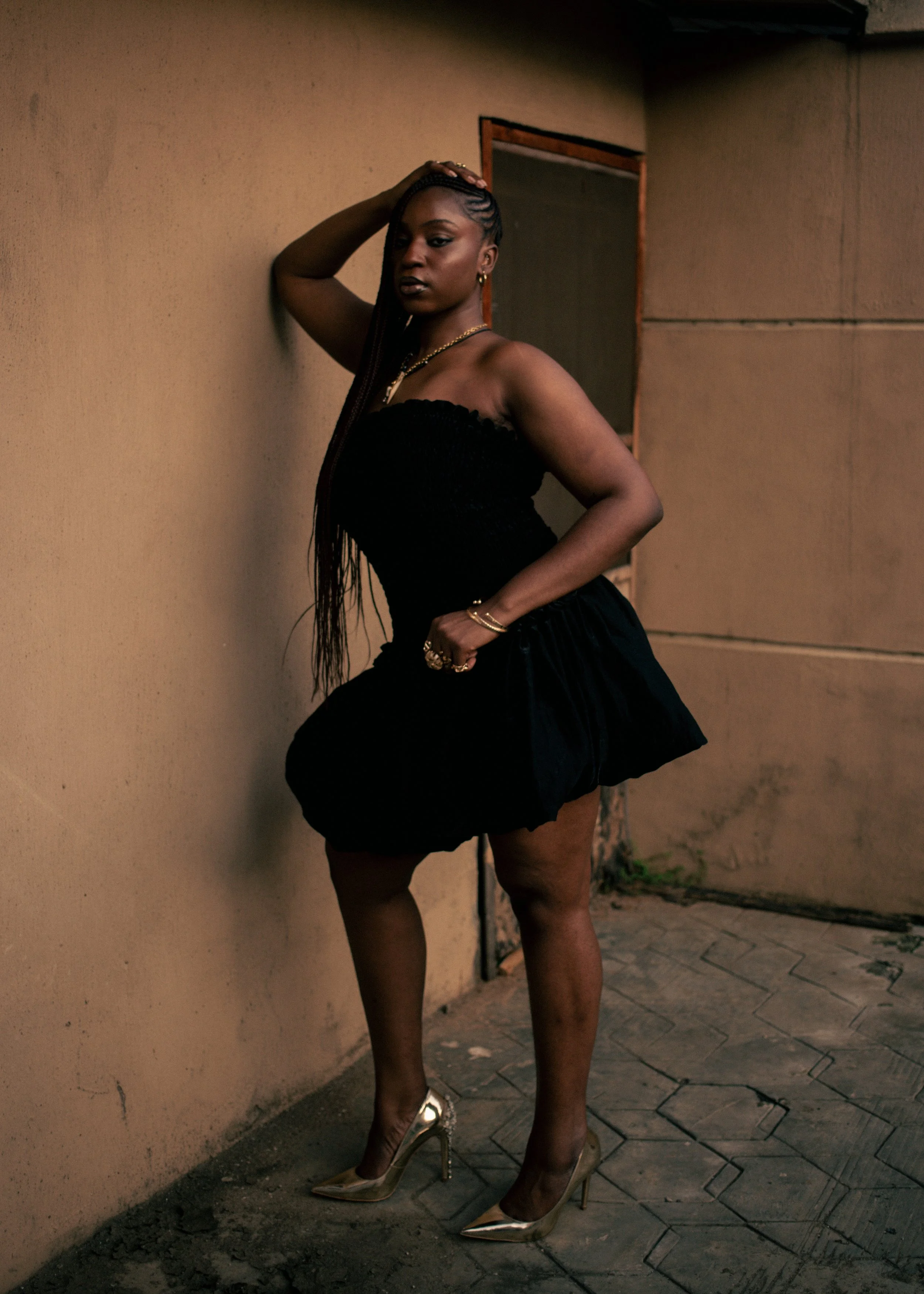
Image Courtesy of Somadina
Does Wahala Princess feel like an expansion of you, or more of a confrontation with yourself?
I think it started as a confrontation with myself and my demons. God pushed me to take back control of my life. I’ve been sober for over a year and a half, working on my discernment and making sure the people around me align with where I want to go. The expansion came after.
I found myself in politics, working with kids from underprivileged backgrounds, doing National Youth Service. I started to realize that a huge part of my purpose lies in service. That’s also informed my sound, or at least my vision within music. I always wanted to be the center of the universe I create, but now I realize it’s not all about me. I have a responsibility to help and heal others.
I’m really drawn to how your music holds emotion. I always say I hate three things—shame, failure, and embarrassment. As someone in the public eye, how do you navigate that, and how does it shape your process?
Well, firstly, thank you, that’s such an interesting ask. I’ve experienced shame, failure, and embarrassment. Even just coming out and saying, ‘I lost everything, but I’m still here, and I’m going to try again,’that takes a lot of courage.
I can be very emotional, I have big feelings, but now I’ve learned to navigate them safely because I’m leading a team and an army. I don’t have the luxury of staying in my feelings too long or acting on them impulsively. I still have days where I feel overwhelmed, but that’s where true connection comes in. I love my family, and I think they have been a great support for me in times like that.
There’s a strong sense of rebuilding and defining yourself in this project. It feels like you’re stepping into control across different parts of your artistry. What did this teach you about yourself and your creative independence?
It definitely taught me that I’m capable of doing more. It’s funny how frustration pushes you toward independence. I was tired of waiting on people, so I became more hands-on with everything regarding my craft. I started editing, designing, accounting, managing, producing, and directing.
It’s a lot of work at times, but being able to see what you're doing in real time and then the final output? It’s so rewarding. I still think there’s more unlocked power within me, and I hope we get another chance to talk about it in the coming years. But I’m being patient with myself this time. I can do anything I put my mind to.
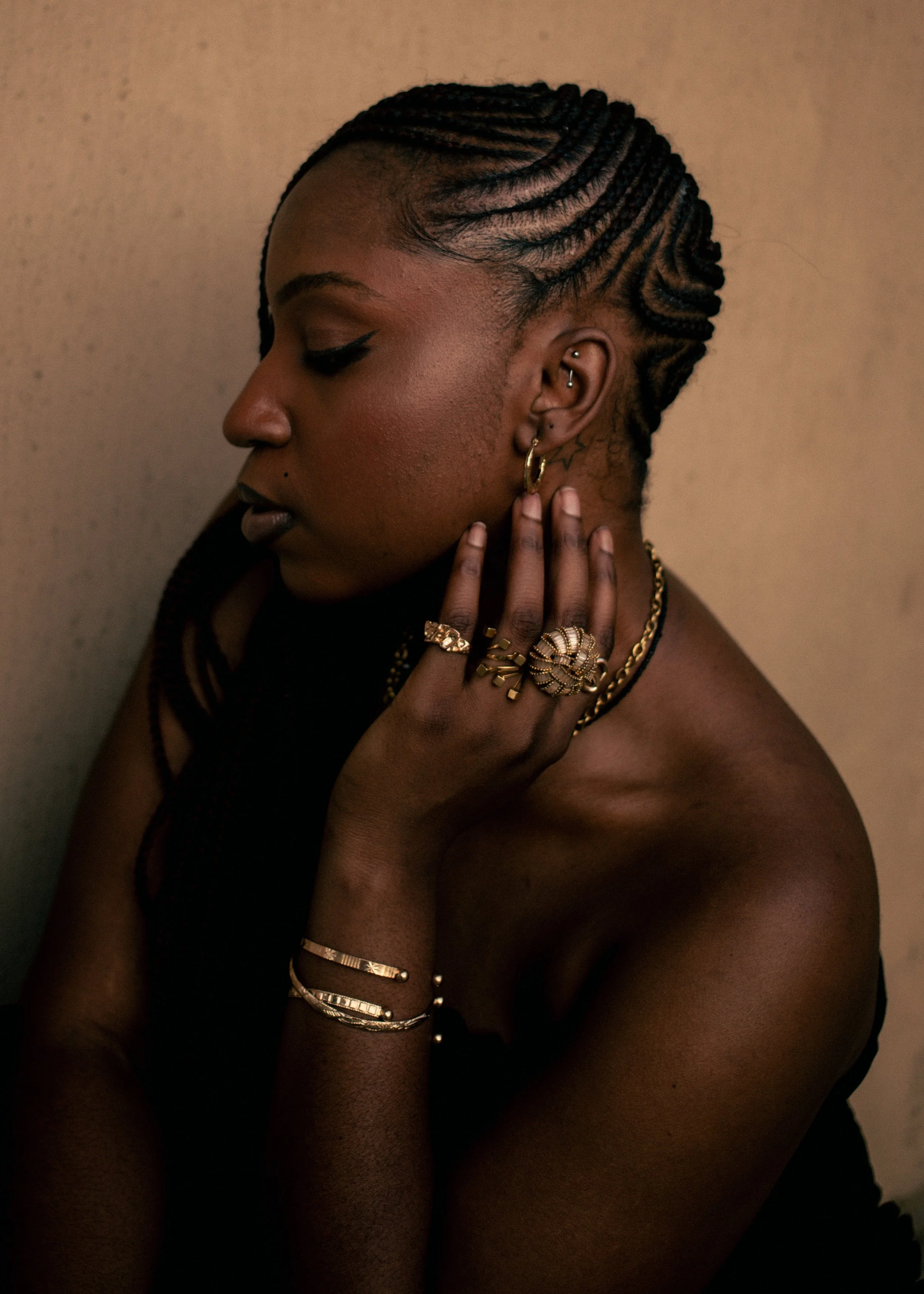
Image Courtesy of Somadina
You once described music as a playground. Does this still hold true for you now?
It does, but now I also see music as a weapon. I feel like I have 20/20 vision now—I’m actually a woman. Before, I was just having fun, now? I’m on a mission. Wahala Princess was definitely me taking a bolder, more comfortable step into my Nigerian identity. It's the first time I’m comfortably speaking pidgin in my music.
I talk about how some experiences hurt me: ‘I comot for city, dem no even see me, dem no even reach me’—but also how they didn’t break me. They turned me into a soldier. That's why there’s also a lot of camo in this era. I feel like I’m a creative chameleon, and I can be more than one thing. I was sleeping on couches and floors just last year. This year, I’m selling out pop-ups and doing political work. I’m creating a lane that is unique to me. Politician by day, popstar by night type.
Why Wahala Princess?
I love juxtaposition and two extremes. I feel like I’ve always been a very contrasting individual—hard and soft, tough and vulnerable, sweet but dangerous. GMK gave me the name during the Supersoma era, and it’s always kinda stuck with me. Wahala means ‘Trouble or Chaos’ in Pidgin. I think pairing that with Princess really defines the scope of who I am. Even though I’m stubborn, I carry myself like someone who deserves to be here. I can be both things. I can be everything.
Do you have a favorite track on the project?
Today, I think it’s ‘Don’t Suffer’ with Winny.
You’ve been associated with the alternative scene; does that feel accurate to you?
I used to be very rigid about that. I didn’t want to be labeled ‘alternative’ or boxed in, really. But now I’ve accepted that I’m part of every space. I can exist in multiple worlds. I don’t mind any title placed on me right now, because eventually I’ll create a space that’s distinct to me.
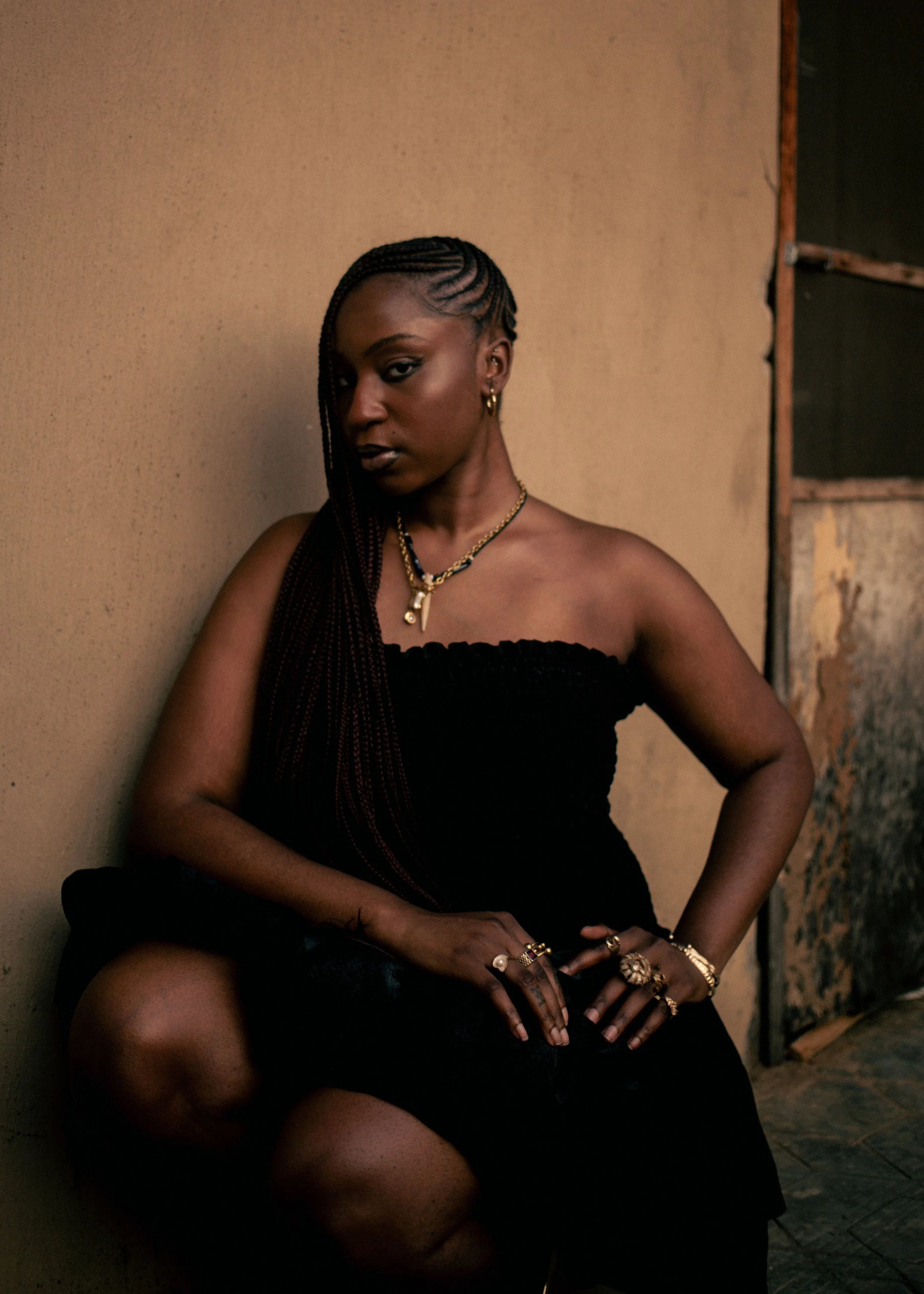
Image Courtesy of Somadina
Nigerian culture is such an aesthetic minefield right now, innovative across music, fashion, and art. What does it mean for you to navigate these spaces authentically without flattening them?
For a long time, I felt a bit out of place as a Nigerian. I grew up in the Netherlands and went to school in the UK. But working in politics, moving to Abuja, and interacting with different communities in Nigeria, it’s made me more comfortable with my identity. At the end of the day, I only have one passport, and it’s green. I was born in Port Harcourt. I am Nigerian through and through, and I deserve to express that in a way that feels safe and authentic, which is what I’m doing now.
Was there ever a moment making this project where you thought, people might not like this, but kept it anyway?
Most of the music I’ve put out recently was never intended to be released. I had a completely different project planned, but with everything that happened, this one felt inevitable. Mav and I have always loved creating together—not for consumerism but just for the sake of art and escapism. I don’t really think about the people who won’t like my music. It’s an offering to those who need it. I can’t be loved by everyone, but I’m loved deeply by my army, and that’s enough for me.