BAM is Empowering Afro-Cuban Revolutionaries’ Storytelling Through Film
From February 20 to 26, the Brooklyn Academy of Music (BAM) is showing films from the ‘60s through the ‘90s, a significant period for Black Cubans post-revolution
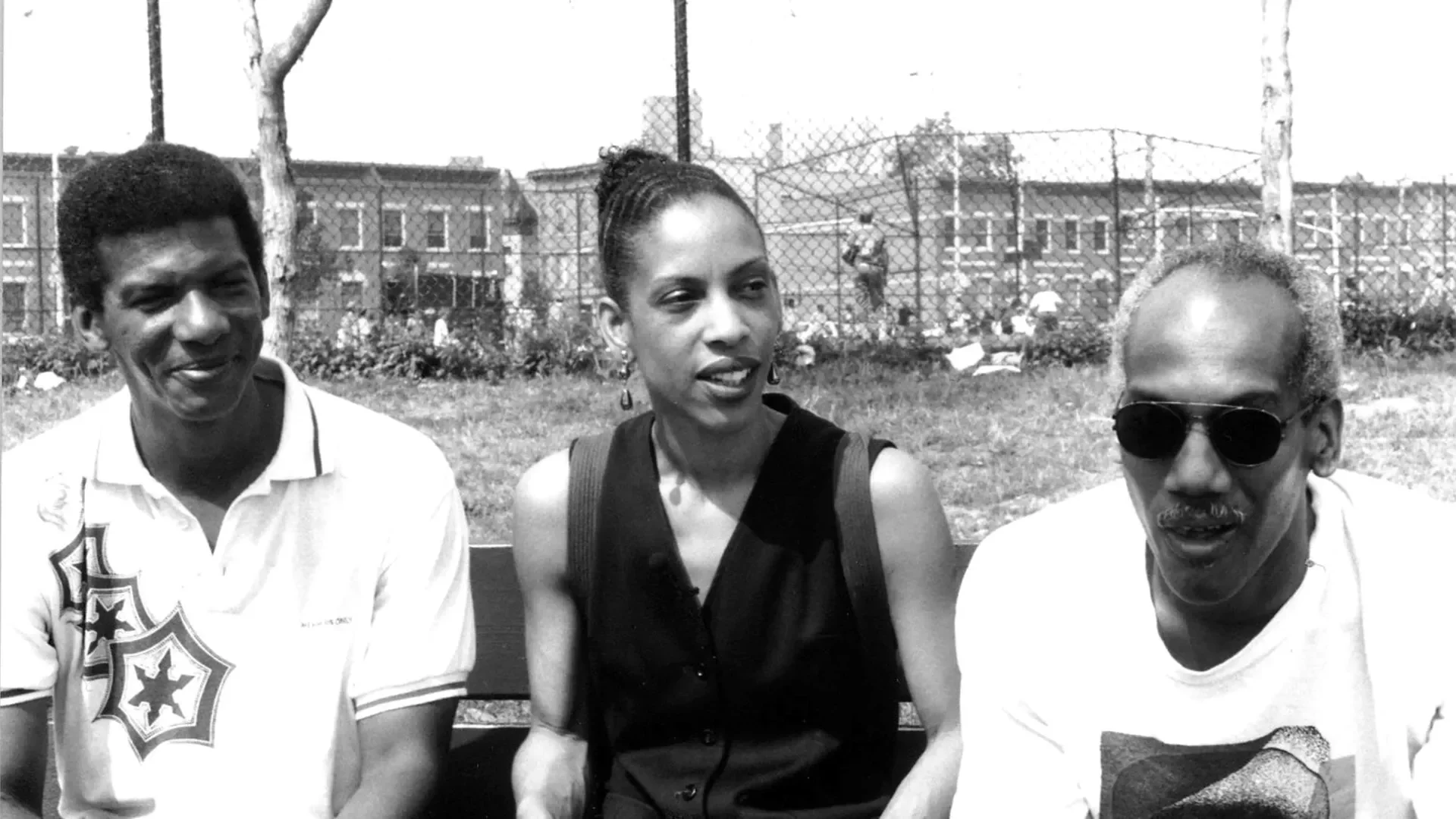
Image Courtesy of BAM
Cuba has a long, resilient history when it comes to cultural and political movements, especially with the United States. Afro-Cubans, especially, have faced, and are still facing, colonization, enslavement, and resource theft among the island.
Currently, the U.S. has a blockade against Cuba and its oil, causing Cubans to have a systemic collapse of resources, energy, imports and exports, and the country’s healthcare system. The U.S.’s hostage of Cuba’s oil supply leaves Cuba running on fumes. Countries like Canada, Mexico, Russia, and Venezuela are sending Cuba resources, yet they still need oil to properly function and thrive as a nation (as most countries do).
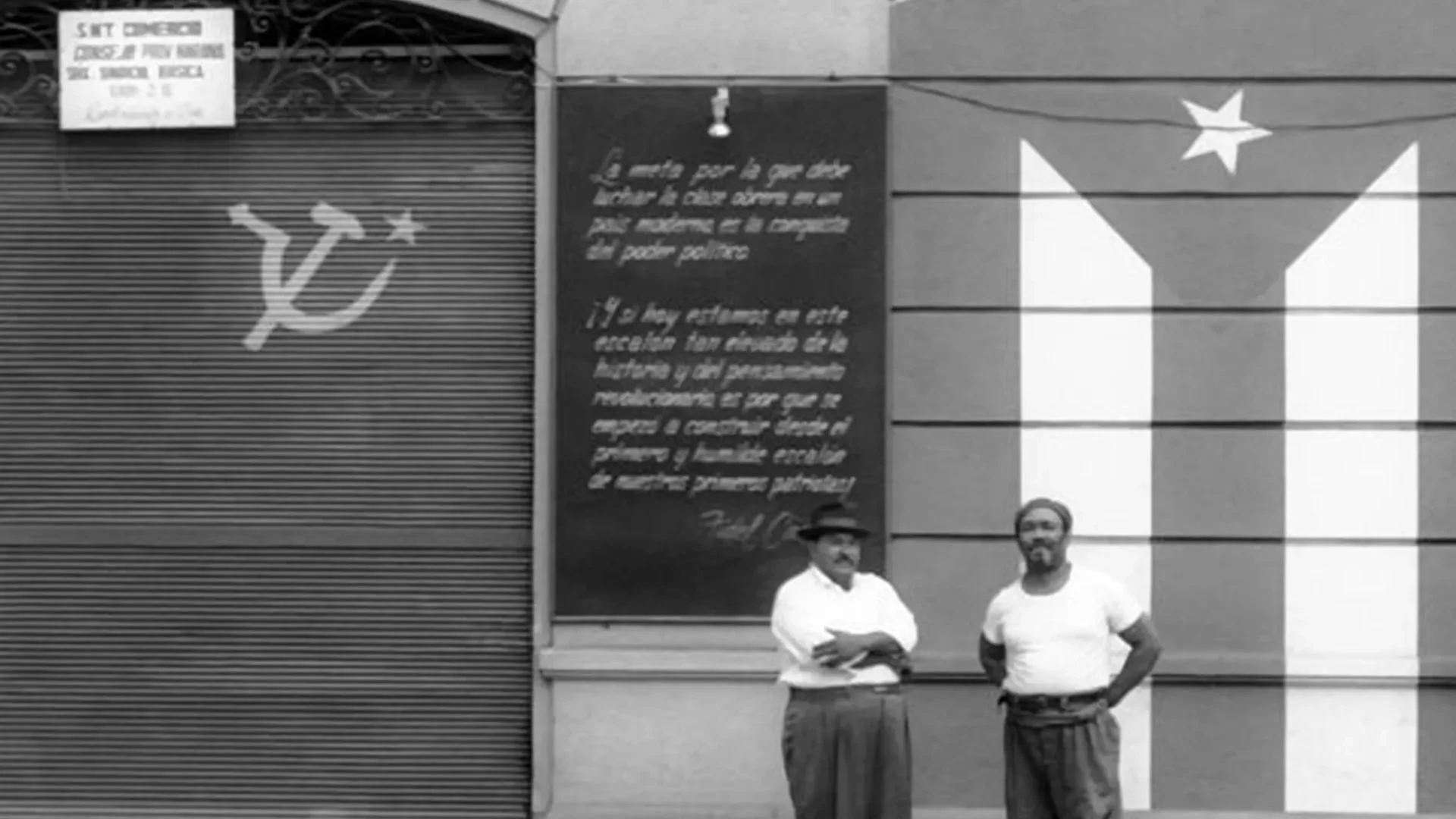
Image Courtesy of BAM
While they still face revolutionary and environmental racism, Black Cubans are renowned for reclaiming power, social mobility, and representation after the 1959 Cuban Revolution. Because of this, many non-Black Cubans migrated to Florida, and brought their regressive politics with them. From February 20 to 26, the Brooklyn Academy of Music (BAM) is showing films from the ‘60s through the ‘90s, a significant period for Black Cubans post-revolution. Programmed by Yasmina Price, the films emphasize that cinema served as a form of resistance.
The films confront topics: Women’s Stories, Family Memories, Afro-Cuban Music, Migration and Movement, Cuba and Haiti, and more. Films include Mi Aporte (1966), De Cierta Manera (1974), Maluala (1979), and A Tribute to Assata: Eyes of the Rainbow (1997), among many more. You can visit the BAM website to see when and where the films will screen, as well as conversations with Afro-Cuban filmmakers and BAM curators.