Silk’s Woman-Like Strength: Mona Bozorgi on SCAD MOA Exhibition, ‘Strain and Strand’
The exhibition is on view until May 17 at the Savannah College of Art and Design’s Museum of Art.
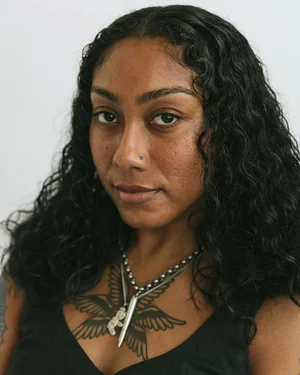
For years, Mona Bozorgi’s interdisciplinary artwork and research have attested to the resilience, strength, and resistance of Iranian women through photography. The Iran-born artist and scholar explores the concepts of representation, objecthood, and gender, and how they converge in both art and the real world.
In her newest exhibition, Strain and Strand, Bozorgi links photography, sculpture, and fiber arts to analyze the imagery Iranian women portray, examining representation, sociopolitical movements, autonomy, misogyny, censorship, oppression, and what it means to fight back through empowerment. This exhibition is an expansion of her previous body of work, Threads of Freedom.
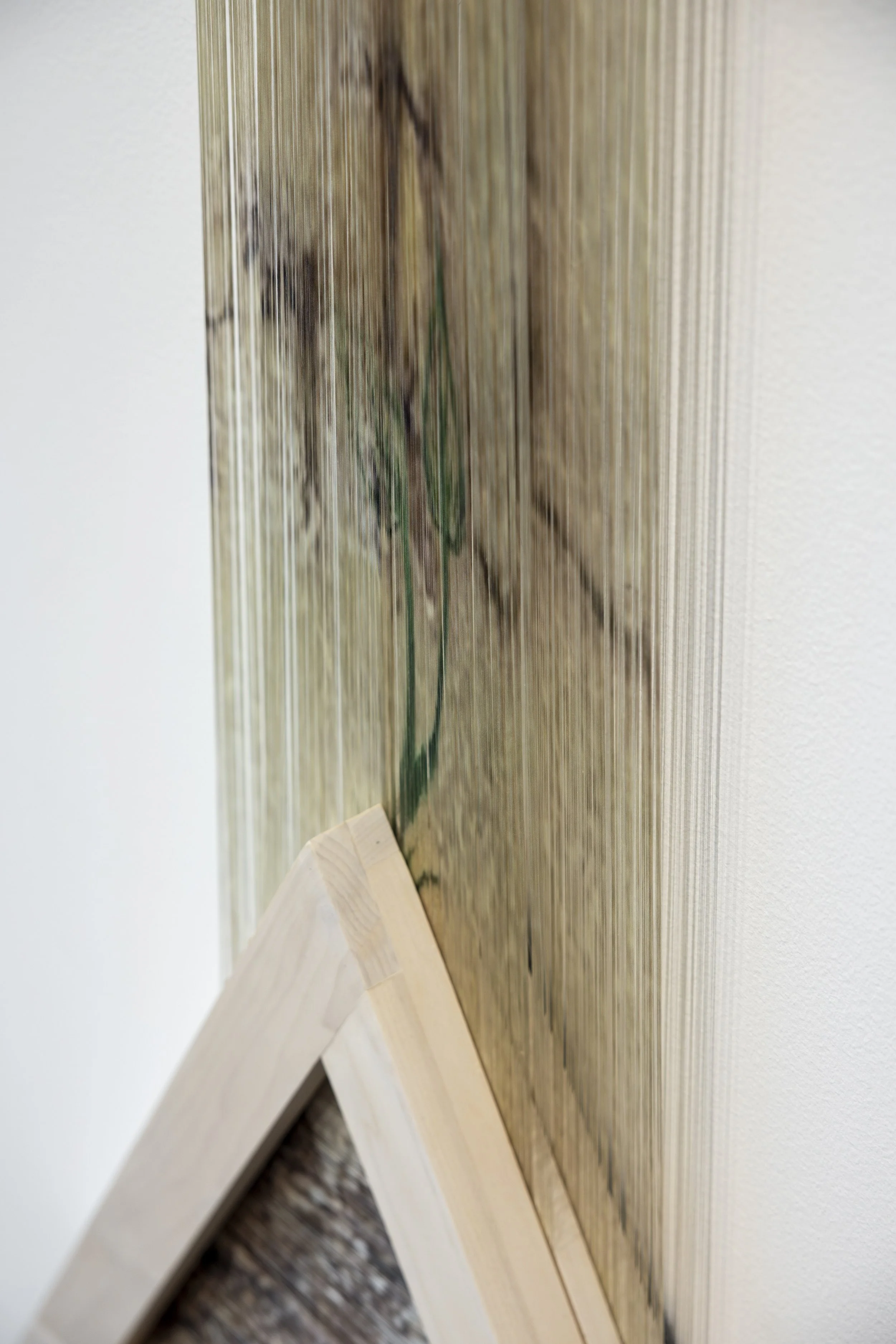
Strain and Strand, on view at the Savannah College of Art and Design’s Museum of Art’s deFINE ART exhibition until May 17, comprises printed photographs on individual silk strands, held together by wooden frames that evoke daguerreotype cases. The silk strands are achieved by unraveling them, then reassembling them to create the optical illusion of the photograph, perfectly visible when you stand directly in front of it and slightly distorted when viewed from different angles.
The photos on the silk display selfies of women protesting government-mandated hijabs and headscarves. The daguerrotype-inspired cases symbolize imagery on a cellphone screen that emphasizes the implications of vulnerability and reclamation on social media. Silk is one of the strongest materials in terms of tensile strength, mirroring women’s strength, both individually and as a community.
Bozorgi spoke with 1202 MAGAZINE at SCAD MOA’s deFINE ART, diving into Strain and Strand, the impact of art politics as an Iranian woman living in the U.S. during political tension, unrest, war, and how she depicts the difference between the Iranian people and the Iranian government through art.
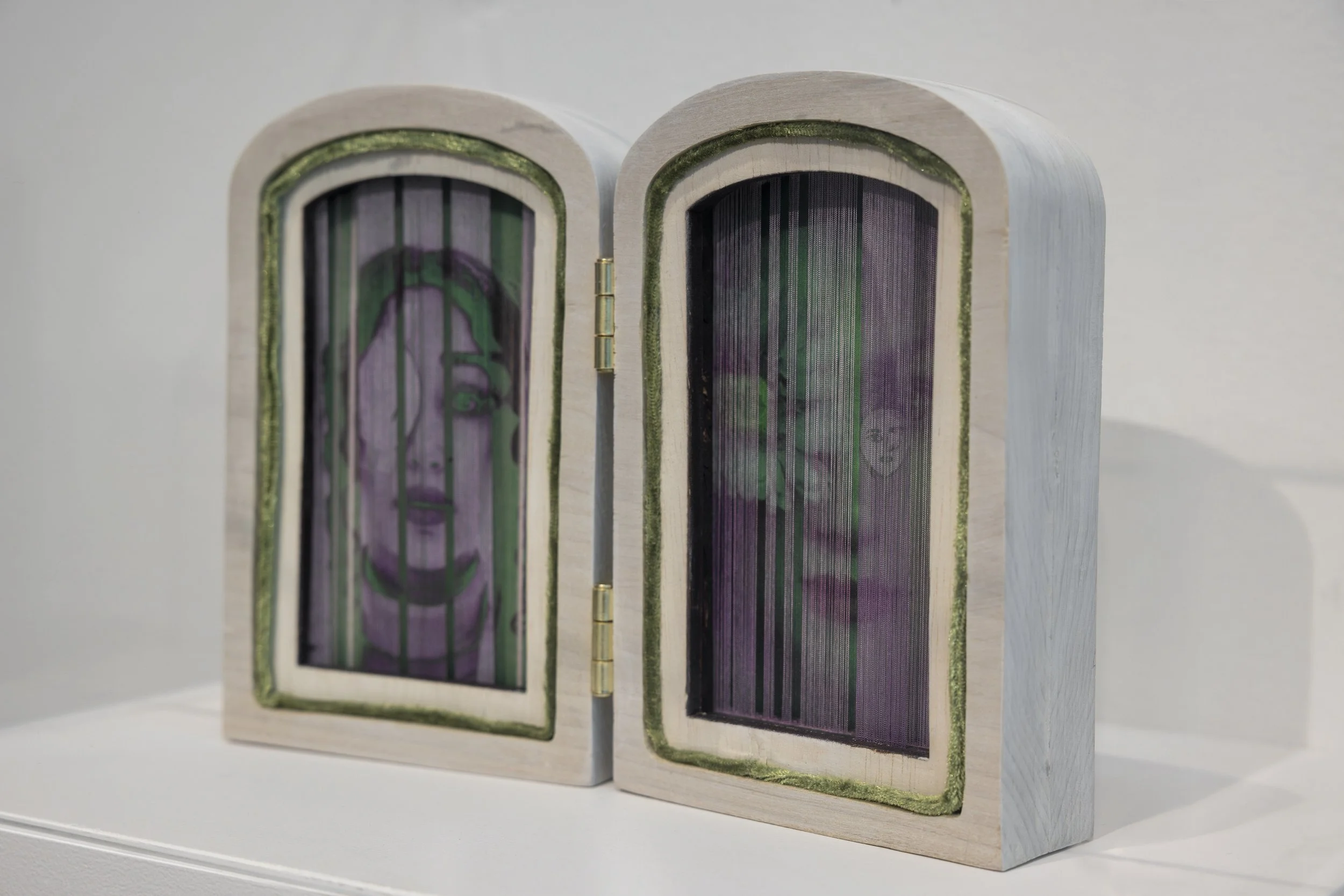
Image Courtesy of SCAD
What is the story behind Strain and Strand?
This is another part of my body of work for Threads of Freedom. I wanted something that represents both the concept of my show and the material. I thought about how I work with silk thread because it’s one of the strongest threads we have. So, I compared it metaphorically to the strength of Iranian women.
This exhibition intersects photography, sculpture, and fiber arts. What was the process like, and what challenges did you face during that?
I don’t see myself as a fiber artist, but I was a very energetic and loud child. During the summer as a child, my grandmother kept me busy by teaching me embroidery, crochet, and sewing. That was my experience with fiber art, which was very valuable. Now that I’m looking back, she taught me something uniquely hers about oral history and the body knowledge she carried. She transferred that knowledge to me.
I was really excited about the materiality of photographs. My previous body of work was a lot of printing, cutting, folding, and rephotographing. I thought about how I can use photographic media to critique the media itself. I wasn’t in Iran at the time, but the work is related to the Women, Life, Freedom Movement that took place there in 2022. I was seeing so many images on social media that were both overwhelming and empowering.
I wanted to participate, but I couldn’t go to the protests because I’m in the U.S. I kept asking how I could be part of the movement, since they were doing everything, and I felt like I was doing nothing. I needed to create a process for myself that is a form of protest. Silk has covered hair and bodies in Iran for over half a century, so I wanted to use that fabric to reveal those images.
The images were about the idea of self-representation, and there is so much power in looking. This is the way they want to be seen. There is also a strange history of photography in Iran. Photography reached Iran early, three years after its invention. The king at the time built the first photography studio in the palace, but he photographed his wives in the harem, so most of the photographs objectified and sexualized the women.
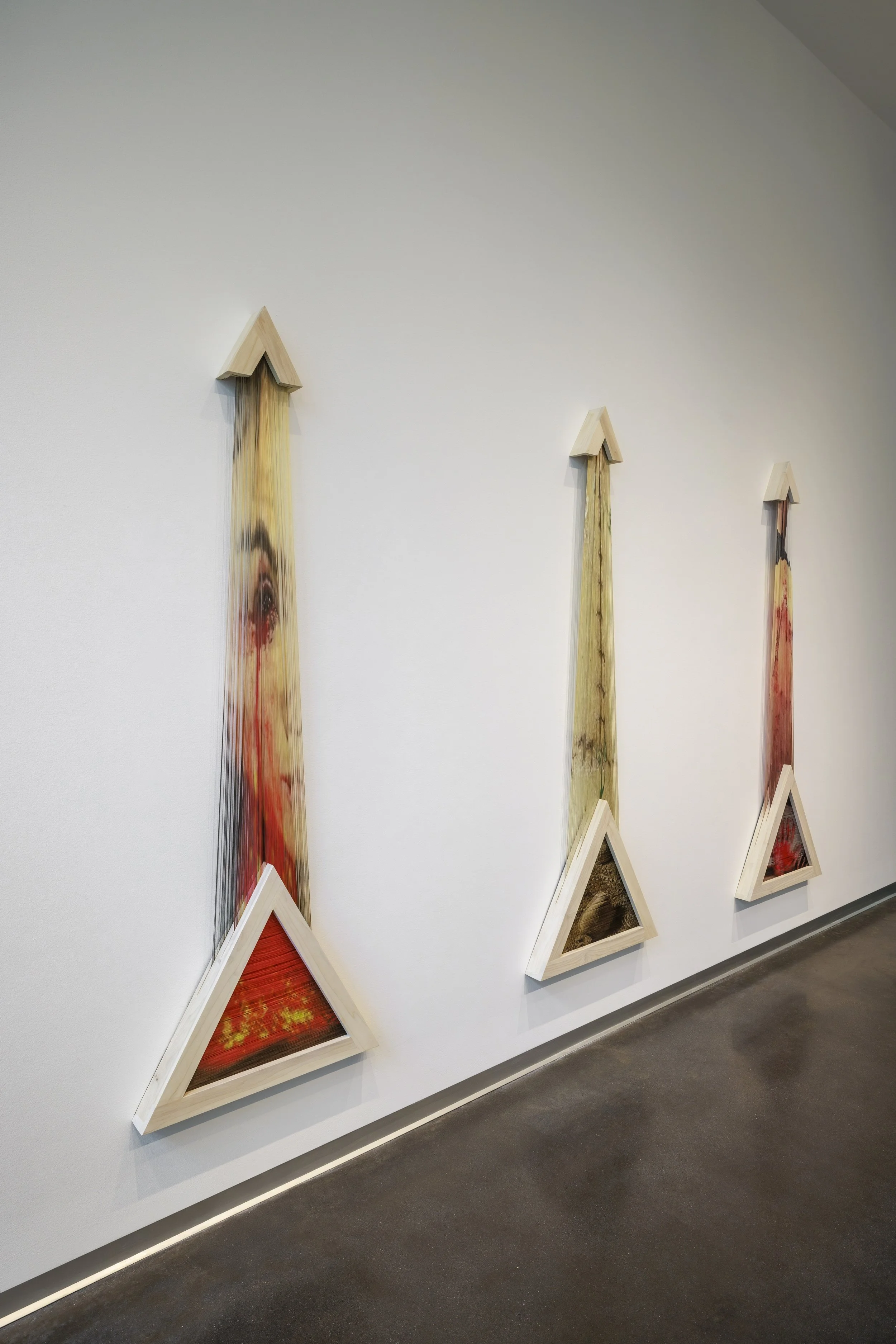
Image Courtesy of SCAD
How do you convey womanhood, autonomy, and liberation through Strain and Strand?
I think it relies on stories. Many of the women are taking selfies, removing their hijabs, which is a lot of risk because that’s a crime in Iran. Women are finally going into the streets without a hijab because they fought for that freedom. Many of the women took selfies of their violated or tortured bodies in prison. Many of them lost their eyesight because of the shootings that happened during the protests. It shows their strength and their desire to take back their lives. I’m more of a facilitator or collaborator. I don’t really own the work.
So, you want the women themselves to be the main focus of the art?
Yes, I’m sharing agency with them. The thread is limited; it only shows vertical and horizontal lines. I need to work with the thread to create the image, so I believe in the shared agency between the human and the material I’m using.
When did you move from Iran to the United States?
I moved in 2015. I came to Savannah to study my MFA at SCAD.
There’s a lot of political tension between the U.S. and Iran. How has that shaped how you’ve made art since you moved here?
It makes me sad because my family still lives in Iran, and there are huge differences between the Iranian people and the Iranian government. This is the only help I have that people understand. These are two different groups of people, and I have a lot of uncertainty and fear about the war, and so many issues.
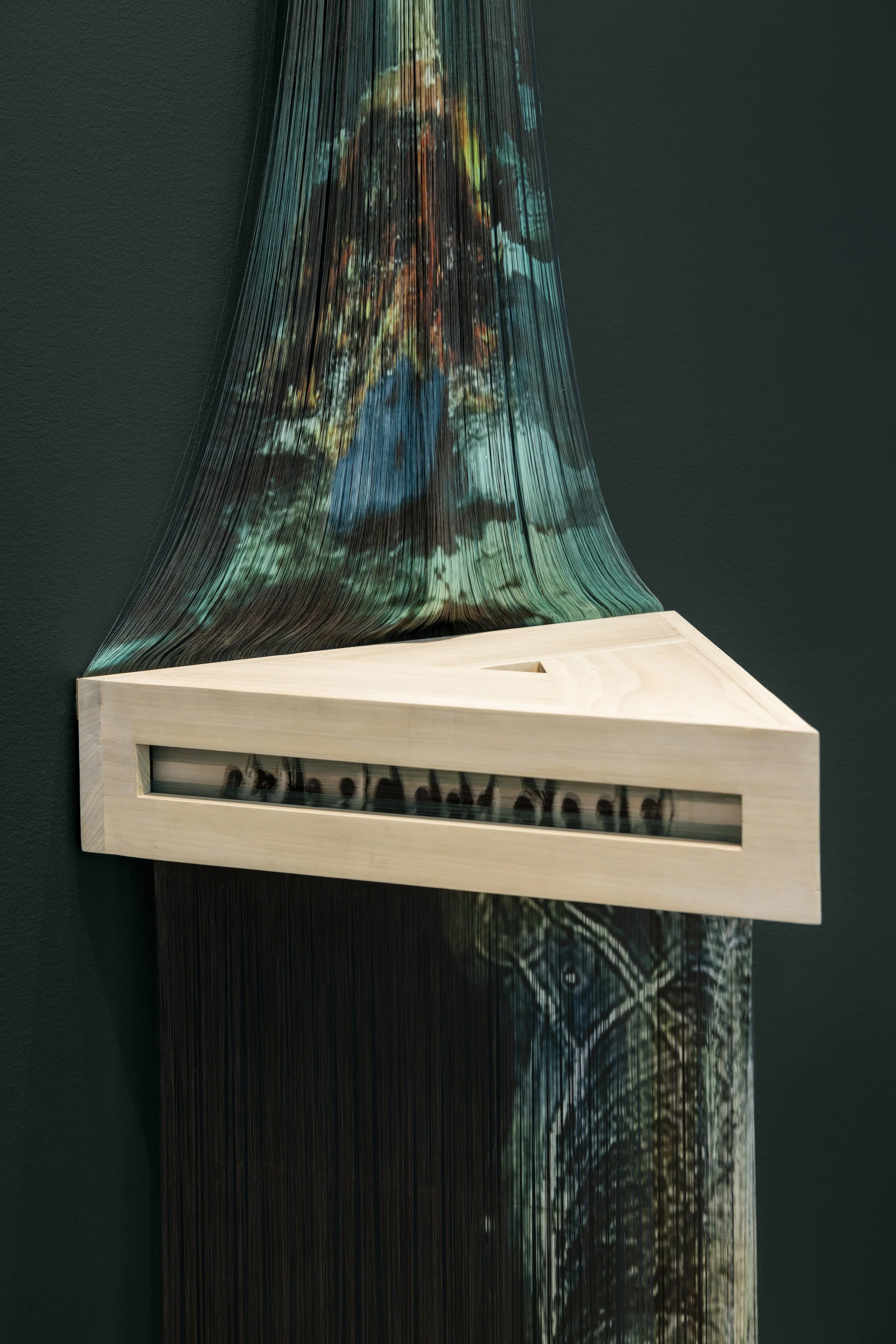
Image Courtesy of SCAD
How does Strain and Strand expand on your previous series, Threads of Freedom?
I see them as the same process, but I started using boxes to hold the photographs, and they’re referenced to daguerrotype images. In the past, photographs were printed on copper plates. The other side was a well-made fabric with a cypress pattern. I also wanted to refer to the accessibility of photography shared on social media. Everyone can take a selfie and post it, which has both positive and negative aspects.
It’s very inclusive to hear about Iranian women, so that’s important to me. I feel the work is evolving, adding more elements and thinking closely about its connection to the history of photography in Iran. I’m really obsessed with it because the history of the king becoming a photographer and controlling the narrative is so strange.
What other materials or elements do you want to use in the future that continue this theme?
I’m seeing what’s happening right now in Iran, and I think about how I can change the work and create new innovations for it. I’m really obsessed with sound elements, and I’m thinking of incorporating a video recording of shotguns and action in the streets. I want people to be affected by the photographs and the women in them. Something that’s happening between us and the photographs is always important for me. I’m also thinking about bringing light projection and sound to some of the pieces.