Girlhood, Nostalgia, and Fantasy in Farah Al Qasimi’s ‘Psychic Repair’
The exhibition is on view at SCAD MOA until June 7.
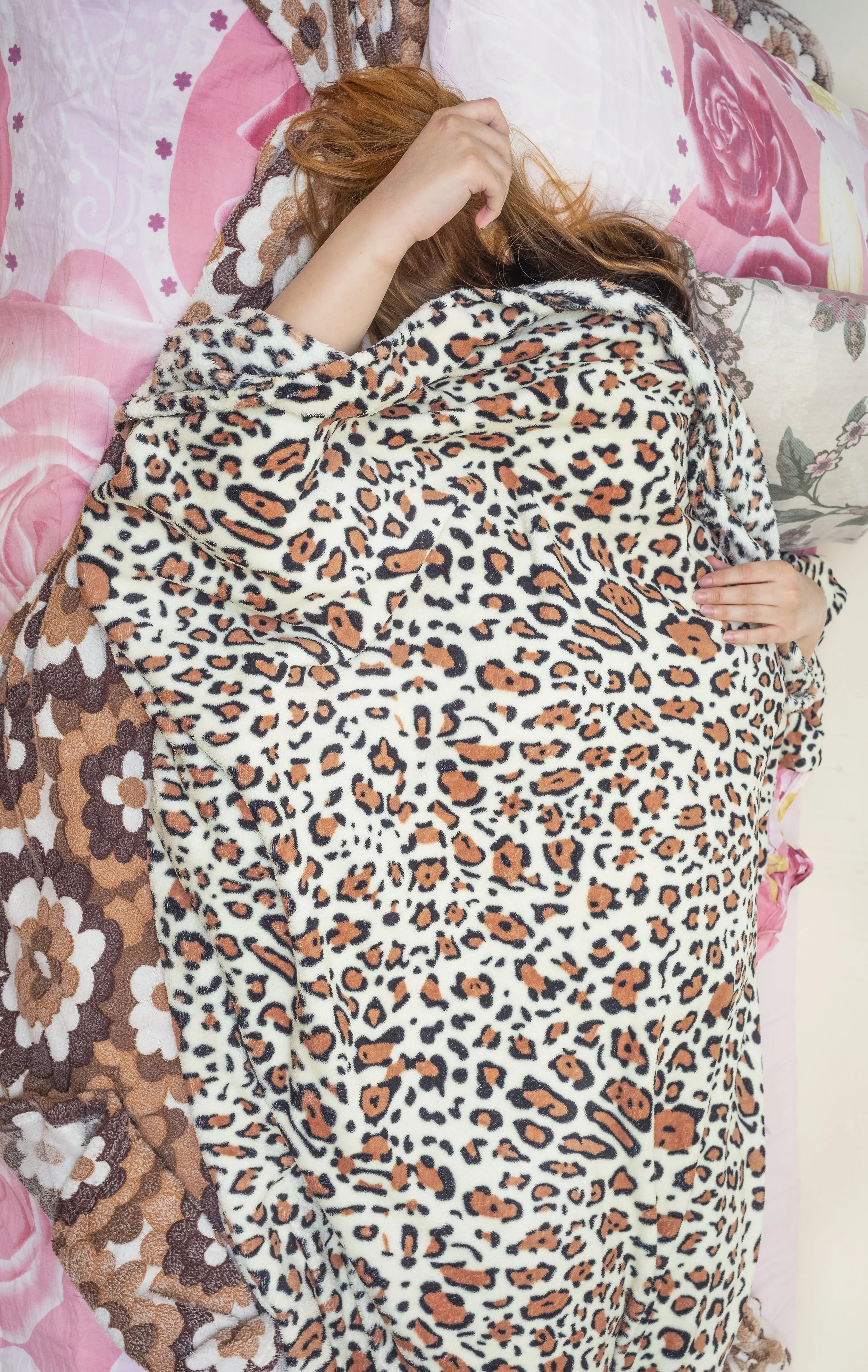
Image Courtesy of SCAD MOA
There’s a thin line between girlhood and womanhood—but what separates the two? Regardless of age, we are often on a continuous journey of self-discovery and returning to a place of nostalgia and fantasy that bleeds girlhood into womanhood. Artist Farah Al Qasimi’s exhibition, Psychic Repair, at the Savannah College of Art and Design Museum of Art’s deFINE Art exhibition, triggers these sentiments.
“I came up with the title, Psychic Repair, after writing this song that is meant to be a therapeutic chant for this character who is taking retribution on all of these people who wronged her,” Al Qasimi says. “The idea is that we end up the way we do because we have some psychic wound that cannot be fixed, but this is her idea of repair.”
Psychic Repair is Al Qasimi’s self-presentation and self-documentation of her contrasting life in both the United Arab Emirates and the United States. Photo installations and music videos play on the concept of scale and dimension throughout SCAD MOA’s interior gallery, including analog and digital versions of early internet pop-up ads and department store ads, featuring bright colors, textures, and patterns.
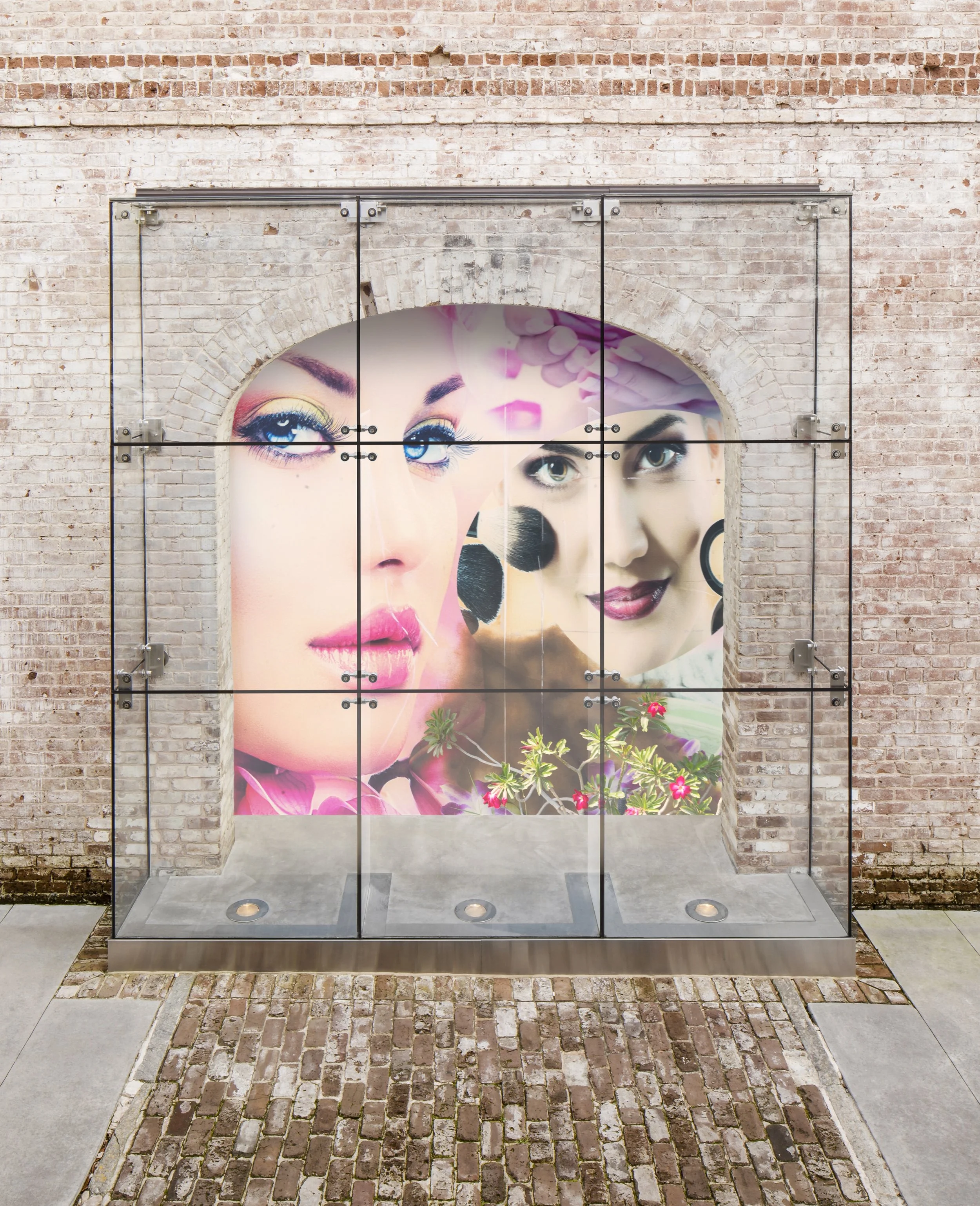
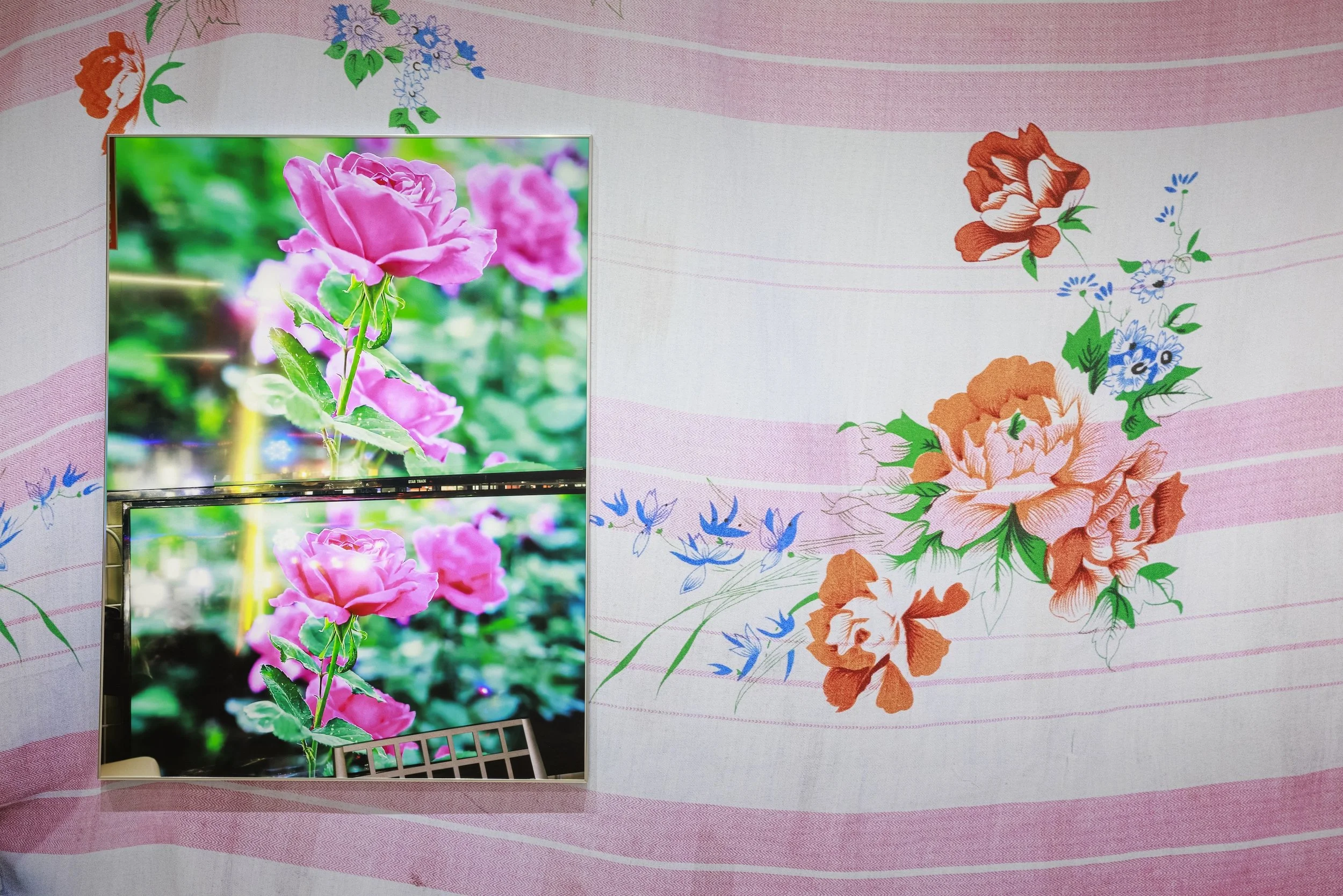
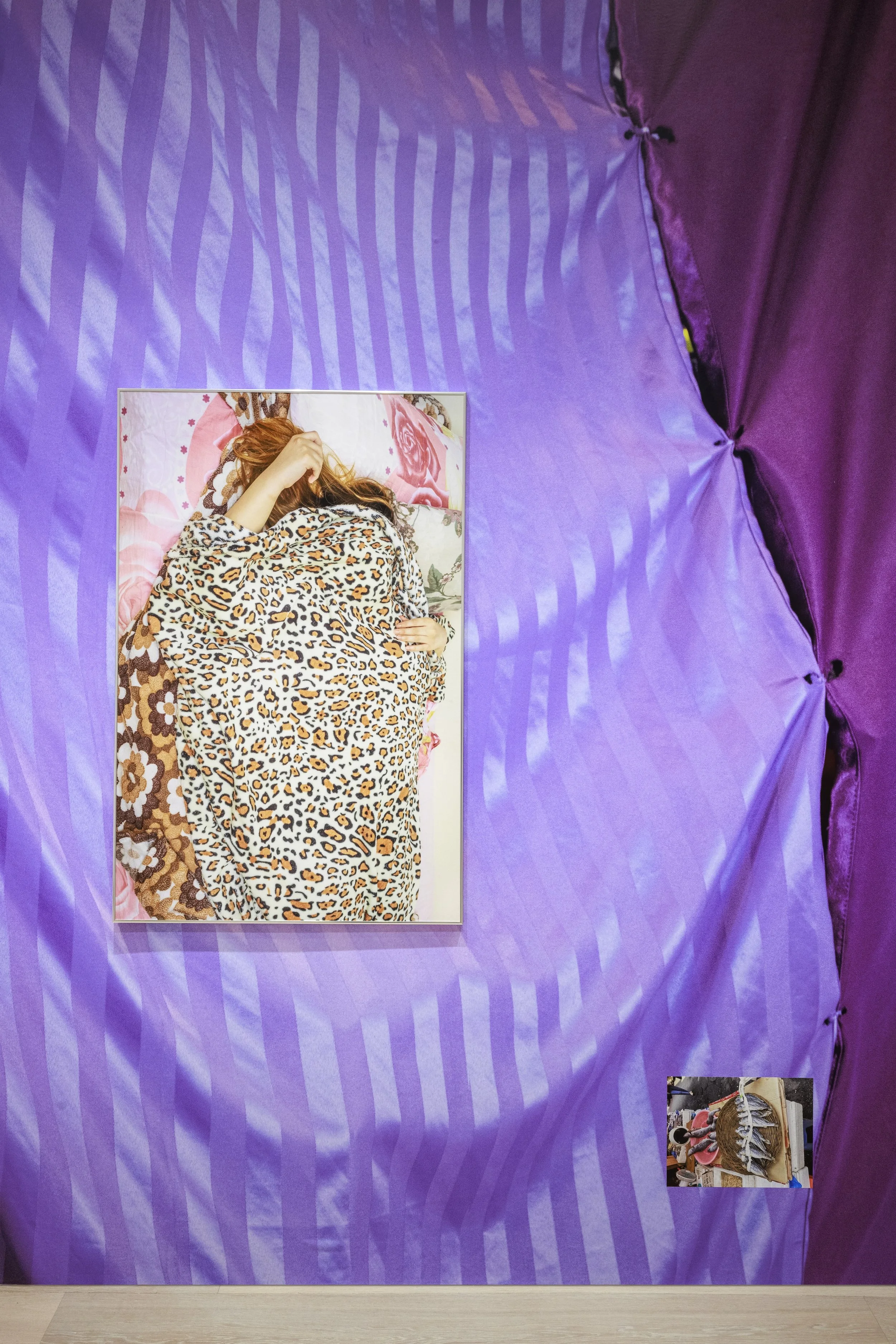
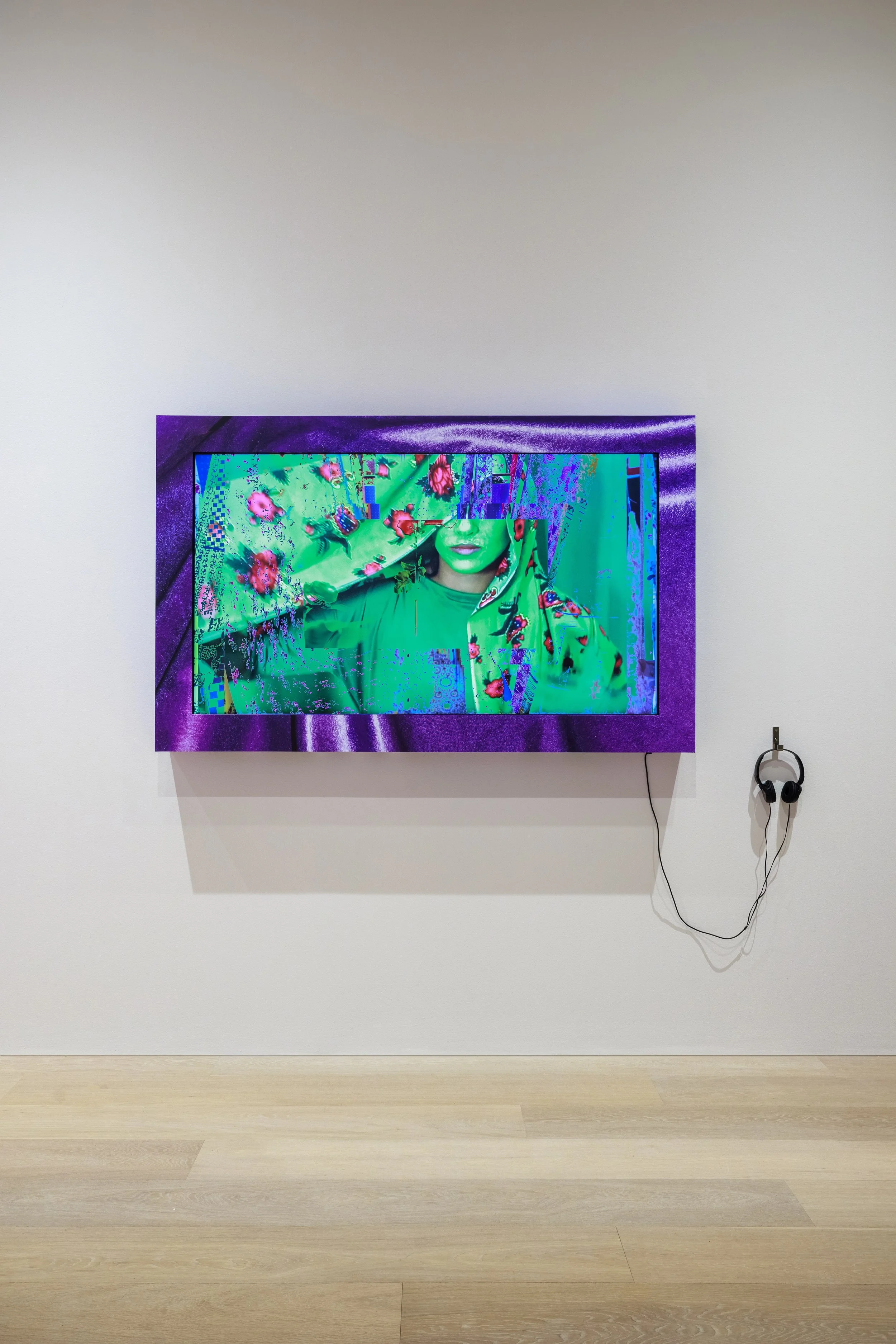
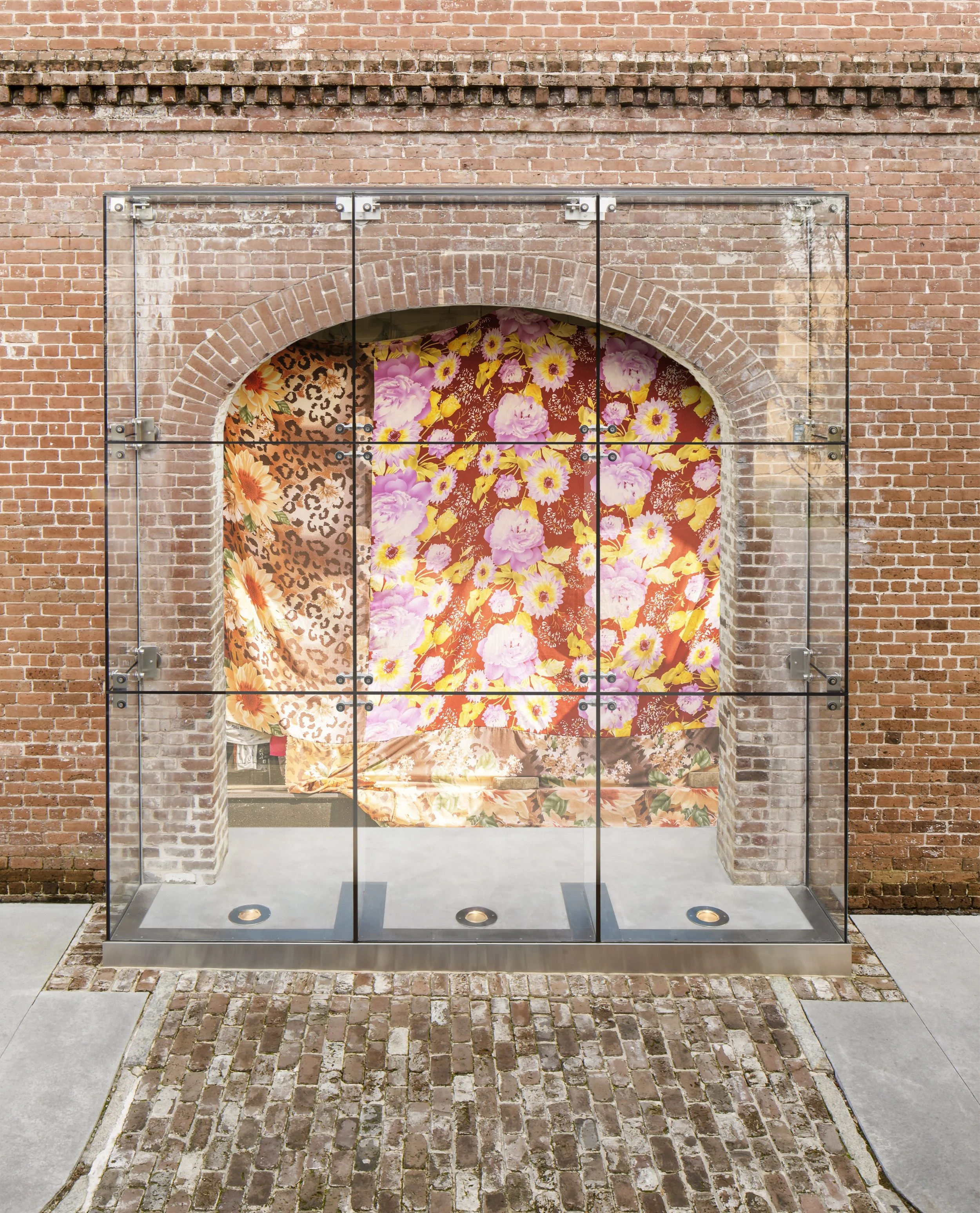
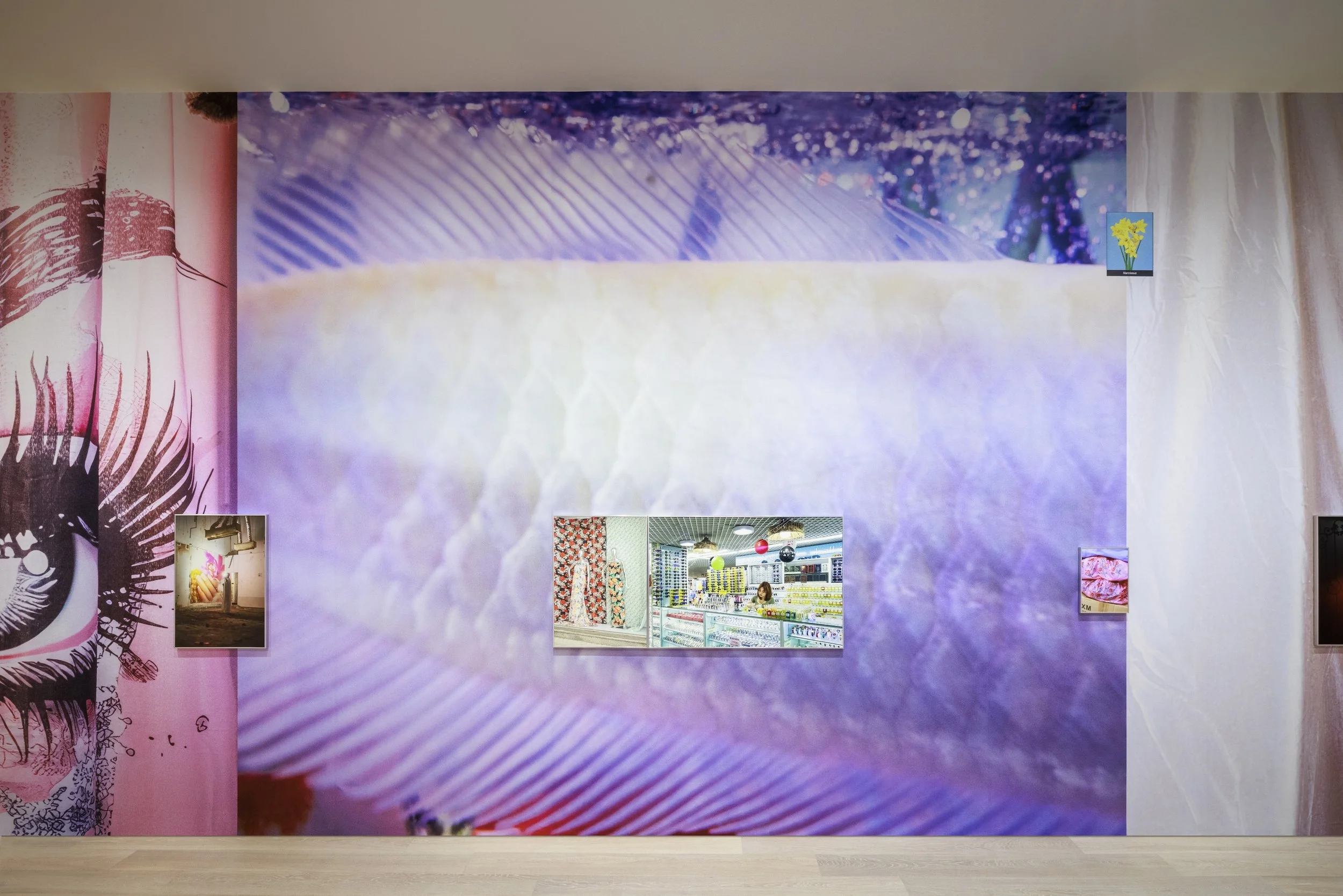
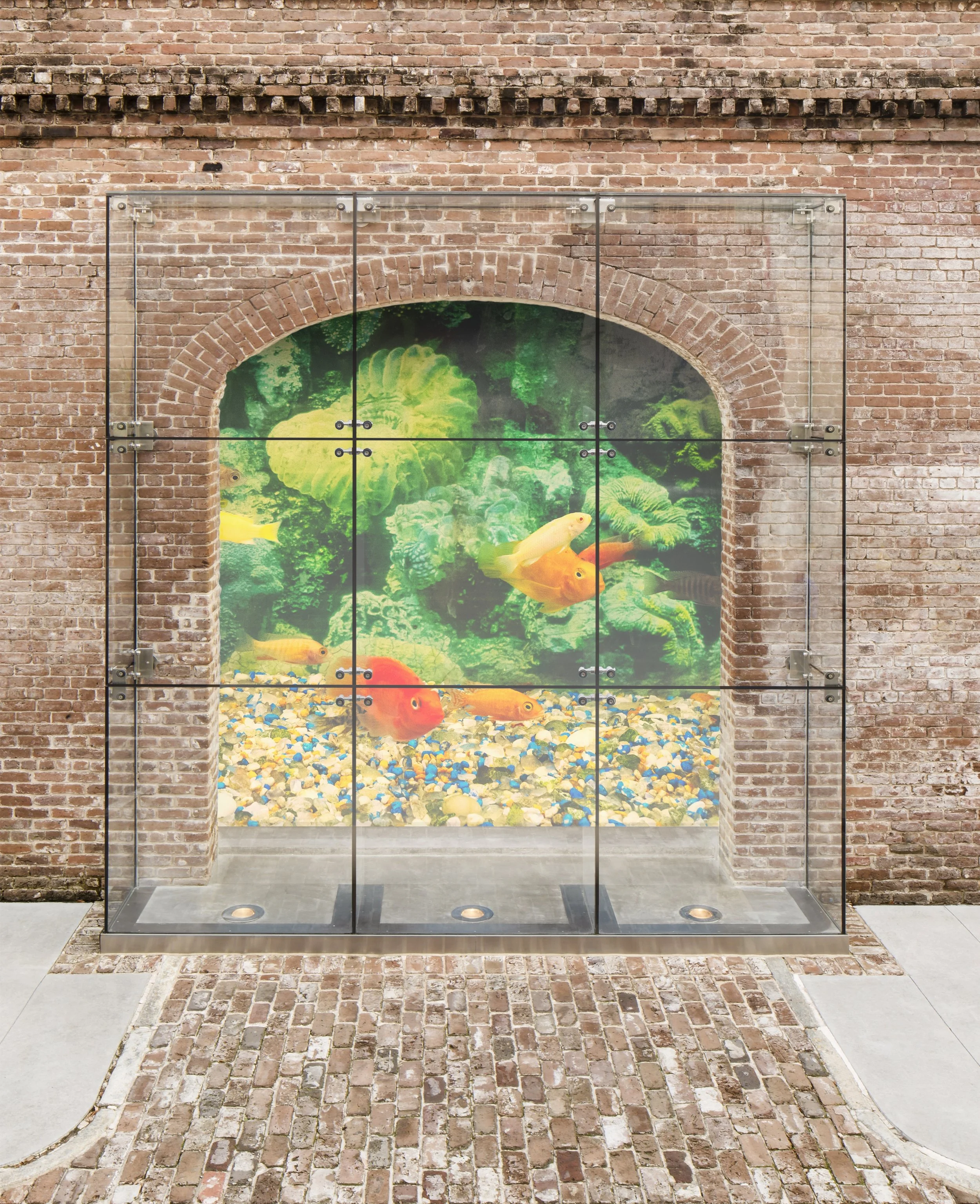
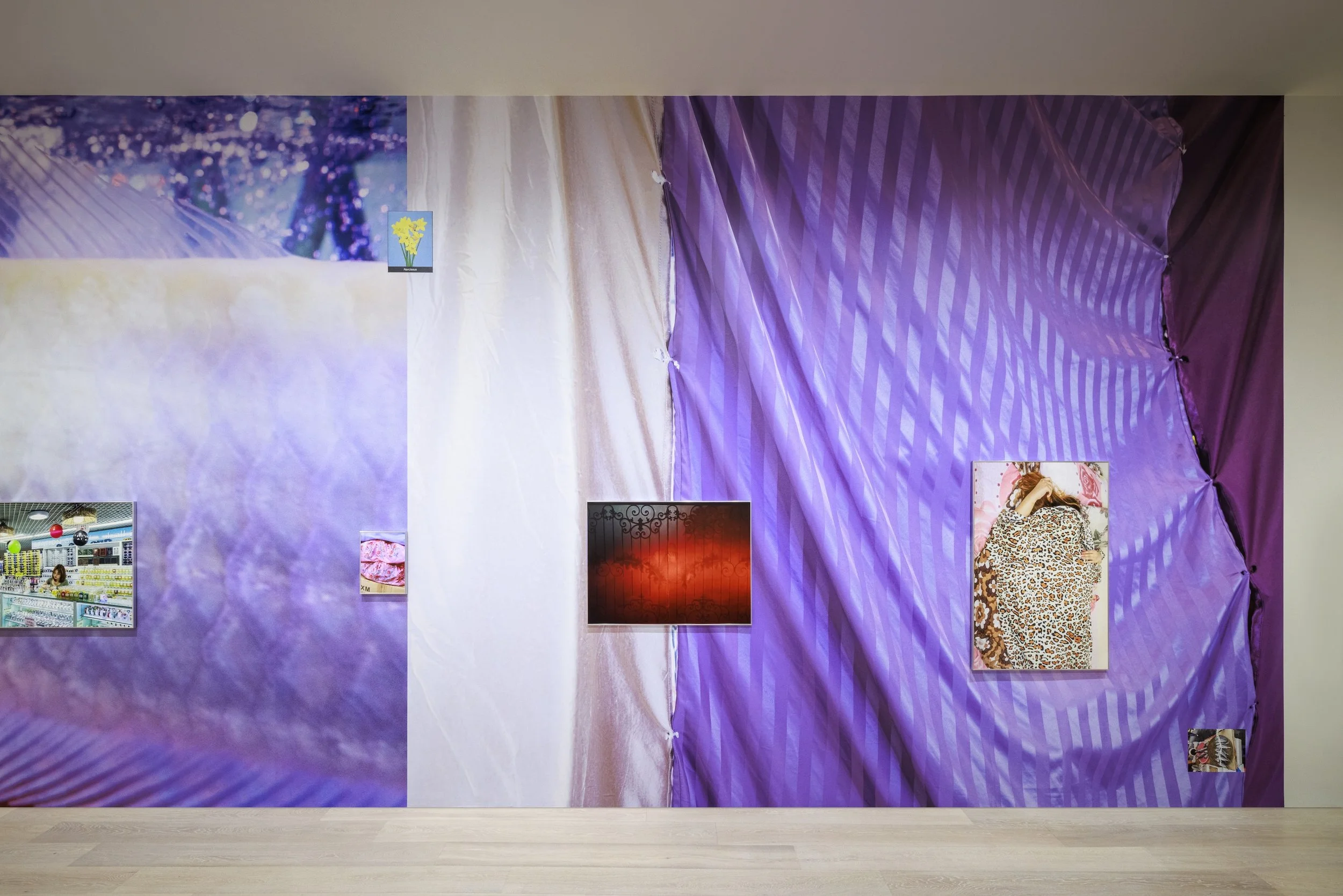
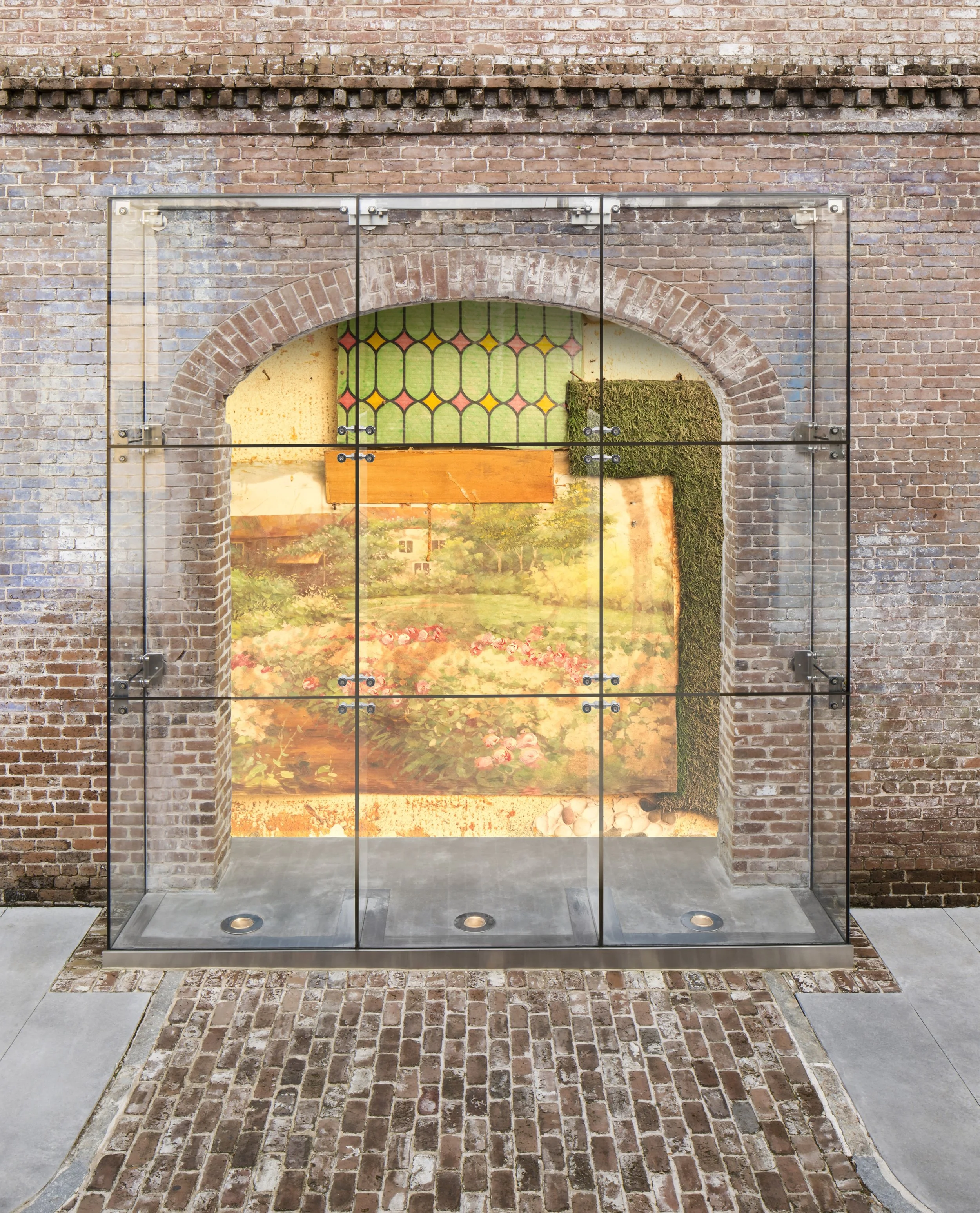
Image Courtesy of SCAD MOA
“The photos come from organically thinking about my practice,” she says. “A lot of it is going out into the world and receiving what’s already happening around me. Many of the photos are taken in commercial spaces, like shops, malls, or markets, and some are taken in domestic spaces, like bedrooms.”
Wall details throughout the exhibition are completed with small, yet meaningful collage-like details of trinkets, stickers, posters, and memorabilia. The photos and videos were taken everywhere from South Asia, Seoul, New York City, Connecticut, the United Arab Emirates, and her bedroom.
“There’s a kind of nostalgia where you’re asking for something that is beyond reach,” she says. “It can only really exist in your memory or imagination, and I think there’s something really sad about that. I want that sadness to underscore the levity of the work.”
Highly saturated images of daily life and memories juxtapose with contemporary videos of Al Qasimi, portraying haunting and fantastical moments, such as reciting poetry through punk music, jump-rope rhymes, spoken word, and a doll coming back to haunt her owners after being given away. These different mediums all tie back to Al Qasimi’s, as well as many girls’, identities, memories, beliefs, feelings, and freedom.