DIGITAL ISSUE 04: Tremaine Emory’s ‘Denim Tears: From the Pool of Black Genius’ Nods to Liberation and Reclamation
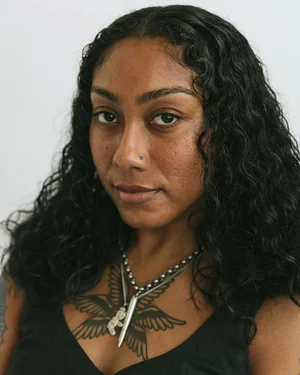
Tremaine Emory graces the fourth edition of 1202 MAGAZINE’s digital cover series of Denim Tears’ first museum exhibition.

Image Courtesy of Tremaine Emory, Denim Tears, and SCAD MOA
As you enter the SCAD Museum of Art, a salon wall on your left greets you with Black art by Faith Ringgold, George Clinton, Arthur Jafa, Kara Walker, Hank Willis Thomas, Jean-Michel Basquiat, Demond Melancon, Romare Bearden, and many others. On your right, a marquee banner reads Denim Tears: From the Pool of Black Genius, and a framed pair of distressed jeans that led to the genesis of Tremaine Emory’s Denim Tears brand. The exhibition, which is on view until January 11, 2027 in Savannah, Georgia, comprises an archival assemblage of Emory’s designs, muses, subjects, collaborators, and collections.
Emory, born in Atlanta, hates mannequins. His solution for displaying 16 Denim Tears looks: creating straw-stuffed models with bases made of Georgia red clay. They look like scarecrows, but Emory calls them Scare Jim Crow. The Scare Jim Crow models wear Denim Tears’ collaborations with Levi’s, Alvin Ailey, Champion, Dior, Stussy, and Arthur Jafa, as well as signature Denim Tears garments.
Beyond the garments hang three large flags: Emory’s and the late Virgil Abloh’s collaborative cotton wreath flag (SOS, 2019), Emory’s recreation of the Georgia flag, and David Hammons’ African American flag. As you enter the next room, you feel unapologetic Blackness and reclamation in Emory’s brainchild: a large wall filled from floor to ceiling with 148 vintage and Denim Tears t-shirts, ornamental gate doors hanging Denim Tears pieces, unreleased shoe collaborations, and familial memorabilia.
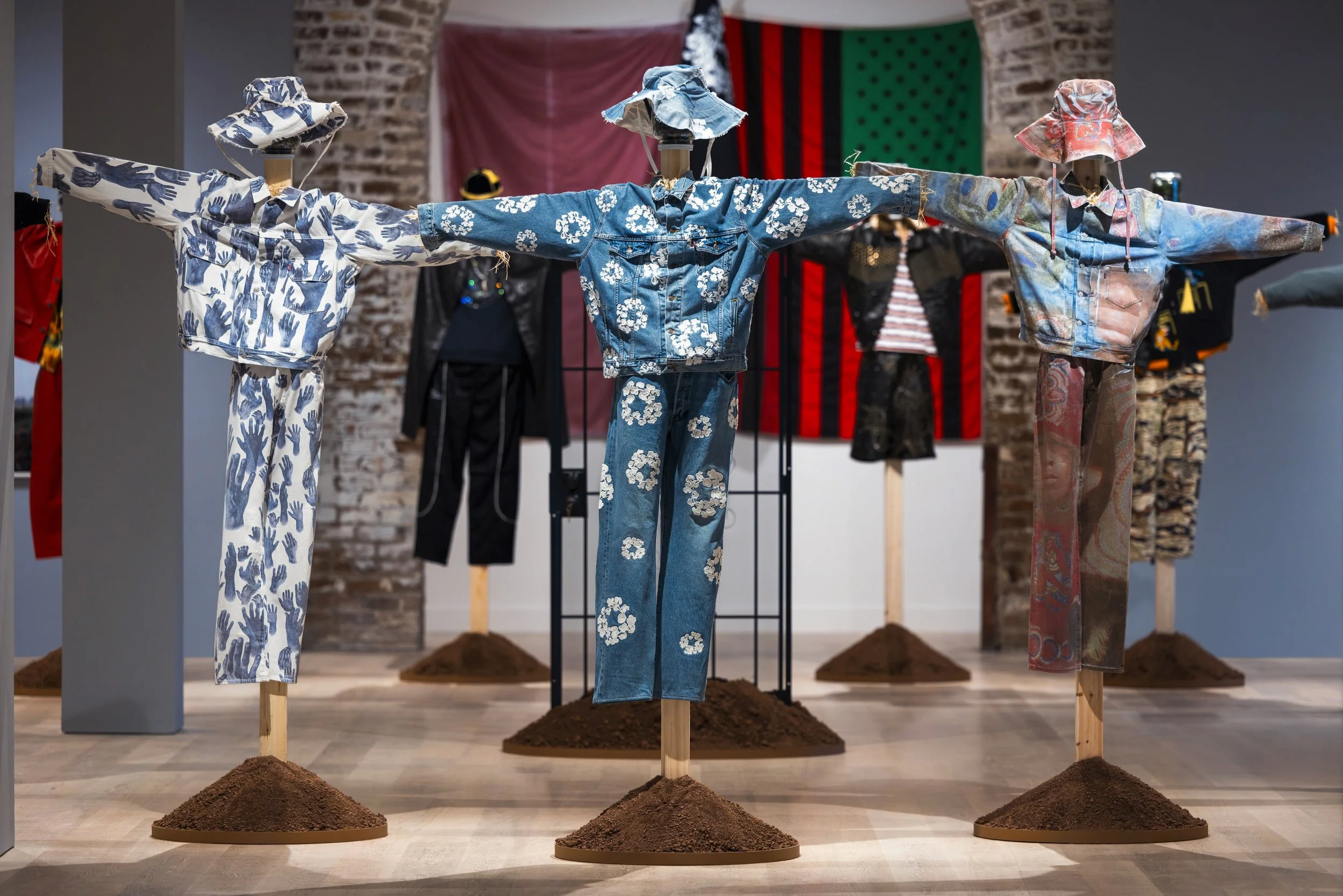
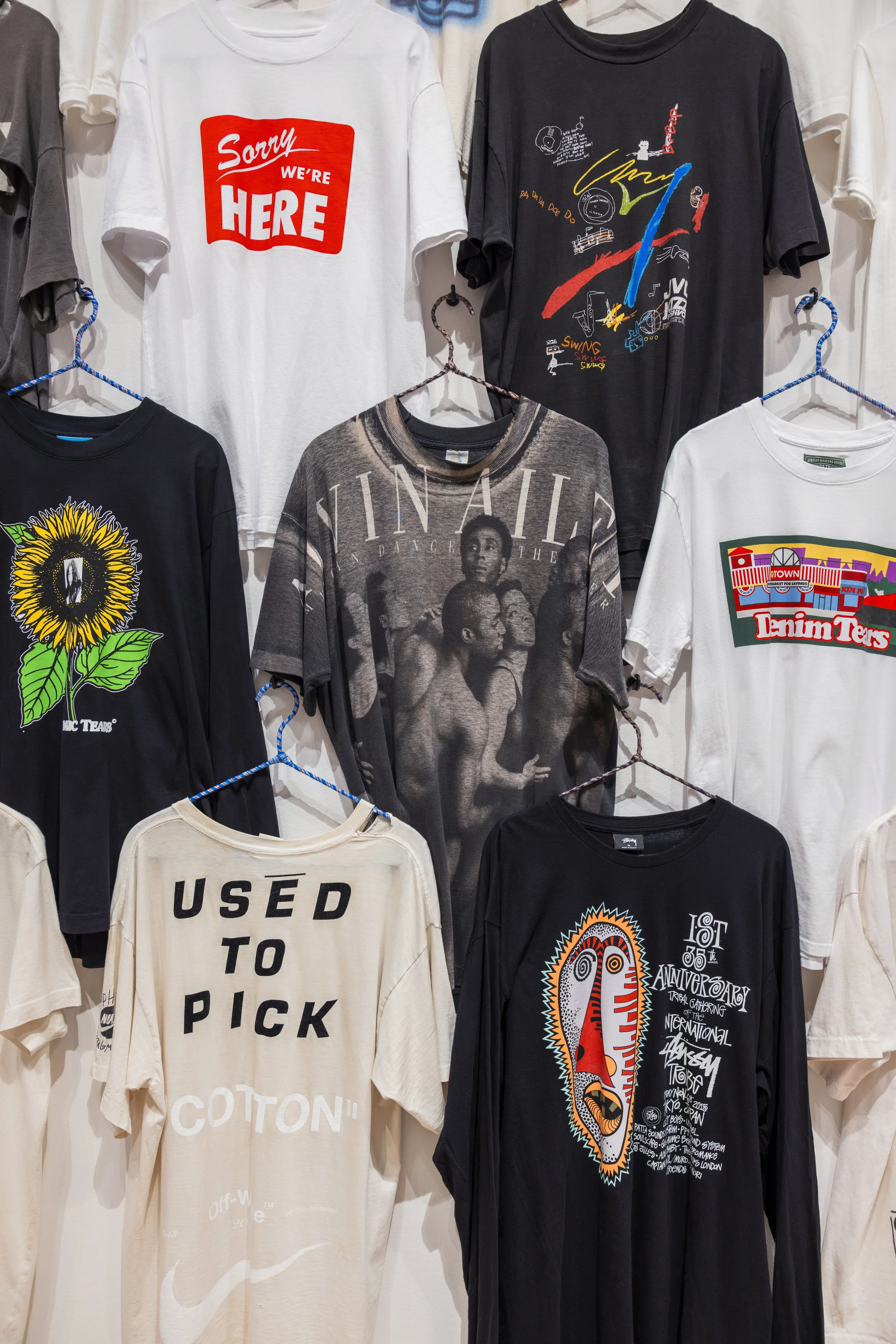

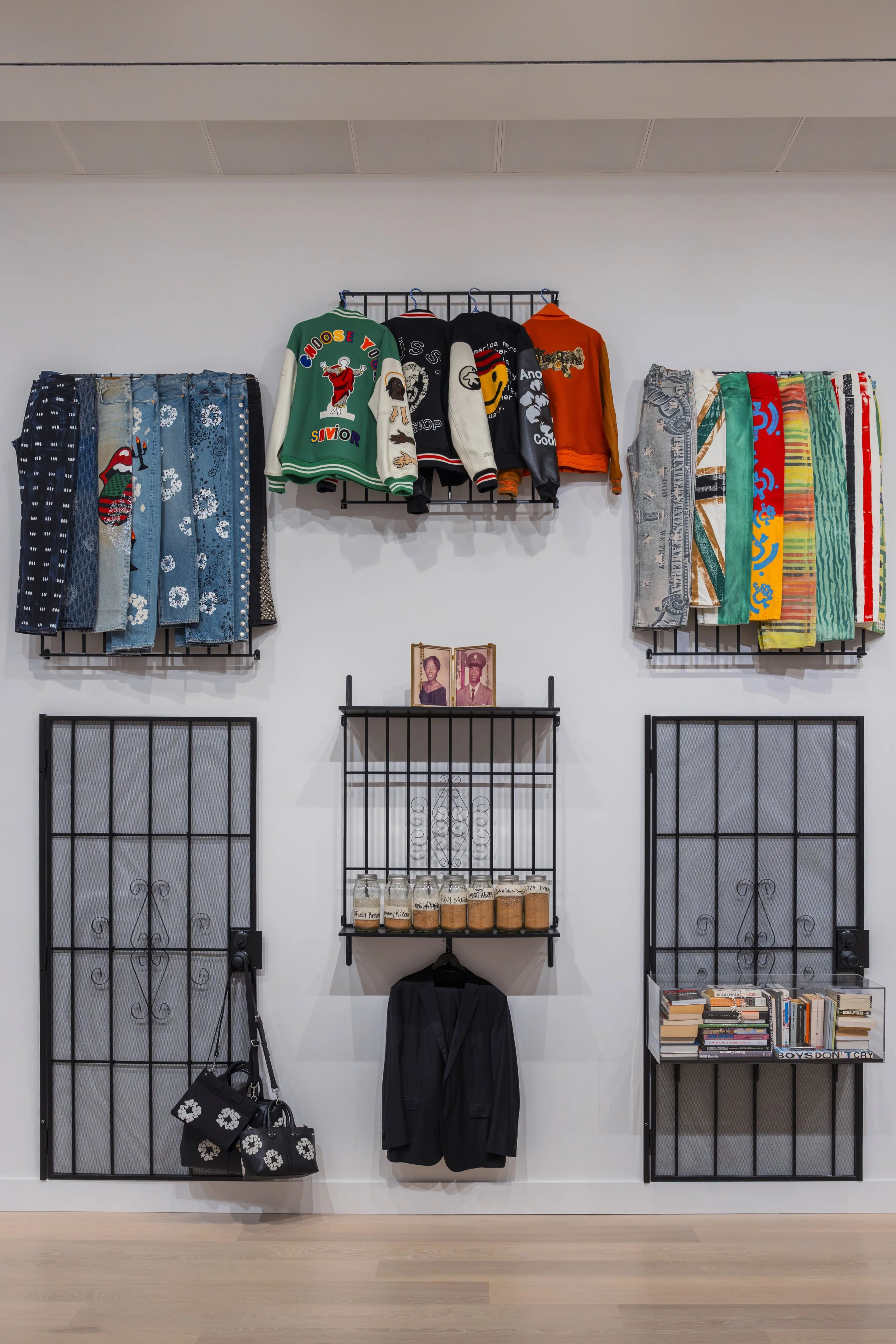
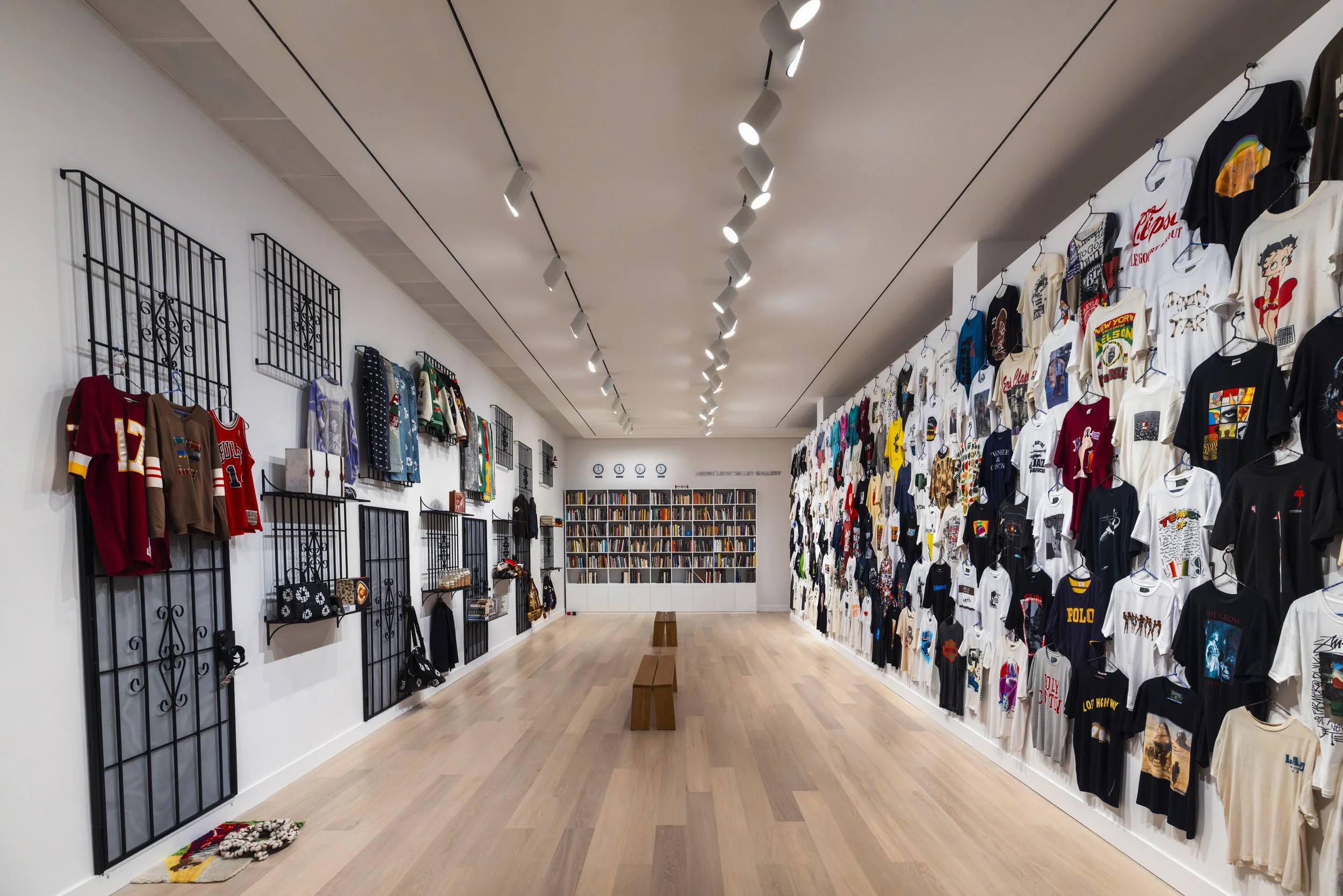
Image Courtesy of Tremaine Emory, Denim Tears, and SCAD MOA
On the floor lies a cotton wreath, a brand trademark that also serves as a cultural and historical artifact of American history. On one side of the room, a large mural depicts Black Jesus and Mary, with Jesus’ thorn crown covered in cotton and Mary holding a cotton plant instead of flowers. The other side of the room consists of shelves with nearly 2,000 books in the Denim Tears African Diaspora Goods Library.
What made the brand name, Denim Tears, stick? A whirlwind of life-changing events and realizations brought him to where he is today—what he calls a miracle. Before Emory started the brand, he worked as a stockroom associate at Marc Jacobs for nine years, until he was 35. When he left, his goal was to purchase a good, quality pair of Levi 501s. When he finally did, he wore them for over 10 years.
Despite wanting quality pants for so long, Emory still went along with distressing, shredding, and customizing the denim. When Abloh, his late best friend and collaborator, noticed that his 501s looked as though they were crying, he referred to them as Denim Tears—which explains the 180° for the framed distressed 501s at the entrance of Denim Tears: From the Pool of Black Genius.
In 2022, Emory was appointed as Supreme’s first creative director. However, he resigned a year later after facing systemic racism from the brand. His departure stemmed from a planned collaboration with Jafa, where Supreme wanted them to depict Black men being hanged and the freed slave Gordon pictured with his whip lashes on his back. Despite Emory demanding that the collaboration be shut down, Supreme founder James Jebbia disagreed and wanted to move forward with the designs.
The decision was a no-brainer; as one of the few Black people working there, Emory knew he had to step down from being creative director to focus on Denim Tears, an unapologetically Black brand confronting America’s tumultuous history and rich Black culture.
Amid the Supreme controversy, Emory was also dealing with severe health issues while trying to start a family at the same time: he suffered a life-threatening acute aortic dissection/aneurysm. This led to kidney failure, temporary paralysis, leg muscle decomposition, and nerve damage that required close monitoring and rehabilitation. It’s rare for people to survive this, but after two months in the hospital, Emory fought through, leading to the rebirth of Denim Tears.
For our fourth digital cover story, 1202 MAGAZINE sat down with Emory in the middle of his Denim Tears: From the Pool of Black Genius multi-room exhibition at the SCAD Museum of Art to dissect his first museum exhibition, discuss the importance of racial awareness both inside and outside of Denim Tears, and how friends and family have helped carry him through the journey.
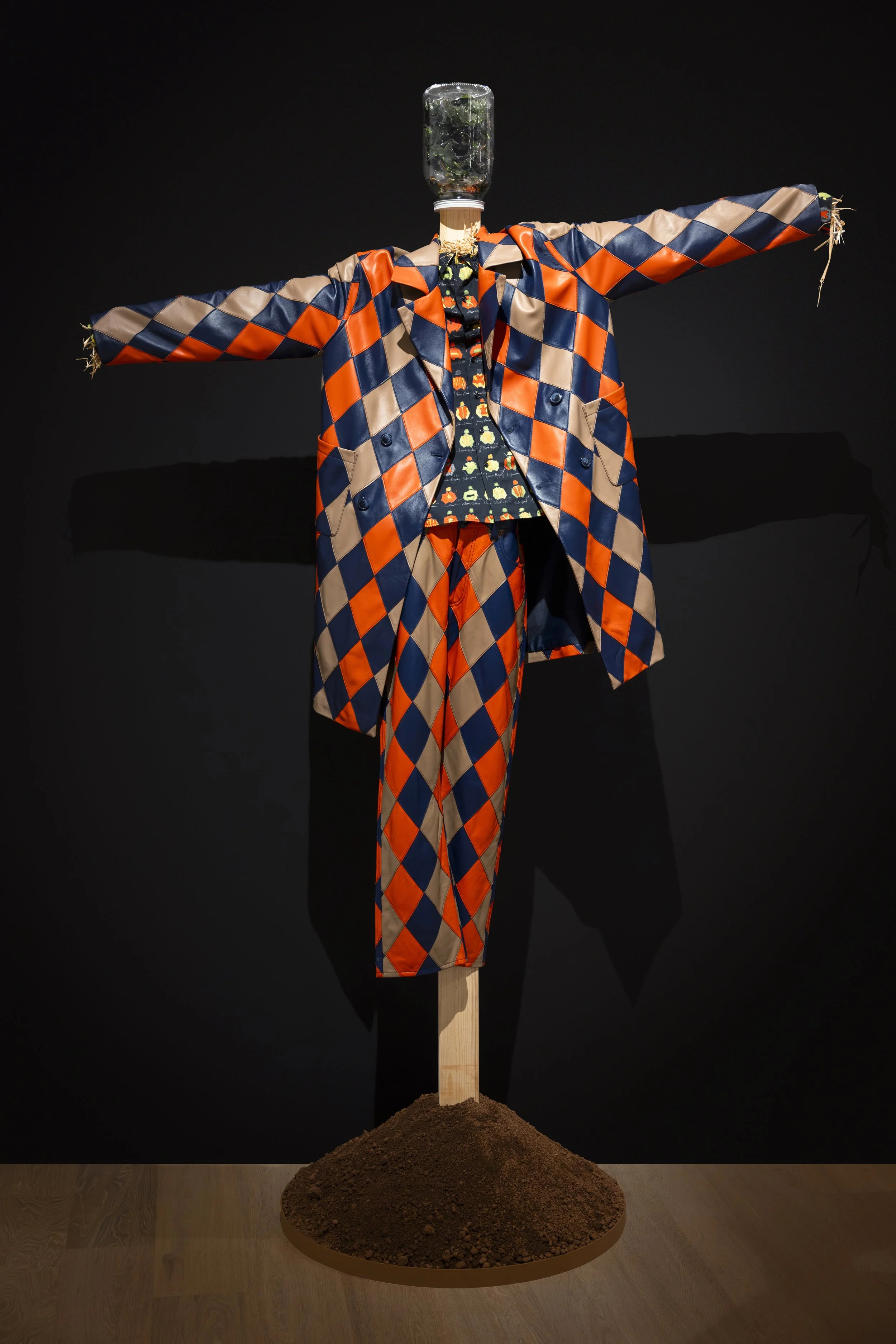
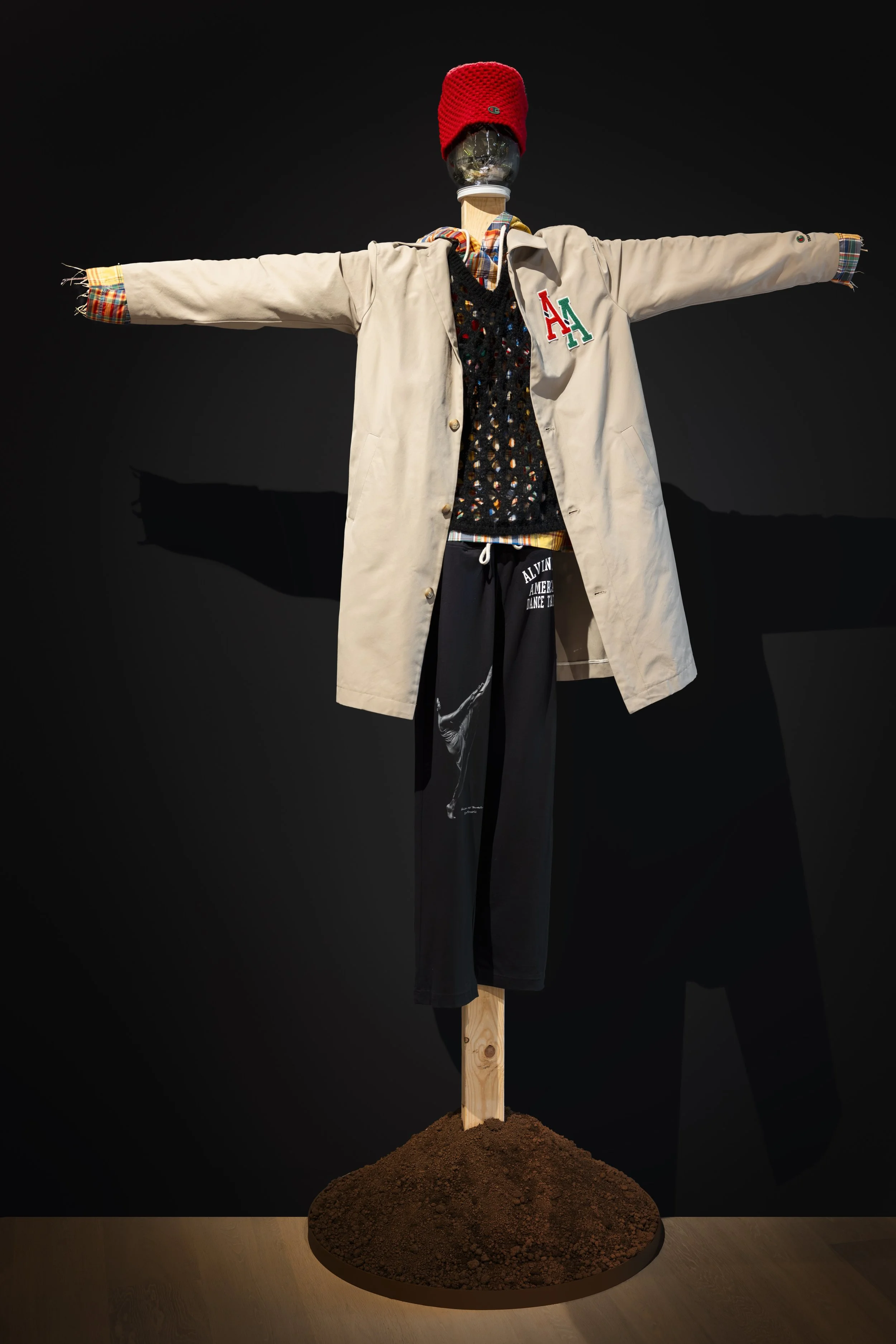
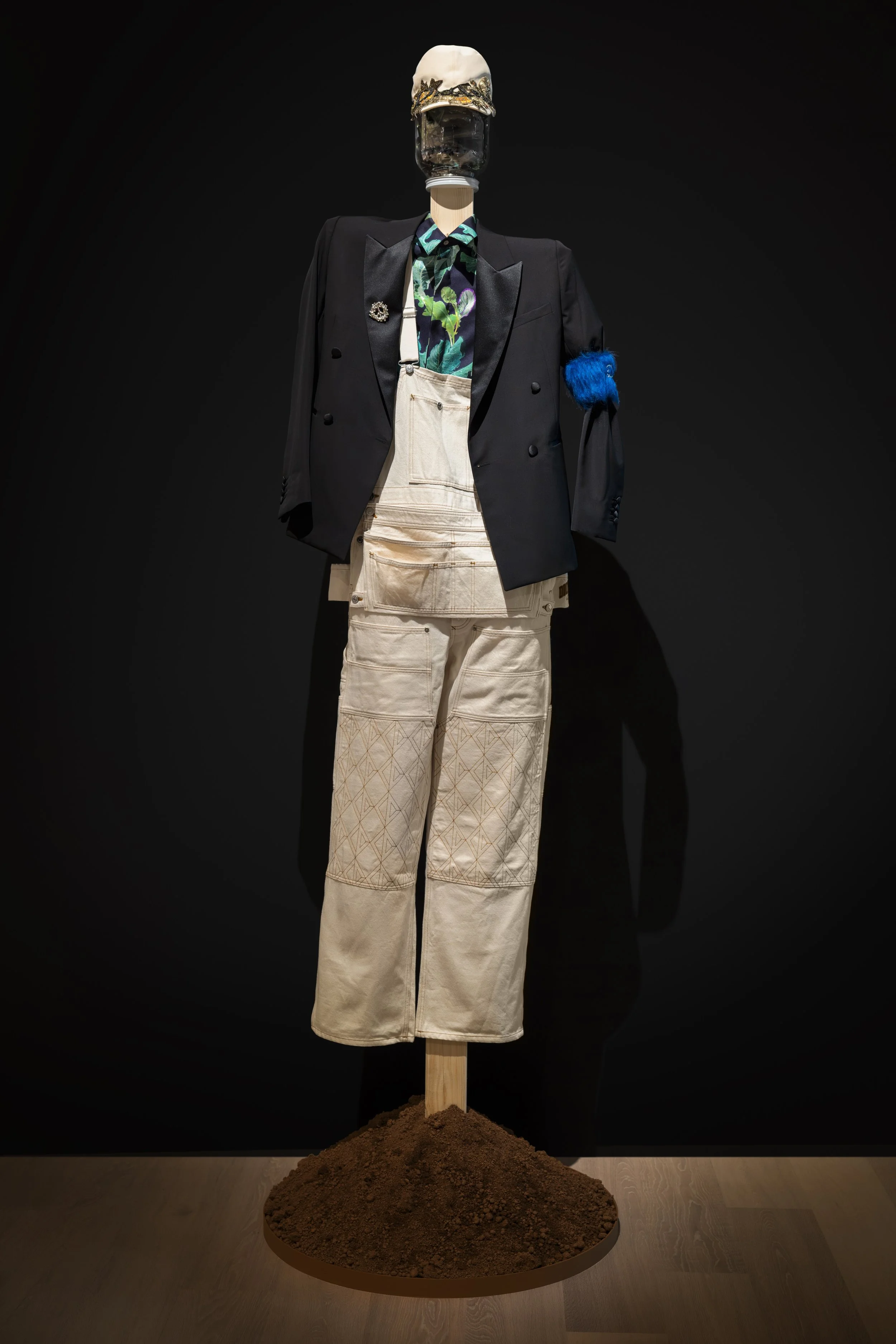
Image Courtesy of Tremaine Emory, Denim Tears, and SCAD MOA
You’ve experienced everything from uncontrollable health problems to intentional racism at Supreme. How does this exhibition serve as a form of liberation for you as an artist and designer?
Wow, that’s a great question. I appreciate that you said ‘intentional’ rather than ‘alleged.’ I don’t ever want to do anything for the naysayers. I’m only human. This exhibition lets you see the breadth of the brand and what my team and I have built, from our first employee, Kev, to my business partner, Anthony, and everyone who’s worked with us and inspired me. It gives you the full breadth of our work, from the book collection and ephemera wall to the scarecrows, the pieces in our art collection, Daniel Palmer’s beautiful words, and the juxtaposition of the SCAD Art Museum archive salon when you walk in.
It makes the brand’s context undeniable: it’s about expressing the diaspora’s plight and glory and Black pool genius. It’s more than Michael Jordan or Michael Jackson—which we all love both. But it’s also about Benjamin Banneker, Angela Davis, the Black Samurai from Japan, and all of these different stories. It’s not just a brand about slavery. To be honest, if I made a brand about slavery, then so be it.
It’s something that’s never been dealt with. That’s a huge part of the brand because you can’t truly understand Michael Jackson, Michael Jordan, me, or my mother without it. How we got here affects how we live now. We’re not going to skip over that because it’s a major part of the story, but it’s not the only part of the story. We’re never going to shy away from it or not talk about it.
I was at my friend Arthur Jafa’s opening with my wife. I saw so many articles leading up to it, and it was so incredible because I’ve known AJ (Arthur Jafa) for over 10 years. They’re saying he’s one of the greatest artists of this century. I’ve seen his career skyrocket. It vindicates him and me for having exhibitions at the same time in different cities, especially after the way Supreme was misinterpreted. It’s so important for people to see the purpose of the work and to see it exist regardless of the obstructions.
The Ex-Slave Gordon piece was recently taken down not far from here. People say these images should be in a museum, not on a T-shirt. But now they’re trying to remove history from government-funded museums. And still, Black people are being hanged in the South, especially in 2026. However, they’re labeling it as ‘suicide.’ This vindicates the ability to express art on such a grand scale—something Black folks have never been able to do—and we still have a long way to go. I’m so grateful to everyone at SCAD, my team, and you guys coming down here to talk with the other artists and me.
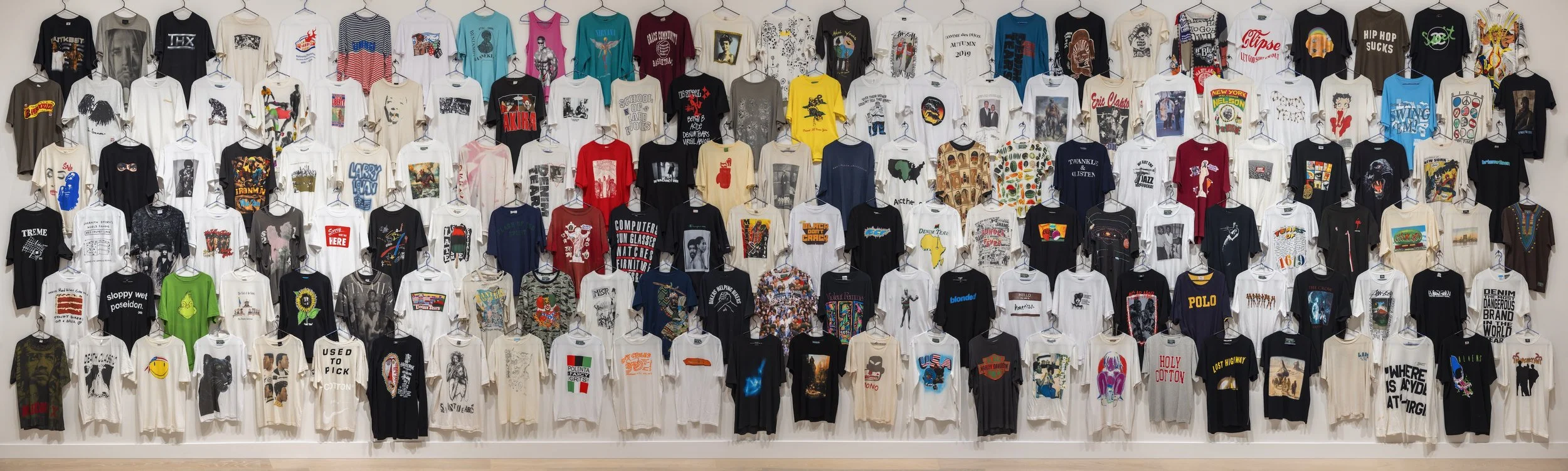
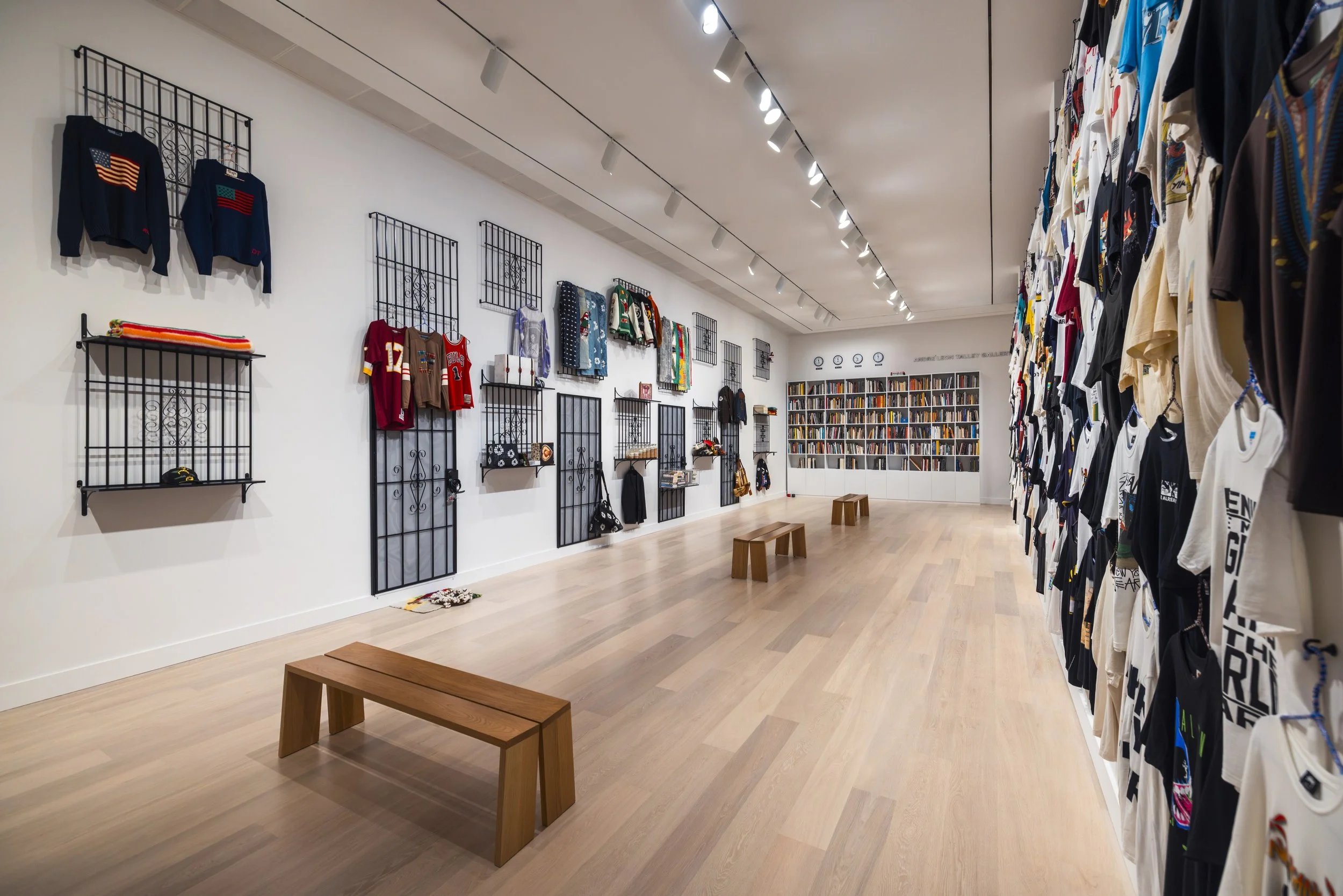
Image Courtesy of Tremaine Emory, Denim Tears, and SCAD MOA
Over the years, Denim Tears has attracted people of all races, ethnicities, and nationalities. When you’re portraying Black culture, history, and perseverance at such a grand level, how do you want to convey this to non-Black people viewing this exhibition, or even wearing your clothes?
The same way you explain to a bunch of white people sitting in a basketball stadium watching ten Black guys run up and down the court. People are so obsessed with white people wearing Denim Tears. However, white people benefit from Black culture. A redneck racist with a Confederate flag has benefited from people of color. It could be the most misogynistic, racist white man, or a man of any color—he’s benefited from Black people. Everyone is benefiting from Latinos, the LGBTQ+ community, women, and more. You could be pro-life without knowing that you’re benefiting from women. If someone’s going to be the billboard for this message, I’ll take it.
Do I want everyone to understand what they’re wearing? Yes, of course. Someone may think this is a far-out comparison, but think about a British person wearing Alexander McQueen’s Highland Rape collection, which reimagined the colonization and rape of the Scottish people. This happened to the Irish and Scottish. Before they came here, the only reason they didn’t bring the Irish here to be slaves was that they couldn’t handle the climate and malaria. So, they took and enslaved Africans.
Another example: NBA YoungBoy is an amazing artist. He raps about violence, Black-on-Black crime, selling drugs, robbing, and the emotions that come with those things. What’s the difference between a white kid wearing a cotton wreath and listening to NBA YoungBoy? 50 Cent comes from my neighborhood. What’s the difference between Denim Tears and a white kid singing along to ‘Many Men’? These are all Black feelings that come from us. It’s all heavily commodified and bought by white folks.
Let’s ask this question more broadly, rather than whittling it down to wearing Pan-African colors or a cotton wreath. Should Quentin Tarantino have been allowed to make Django? Should white people watch She’s Gotta Have It or Do the Right Thing? The cotton wreath is part of the American story. It’s more than John Wayne and George Washington. It’s Gullah Geechee, Seminole Indians, the Five-Percent Nation in Harlem, the Nation of Islam, Kerry James Marshall, the Chinese people who built the railroads, the Irish who built and worked in meat factories.
If a white kid is wearing a cotton wreath or Pan-African flag, whether they know it or not, they’d be remiss not to know it. They’re wearing American history. It may not be the history they suffer from, but they may benefit from it. Regardless, they should acknowledge it. This country will change only through accountability, education, and the ability to talk about these things.