MANNISH’s Gregory De Anda on artists+immigrants Collection, Being Afro-Mexican, and the Importance of Immigrants
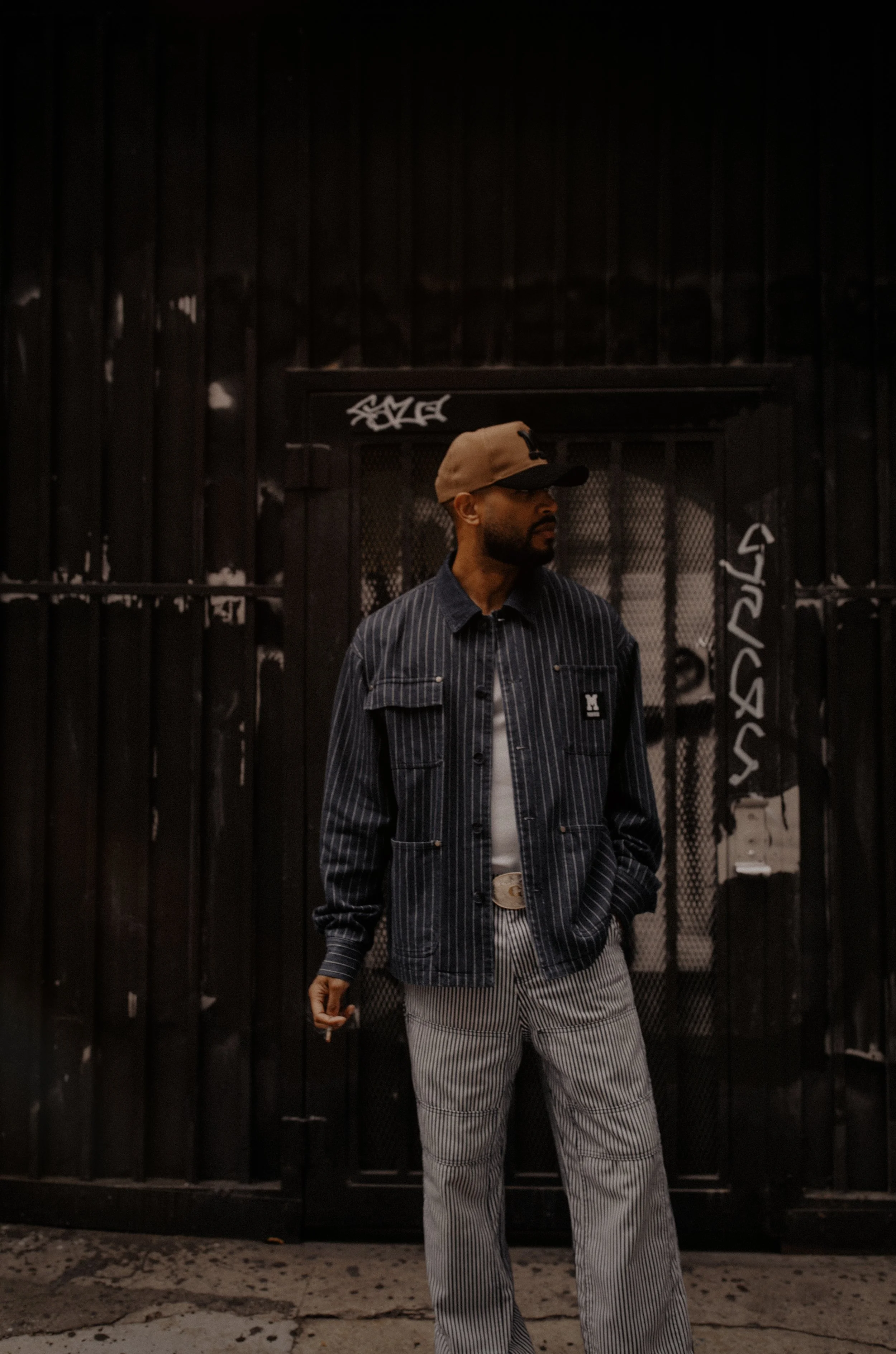
The gender non-conforming looks in the collection are reminiscent of tradespeople and laborers.
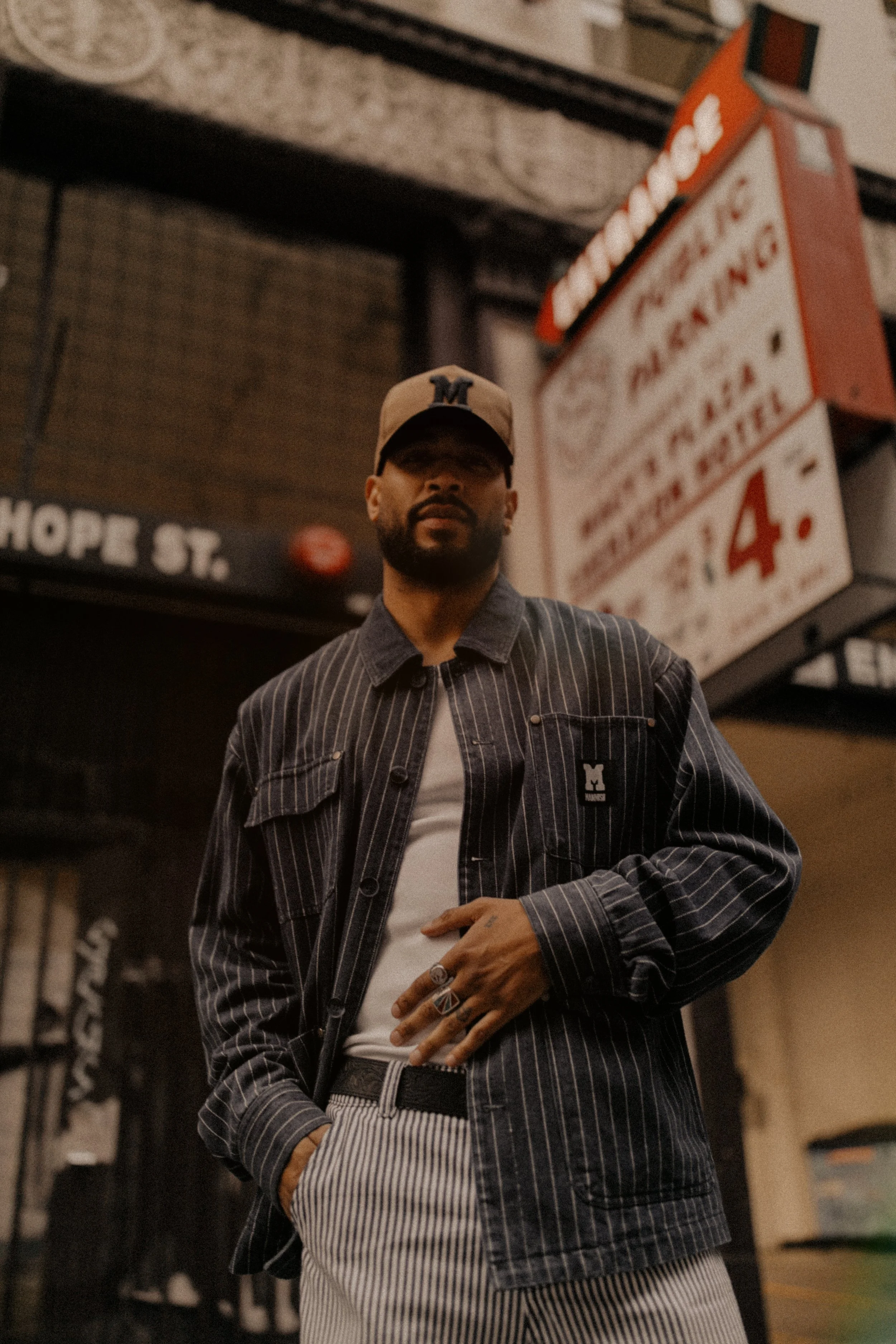
Photography by Andria Lindquist
Since 2014, Gregory De Anda has lived many lives and spent time in many different places. One constant remained: he was always inspired. During his time on Orcas Island, he had a lot of time, space, and isolation to reflect. Here, his unisex clothing brand, MANNISH, came to life after delving into blues, jazz, and rock and roll from the fifties to the seventies. When he discovered Muddy Waters’ song “Mannish Boy,” it led De Anda to name his brand after it.
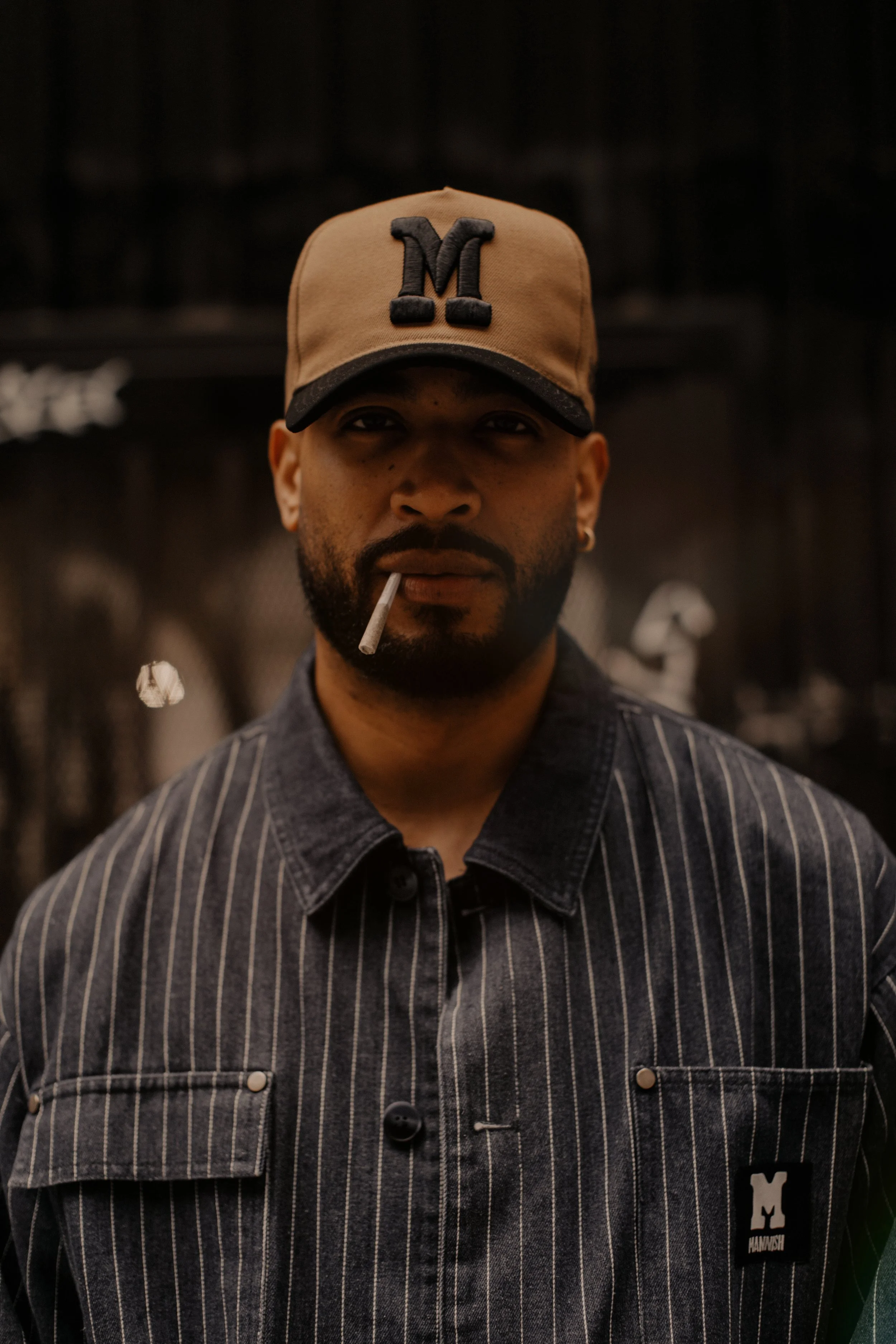
As an Afro-Mexican designer, De Anda was then drawn to create his newest collection called artists+immigrants. The garments pay homage to the people who keep this country going every day: immigrants. The gender non-conforming looks, which include denim, button-ups, quilted cotton, and outerwear, are reminiscent of tradespeople and laborers. The clothes are not only built for hard workers, but also to confront the injustices that immigrants face in the U.S., despite the incomparable contributions they make across every industry.
De Anda spoke with 1202 MAGAZINE about the birth of MANNISH as a founder and creative director, how his culture and upbringing impact his design today, the importance of immigrants in this country, and what knowledge and experiences inspire him to keep going.
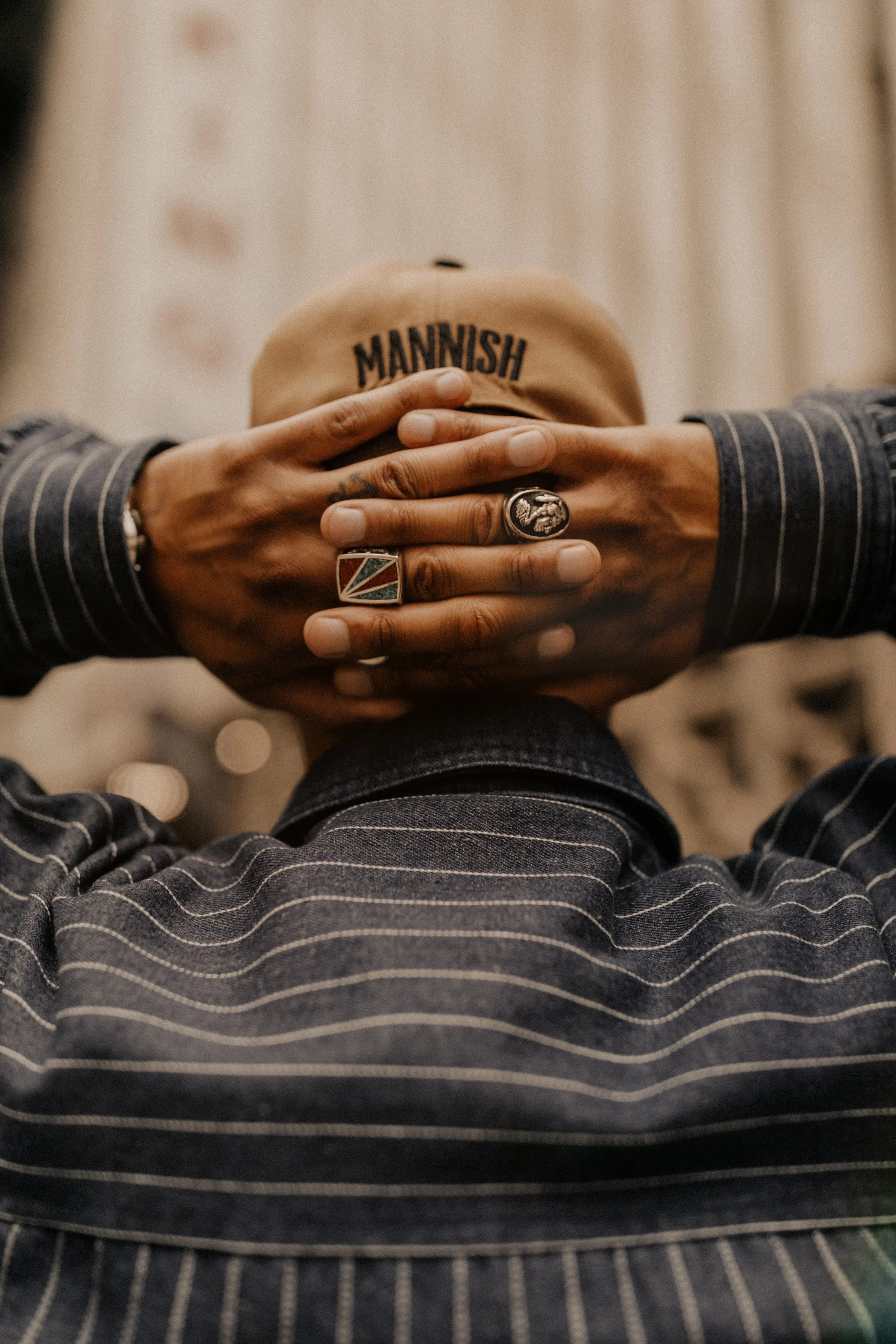
Photography by Andria Lindquist
When did you begin designing, and what inspired the vision for MANNISH?
I began designing in 2014. I was living on Orcas Island at the time, and during winters, you have a lot of time to yourself to think and reflect, for better or worse. During that time, I found myself frequenting the brewery a lot, which had a very special beer that was instrumental in my inspiration to start drawing, doodling, and creatively expounding on ideas I had, almost like an epiphany.
At this time, I was clearly trying to find a creative outlet. I spent my days drawing and listening to records at night to educate myself on blues, jazz, and rock and roll from the 50s through the 70s. When I came across Muddy Waters and heard his song, ‘Mannish Boy,’ that spurred my motivation to begin MANNISH. Those moments spent during that time helped me build the DNA and foundation for the brand as a whole.
What does the name MANNISH represent?
I feel like MANNISH is for those who are willing to color outside of the lines. MANNISH was built for innovators, troublemakers, and movers and shakers. To me, it epitomizes rebelliousness, which breeds change. Change is what is necessary at the moment, and I want MANNISH to represent the armor of those who think this way.
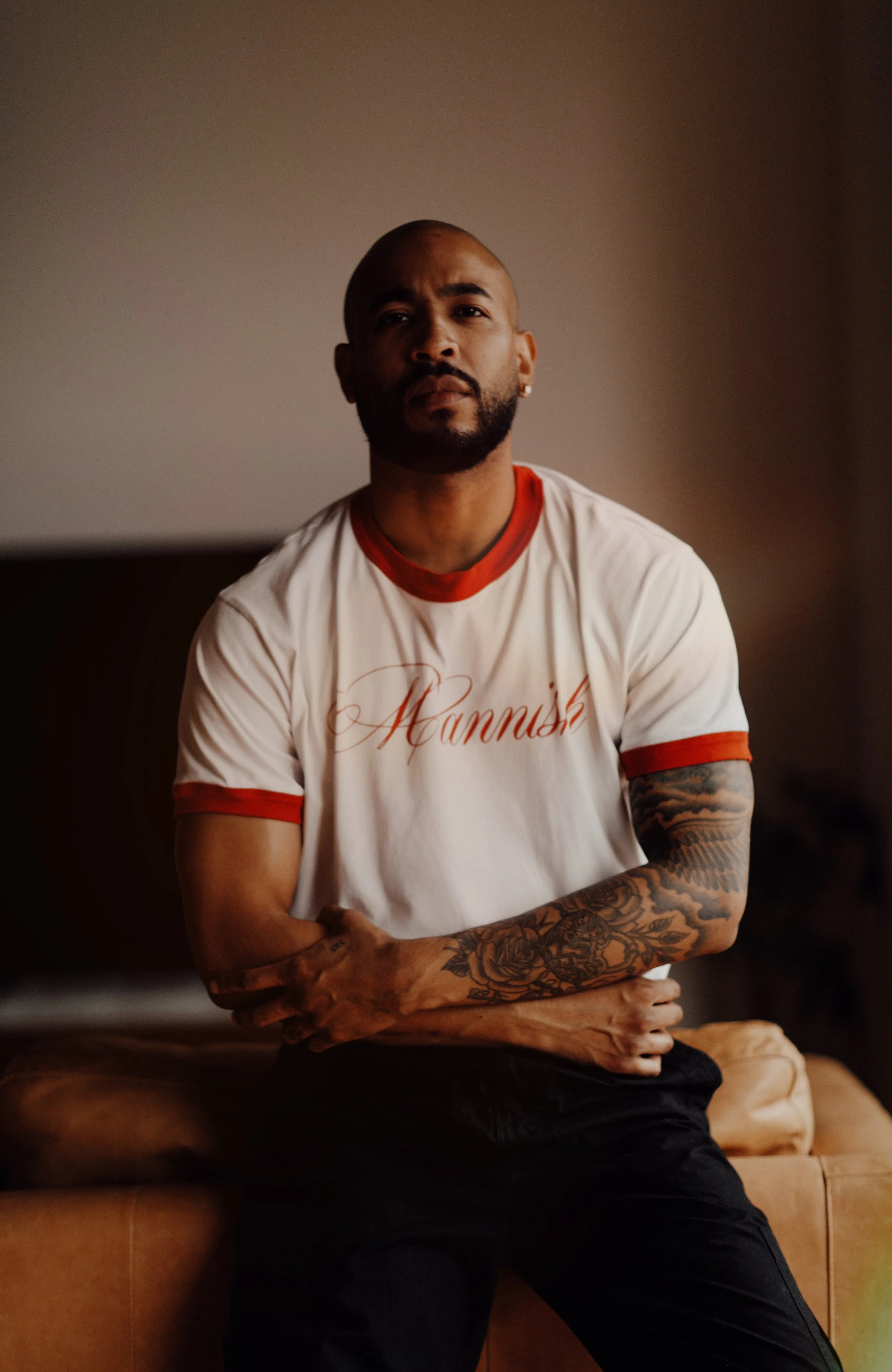
Photography by Andria Lindquist
Describe some of your pieces and designs.
The collection is an amalgamation of my life experiences and what inspires me. A lot of the names of the pieces come from movies, books, and places I’ve lived. Anything that’s come into my life that has inspired me. The Montana jacket from the collection is tan and features coffee colored pockets. The pockets are huge, and there are many of them because in Montana, you always need another pocket. This was validated for me when I gifted it to my father, and he said, ‘This is a great Montana jacket.’
What does your creative process look like when you’re designing—challenges, emotions, or achievements?
I’ve always been a sponge growing up. I think information is my greatest inspiration. Traveling, consuming art, movies, and reading will help develop your palate. I’ve spent a lot of time fine-tuning my palate in different ways, drawing inspiration by being exposed to different perspectives from people all over the world. To me, that’s at the core of what is baked into MANNISH.
The process comes from that observation, where I’m putting details on different shirts comes from visions I’ve had, daydreams, something I may have seen in a magazine 20 years ago. Thankfully, my mind can preserve images for me, and I have stockpiles of images in my phone and on my Instagram to help me hone my process as well.
Photography by Andria Lindquist
How does your Mexican upbringing—especially as an Afro Latino—shape your design approach and perspective on fashion?
Growing up where I did later in my teens, and who I was around definitely shaped the cuts I’m drawn to and the types of silhouettes I like. I grew up around a lot of Cholos, and they were always dressed impeccably. Always had a fresh white tee, dickies and crisp white Nike Cortez. Having that perspective and coming from Montana, where it was basically opposite, over time I was able to blend both of those styles together and create something all on its own. It’s beautiful to express yourself through clothing. I would love to give people the pieces to do that and make sure their arsenal is impeccable.
Tell me about the artists+immigrants collection, and how it came to be.
The artists+immigrants collection is a reflection of what is happening in the world today. I feel it is the artist’s responsibility to convey truth through art. At the moment, immigrants are being targeted and taken from this country, as if we’ve forgotten that this country wouldn’t be what it is without immigrants. This country was built by immigrants, and yet it is not for immigrants, and that’s an injustice that doesn’t sit right with me. The collection and the name are to start a respectful dialogue about the state of immigration, not from a point of defense but from a point of understanding.
Photography by Andria Lindquist
Who or what inspires you to keep going?
My grandparents and my mother are the big three in my life that inspire me to keep pushing the envelope. Hearing the stories of their sacrifices, I know they didn’t make them for me to live in mediocrity or regret. I know they did everything in their power to make me dream bigger, and it’s my job to honor that, which I take seriously.
What are some of your goals and aspirations inside and outside of fashion?
In fashion, I would love to build MANNISH to a point where we’re able to help nonprofits and charities in meaningful ways. Obviously through donations, but alongside them to create and to be more impactful for generations to come. Outside of fashion, my goals are to champion immigration, to provide a voice for the voiceless, and to help those in need however we can.
What can people expect from you and MANNISH in the near future?
I expect you to see us everywhere. I expect you to see us on your favorite creatives, your favorite rebel, your favorite innovator. I expect MANNISH to continue building on the momentum that we’ve created, and we build a universe that is for the people. The one sentence that resonates more with me lately is ‘Power To The People,’ and MANNISH will always be for the people.