Essosa Is Choosing Herself on New EP, ‘Crush!’
On her latest record, Essosa transforms longing, confusion, and emotional vulnerability into a sharp, danceable world inspired by the greats of ’90s and ‘00s pop and R&B.
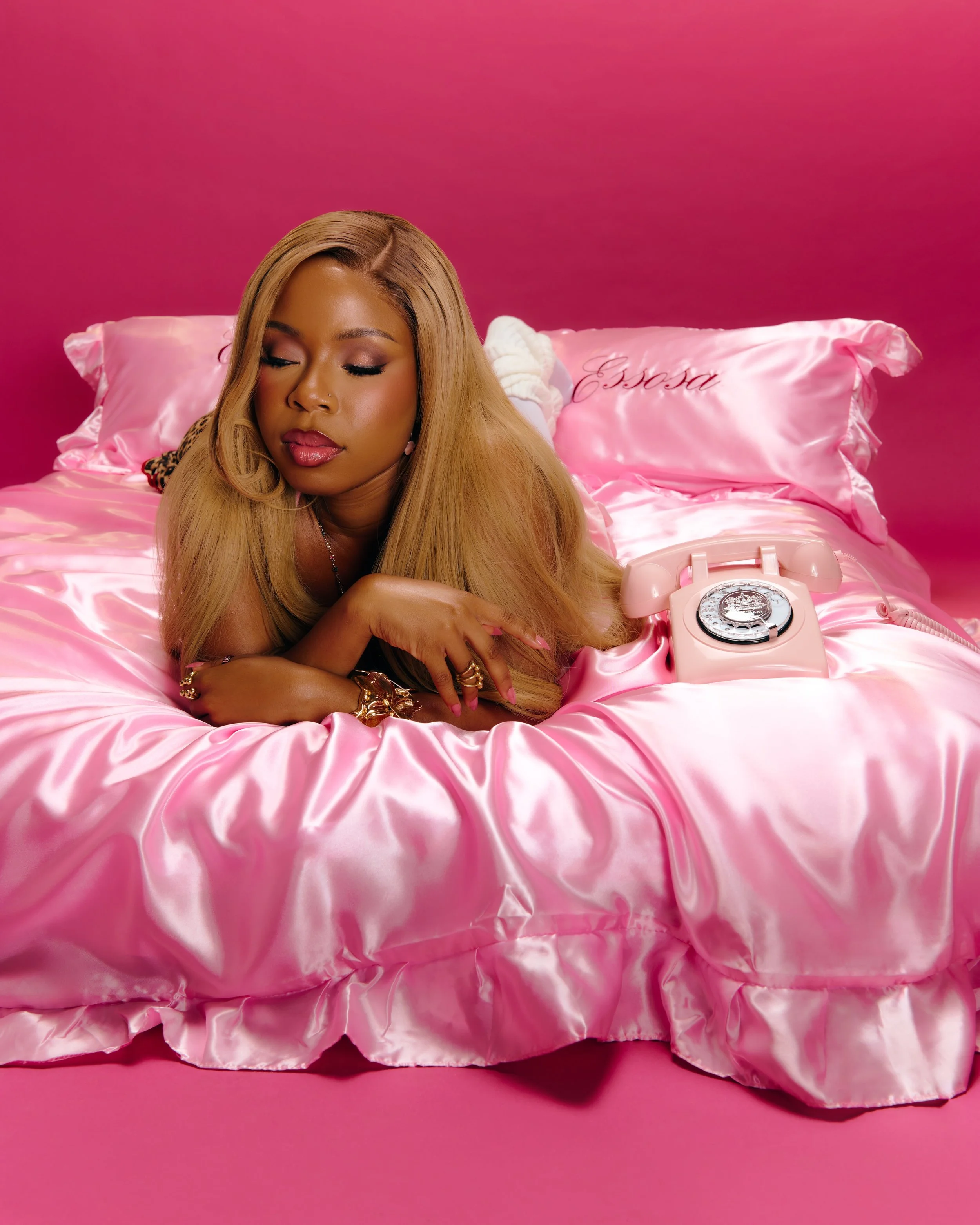
Photography by Saskia Kovandzich
British-Canadian-Nigerian singer-songwriter Essosa has no interest in pretending she has modern love figured out. On Crush!, her sleek and emotionally tangled sophomore EP, the rising R&B-pop artist leans fully into the chaos of situationships, emotional uncertainty, and the uncomfortable space between desire and self-preservation. Across six tracks, she transforms vulnerability into something magnetic, blending glossy Y2K-inspired production with brutally candid songwriting that feels pulled straight from late-night overthinking sessions.
But for Essosa, the project is less about heartbreak itself and more about what happens when people become afraid of feeling anything at all. “Everyone wants human connection,” she says, reflecting on the emotional push-and-pull that shaped the project. “They want human connection, but they don’t want to be heartbroken or let down.” It’s this tension that runs through the record: wanting to be chosen while simultaneously trying not to lose yourself in the process.
Fresh off co-signs from artists like Kaytranada, Missy Elliott, Kali Uchis, and more. Since then, Essosa has been carving out a lane that pulls equally from classic pop spectacle and emotionally raw R&B storytelling. Inspired by icons like Janet Jackson, Madonna, and Mary J. Blige, she’s part of a new generation of Black women reclaiming the pop crossover space on their own terms. In the lead-up to the release of Crush!, she sat down with 1202 MAGAZINE to talk situationships, emotional vulnerability, Y2K pop influences, and the complicated reality of modern love.
First of all, happy belated birthday. How does it feel to be a year older?
Thank you. I feel like I’ve changed a lot in the way I think. I used to be sad and upset a lot in my life, but now I’m literally like, ‘I want to be happy.’ As I get older, I’m really prioritizing my happiness. That’s all there is to it.
Talk to me about Crush! How did the project begin?
I started seeing somebody, and, you know, when you catch feelings for someone, all these emotions suddenly start showing up? That’s basically how the project started. I had feelings for someone I probably shouldn’t have liked, and that became the starting point for Crush!
The record feels like a diary you decided not to hide, but also very self-aware. Do you feel like it reflects who you are right now, or who you were while going through it?
It definitely reflects where I was at the time. Right now, I’ve moved past that. Thank God.
‘Waste My Time’ has surpassed 70 million streams. How does that feel?
It’s crazy. ‘Waste My Time’ was about this guy who was also a songwriter, and he always wrote music in a very candid, direct way. So when I wrote that song, I made it very to-the-point, almost as a little jab at him. What’s funny is that’s exactly what connected with people, so maybe he was right.
You’ve described ‘crush’ as both infatuation and destruction. Which side of that word do you think you’ve lived in more?
Destruction. Absolute destruction, to be honest. But no more of that. At the time, though, it was definitely causing destruction.
A lot of the project sits in the in-between–not quite love, not quite heartbreak. Why do you think those undefined spaces hit so much harder?
I think a lot of people are scared of having feelings, being emotional, and letting their guard down. Everyone’s scared. And honestly, I’m not even scared of heartbreak itself. I think I’m more scared of the consequences that come with those feelings. People want human connection, but they don’t want to be heartbroken or let down. That’s why so many people stay in that in-between space.
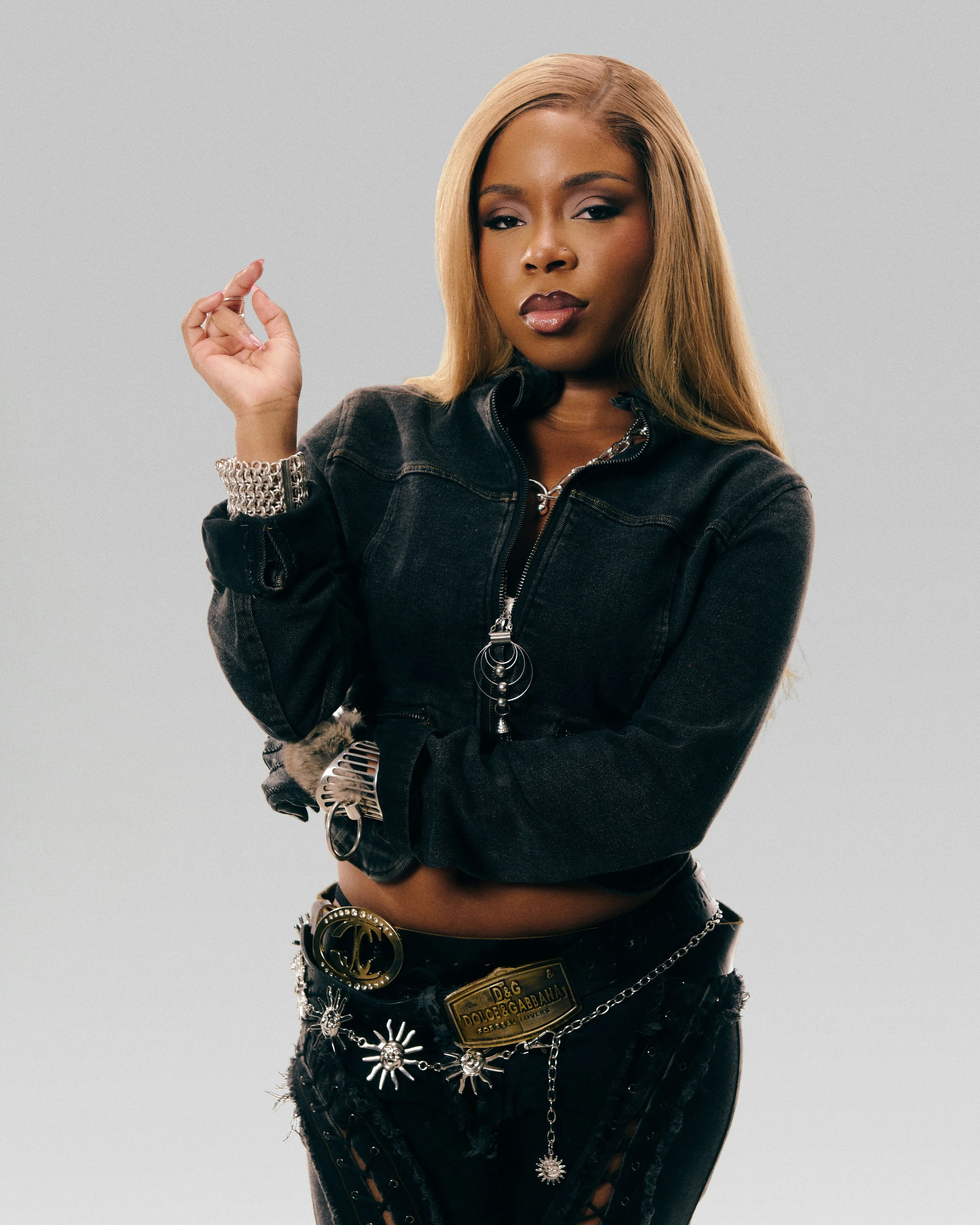
Photography by Saskia Kovandzich
How do you think Crush! differs from Essie’s World?
Lyrically, they’re about different things. Essie’s World was largely about my dating experiences as a student and about me just starting in the industry. Now I’ve left college, so Crush! feels like me navigating dating post-college while also being in the industry and having a fanbase. It’s a bit trickier. Sonically, I think Crush! is much more focused, which was intentional. I’m having a bit more fun on this project. It feels concise and smooth from start to finish. Essie’s World was a bit of everything, but Crush! feels more cohesive.
What does a completely normal day look like for you when there’s no music or expectations attached to it?
Honestly? Either bed-rotting, Pilates, or cooking. I love to cook. That’s basically what I’m doing when I’m not making music.
There’s also this feeling throughout the project of wanting to be chosen. Do you think our generation has gotten too comfortable with in-between love?
Yeah, but I also think it’s always existed. It just went from wanting to be chosen as a wife to being like, ‘Oh my God, he texted me at 3 a.m., at least he texted me.’ The standards have gotten so low because everyone wants to be chosen. People will literally have girlfriends or boyfriends, live with them, and still not even like them—they like being chosen.
Do you usually realize when something isn’t good for you in the moment, or only after the fact?
If I genuinely think something isn’t good for me, I usually won’t even indulge in it. But dating is where it gets complicated because emotions get involved. For me, what feels unhealthy is when attraction or feelings start making me lose control of myself or the situation. That’s when I know I need to step back.
Were there any relationship patterns you had to confront while making this project?
It wasn’t really a relationship—it was more of a situationship, which honestly feels worse sometimes. I’m very anxious-avoidant, so it becomes this constant push and pull. When somebody comes close to you, you want to pull away, but when somebody becomes distant, you suddenly become clingy. It was mentally exhausting trying to figure out whether I was reacting because of my attachment style or because the person themselves was very hot and cold. Even the most secure person can become anxious when somebody keeps giving mixed signals.
Is there a part of your personality people misunderstand?
I think people sometimes just see the ‘bad bitch’ side of me, but I also have a really big heart. I wear my heart on my sleeve. I’m emotional, but I’m also spontaneous and confident. I think people assume those things can’t coexist, but they absolutely can.
How intentional was it for the production to feel soft but emotionally heavy at the same time?
Very intentional. I’m extremely hands-on with my music. I pick all the producers I work with, I’m involved in all the songwriting, and I’m very specific about the sound I want. I wanted the project to reflect my influences like Janet Jackson, Madonna, Gwen Stefani, and Kelis while still feeling contemporary.
You draw from artists like Janet Jackson and Mary J. Blige. What do you think they understood about love and vulnerability that still resonates today?
I think they just had a way of communicating emotions that felt relatable and easy to digest. With somebody like Mary J. Blige, even if you haven’t experienced exactly what she’s singing about, the emotion in her voice makes it feel like you have. That’s what makes those artists timeless to me.
You’ve received support from artists like Kaytranada, Missy Elliott, and Don Toliver. How does that kind of validation feel?
Honestly, it’s priceless. Having people you grew up listening to acknowledge your work is crazy. Kaytranada wished me a happy birthday the other day, and I was thinking, ‘If 14-year-old me could see this, she would literally faint.’ A lot of us creatives are doing this for our younger selves. So having artists like Don Toliver or Kaytranada show love feels really full circle. It also reminds me that I’ve been able to take my influences and turn them into something that still feels like my own.
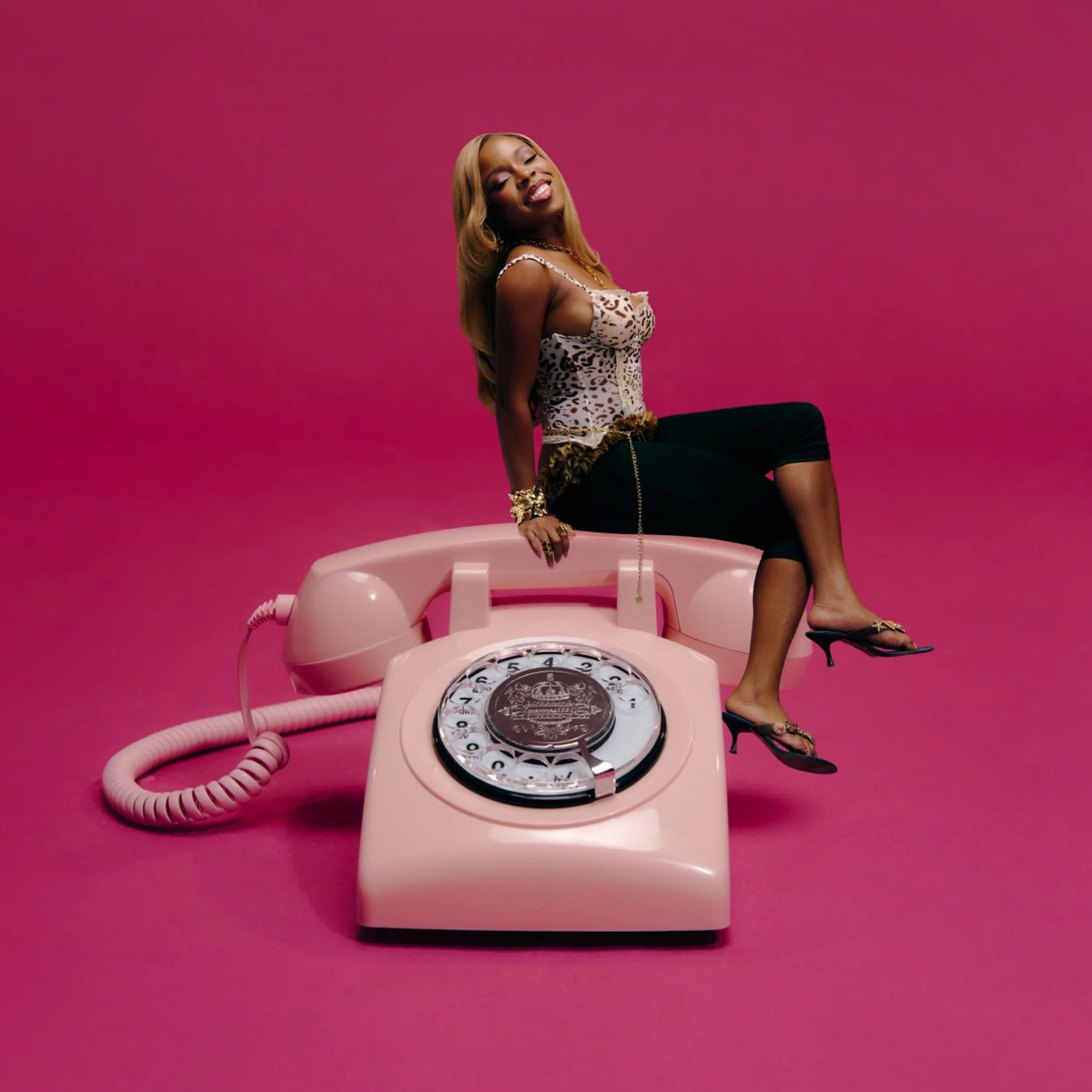
Photography by Saskia Kovandzich
When you were working with JKarri and WAVSDNTDIE, did those sessions feel more like therapy or experimentation?
Honestly, both. With WAVSDNTDIE, we were making ‘He’s Not All That,’ and we were basically talking about my life the whole session. He’s hilarious, so it naturally became very therapeutic. With JKarri, it was more experimental. For ‘Missing U,’ I remember saying I wanted the song to go up an octave and then come back down because I’d been listening to a lot of older music that did that. Everybody was kind of unsure if it would work, but I knew exactly how I wanted it to feel.
You feel like part of a new wave of Black artists reclaiming pop and R&B crossover music. Do you think that space is finally opening back up again?
Yeah. Growing up in the 2000s, there were so many Black women doing pop crossover music—Kelis, Ashanti, Rihanna—and over time, that space disappeared a little bit. Now it feels like it’s coming back. I’d describe my music as pop crossover music, too. Some of it is house-inspired, some of it leans more R&B, but overall it’s pop. I think we’re all just inspired by artists like Beyoncé and Rihanna, and we want to exist in those spaces too. It’s less about saying, ‘We’re not R&B,’ and more about saying, ‘We can also do this.’
Your visuals feel very Y2K but also very current. Are you drawn to that era out of nostalgia?
Not necessarily nostalgia. I’m just inspired by great work. The music videos from the ’80s, ’90s, and ‘00s were incredible. They were cinematic, they had budgets, they lived on TV—why wouldn’t I reference that? I’m always looking at the greats and trying to reinterpret those ideas in my own way.
What role do dance and visuals play in the way you create music?
A huge role. I grew up loving artists like Britney Spears and Lady Gaga. I knew all the dances as a kid. I love music that makes me want to move. Even when I’m making slower songs, I still want the production to feel rhythmic enough that you can dance to it or physically feel it in your body.
Are there any dream collaborators still on your list?
Kaytranada and I have already worked together quite a bit, so I expect that to come out soon. I’d also love to work with Tyler, the Creator. I think we could make something amazing together. And obviously Kali Uchis. I’d also love to work with Don Toliver again. That experience was a dream.
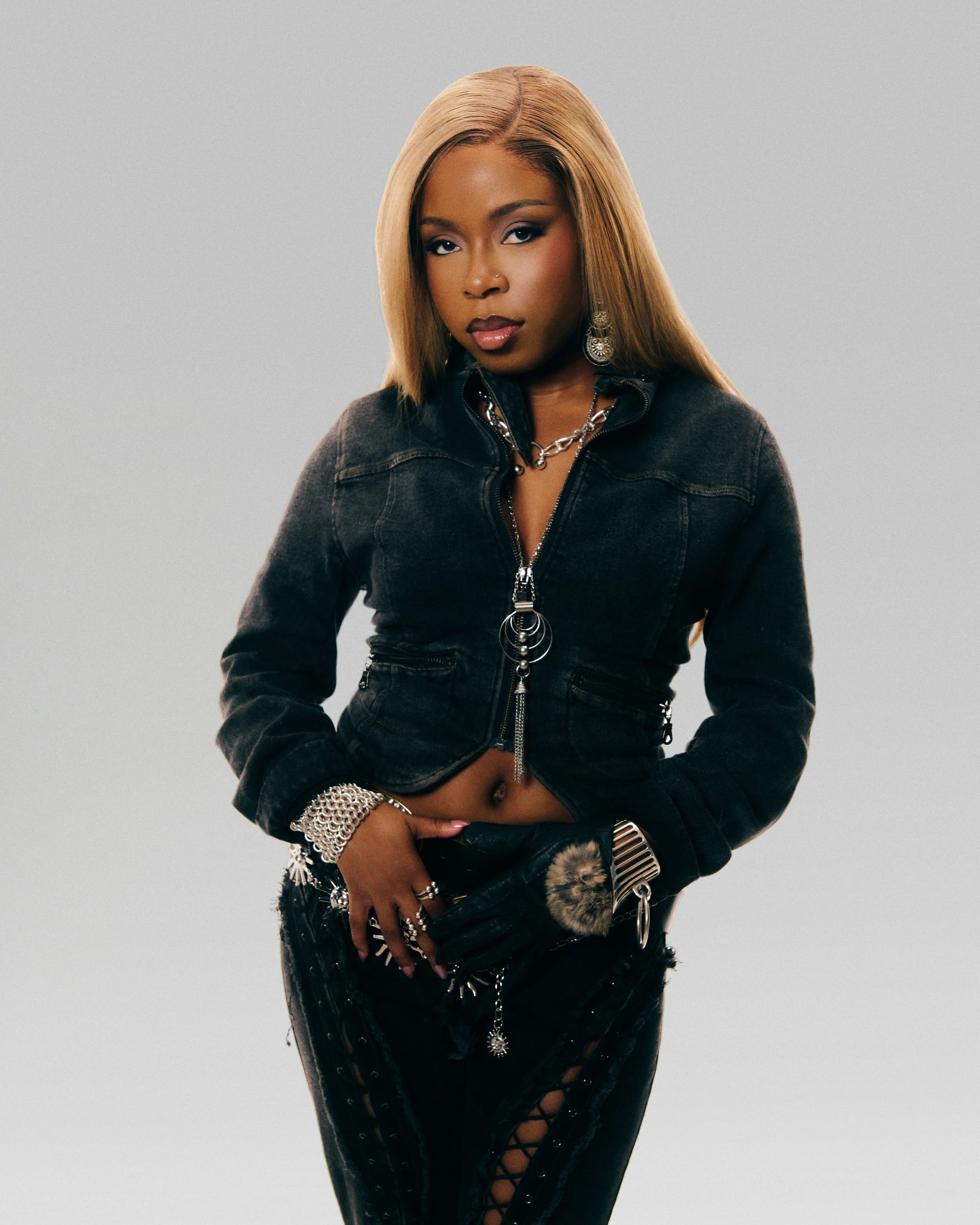
Photography by Saskia Kovandzich
What are you listening to right now?
I’ve been listening to the new Worst Girl Alive by Slayyyter, a lot of Prince, and Rated R by Rihanna. I’ve also been listening to a lot of reggae, dancehall, soul, and funk—artists like Jalen Ngonda, Shabba Ranks, Bitty McLean, and Alton Ellis.
If someone listens to Crush! from start to finish, what do you hope they walk away understanding?
I want people to know that it’s okay to choose yourself. I feel like I’ve lost people because they didn’t choose themselves, and I almost lost myself because I almost didn’t choose myself either. I want anyone who feels lost in a situation or relationship to hear this project and feel understood.
Lastly, what’s next for you?
I’ve got loads of music ready. Last year I didn’t drop much, but this year I’m ready to go. I’m basically ready to drop the vault on everybody’s heads. I’m excited.