Ezek on ‘Ghetto Mais Chic,’ Black Identity, and Creating Without Permission
Much of what makes Ezek’s world distinctive stems from how she approaches identity and authorship.
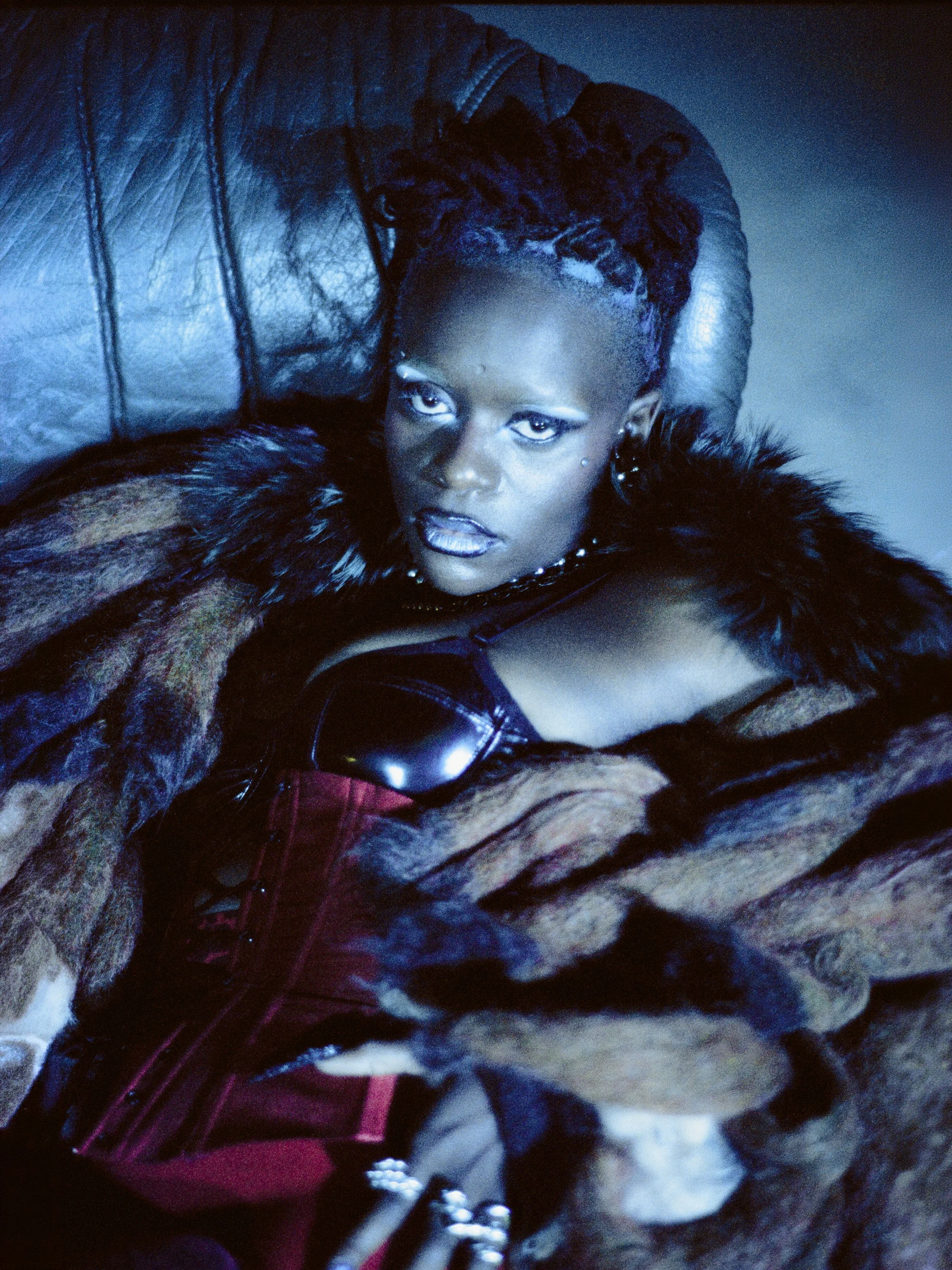
Photography by Chu Ho Louvrier
At 24, Ezek is reaching a moment when the world around her is beginning to catch up with the one she has been creating. The Congolese, France-born and raised creative has spent the year shaping a distinctly Afro-diasporic universe through music, art direction, and her independent imprint, NWAR CORE. Her debut mixtape, EZEK’S PARTY, released in January, introduced the breadth of that world, while her latest single, “ALLUMEZ,” marks the beginning of a reedition of the project, extending that same universe with new material and greater range. Her arrival on Netflix’s Nouvelle École is also set to bring that vision to an even wider audience.
Much of what makes Ezek’s world distinctive stems from how she approaches identity and authorship. Her philosophy of ‘ghetto mais chic’ extends beyond an aesthetic; for her, “the chic is not the clothes, it is the standard.” It speaks to the expectations she has set for herself and the communities she represents, while her creative independence lets her decide how she expresses that identity—from the music and imagery to the audience she wants to reach. Her Congo roots, wider Central African influences, openly queer identity, and commitment to doing things on her own terms all fit within that broader vision.
Ahead of what could become her most visible chapter yet, Ezek spoke with 1202 MAGAZINE on the politics of owning her own image, the cultural roots embedded in her music, learning to inhabit confidence, and why returning to EZEK’S PARTY isn’t about starting over.
When someone encounters your work for the first time, what do you hope they understand about you without you having to explain it?
That I am a committed artist, and that this is Afro-diasporic music, Black music. If someone hears that in the first thirty seconds, they already have me. Everything after that is detail.
What does ‘ghetto mais chic’ mean to you beyond the clothes, visuals, or aesthetic?
Ghetto is a label that was put on us; we never chose it. Now I hold it up on purpose. To me, it says that people like me are reliable, professional, ambitious, and that we build things. We are not like them, and we are not trying to be, but we want just as much, and we work at least as hard. Chic is not the clothes; it is the standard.
When did you realize you didn’t just want to be the artist performing the work, but the person shaping the entire world around it?
I understood very early that music is a business. And in that business, people from my community are very often the product, owned and sold by someone else. So, I moved to the front. My image and my music are my product, and I choose the market I speak to. That is what NWAR CORE is for.
What have you learned about yourself creatively from having that much control? Has doing so much yourself ever made you feel like you were carrying too much?
I have learned that protecting your creativity sometimes means handing a task to someone else. And when you delegate, it gives you a new subject to think about, so you gain something too. But it takes balance. If you carry everything, you spend your days on tasks and drift away from the real objective: living from your music.
Your music draws on your Congo roots as well as Angola and Côte d’Ivoire, while you are French-born and Paris-based. How do all of those places live together in the music?
I am very attached to my African roots, and I owe that to my mother and my sister, who introduced me to Côte d'Ivoire. I always knew my answers were hidden in my origins, spiritually as well. My mother put animism before Christianity in my education, and I will never thank her enough for it. I think that is what made the difference. So Congo, Angola, and Côte d’Ivoire aren’t three separate references sitting side by side in the music; they are one conversation I grew up inside.
Do you think of your music as reconnecting with your roots, or as turning those influences into something entirely your own?
Both at the same time. On one side, I am finding my identity as an African woman, Bantu to be precise, so I am tracing every link between the cultures of Central Africa. On the other side, I was born in France, and I want to import this afro-futurist thing here, which means dealing with the codes of this place. That friction is often exactly what lets me reach more people.
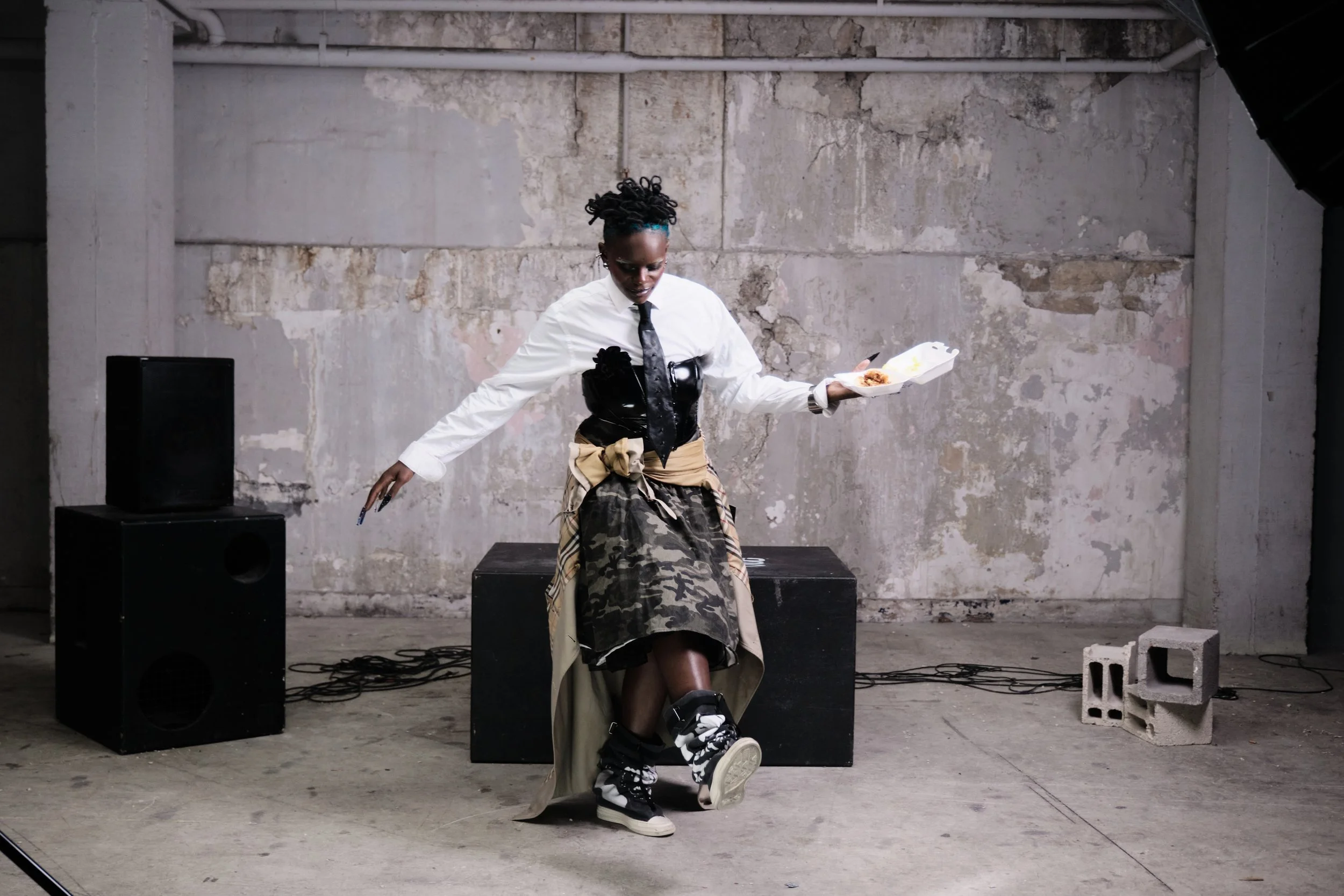
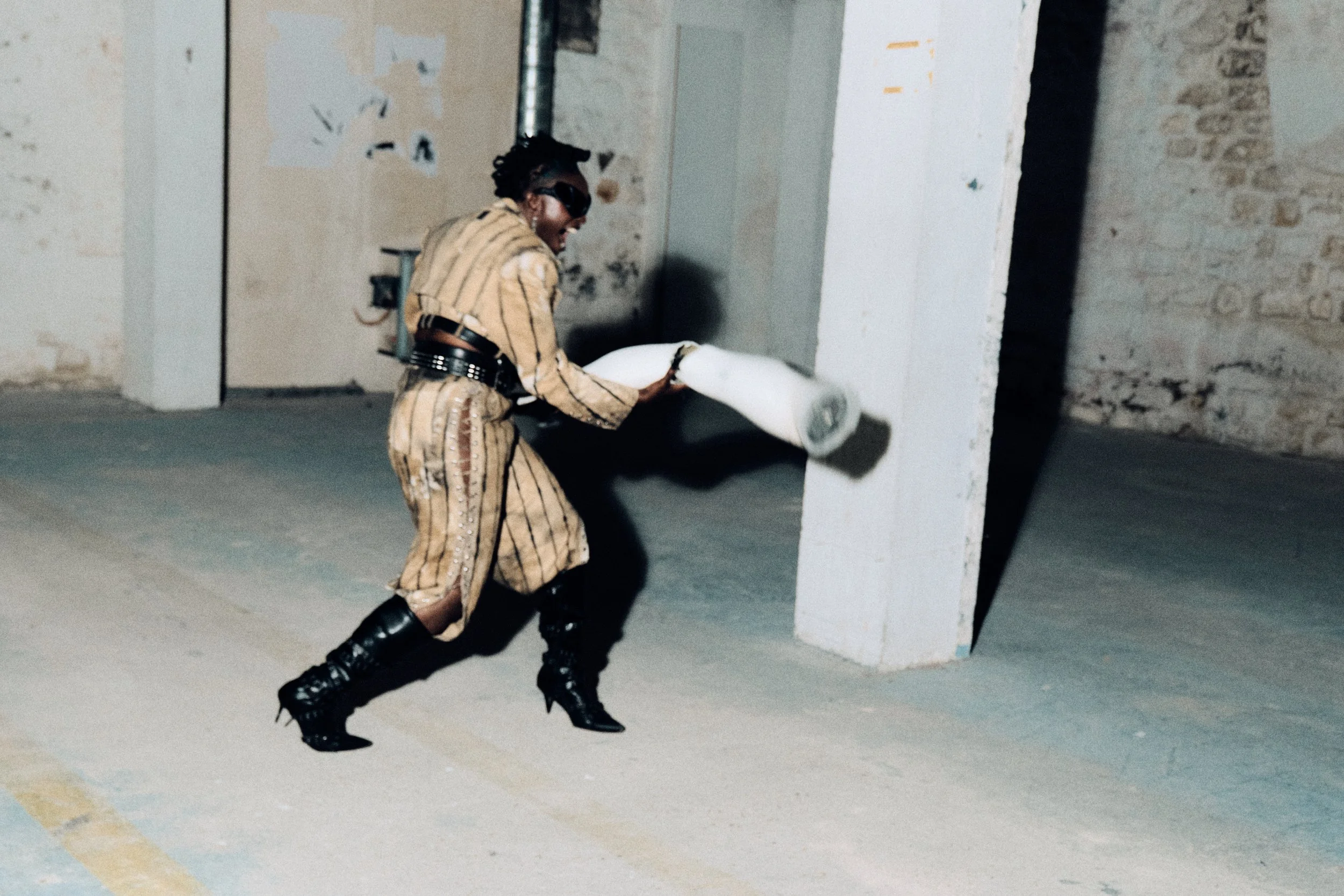
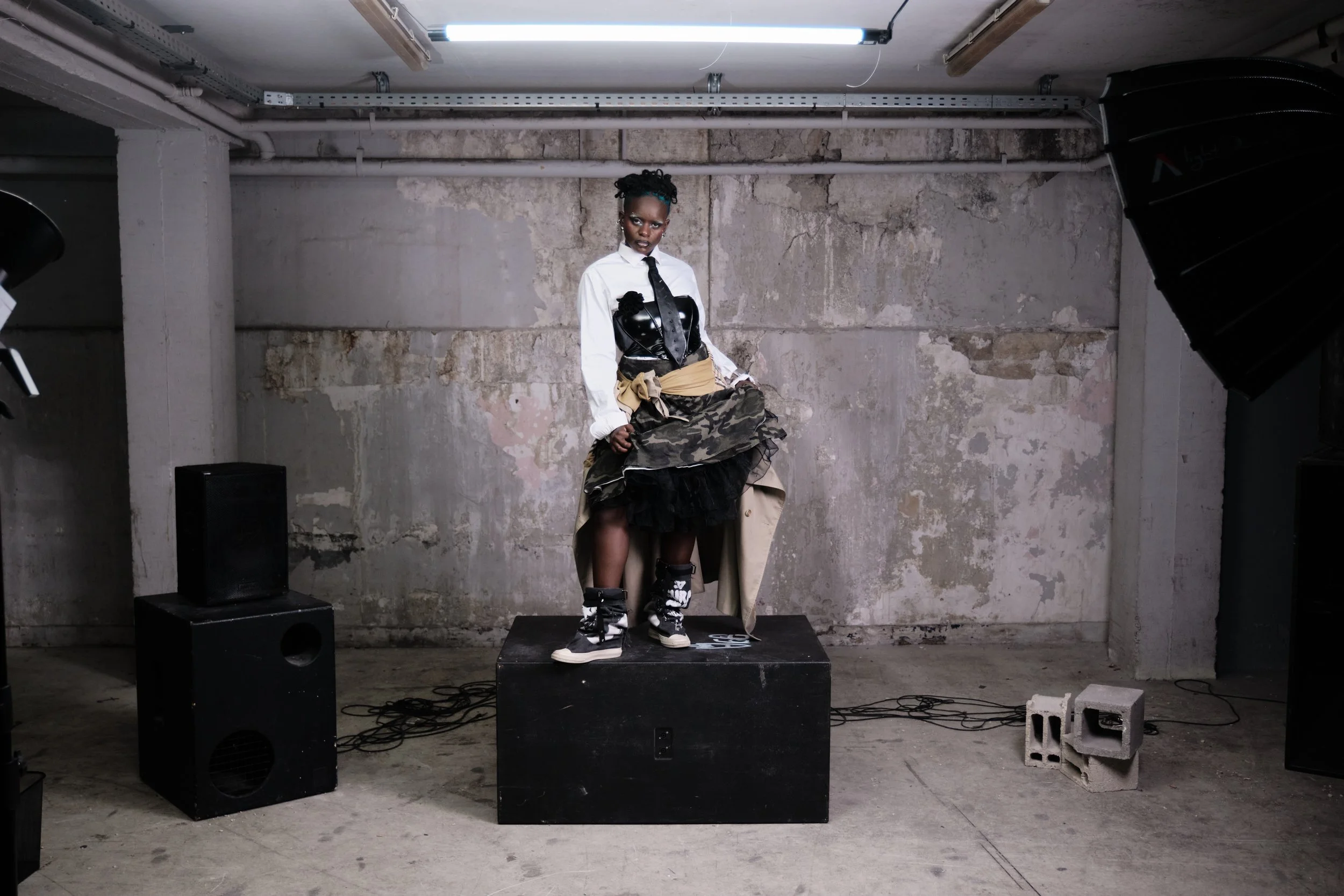
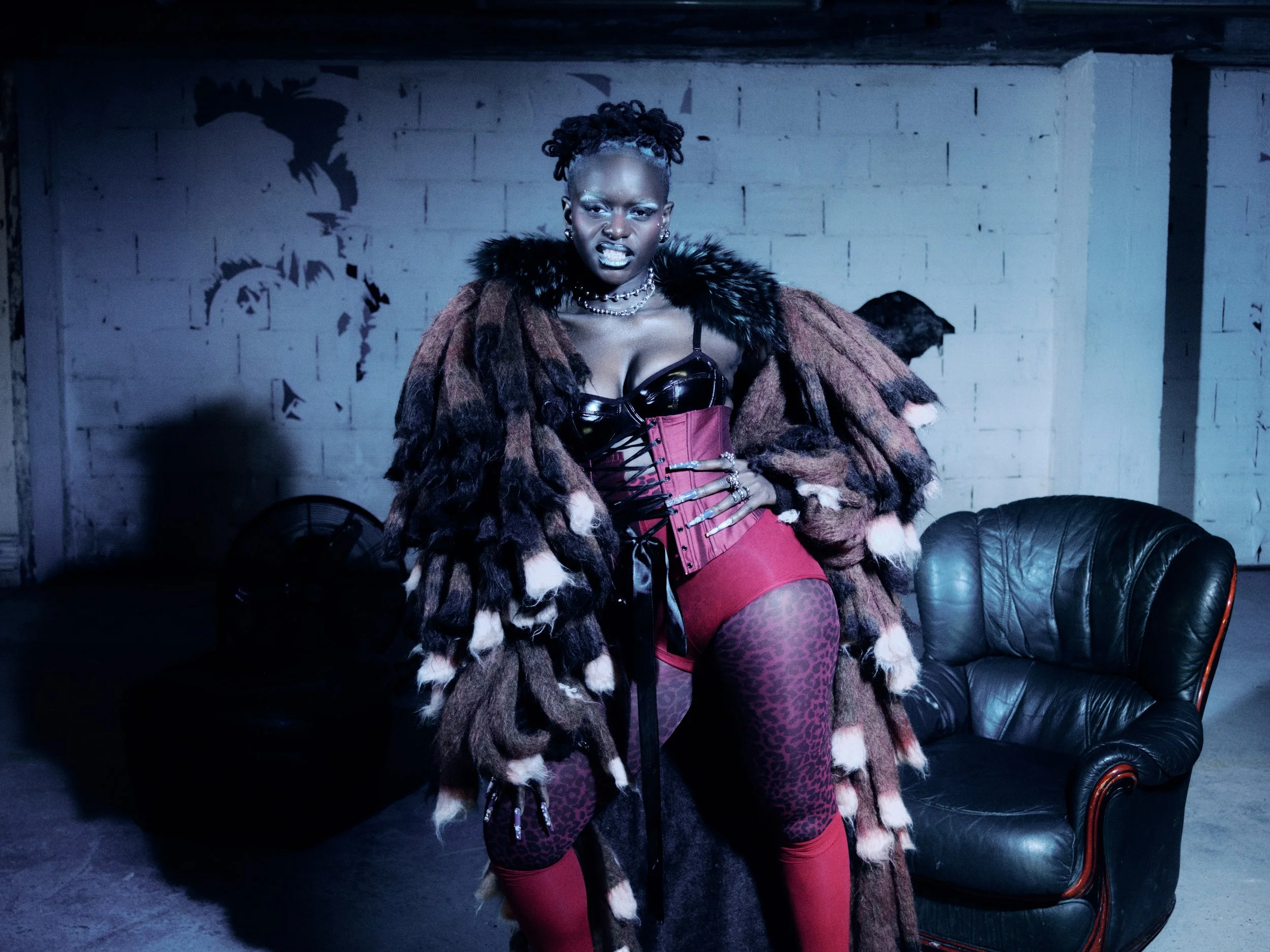
Photography by Chu Ho Louvrier
When you’re creating a song, do you already see the world around it in your head, or does the visual identity come afterward?
It depends on the song. “INTRO” I wrote in 2023, before I went back to Brazzaville, and it took growing up and looking at it again with new eyes to imagine the visual with my team. I share every idea with them. “PAYDAY” was the opposite; from the first listen of the beat, I already knew which universe I was walking into. And Afro leaves far more room for imagination than people assume, because everyone expects dance, so you look for every other possible way to carry that energy.
Looking back at EZEK’S PARTY now, what did you most want the project to reveal about you as an artist?
That project is my business card. My skills, the spectrum of what I explore, what I am capable of as a rookie. What I wanted people to keep was my versatility as an interpreter. It is also why I am not finished with it. It comes back this autumn in a reedition, and ‘ALLUMEZ’ is its first single, out now.
Why go back to EZEK’S PARTY with a reedition instead of moving straight to something new?
Because that mixtape is where people met me, and I am not done with what it opened. The reedition isn’t nostalgia; it is the same world with more range, and the lead single is where it starts.
“ALLUMEZ” is an order, not an invitation. Who are you giving that order to?
To myself first, and then to everyone who recognizes themselves in it. Wake up, keep fighting, this is your moment, light it. It is a song about emancipation, about being free, and about walking into your final form. I made it with Yelem, who I work with all the time, and it opens the reedition of EZEK’S PARTY.
What does it mean to be able to call yourself ‘AFRIKAN BADDEST BITCH’ without asking anyone’s permission to believe it?
It is an accomplishment. Where I come from, you are usually expected to end up on a payroll, or worse. Being fully myself without a green light from someone above me is close to unheard of for people like me. So saying it out loud is an act of pride.
Was that self-possession always natural to you, or did you have to learn how to take up that kind of space?
I did not always have this confidence. I decided to work on it, first through theatre and acting, then through the image I wanted to send back: my posture, my look, my sexuality, the positions I take publicly. I had to reclaim all of it, sometimes despite myself, in order to wear that confidence. Today it is second nature.
Has your queerness changed the way you think about freedom, self-expression, or the person you’re able to be through your art?
Yes. Being an openly queer woman is part of how I take up space, and I have never been interested in shrinking it so that it goes down more easily. Beyond that, watching how this industry is built helped me understand that my existence, on its own, is political. So everything I undertake has the same purpose: making these things accessible and normal for people like me.
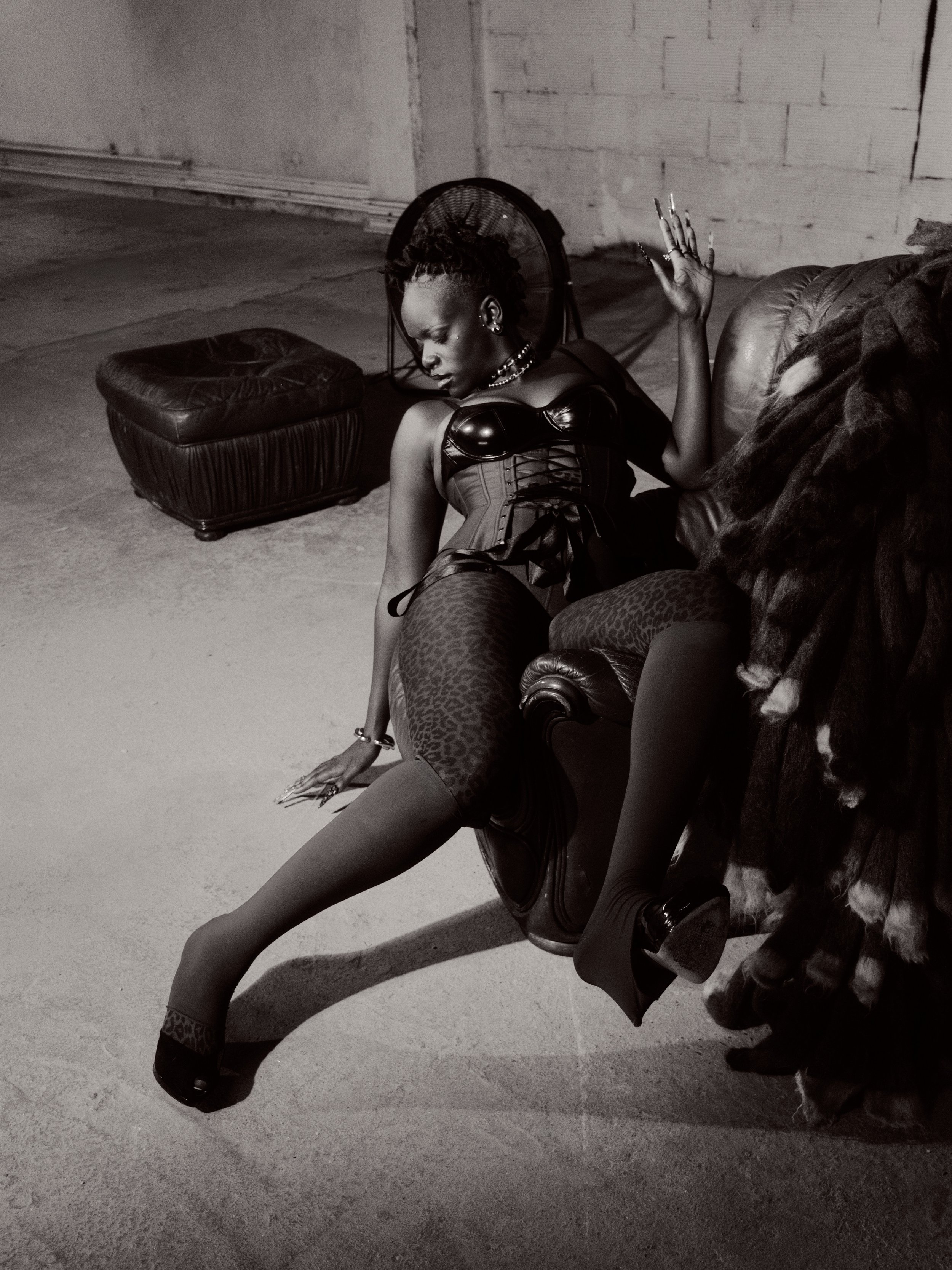
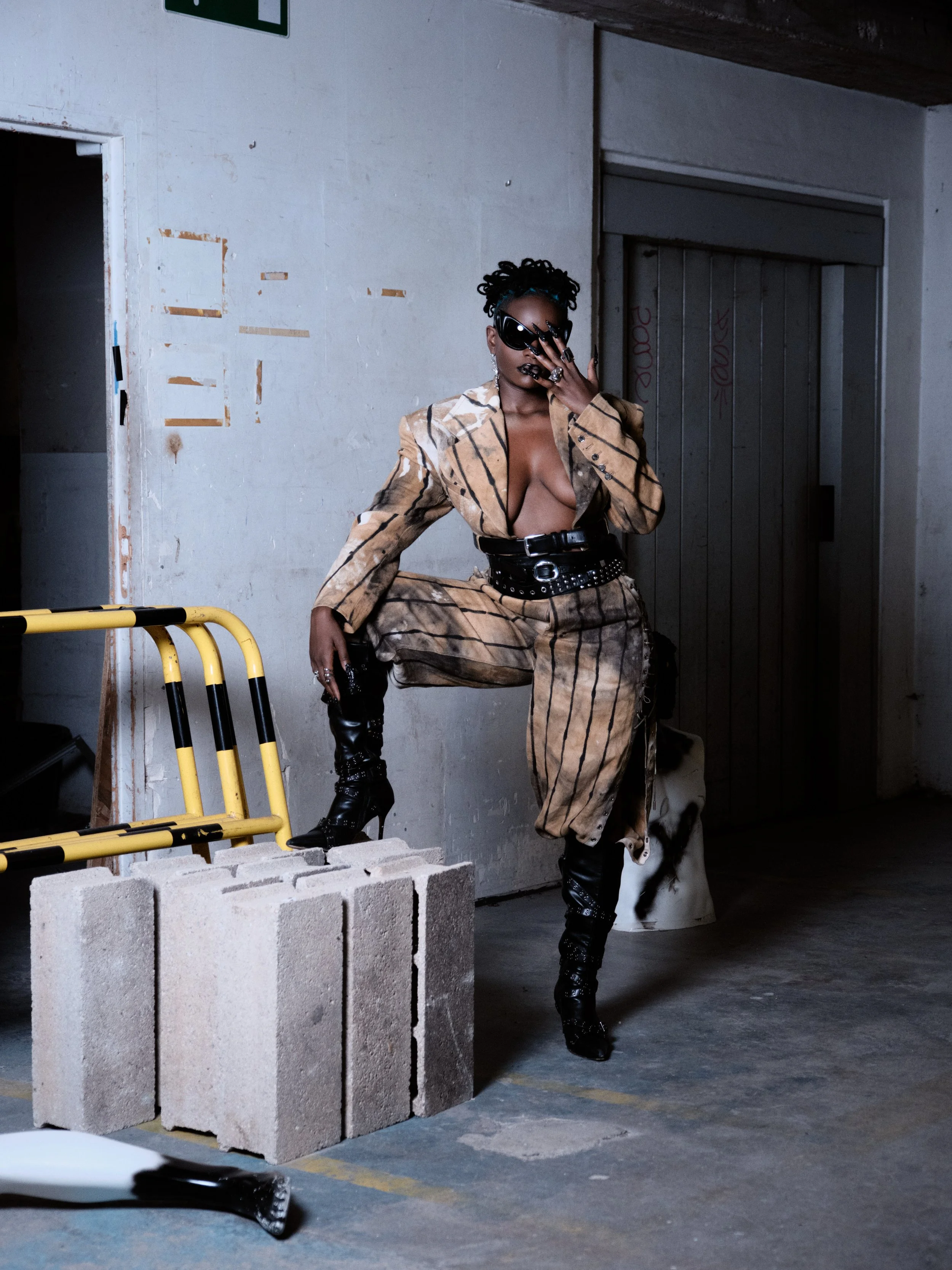
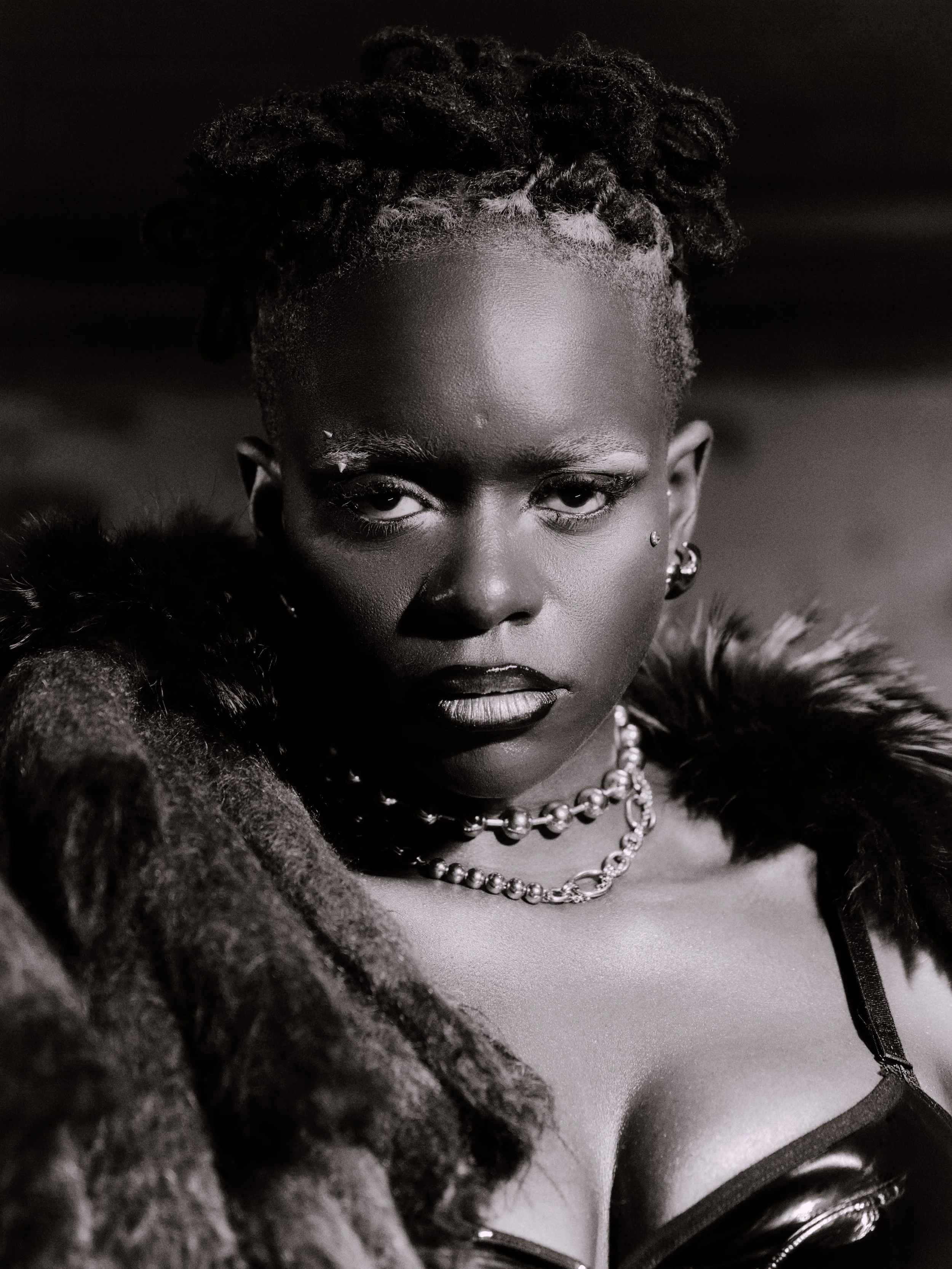
Photography by Chu Ho Louvrier
What did it feel like to stand on Yardland’s main stage and realize the world you'd been building was being experienced by that many people?
Sometimes I still do not realize it, and that is the frustrating part. You are inside your dream every day, without the distance you need to appreciate it and celebrate the climb. Either way, I am very happy and very grateful, because my work is finally starting to pay.
How do you protect what you've created while entering spaces that come with their own expectations of who you should be?
I come as I am, with my qualities, flaws, strengths, and weaknesses. As an artist, you have no choice; you have to widen your audience. So it is not about changing the thing; it is about staying myself and speaking louder.
What do you think people misunderstand about the work that happens before an artist becomes ‘discoverable’?
You can never really understand what you have not lived. And that is the game. When you are not known, you are not known. Then it shifts, and very few people go looking for the road you walked to get there. That is okay; I am not asking for it.
As more people step into the world you've created, what are you most protective of, and what are you most excited to let evolve?
I want to protect the identity of my art: the authentic side, the committed side, the part that makes demands. That is the base of my music, and beyond my own personality, it is the essence of my community. What I am happy to let grow is the scale. ‘ALLUMEZ’ now: the reedition of EZEK’S PARTY this autumn, bigger rooms, more people. The world can get wider; the center does not move.